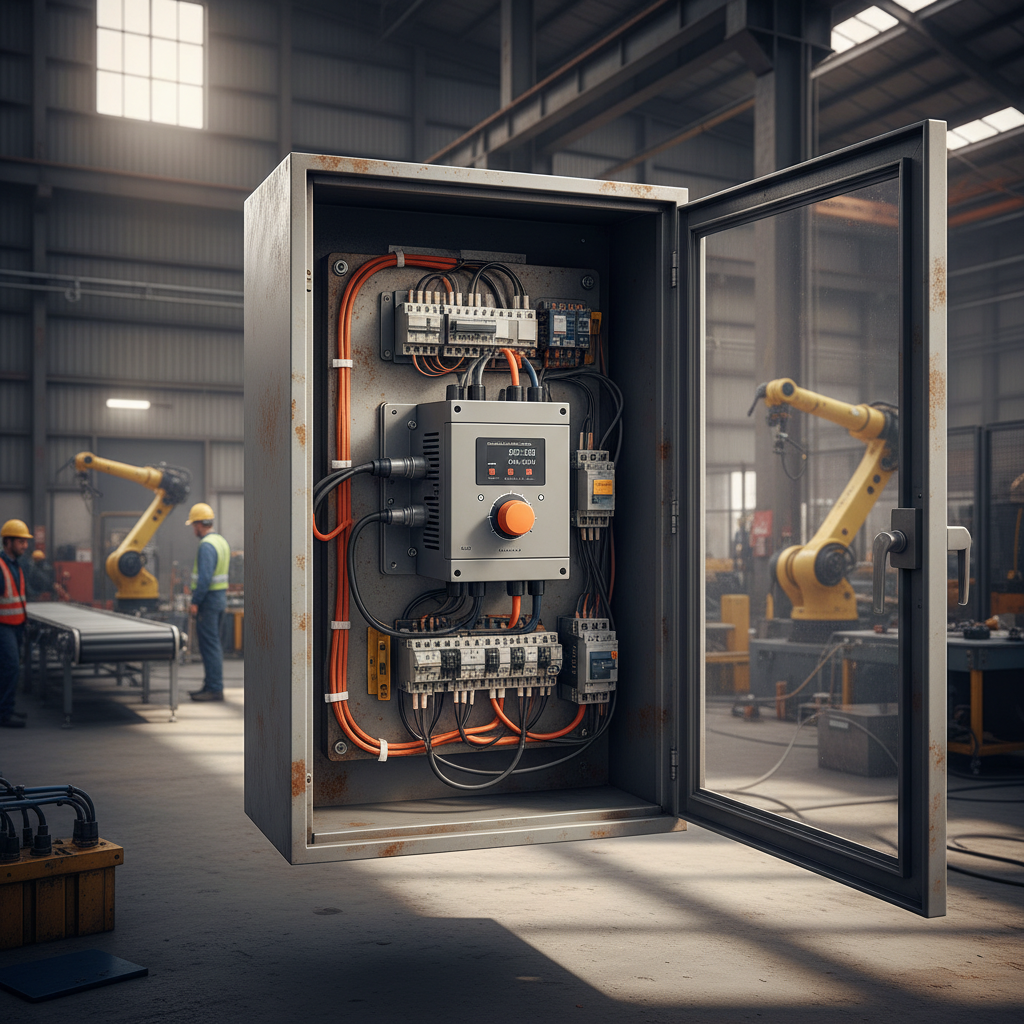
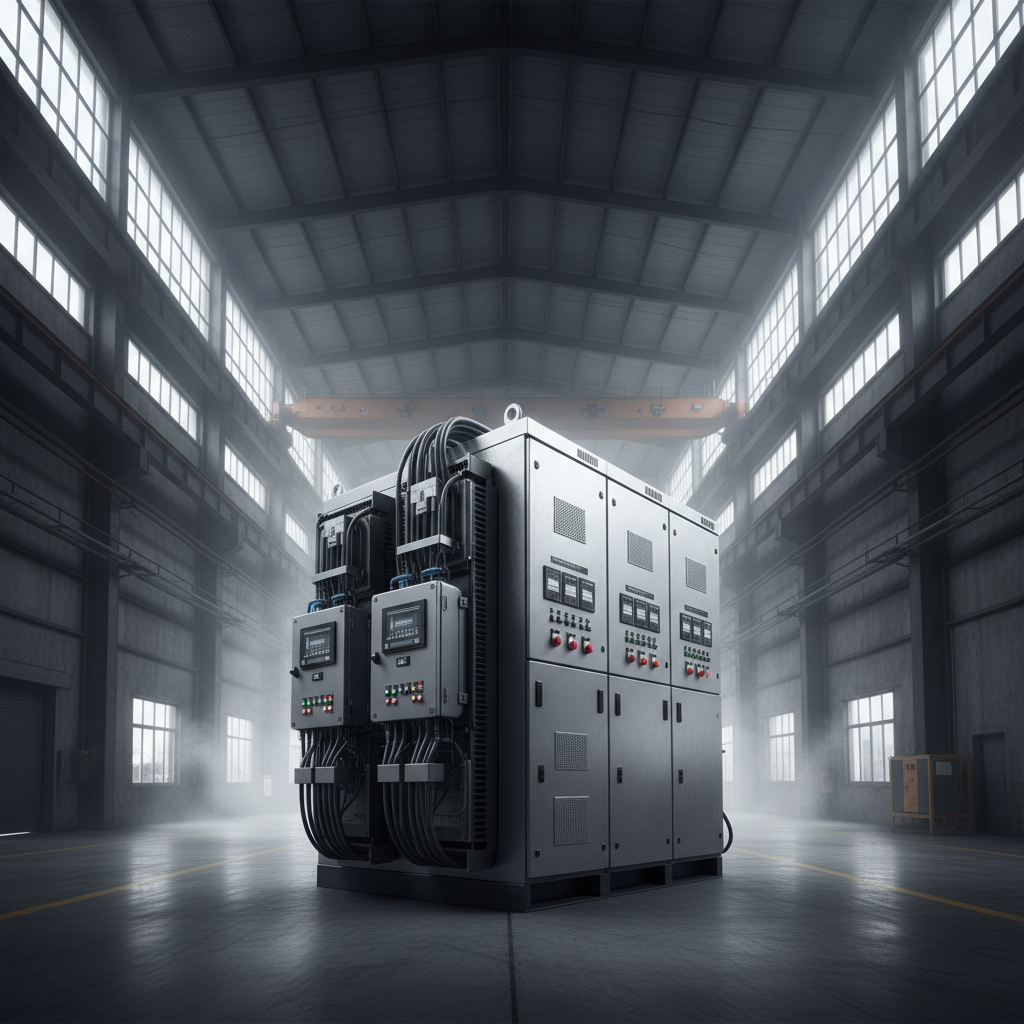
Understanding the variable speed drive price is critical for industrial operators seeking to optimize energy efficiency and mechanical precision in automation. In the context of electrical and automation equipment manufacturing, these drives are not merely components but strategic investments that determine the long-term operational cost of a production line.
Many procurement managers struggle with the gap between the initial purchase price and the total cost of ownership. The challenge lies in balancing the immediate capital expenditure with the potential for energy savings and reduced mechanical wear, especially when integrating complex controllers or specialized CPU modules.
This analysis provides a comprehensive breakdown of the factors influencing pricing, the relationship between technical specifications and cost, and a practical framework for evaluating the return on investment for variable speed drives in industrial environments.

Core Cost Drivers of Variable Speed Drives

The variable speed drive price is primarily influenced by the power rating and the complexity of the control logic required for the application. Higher kilowatt ratings naturally increase the cost of raw materials, such as capacitors and heat sinks, while the precision of the frequency modulation determines the sophistication of the internal electronics.
Beyond power, the environment for which the drive is rated plays a significant role. Drives designed for harsh industrial settings with high dust or moisture levels require specialized enclosures and cooling systems, which add a premium to the base price compared to standard indoor units.
Technical Specifications vs. Investment Level
Different performance tiers lead to vastly different pricing structures. Basic VSDs focus on simple speed control, whereas high-performance drives offer vector control, which allows for precise torque management at low speeds. This added functionality is essential for heavy-duty machinery but increases the initial investment.
Another critical factor is the communication interface. Drives that support advanced protocols like PROFIBUS DP allow for seamless integration into larger automation networks, facilitating isochronous connection of drive components. The cost of these integrated interfaces is reflected in the higher price point of industrial-grade drives.
Integrating Drives with Advanced Control CPUs
The overall cost of an automation system depends on how the drive interacts with the central controller. For instance, using a SIMATIC CPU 317T-2 DP allows for integrated process and motion control, which can simplify the drive configuration. This synergy reduces the need for multiple standalone controllers, potentially lowering the total system cost.
In safety-critical applications, the use of fail-safe CPUs like the CPU 317TF-2 DP ensures that the variable speed drives can be brought to a safe state during emergencies. While these specialized CPUs increase the upfront cost, they mitigate the financial risk associated with equipment failure or workplace accidents.
Relative Cost Impact of Performance Tiers
When analyzing the variable speed drive price, it is helpful to look at the relative cost drivers based on the functional requirements of the machinery. The following conceptual index illustrates how different technical requirements shift the investment level relative to a base model.
As shown in the illustrative framework, basic speed control remains the most affordable, while full-scale motion synchronization and fail-safe integration represent the highest investment tiers due to the complex hardware and software licensing required.
Hidden Costs in VSD Implementation
The purchase price of the hardware is only one part of the financial equation. Installation costs, including the need for shielded cabling to prevent electromagnetic interference (EMI), can be substantial. Improper installation often leads to harmonic distortion, which may require the additional purchase of harmonic filters.
Maintenance and software updates also contribute to the long-term cost. Drives integrated with specialized option packages, such as S7-Technology, require specific expertise to program and maintain, meaning that labor costs for skilled automation engineers must be factored into the operational budget.
Common Procurement Pitfalls to Avoid
A frequent mistake in procurement is selecting a drive based solely on the lowest initial price without considering the duty cycle. Under-sizing a drive to save costs often leads to overheating and premature failure, resulting in expensive downtime that far outweighs the initial savings.
Another pitfall is neglecting the compatibility between the drive and the motor. Using a VSD with a motor that is not "inverter-duty" can cause insulation breakdown. Ensuring that the drive's voltage and current characteristics align perfectly with the motor is a technical necessity that prevents costly replacements.
VSD Investment Decision Framework
To make an informed decision on variable speed drive price and selection, buyers should evaluate the drive based on the specific needs of their application. The following table provides a qualitative comparison of different drive approaches based on industrial requirements.
| Approach | Cost Level | Best Use Case | Primary Risk |
|---|---|---|---|
| Basic V/f Control | Low | Simple Fans/Pumps | Low Torque Control |
| Open-Loop Vector | Medium | Conveyors/Mixers | Speed Drift |
| Closed-Loop Vector | High | High-Precision CNC | Complex Tuning |
| Fail-Safe Integrated | Premium | Hazardous Areas | High Initial CapEx |
| Networked (PROFIBUS) | Medium-High | Distributed Automation | Network Latency |
| Customized Solution | Variable | Specialized Machinery | Long Lead Times |
Ultimately, the choice should be driven by the required precision and the cost of potential failure. For most automated production lines, a medium-to-high tier drive integrated with a centralized controller offers the best balance of performance and long-term value.
Frequently Asked Questions
The most significant factors include the power rating (kW), the control method (scalar vs. vector), the enclosure rating (IP rating), and the presence of advanced communication interfaces like PROFIBUS DP.
Not necessarily. Energy savings come primarily from the ability to vary speed. However, higher-end drives offer better efficiency at partial loads and more precise control, which can further optimize energy consumption.
Using an integrated controller, such as the S7 300 or 1500 series, can reduce the need for additional external relay logic and timers, lowering the total installation and hardware cost.
Risks include poor torque performance, lack of necessary protection features, higher harmonic interference, and a shorter lifespan due to lower-quality internal components.
ROI varies by application, but in centrifugal pump and fan applications, energy savings often offset the price difference within 12 to 24 months.
Yes, for example, CPUs like the 317T-2 DP require a SIMATIC Micro memory card (typically 8 MB) to store the user program and operational data.
Conclusion
Evaluating the variable speed drive price requires a shift from focusing on the initial invoice to analyzing the total lifecycle cost. By aligning the drive's technical specifications—such as control precision and communication capabilities—with the actual requirements of the industrial application, companies can avoid both under-specification and wasteful over-investment.
For those seeking reliable electromechanical control solutions, Tianjin Yongkai International Trade Co., Ltd. provides a wide range of industrial automation components. You can review the available product information and contact the supplier for application-specific requirements at www.tianjinyongkai.com.