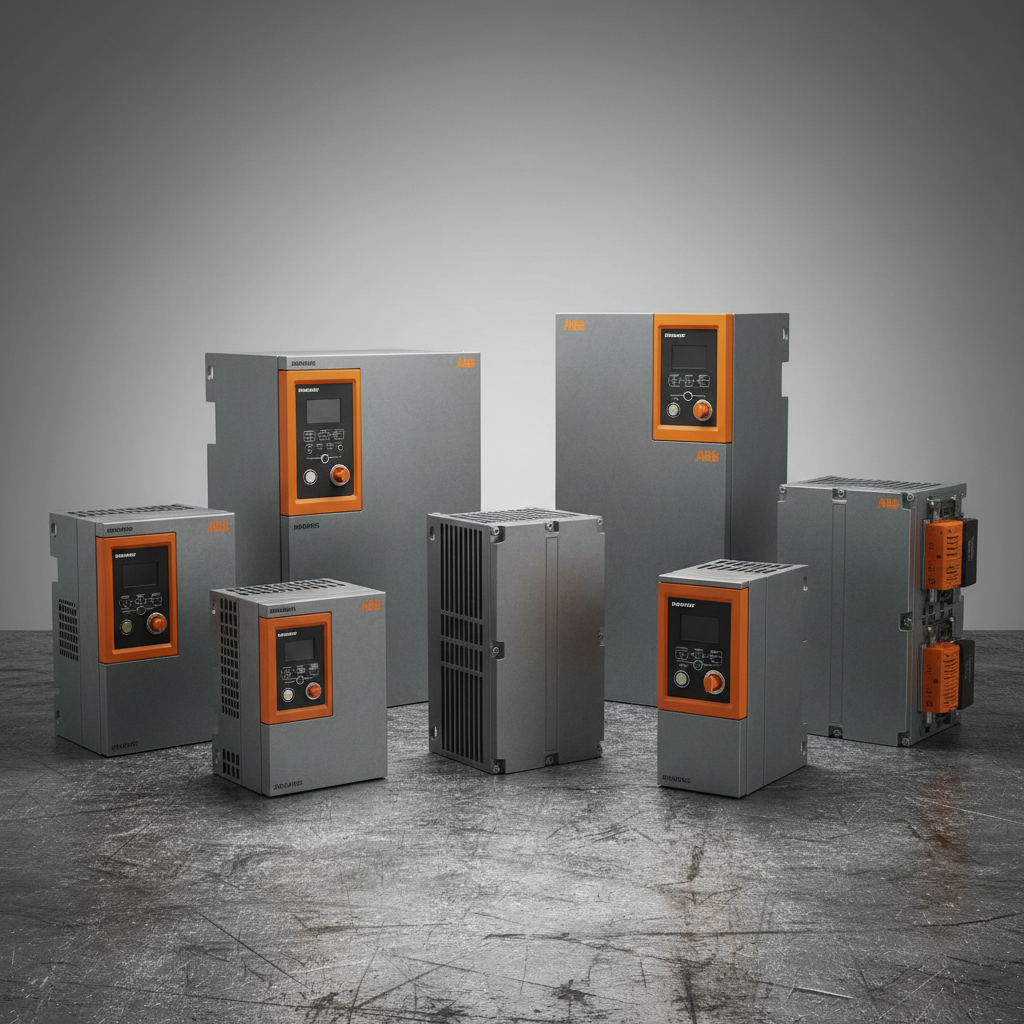
In the modern industrial landscape, understanding the total vfd cost is no longer just about the initial purchase price, but about the lifecycle value and operational efficiency. As automation becomes the backbone of global manufacturing, the integration of cost-effective monitoring and control systems allows enterprises to optimize their energy consumption and reduce long-term overheads.
When analyzing the vfd cost, industry professionals must consider how an entry-level interface—such as the SIMATIC HMI Compact Panel—interacts with drive systems to provide real-time data. By utilizing streamlined panels with superb basic functions, companies can implement sophisticated monitoring without the prohibitive expenses typically associated with high-end industrial control centers.
Ultimately, the goal of optimizing the vfd cost is to balance performance with accessibility. Whether through the use of 4" to 12" display screens or innovative 64,000-color high-resolution interfaces, the right combination of HMI and drive technology ensures that simple applications remain highly efficient, energy-saving, and scalable for future growth.
Global Context of VFD Cost Efficiency
On a global scale, the drive toward "Industry 4.0" has placed a spotlight on the vfd cost as a primary metric for operational scalability. With international standards like ISO 50001 pushing for better energy management, manufacturers are increasingly seeking entry-level yet powerful HMI solutions to monitor their variable frequency drives, ensuring that energy savings outweigh the initial capital expenditure.
The challenge lies in the disparity between high-performance requirements and budget constraints. By implementing second-generation streamlined panels, which offer cost-effective operation, industries can bridge this gap. These panels provide the essential HMI functions needed to manage drives efficiently, reducing the overall systemic vfd cost through better visibility and reduced downtime.
Defining VFD Cost in Modern Automation
In simple terms, vfd cost encompasses more than the sticker price of the drive; it includes the cost of the interface, installation, and the energy consumed over the device's lifespan. In the context of automation, this "total cost of ownership" is what determines whether a project is commercially viable or an operational liability.
Modern industry demands an integrated approach. This means pairing the drive with a SIMATIC HMI Compact Panel, which serves as an ideal entry-level series for simple applications. By choosing a panel with buttons and touch functions, the operational cost is lowered because the user interface is intuitive, reducing the need for extensive operator training.
Furthermore, the connection between the HMI and the drive allows for "cost-effective operation." When a user can easily adjust parameters on a 4", 7", 9", or 12" screen, the precision of the motor control increases, which directly lowers the long-term vfd cost by preventing mechanical wear and energy waste.
Core Components Influencing VFD Cost
One of the primary factors influencing the total vfd cost is the quality of the user interface. High-resolution displays, such as the innovative 64,000-color widescreen available in the second-generation panels, ensure that operators can identify faults quickly, thereby reducing the cost associated with unplanned outages.
Energy efficiency is another critical component. The ability to implement 100% adjustable brightness on the HMI panel contributes to a more sustainable operation. When combined with the energy-saving capabilities of a VFD, the overall vfd cost is offset by lower utility bills and a smaller carbon footprint.
Finally, scalability and connectivity play a huge role. The inclusion of a USB interface allows for the connection of keyboards, mice, and barcode scanners, while supporting easy data archiving. This flexibility ensures that the system can grow without a massive increase in vfd cost as the facility expands its automation capabilities.
Global Applications and VFD Cost Impact
In remote industrial zones, such as mining operations in Australia or textile mills in Southeast Asia, the vfd cost is often viewed through the lens of reliability and ease of maintenance. Using a vertical installation panel allows for space-saving in cramped control rooms, ensuring that the hardware remains protected and the system remains operational.
In water treatment plants and HVAC systems across North America and Europe, the focus is on the "cost-effective operation" promised by the second-generation streamlined panels. By using these interfaces to monitor drive performance, operators can maintain optimal flow rates, which minimizes the operational vfd cost over several years of service.
Comparison of VFD Cost Efficiency by Interface Type
Long-Term Value of Optimized VFD Cost
The tangible benefits of optimizing vfd cost extend beyond simple mathematics; they touch upon the safety and dignity of the workplace. A clear, high-resolution HMI reduces operator stress and error, creating a more trustworthy environment where innovation can thrive without the fear of costly mistakes.
From a logical angle, the long-term value is found in the synergy between the SIMATIC HMI Compact Panel's usability and the VFD's performance. By utilizing new controls and graphics, these panels meet a wider range of operational needs, ensuring that the system remains relevant for years, thereby amortizing the vfd cost over a longer period.
Future Trends in VFD Cost Reduction
As we look toward the future, the digital transformation of the factory floor will further refine how we calculate vfd cost. The integration of AI-driven diagnostics within entry-level HMI panels will allow for predictive maintenance, which can stop a drive failure before it happens, saving thousands in emergency repair costs.
Green energy policies are also driving the adoption of more energy-efficient interfaces. The 100% adjustable brightness and high-efficiency components of the second-generation panels are just the beginning. Future iterations will likely focus on even lower power consumption, further reducing the operational vfd cost and aligning with global sustainability goals.
Additionally, the move toward more open architectures via USB and advanced networking will allow for a "plug-and-play" approach to automation. This will lower the technical barrier to entry, making sophisticated drive monitoring accessible to smaller enterprises that were previously deterred by the high vfd cost of high-end systems.
Overcoming Challenges in VFD Cost Management
A common limitation in current industrial practice is the "feature gap," where companies either overspend on unnecessary high-end features or underspend and end up with a system that lacks basic usability. The solution is the adoption of "right-sized" technology, such as the SIMATIC HMI Compact Panel, which provides superb basic functions without the excessive vfd cost of a full-scale SCADA system.
Another challenge is the complexity of data archiving. Many older systems require expensive proprietary software to extract data. By utilizing the USB interface of modern streamlined panels, operators can archive data easily on a USB drive, significantly lowering the administrative vfd cost and simplifying compliance reporting.
Finally, the physical constraints of installation can often drive up costs. The support for vertical installation and the variety of screen sizes (4" to 12") allow engineers to design more compact and efficient control cabinets. This strategic design reduces the amount of materials needed and the labor hours required for installation, effectively lowering the total project vfd cost.
Comparison of HMI Features and their Impact on VFD Cost
| Feature Category |
Technical Specification |
Impact on VFD Cost |
Efficiency Score (1-10) |
| Display Quality |
64,000 Color Widescreen |
Reduces diagnostic time |
9 |
| Screen Size |
4", 7", 9", 12" Options |
Optimizes hardware spend |
8 |
| Power Management |
100% Adjustable Brightness |
Lowers energy overhead |
10 |
| Connectivity |
USB Interface |
Cheap data archiving |
9 |
| Installation |
Vertical Installation Support |
Reduced cabinet size |
7 |
| Interface Type |
Buttons and Touch |
Lowers training cost |
8 |
FAQS
The SIMATIC HMI Compact Panel reduces the total vfd cost by providing a cost-effective, entry-level interface for simple applications. Its intuitive controls and high-resolution display minimize operator errors and diagnostic time, which prevents expensive downtime and reduces the need for highly specialized (and expensive) training for staff.
Not necessarily. While a 4" screen has a lower initial purchase price, a 12" screen might reduce the vfd cost over time by allowing more complex data to be viewed at once, reducing the time an operator spends toggling through menus and speeding up the response to critical system alerts.
Yes. By allowing the use of standard keyboards, mice, and USB drives for data archiving, companies avoid paying for expensive proprietary data logging hardware and software. This makes data management a low-cost activity, directly lowering the administrative portion of the vfd cost.
100% adjustable brightness allows the HMI to operate at the minimum required light level for the environment. Over thousands of hours of operation, this energy saving, combined with the reduced heat generation (which extends the life of the panel), lowers the operational and replacement vfd cost.
While it seems minor, the ability to install panels vertically allows for more efficient use of space in industrial control cabinets. This can lead to using smaller enclosures and reducing the amount of wiring required, which lowers the initial installation and engineering vfd cost.
For simple HMI applications, the Compact Panel is ideal. However, if your drive requires extremely complex multi-variable synchronization, you might need a higher-tier panel. The key to managing vfd cost is ensuring you don't over-specify; for most standard automation tasks, the entry-level series is more than sufficient.
Conclusion
Managing the vfd cost is a strategic balancing act between initial investment and lifelong operational efficiency. By integrating cost-effective HMI solutions like the second-generation SIMATIC Compact Panels—featuring high-resolution displays, flexible installation, and USB connectivity—manufacturers can achieve a high level of control and monitoring without incurring prohibitive expenses.
Looking ahead, the shift toward sustainable, energy-saving interfaces and simplified data archiving will continue to drive down the total cost of ownership for automation systems. We recommend that engineers prioritize "right-sized" hardware that offers the essential functions needed for their specific application to ensure the best possible return on investment. Visit our website: www.tianjinyongkai.com