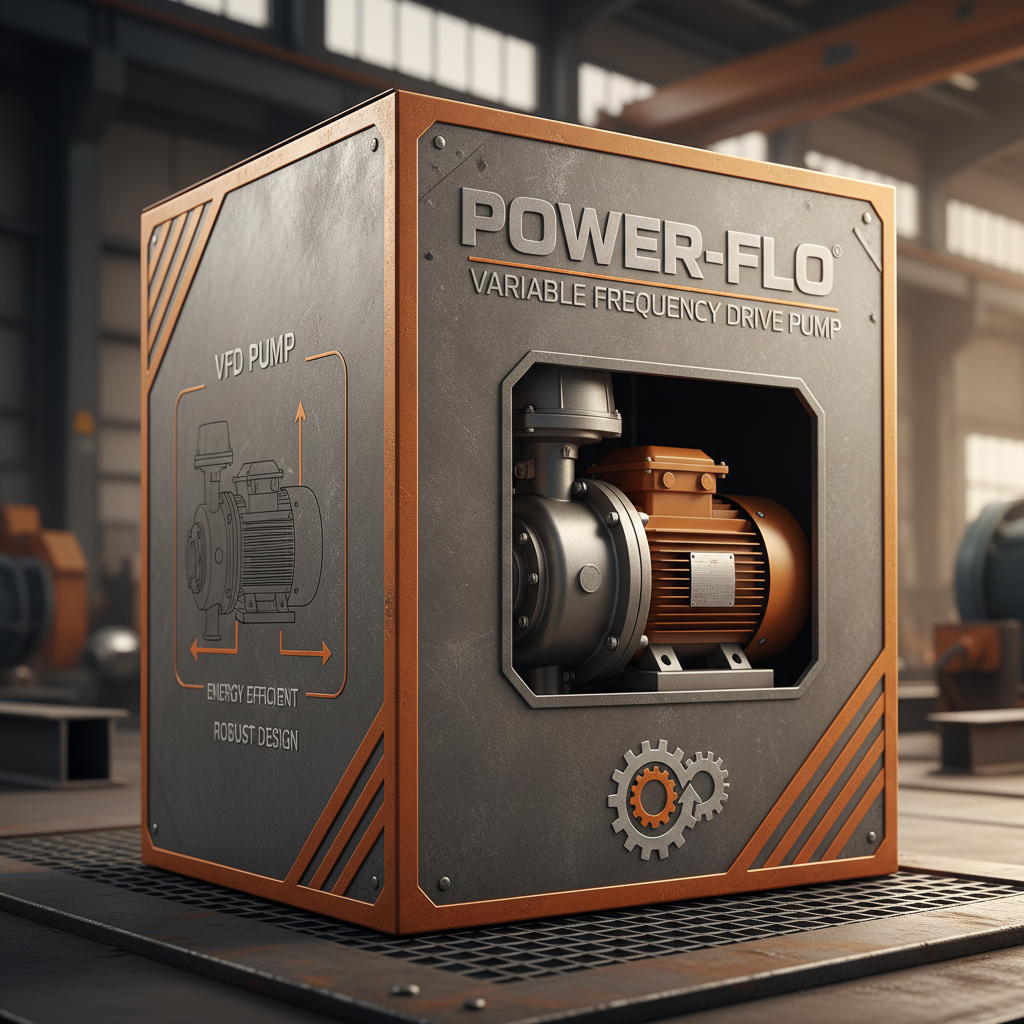
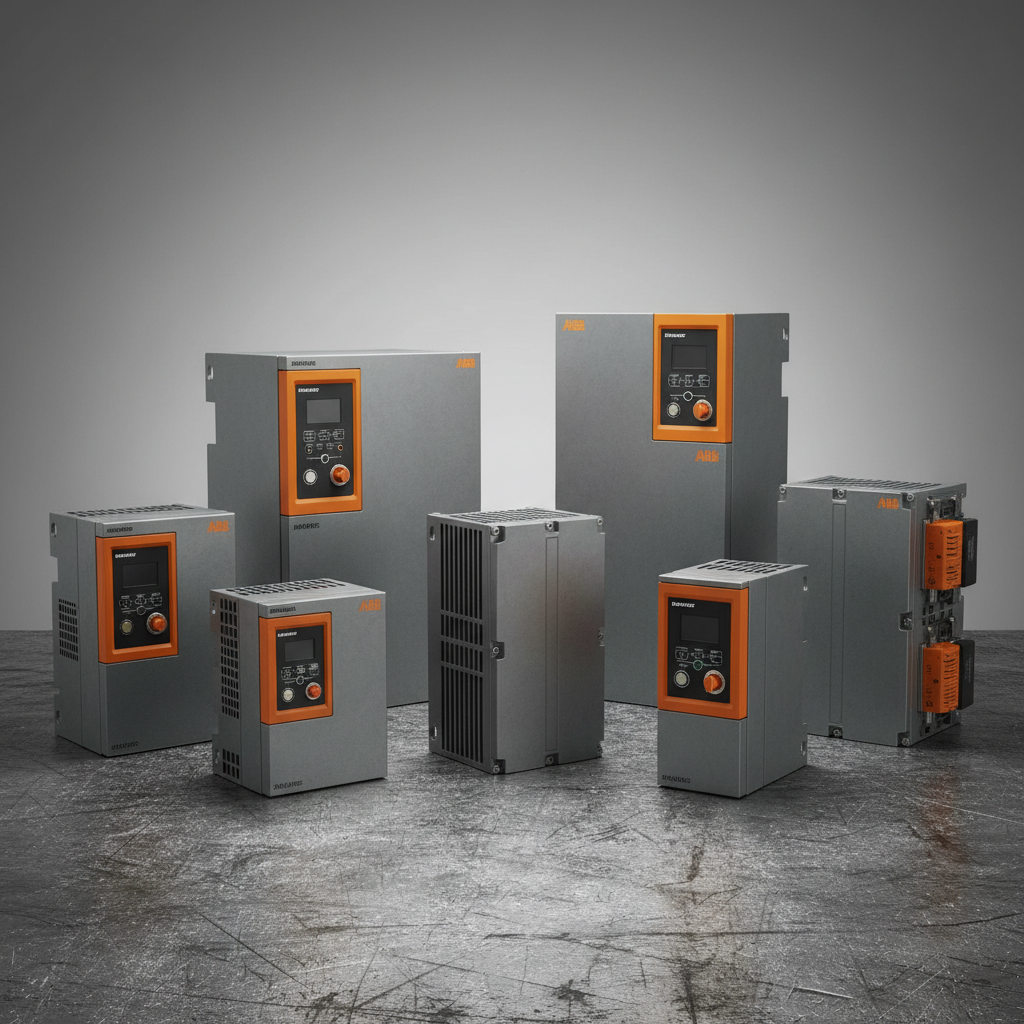
Look, I’ve spent the last twenty years knee-deep in dust and concrete, watching things get built – and sometimes, watching them not get built because of a critical component failing. That component? More often than not, it comes down to motor control. We’re talking about getting power where it needs to be, precisely, reliably, and efficiently. And that's where a good 1hp vfd comes into play. It’s not just about turning a motor on and off anymore; it’s about smart control, extending equipment life, and saving serious money. We’re seeing more and more projects where precise motor speed control is crucial – from optimizing pump performance to fine-tuning conveyor speeds. 1hp vfd units are becoming indispensable.
Honestly, the days of simple starters are dwindling. We're dealing with increasingly complex systems, and these systems demand finesse. Think about a small water treatment plant I worked on last year. We struggled with inconsistent flow rates until we implemented a 1hp vfd on the main pump. Suddenly, everything smoothed out. Reduced wear and tear, precise chemical dosing, and a whole lot less headache. It's not always glamorous, but that kind of practical impact is why I'm in this business.
I’ve seen too many projects stalled or plagued with issues due to unreliable motor controls. It’s a pain in the neck for everyone involved – the engineers, the contractors, and ultimately, the client. Investing in a quality 1hp vfd isn't just a cost; it’s an insurance policy against downtime, costly repairs, and project delays. It's about building things right, the first time.
The Core Functionality of 1hp vfd
Essentially, a 1hp vfd—Variable Frequency Drive—takes a fixed AC voltage and converts it into a variable frequency and voltage. What does that mean on a job site? It means we can precisely control the speed of a 1 horsepower motor. Sounds simple, right? But that control is a game-changer. Instead of a motor always running at full speed or abruptly starting and stopping, we can ramp it up or down smoothly, matching the motor's output to the actual demand.
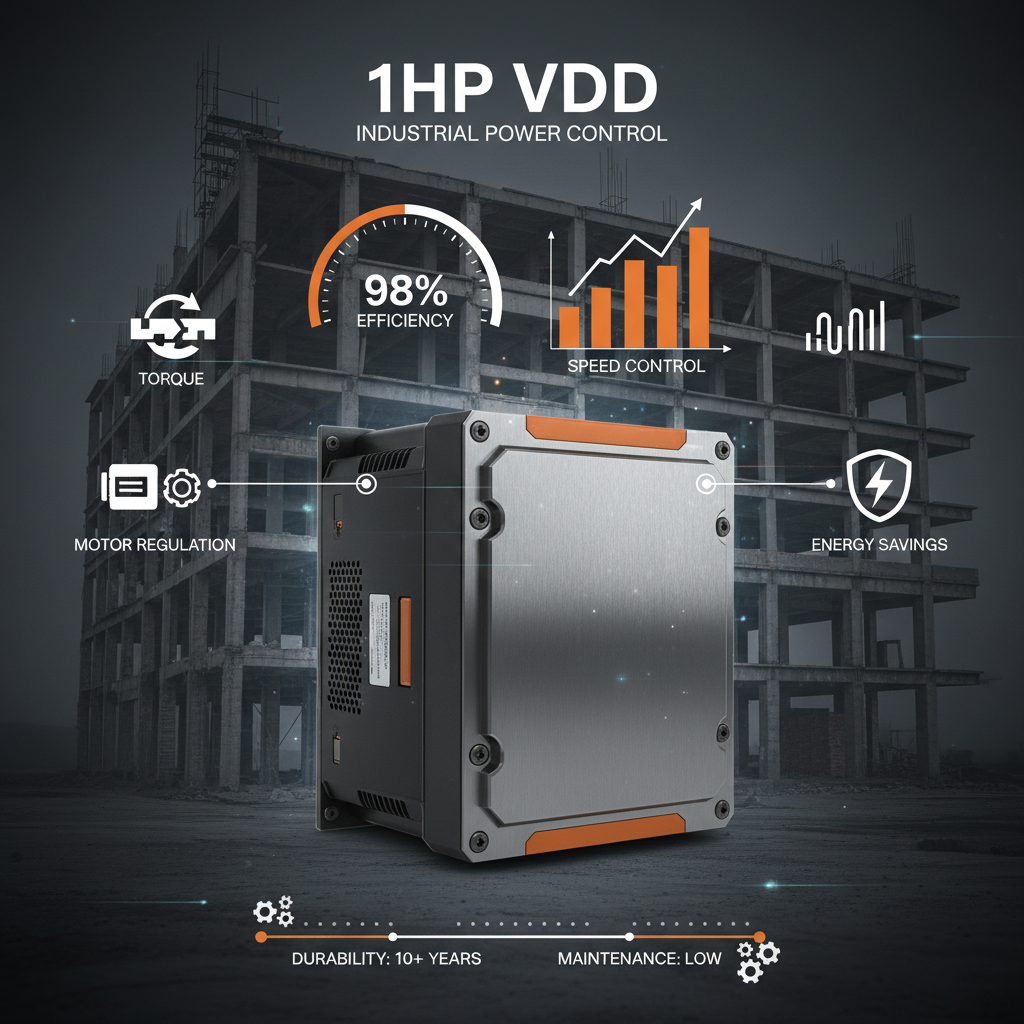
This is huge for energy savings, reducing mechanical stress, and improving process control. Think of a pump—do you always need it running at 100%? Probably not. A 1hp vfd lets you dial it back, saving electricity and extending the pump's life. It's a foundational technology for modern efficiency.
Global Relevance and Market Trends
Look around the world, and you’ll find motors driving critical infrastructure – water systems, manufacturing plants, HVAC systems. And where there are motors, there’s a growing need for efficient control. The global market for VFDs, including the 1hp vfd segment, is booming, driven by stricter energy regulations and a push for industrial automation. I've seen it firsthand in projects across Asia and South America – the demand is constant.
According to a recent report I read, the VFD market is projected to reach over $30 billion by 2027. That's a substantial increase, and a lot of that growth will be in smaller horsepower ranges like 1hp, where the payback period is quick and the applications are incredibly diverse. Companies are also demanding more integrated solutions – VFDs that can communicate with other systems and provide real-time data.
The rise of remote monitoring and predictive maintenance is also fueling the demand. Being able to track a 1hp vfd's performance remotely and identify potential issues before they cause downtime is a massive advantage for any operation. It’s moving beyond just motor control to complete system optimization.
Defining 1hp vfd: A Practical Perspective
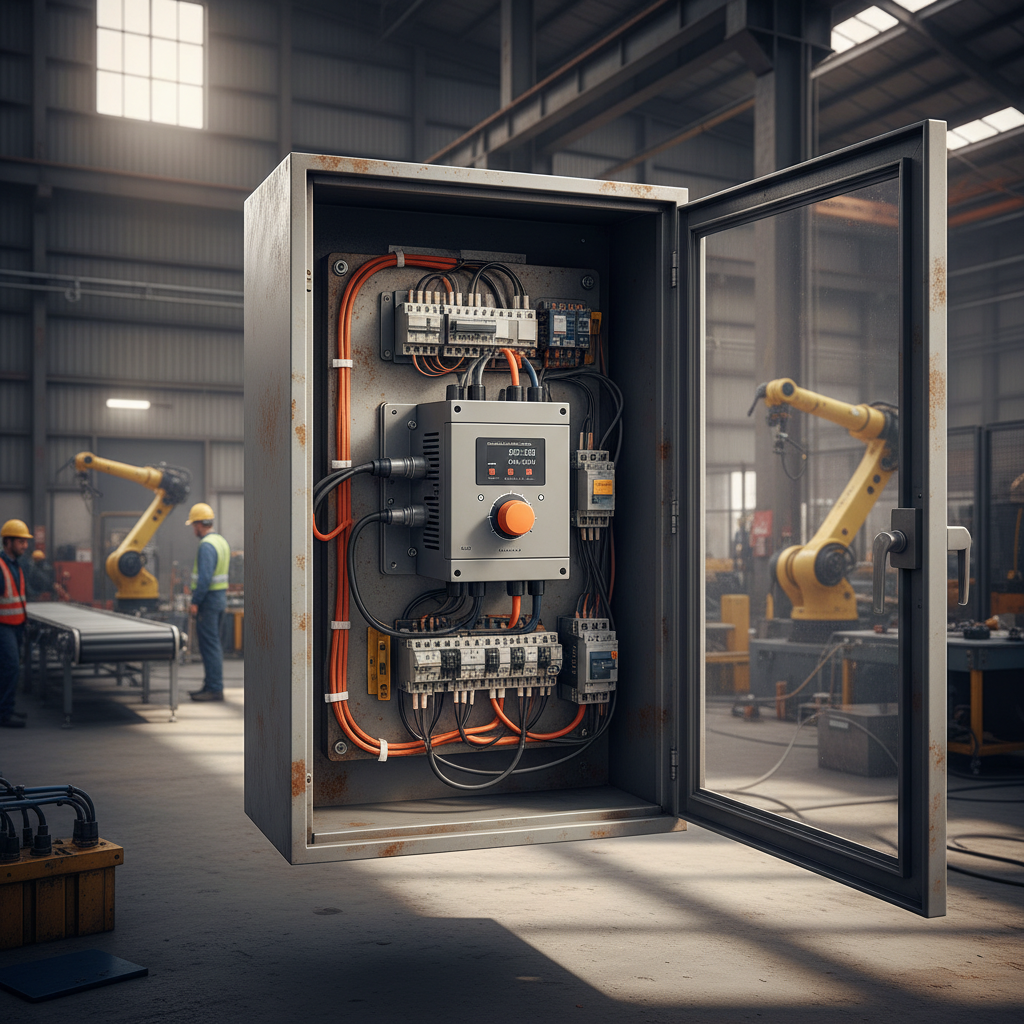
Let’s cut through the jargon. A 1hp vfd isn’t some abstract piece of tech. It’s a box, typically mounted near the motor, that controls its speed and torque. It takes the standard AC power coming from the grid and ‘chops’ it up, effectively changing the frequency. Lower frequency means slower speed; higher frequency means faster speed. It’s that simple, at its core.
Now, the ‘variable’ part is key. Older motor control methods—like mechanical starters or across-the-line starters—were all-or-nothing. A 1hp vfd allows for continuous speed adjustment. This is critical for applications where precise control is needed. For example, regulating the speed of a conveyor belt to maintain consistent product spacing, or adjusting the output of a pump to match the demand.
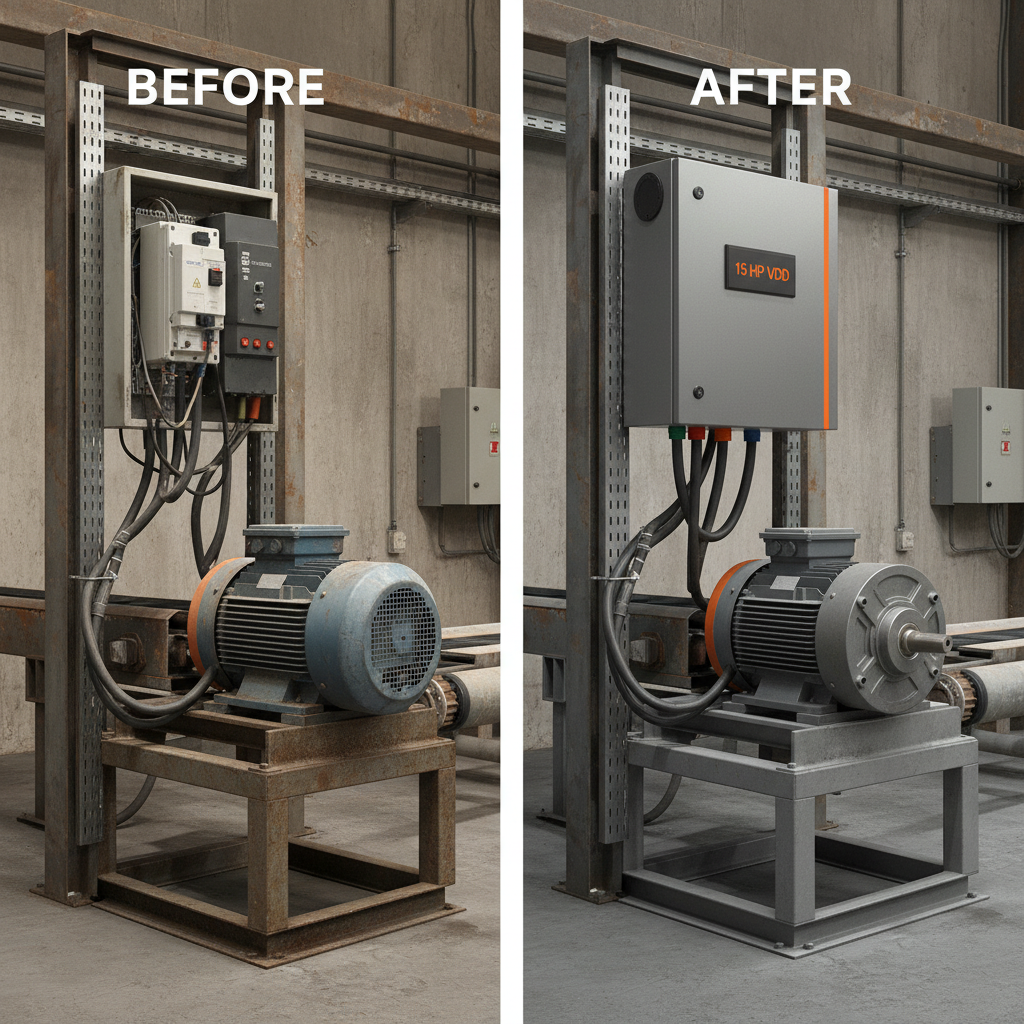
It’s also about protecting the motor. Soft starting and stopping, enabled by the vfd, drastically reduce the mechanical stress on the motor and connected equipment. That translates to fewer repairs, longer equipment life, and ultimately, lower total cost of ownership. From my experience, these are benefits that often outweigh the initial investment.
Key Components and Performance Factors
A good 1hp vfd isn't just a black box; there are key components that dictate performance and reliability. The rectifier converts AC to DC, the DC link filters and stabilizes the voltage, and the inverter converts the DC back to AC with the variable frequency. Understanding these stages is important.
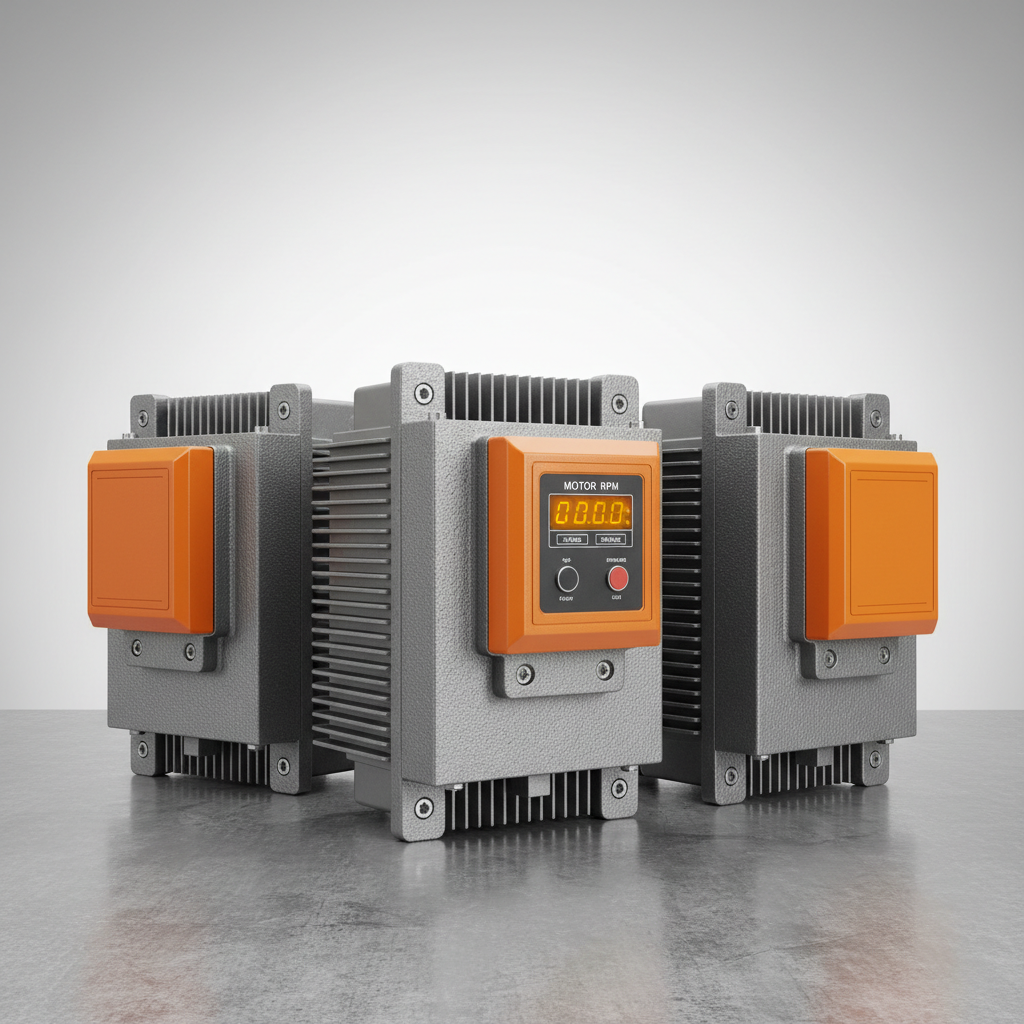
Key performance factors include input voltage tolerance, output frequency range, overload capacity, and built-in protection features. A robust vfd will have protection against overvoltage, undervoltage, overcurrent, and short circuits. Look for units with good heat dissipation – overheating is a common failure point.
1hp vfd Performance Metrics
Real-World Applications of 1hp vfd
I’ve seen 1hp vfds used in a crazy variety of applications. Small conveyor systems in packaging plants, ventilation fans in greenhouses, metering pumps for chemical dosing, even controlling the speed of a small milling machine. They're incredibly versatile.
In agricultural settings, they're used to optimize irrigation pump speeds based on soil moisture and weather conditions. In commercial buildings, they control HVAC fan speeds, saving energy and improving comfort. I recently worked on a project where we used a 1hp vfd to control the speed of a small screw conveyor, drastically reducing material spillage.
The Long-Term Value Proposition
The initial cost of a 1hp vfd is a factor, no doubt. But you’ve got to look at the total cost of ownership. Energy savings alone can often pay for the vfd within a year or two. Then there's the reduced maintenance costs – less stress on the motor means fewer repairs. And let’s not forget the increased process efficiency.
Beyond the numbers, there's a level of control and reliability that’s invaluable. Being able to fine-tune motor speeds, prevent downtime, and optimize performance—that’s worth a lot. It’s peace of mind knowing that your system is running smoothly and efficiently, and that you’re not going to get a call in the middle of the night because a motor burned out.
Future Trends and Innovations in 1hp vfd Technology
We're seeing a lot of innovation in this space. More compact designs, improved communication protocols (like Modbus and Ethernet/IP), and better integration with building automation systems. The development of more intelligent vfds, with built-in diagnostics and predictive maintenance capabilities, is also a big trend.
I’m also keeping an eye on the use of silicon carbide (SiC) and gallium nitride (GaN) semiconductors in vfd designs. These materials offer higher efficiency and smaller size, which is a game-changer. And with the increasing focus on sustainability, we're seeing more demand for energy-efficient vfds that can help reduce carbon emissions.
The future of 1hp vfd technology is about smarter, more connected, and more efficient motor control. It's about optimizing performance, reducing downtime, and building more sustainable systems.
Summary of Key Considerations for 1hp vfd Implementation
| Application Requirements |
Performance Metrics |
Installation Considerations |
Maintenance & Support |
| Pump Control (Variable Flow) |
8/10 (High Efficiency) |
Proper grounding & shielding |
Regular filter cleaning recommended |
| Conveyor Systems (Speed Control) |
7/10 (Consistent Speed) |
Motor proximity & ventilation |
Check fan operation annually |
| HVAC Fans (Energy Savings) |
9/10 (Significant Savings) |
Wiring to building management system |
Remote monitoring capabilities |
| Milling Machines (Precision Control) |
6/10 (Requires Tuning) |
EMC filtering is crucial |
Parameter backup & recovery |
| Metering Pumps (Chemical Dosing) |
7.5/10 (Accurate Dosing) |
Corrosion-resistant enclosure |
Calibrate output regularly |
| Small Compressors (Pressure Regulation) |
8/10 (Stable Pressure) |
Proper cooling required |
Inspect air filter monthly |
FAQS
Honestly, the control. A traditional starter just turns the motor on and off. A 1hp vfd lets you vary the speed, which saves energy, reduces wear and tear, and gives you much more precise control over your process. It's a world of difference in efficiency and reliability, and in the long run, pays for itself. Plus, the soft starting and stopping reduce mechanical stress on the equipment.
Prices can vary a lot, from around $200 to $800 or even higher, depending on features and brand. Key factors are the input/output voltage, the current rating, the communication options (like Modbus), and any built-in protection features. More sophisticated models with advanced control capabilities will naturally be more expensive. But remember to factor in the long-term savings when comparing costs.
Not necessarily. You need to make sure the vfd is compatible with the motor’s voltage and current requirements. Most 1hp vfds are designed for standard induction motors, but you may need a special vfd if you're using a synchronous motor or a motor with a different voltage rating. Always check the specifications carefully before connecting anything.
Generally, not a huge amount. Regularly cleaning the fan and filter to prevent overheating is important. Checking the input and output connections for tightness and corrosion is also a good idea. And, if the vfd has a display, periodically check for any error codes or warnings. Most modern vfds are pretty reliable, but preventative maintenance is always a good investment.
Absolutely. Vfds generate harmonic distortion, which can interfere with other electrical equipment. Proper grounding and shielding are essential. Also, be careful when working with the high-voltage DC link inside the vfd – it can be dangerous. Always disconnect power before performing any maintenance. And, of course, always follow the manufacturer’s instructions.
It varies depending on the application and energy costs, but typically, you can expect a payback period of 1 to 3 years. In some cases, especially with high-usage applications like pumps and fans, it can be even shorter. The energy savings, reduced maintenance costs, and increased process efficiency all contribute to the payback.
Conclusion
So, there you have it. A 1hp vfd isn’t just another piece of equipment; it’s a key component for optimizing performance, saving energy, and extending the life of your motors and machinery. From small-scale applications to larger industrial systems, the benefits are clear. It’s a technology that’s become indispensable in my line of work, and it’s only going to become more important as energy costs rise and the demand for automation increases.
Investing in a quality 1hp vfd is a smart move. Don’t just look at the upfront cost; consider the long-term savings and the improved reliability it offers. And if you're unsure where to start, don't hesitate to reach out to a qualified professional. We're here to help you build things right. Visit our website for more information and a selection of reliable 1hp VFDs.