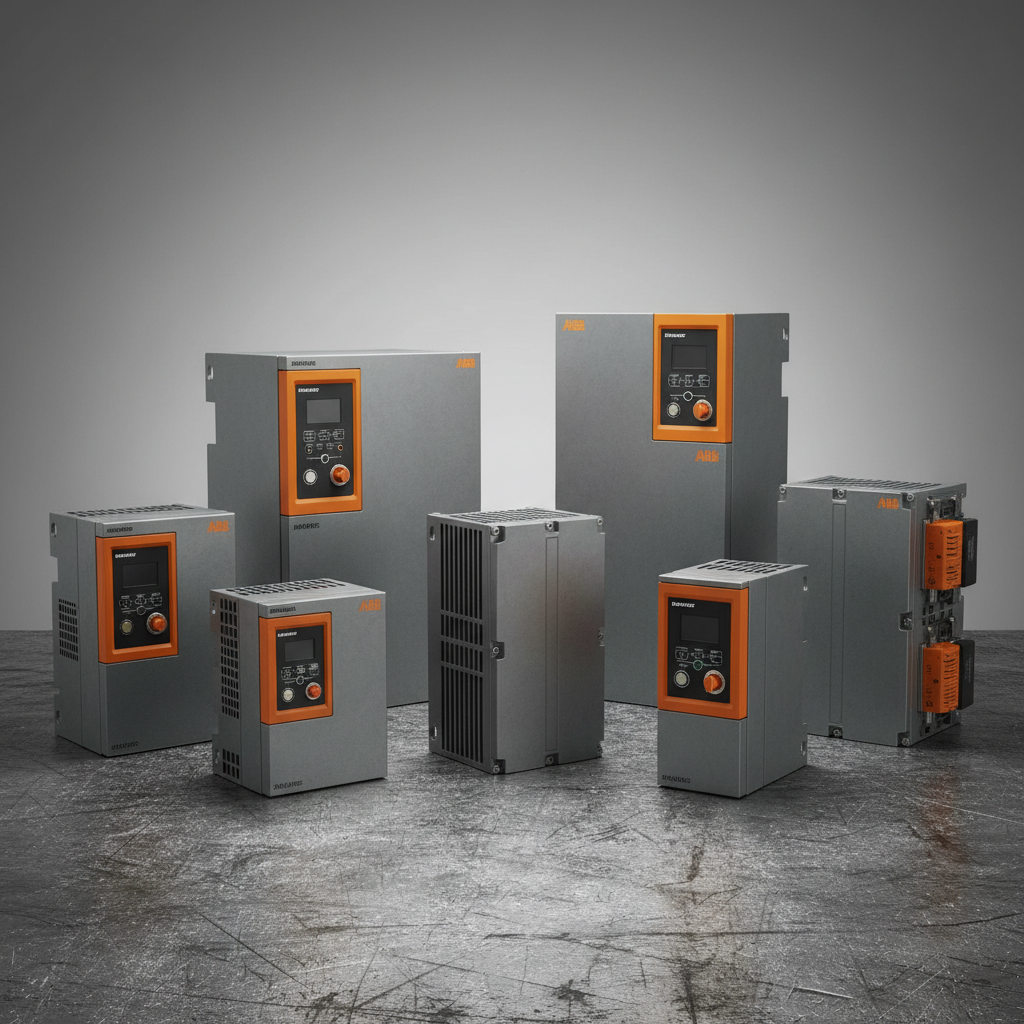
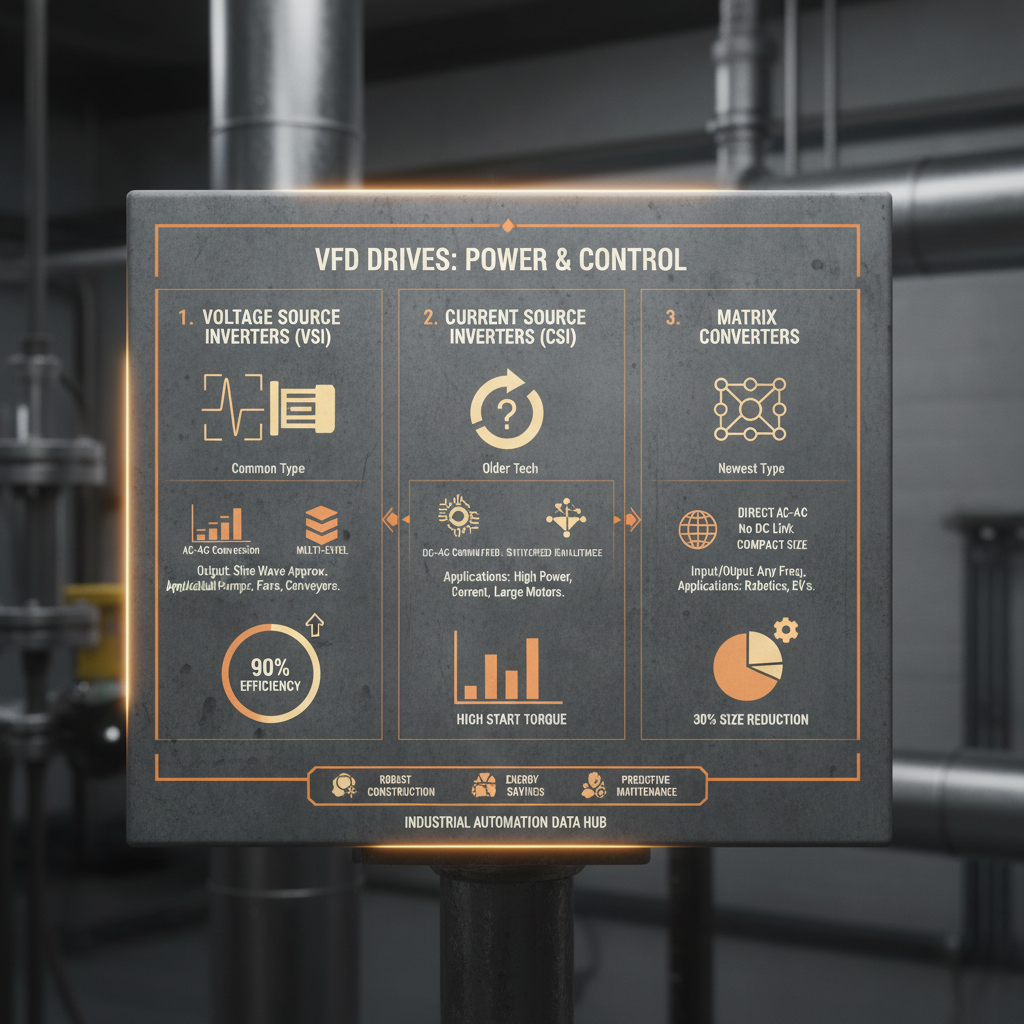
Variable Frequency Drives (vfd drives), often simply called VFDs, are revolutionizing industrial processes globally. These sophisticated devices control the speed of electric motors, offering unparalleled efficiency and precision. The increasing demand for energy conservation, coupled with the growth of automation across diverse sectors, fuels the widespread adoption of vfd drives. They are becoming indispensable in optimizing performance and reducing operational costs for businesses of all sizes.
The global market for vfd drives is experiencing substantial growth, driven by stringent energy regulations and the increasing need for process optimization. Reports from organizations like the International Energy Agency (IEA) highlight the significant potential of VFDs in reducing global energy consumption. Challenges such as the initial investment cost and the need for specialized knowledge are being addressed through technological advancements and increased availability of training programs.
Ultimately, understanding vfd drives is crucial for anyone involved in industrial automation, energy management, or process control. Their ability to enhance efficiency, reduce waste, and improve overall system performance makes them a cornerstone of modern industrial infrastructure, impacting everything from manufacturing and HVAC systems to water treatment and transportation.
Introduction to vfd drives
vfd drives have moved beyond simple motor speed control to become integral components of intelligent, energy-efficient systems. Their widespread adoption is revolutionizing a multitude of industries by offering precise control, reduced energy consumption, and extended equipment life. As businesses increasingly prioritize sustainability and operational efficiency, vfd drives are at the forefront of innovation.
The ability of vfd drives to modulate motor speed based on actual demand, rather than running at a constant speed, translates into significant energy savings. This is particularly crucial in applications with variable loads, such as pumps, fans, and compressors. Furthermore, the soft-starting capabilities of vfd drives reduce mechanical stress on equipment, leading to fewer breakdowns and lower maintenance costs.
Defining vfd drives
A vfd drive, or Variable Frequency Drive, is a type of motor controller that drives a three-phase AC induction motor by varying the frequency and voltage supplied to the motor. This control allows for precise speed and torque regulation, enabling optimized performance across a wide range of applications. Unlike traditional methods of motor control, such as mechanical gearboxes, vfd drives offer a continuous and seamless adjustment of speed.
The core function of a vfd drive is to convert AC power to DC power, and then back to AC power with a variable frequency. This conversion process enables the drive to tailor the motor’s speed to the specific requirements of the application. This not only enhances efficiency but also provides greater flexibility in process control.
In a world increasingly focused on sustainable practices, vfd drives play a pivotal role in reducing energy waste and minimizing environmental impact. By enabling motors to operate at optimal speeds, they contribute to a more responsible and efficient use of resources, aligning with global sustainability goals.
Core Components of vfd drives
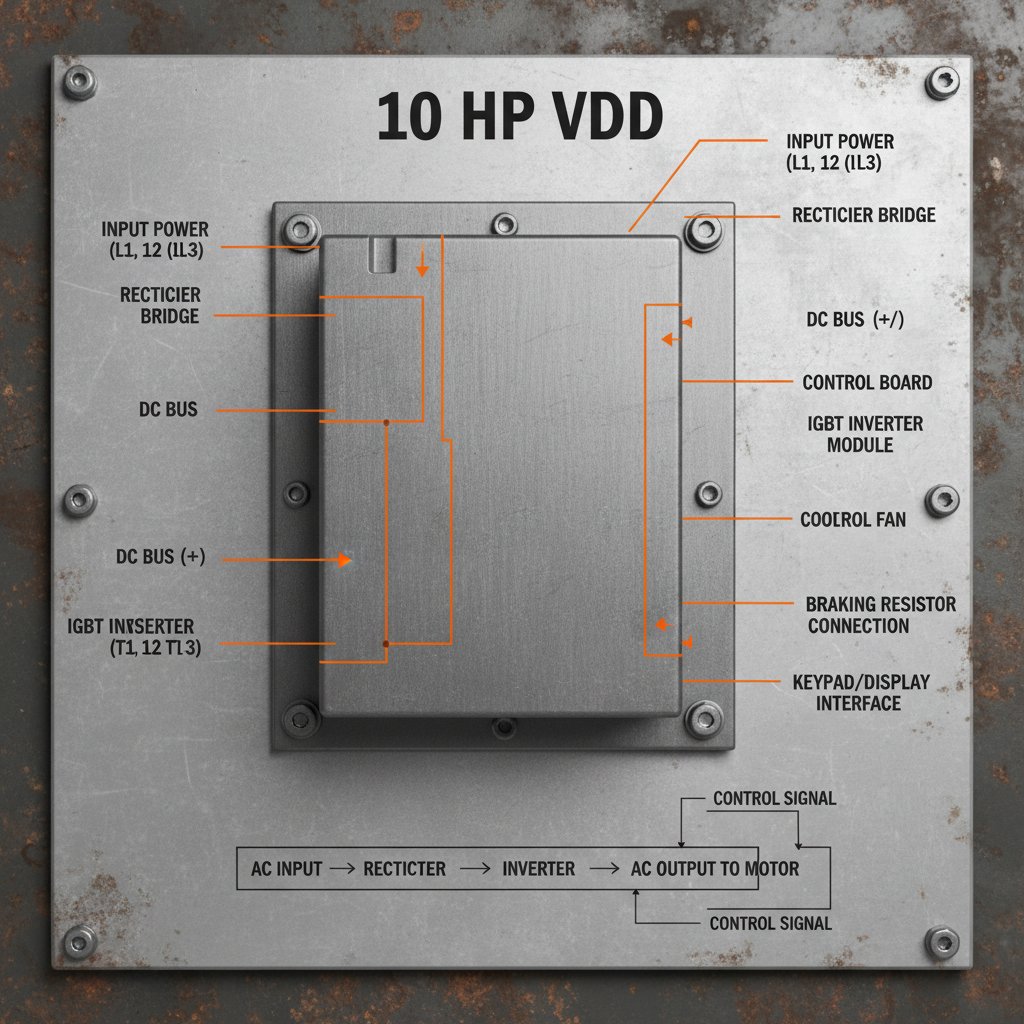
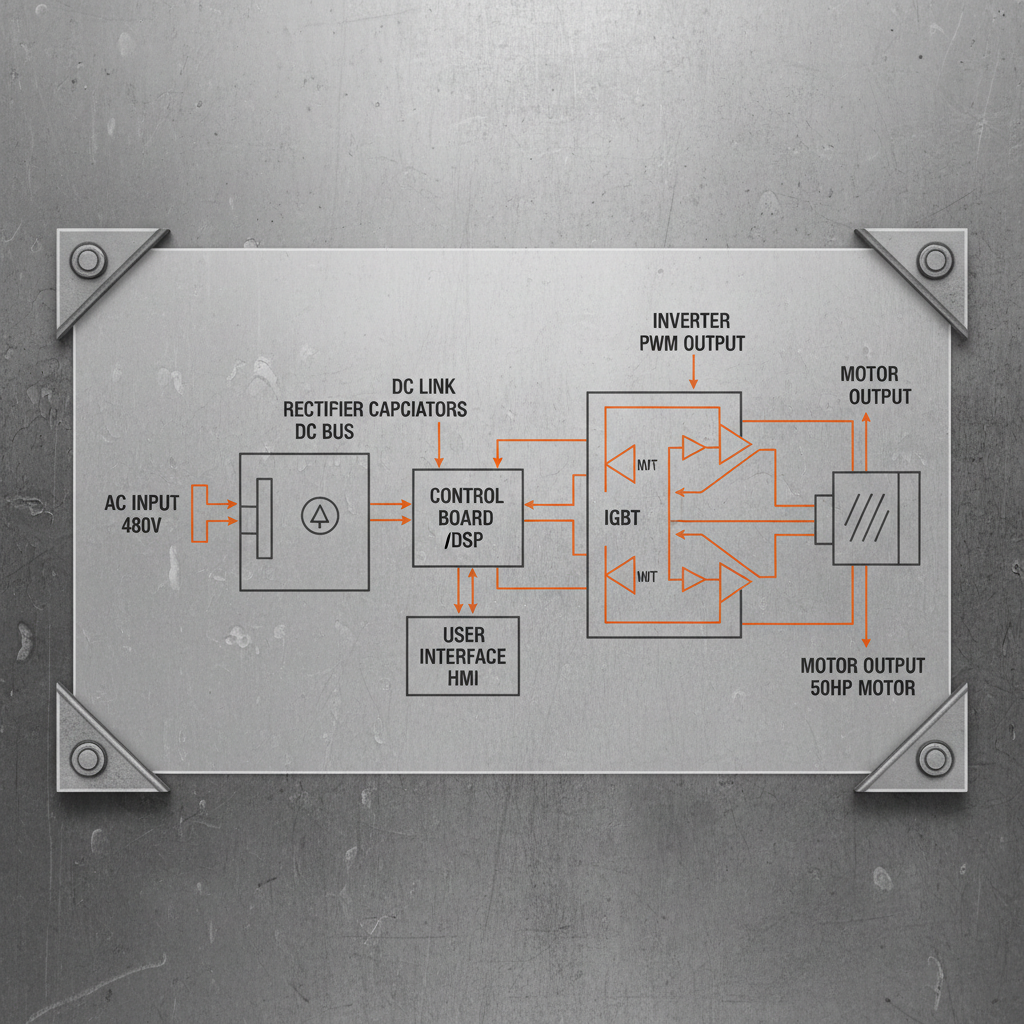
vfd drives are complex systems comprised of several key components working in harmony. These include the rectifier, which converts AC input to DC; the DC bus, which filters and stabilizes the DC voltage; the inverter, which converts DC back to AC with a variable frequency; and the control circuitry, which manages the entire process based on user inputs and feedback signals.
The rectifier section typically utilizes diodes or thyristors to achieve the AC-to-DC conversion. The DC bus employs capacitors to smooth out voltage fluctuations, providing a stable power source for the inverter stage. The inverter section, utilizing insulated-gate bipolar transistors (IGBTs), precisely controls the frequency and voltage of the output AC waveform.
The control circuitry, often based on a microprocessor or digital signal processor (DSP), is the brains of the vfd drive. It receives input signals from sensors, operators, and the motor itself, and uses this information to adjust the output frequency and voltage, ensuring optimal performance and protection.
Key Factors Influencing vfd drives Performance
Several key factors determine the effectiveness and longevity of a vfd drive. Durability, specifically the ability to withstand harsh environmental conditions and electrical stresses, is paramount. Scalability, the capacity to adapt to changing load requirements and future system expansions, is also critical.
Cost efficiency, encompassing both the initial purchase price and long-term operating costs (energy savings, maintenance), is a major consideration for businesses. Another essential factor is harmonic mitigation, which involves reducing unwanted harmonic distortion in the power supply to avoid interference with other equipment.
vfd drives Performance Metrics
Global Applications of vfd drives
vfd drives are deployed across a vast spectrum of industries worldwide. In manufacturing, they precisely control conveyor systems, pumps, and fans, optimizing production processes and reducing energy consumption. The water and wastewater treatment sector relies on vfd drives to regulate pump speeds, ensuring efficient water distribution and treatment.
HVAC systems in commercial and industrial buildings benefit immensely from vfd drives, allowing for precise temperature control and significant energy savings. In the oil and gas industry, they are used to control pumps and compressors, enhancing operational efficiency and safety. Even in renewable energy systems, vfd drives play a role in optimizing the performance of wind turbines and solar power plants.
Advantages and Long-Term Value of vfd drives
The advantages of implementing vfd drives extend far beyond immediate energy savings. Reduced mechanical stress on equipment translates into longer lifespans and lower maintenance costs. Improved process control enhances product quality and reduces waste. Furthermore, the ability to precisely match motor speed to load requirements minimizes energy consumption, contributing to a smaller carbon footprint.
From a long-term perspective, vfd drives offer a compelling return on investment. The initial cost is often offset by the accumulated savings in energy consumption and maintenance costs within a relatively short timeframe. Moreover, the increased reliability and improved process control contribute to enhanced productivity and profitability, solidifying their long-term value.
Future Trends in vfd drives Technology
The future of vfd drives is characterized by several exciting trends. Integration with the Industrial Internet of Things (IIoT) is enabling predictive maintenance and remote monitoring capabilities, maximizing uptime and minimizing disruptions. Advancements in power semiconductor technology, such as silicon carbide (SiC) and gallium nitride (GaN), are leading to more efficient and compact vfd drives.
The increasing demand for renewable energy sources is driving innovation in vfd drives designed for solar and wind power applications. Furthermore, the development of more sophisticated control algorithms and machine learning techniques is enabling even greater levels of precision and efficiency. These advancements are paving the way for smart, connected vfd drives that are capable of optimizing performance and adapting to changing conditions in real-time.
The move towards digitalization and Industry 4.0 standards requires vfd drives to become even more integrated within a plant’s automation infrastructure. Expect to see increased capabilities for data analytics, remote diagnostics, and seamless communication with other devices via standardized protocols.
FAQS
The payback period for a vfd drive installation can vary significantly depending on the application, energy costs, and operating hours. However, a typical payback period ranges from 6 months to 2 years. This is achieved through reduced energy consumption, lower maintenance costs, and increased process efficiency. A detailed energy audit can help determine the specific payback period for your application.
Determining the correct vfd drive size requires careful consideration of the motor’s horsepower (HP), voltage, and current requirements. It’s crucial to select a drive that can handle the motor’s full load current and voltage without being significantly oversized. Consult the motor’s nameplate data and refer to the vfd drive manufacturer’s sizing guide for accurate recommendations.
While vfd drives are primarily used with three-phase AC induction motors, they can also be used with some single-phase motors and synchronous motors, although the compatibility and performance may vary. It’s essential to verify the vfd drive’s compatibility with the specific motor type before installation.
Yes, vfd drives can generate electromagnetic interference (EMI) due to the rapid switching of power semiconductors. However, this interference can be mitigated through proper grounding, shielding, and the use of filters. Following the manufacturer’s recommendations for installation and shielding is crucial to minimize EMI.
Regular maintenance for vfd drives includes cleaning the heatsink to prevent overheating, checking the input and output connections for tightness, and inspecting the capacitors for any signs of bulging or leakage. Performing these routine checks can significantly extend the lifespan of the drive.
vfd drives can improve power factor by reducing the reactive power demand of the motor. By controlling the voltage and frequency supplied to the motor, the drive can minimize the magnetizing current, leading to a higher power factor. This reduces energy losses and improves the overall efficiency of the electrical system.
Conclusion
In conclusion, vfd drives represent a cornerstone technology for optimizing industrial processes, reducing energy consumption, and enhancing overall operational efficiency. From their core components to their diverse applications across industries worldwide, these devices offer a compelling return on investment and contribute to a more sustainable future. Understanding their capabilities and embracing their implementation is crucial for businesses looking to thrive in today’s competitive landscape.
As technology continues to advance, vfd drives will become even more integrated into smart, connected systems, enabling predictive maintenance, remote monitoring, and greater levels of control. Investing in vfd drives is not simply a technological upgrade; it is a strategic move towards a more efficient, reliable, and sustainable future. Visit our website at vfd drives to learn more about our products and solutions.