Variable speed drives (VSDs), also known as adjustable-speed drives (ASDs), are revolutionizing industrial processes and energy management globally. These sophisticated devices control the speed of electric motors, offering significant improvements in efficiency, precision, and reliability. Understanding VSD technology is crucial in a world increasingly focused on sustainable practices and optimized performance. They represent a core component of modern automation and contribute significantly to reducing energy consumption across a multitude of applications.
The global market for VSDs is experiencing substantial growth, driven by factors like stricter energy efficiency regulations, increasing automation in manufacturing, and the demand for more precise control in various processes. Reports from organizations like the International Energy Agency (IEA) estimate that VSDs have the potential to reduce global electricity consumption by several percentage points. This makes VSDs a critical technology for addressing climate change and enhancing industrial competitiveness. The versatility of a variable speed drive makes it an attractive solution across diverse industries.
The adoption of VSDs isn’t simply about energy savings; it’s about enhancing the performance and lifespan of equipment, reducing maintenance costs, and improving product quality. Challenges like inefficient motor control and the need for precise speed regulation are effectively addressed by implementing VSDs in operations. From optimizing pump and fan systems to enhancing the performance of conveyor belts and compressors, VSDs offer a compelling solution for a wide range of industrial challenges.
Introduction to Variable Speed Drives
A variable speed drive is much more than just a motor controller; it's a sophisticated system designed to optimize performance and reduce waste. The benefits extend beyond simple energy conservation to include increased process control, reduced mechanical stress on equipment, and extended asset lifecycles. By tailoring motor speed to the specific demands of the application, VSDs allow businesses to achieve significant operational improvements.
The prevalence of variable speed drives continues to expand as industries realize the comprehensive value proposition they offer. From water treatment plants and HVAC systems to manufacturing lines and mining operations, VSDs are becoming an indispensable part of modern infrastructure. This widespread adoption underscores their importance in a rapidly evolving industrial landscape.
Defining Variable Speed Drive Technology
In the simplest terms, a variable speed drive is an electronic device that controls the rotational speed of an electric motor. Unlike traditional motor control methods that often operate at a fixed speed, VSDs allow for dynamic adjustment of motor speed to match the precise requirements of the application. This is achieved by varying the frequency and voltage supplied to the motor.
This ability to control speed is fundamental to modern industrial processes. Traditionally, mechanical methods like gears and pulleys were used to adjust speed, but these were often inefficient and inflexible. VSDs provide a far more precise and adaptable solution, making them integral to automated systems. They bridge the gap between the constant output of an electrical grid and the varying demands of real-world applications.
The connection to modern industry and humanitarian needs is profound. VSDs are vital in applications ranging from supplying clean water in developing countries (controlling pump speeds) to optimizing manufacturing processes for increased productivity and reduced waste. They contribute to more sustainable practices and improved quality of life.
Core Components and Factors of VSDs
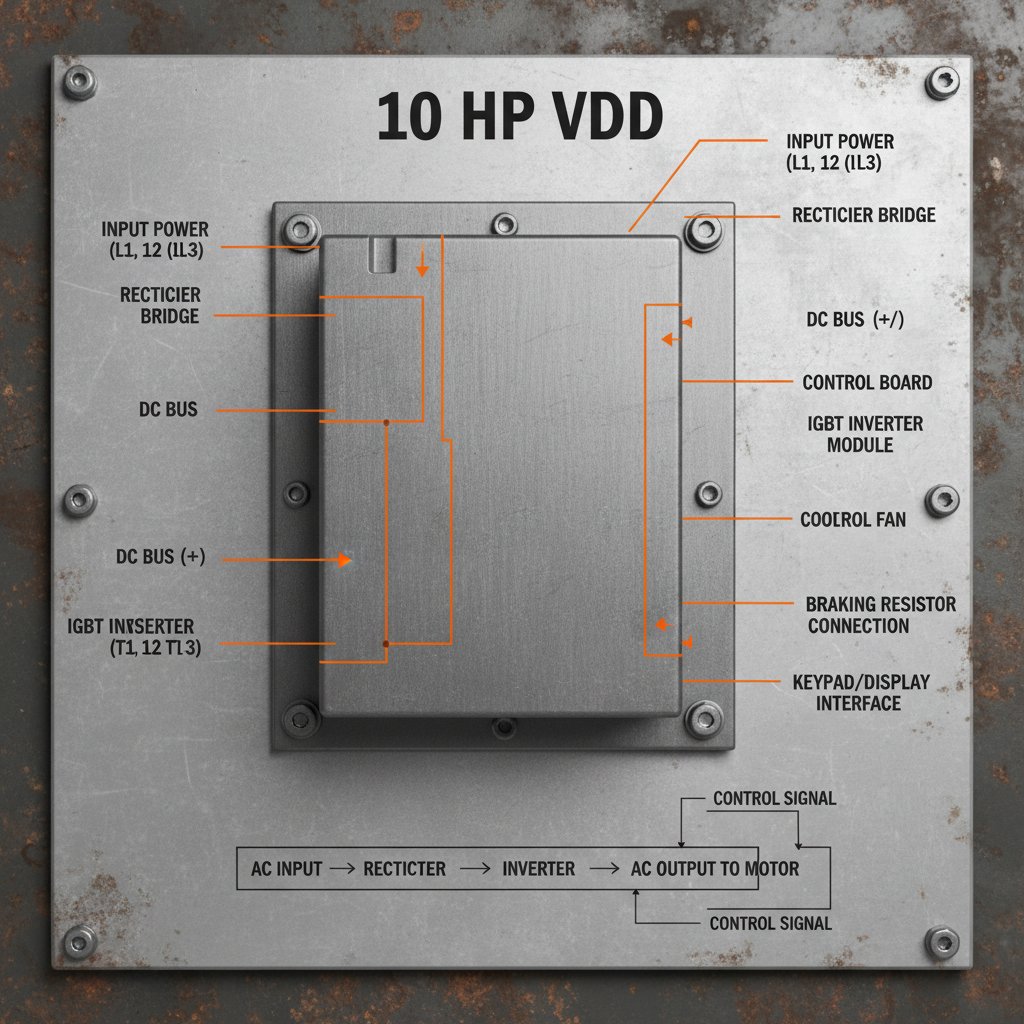
Several core components contribute to the functionality and performance of a variable speed drive. These include the rectifier, which converts AC power to DC power; the DC link, which filters and smooths the DC voltage; the inverter, which converts DC power back to AC power at a variable frequency; and the control circuit, which regulates the entire process. The quality and design of each of these components directly impact the overall effectiveness of the VSD.
Durability is a crucial factor, especially in harsh industrial environments. VSDs must be able to withstand temperature fluctuations, humidity, and vibration. Scalability is also important, as businesses may need to expand their systems over time. Cost efficiency, encompassing both initial investment and long-term operating costs, is a key consideration for many buyers.
Furthermore, harmonic distortion, generated by the switching of power electronic components, can be a significant concern. Proper filtering and mitigation techniques are essential to prevent interference with other equipment. The efficiency of the VSD itself, measured as the ratio of output power to input power, is also a critical performance metric.
Real-World Applications of Variable Speed Drives
The applications of variable speed drives are remarkably diverse. In the water and wastewater industry, VSDs are used to control pump speeds, optimizing water flow and reducing energy consumption. HVAC systems benefit from VSDs by enabling precise control of fan speeds, leading to improved comfort and energy savings. Manufacturing processes, such as conveyor systems and packaging machines, rely on VSDs for precise speed control and synchronization.
Across the globe, various regions and industries are leveraging the benefits of VSDs. In Europe, stringent energy efficiency regulations are driving the adoption of VSDs in numerous industrial applications. In North America, the oil and gas industry utilizes VSDs to optimize pump and compressor performance. Developing countries are increasingly adopting VSDs in water infrastructure projects to address water scarcity and improve access to clean water.
Variable Speed Drive Application Breakdown
Advantages and Long-Term Value Proposition
The advantages of adopting a variable speed drive are substantial. Tangible benefits include reduced energy consumption, lower operating costs, and minimized maintenance requirements. These savings translate directly into improved profitability for businesses. The sustainability aspect is also significant, as reduced energy consumption leads to a lower carbon footprint.
Beyond the financial and environmental benefits, VSDs offer emotional and logical advantages. Improved process control enhances product quality and customer satisfaction. Increased reliability minimizes downtime and enhances operational efficiency. Investing in VSD technology demonstrates a commitment to innovation, safety, and responsible environmental stewardship.
Future Trends and Innovation in VSDs
The future of VSD technology is bright, with several exciting trends on the horizon. Integration with the Industrial Internet of Things (IIoT) will enable remote monitoring, predictive maintenance, and optimized performance. Advancements in power electronics, such as silicon carbide (SiC) and gallium nitride (GaN) semiconductors, will lead to smaller, more efficient, and more reliable VSDs.
Furthermore, the increasing emphasis on green energy and sustainable practices will drive demand for VSDs compatible with renewable energy sources. Digital transformation and automation initiatives will further accelerate the adoption of VSDs across various industries. These innovations will reshape the landscape of industrial automation and energy management.
Challenges and Solutions in VSD Implementation
Despite the numerous benefits, implementing VSDs can present certain challenges. Harmonic distortion, as previously mentioned, requires careful mitigation. Proper motor selection and compatibility are crucial for optimal performance. The initial investment cost can be a barrier for some businesses.
However, these challenges can be overcome with careful planning and expert guidance. Harmonic filters can effectively reduce distortion. Selecting the right VSD and motor combination is essential. Government incentives and energy savings programs can help offset the initial investment cost. Proper training and maintenance are also critical for maximizing the lifespan and performance of VSDs.
A key solution lies in advanced diagnostics and predictive maintenance capabilities, enabled by IIoT connectivity, allowing for early detection of potential issues and minimizing downtime. Collaborating with experienced variable speed drive suppliers is also vital for seamless integration and optimal system performance.
Overview of Variable Speed Drive Implementation Considerations
| Challenge |
Mitigation Strategy |
Implementation Difficulty (1-10) |
Cost Impact (Low, Medium, High) |
| Harmonic Distortion |
Installation of Harmonic Filters |
6 |
Medium |
| Motor Compatibility |
Careful Motor Selection & Testing |
4 |
Low |
| Initial Investment Cost |
Leveraging Energy Efficiency Incentives |
7 |
High |
| System Integration Complexity |
Partnering with Experienced Integrators |
5 |
Medium |
| Operator Training |
Comprehensive Training Programs |
3 |
Low |
| Preventive Maintenance Scheduling |
Implementing a Condition Monitoring System |
5 |
Medium |
FAQS
Variable speed drives offer numerous benefits, including significant energy savings, improved process control, reduced mechanical stress on equipment, and extended asset lifespan. By precisely matching motor speed to the application's requirements, VSDs minimize energy waste and enhance operational efficiency. They also allow for smoother starts and stops, reducing wear and tear on connected machinery, ultimately leading to lower maintenance costs and increased productivity.
VSDs significantly reduce energy consumption, particularly in applications with variable loads like pumps and fans. Traditional motor control methods often run motors at full speed, even when the full output isn't needed, wasting energy. VSDs adjust the motor speed to match the load, reducing energy consumption proportionally. In many cases, energy savings of 30-50% are achievable, leading to substantial cost reductions and a lower carbon footprint.
The lifespan of a variable speed drive typically ranges from 10 to 20 years, depending on factors like operating conditions, maintenance practices, and the quality of the drive itself. Regular maintenance, including cleaning and inspections, can extend the lifespan considerably. Proper ventilation and protection from harsh environments are also crucial. Investing in a high-quality VSD from a reputable manufacturer is also key to longevity.
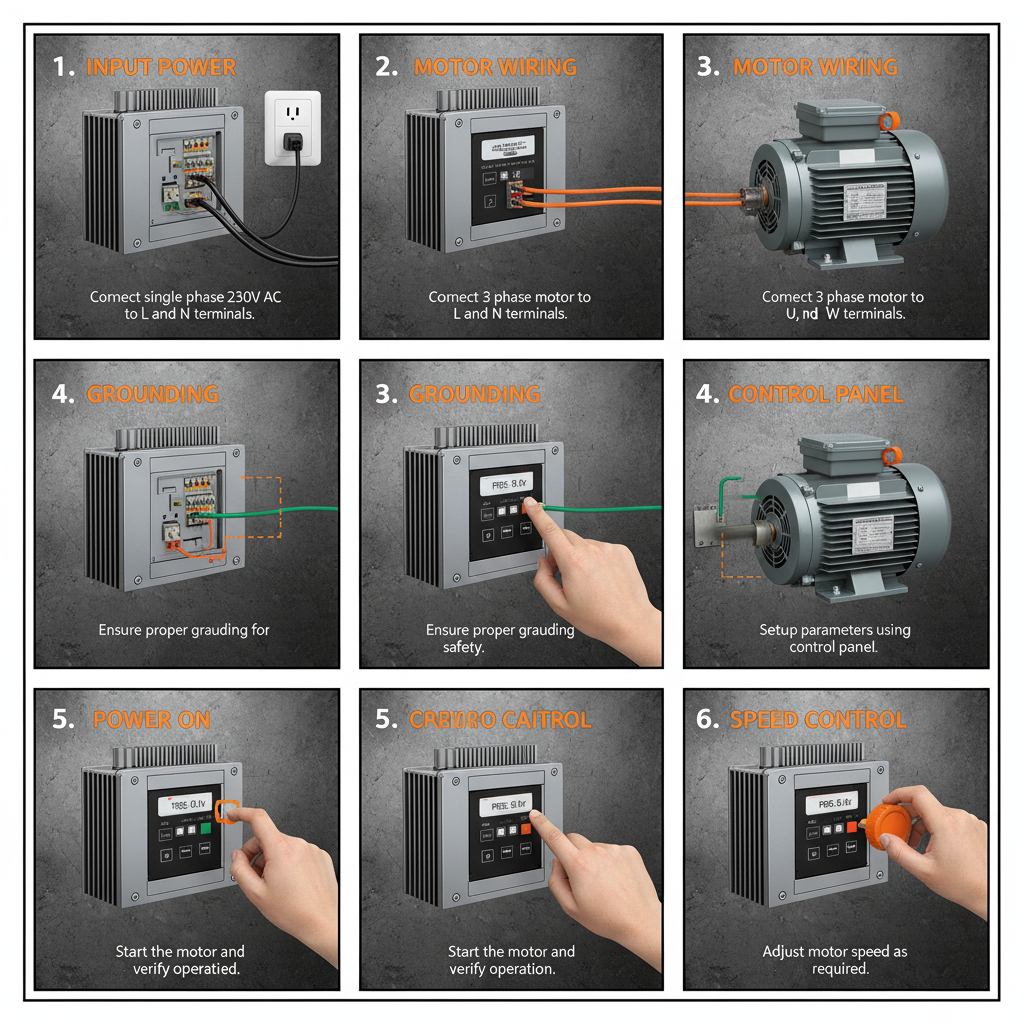
Installation and maintenance of VSDs can vary depending on the complexity of the system. While some installations may require specialized expertise, many VSDs are designed for relatively straightforward installation. Regular maintenance typically involves basic inspections, cleaning, and monitoring of key parameters. However, it’s essential to follow manufacturer’s guidelines and utilize qualified technicians for more complex repairs or troubleshooting.
A wide range of industries benefit from VSD implementation, including water and wastewater treatment, HVAC, manufacturing, oil and gas, mining, food and beverage, and transportation. Any application involving electric motors with variable loads is a potential candidate for a VSD. The industries highlighted consistently see substantial gains in energy efficiency and process control.
Selecting the right VSD requires careful consideration of several factors, including motor horsepower, voltage, load characteristics, and environmental conditions. Consulting with a VSD supplier or a qualified engineer is highly recommended. They can assess your specific needs and recommend a drive that meets your requirements and ensures optimal performance and reliability. Be sure to factor in future expansion and potential changes in your process.
Conclusion
Variable speed drives represent a pivotal technology for enhancing energy efficiency, optimizing industrial processes, and promoting sustainability. From reducing energy consumption and lowering operating costs to improving product quality and extending equipment lifespan, the benefits are compelling and far-reaching. As industries continue to prioritize sustainability and automation, the adoption of VSDs will undoubtedly accelerate.
Looking ahead, the integration of VSDs with emerging technologies like IIoT and advancements in power electronics will unlock even greater potential. By embracing innovation and investing in VSD technology, businesses can position themselves for long-term success in a rapidly evolving industrial landscape. Visit our website at www.tianjinyongkai.com to learn more about our comprehensive range of variable speed drive solutions and how we can help you optimize your operations.