Tianjin Yongkai International Trade Co., Ltd.
0%

Table of Contents

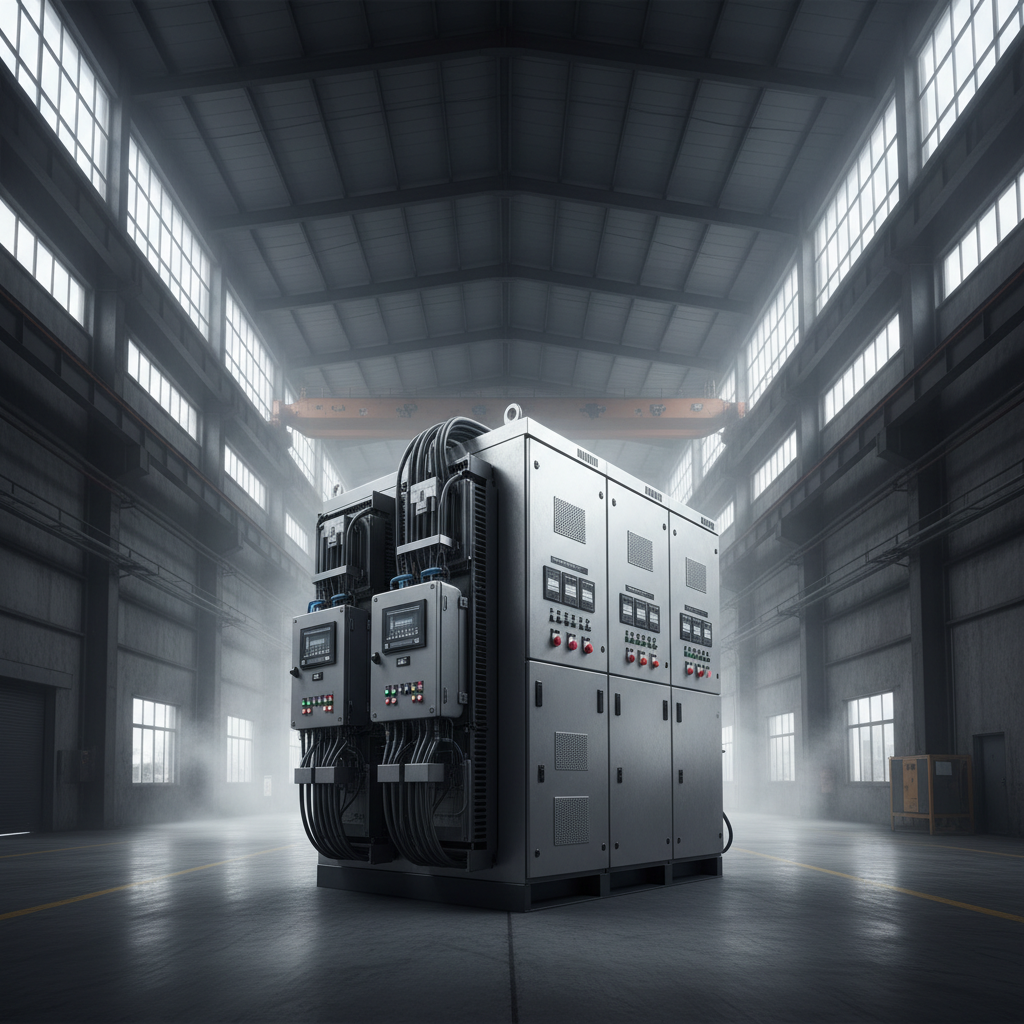
The increasing demand for efficient and reliable motor control solutions has driven the adoption of Variable Frequency Drives (VFDs) across numerous industries. A 10 hp vfd represents a critical component in optimizing performance, reducing energy consumption, and extending the lifespan of electric motors. Understanding its principles and applications is essential for professionals and businesses looking to enhance their operational efficiency and sustainability. This article provides a comprehensive overview of 10 hp VFDs, their benefits, and future trends.

Globally, industries are facing growing pressure to minimize energy waste and improve productivity. The implementation of 10 hp VFD technology is a key strategy in achieving these goals. According to the U.S. Department of Energy, VFDs can save up to 70% of energy in certain applications. This makes them a cornerstone of energy efficiency initiatives worldwide, particularly in sectors like manufacturing, HVAC, and water treatment. The economic and environmental benefits of widespread adoption are substantial.

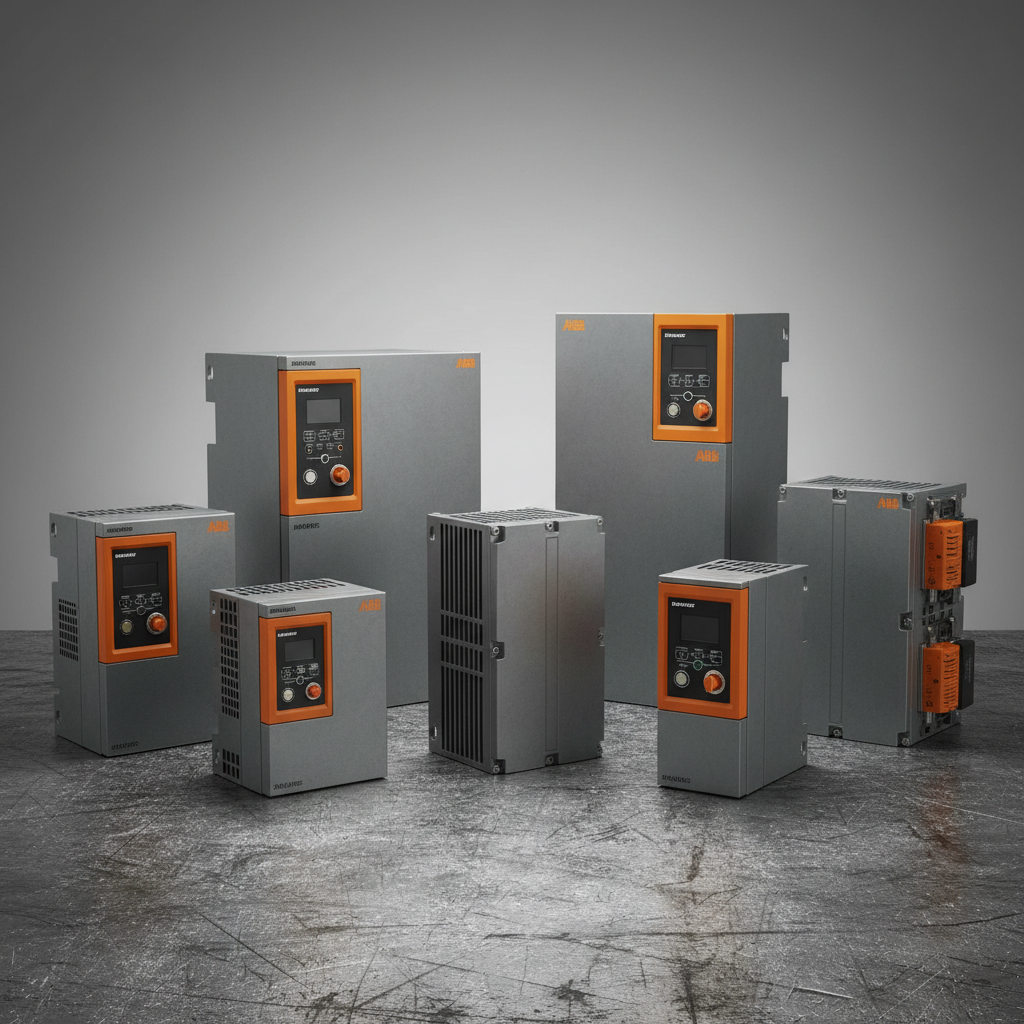
A 10 hp vfd, or Variable Frequency Drive, is an electronic device used to control the speed of an electric motor by varying the frequency and voltage supplied to the motor. It’s essentially a type of power converter that enables precise motor control, resulting in improved process efficiency and reduced energy costs. This technology is crucial in modern industrial automation, enabling more precise and responsive control compared to traditional mechanical methods.
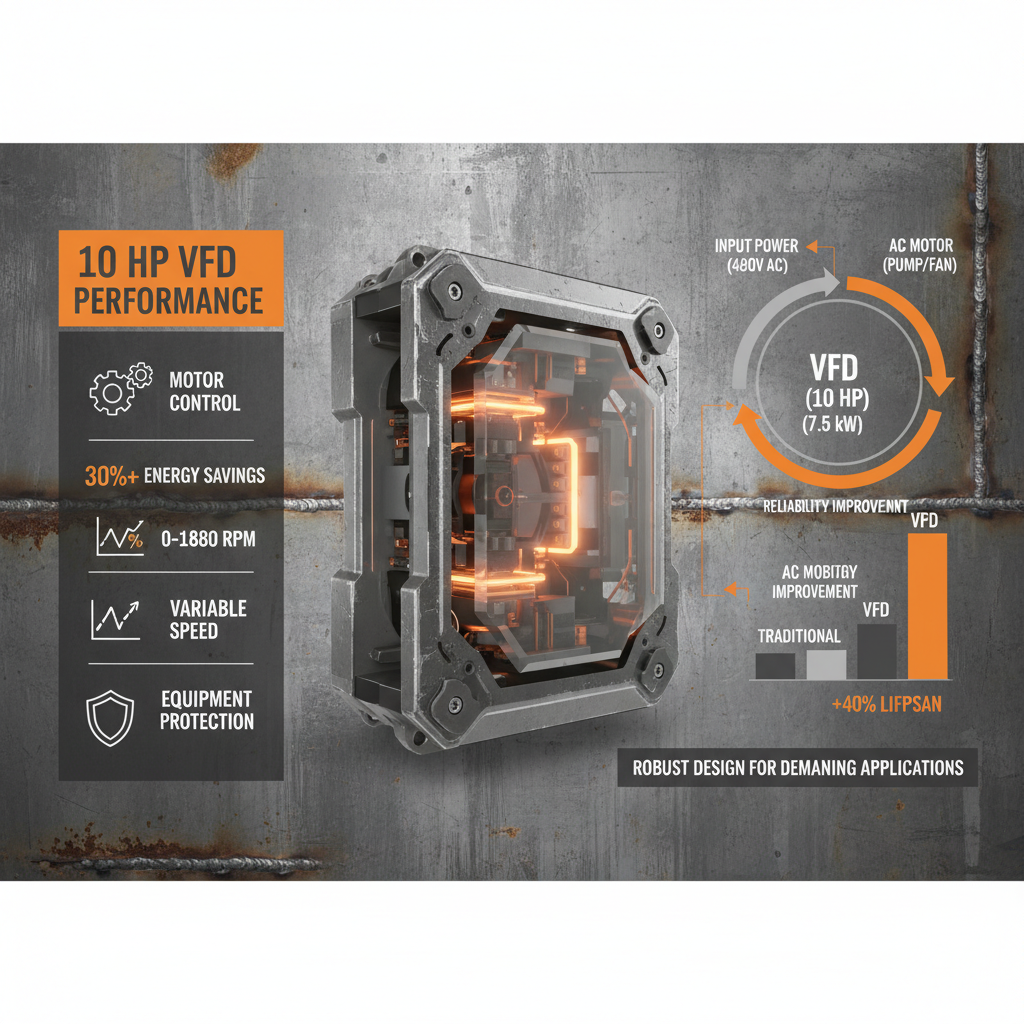
Optimizing Industrial Performance with a Reliable 10 hp VFD Solution

The Core Principles of 10 hp VFD Technology

Optimizing Industrial Performance with a Reliable 10 hp VFD Solution

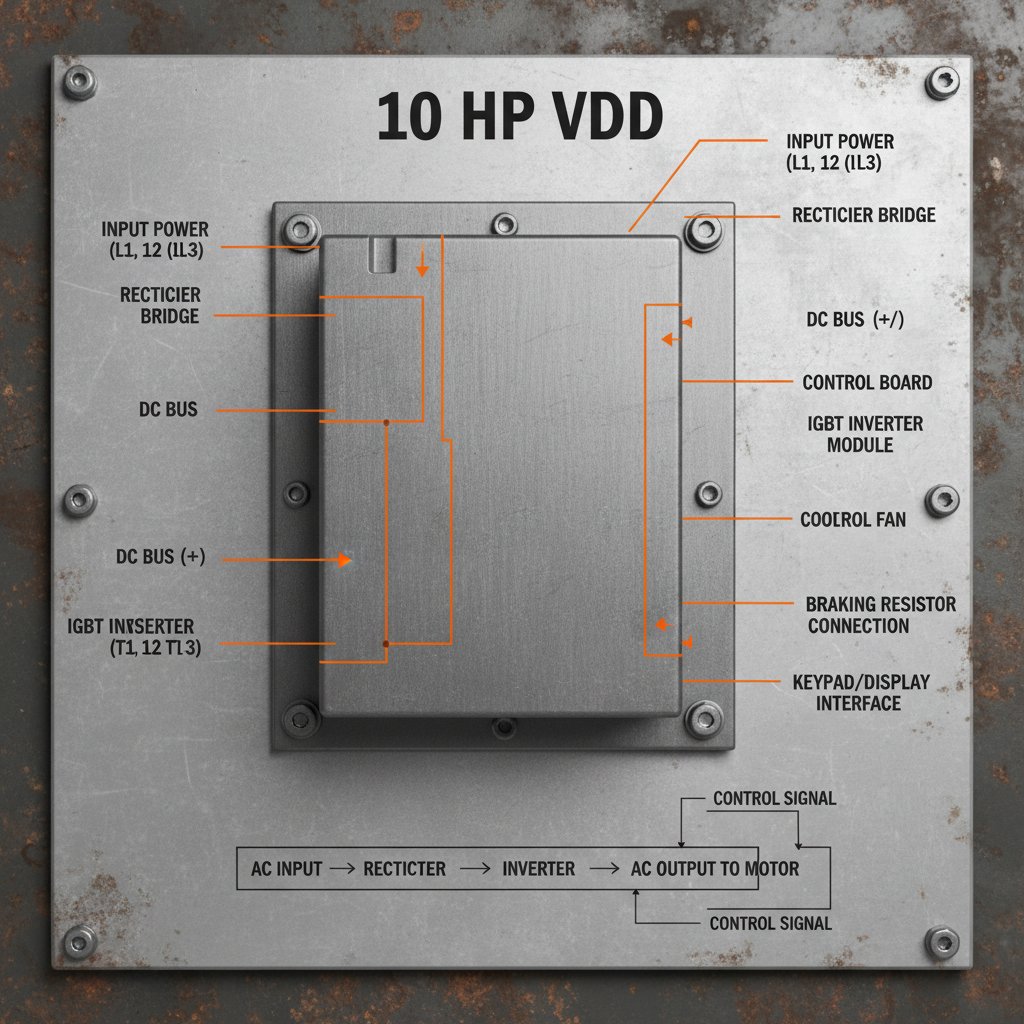
At its core, a 10 hp vfd utilizes power electronic components like rectifiers, DC link capacitors, and inverters to convert AC power into variable frequency AC power. This allows precise control over the motor's speed and torque. The rectifier converts the incoming AC power into DC power, which is then filtered and stored in the DC link capacitor. Finally, the inverter converts the DC power back into AC power, but with a variable frequency and voltage.

The ability to adjust both frequency and voltage is critical. By lowering the frequency, the motor's speed decreases, reducing energy consumption and wear and tear. This is particularly beneficial in applications where full speed isn't always required, such as pumps, fans, and compressors. The precise control offered by a 10 hp vfd significantly improves process efficiency and overall system reliability.

Global Relevance and Industry Context

The global market for VFDs is experiencing substantial growth, driven by increasing energy costs, stringent environmental regulations, and the expanding adoption of industrial automation. Industries such as oil and gas, power generation, mining, and manufacturing are leading the charge in VFD implementation. According to a recent report by Market Research Future, the global VFD market is projected to reach USD 9.8 billion by 2027, growing at a CAGR of over 6%.

This growth is particularly pronounced in emerging economies, where infrastructure development and industrial expansion are accelerating. China, India, and Southeast Asian countries are witnessing a significant increase in VFD adoption as businesses strive to improve energy efficiency and reduce operational costs. The availability of cost-effective 10 hp vfd solutions is further fueling this trend.

The need to comply with international standards and regulations related to energy conservation is also a major driver. Organizations like the International Organization for Standardization (ISO) are promoting the use of energy-efficient technologies, including VFDs, to reduce carbon emissions and promote sustainable industrial practices.

Defining a 10 hp VFD: A Detailed Explanation

A 10 hp VFD is specifically designed to control motors with a power rating of 10 horsepower. This means it can efficiently manage and regulate the speed of motors typically used in applications like pumps, conveyors, and smaller machinery. The 'hp' (horsepower) rating indicates the motor’s power output capacity, and the VFD must be appropriately sized to handle this power level.

Selecting the correct VFD for a 10 hp motor requires careful consideration of the motor's voltage, current, and application requirements. Factors like duty cycle (the percentage of time the motor is running) and load characteristics also play a crucial role. Utilizing an undersized VFD can lead to overheating and failure, while an oversized VFD can be less efficient and more expensive.

Beyond basic speed control, a 10 hp vfd often incorporates features such as overload protection, adjustable acceleration and deceleration rates, and communication interfaces for integration with automation systems. These advanced features enhance system reliability and provide greater control over the motor’s operation.

Key Factors Influencing 10 hp VFD Performance

Several key factors influence the performance and reliability of a 10 hp vfd. These include the drive’s switching frequency, harmonic distortion, cooling efficiency, and input/output power quality. A higher switching frequency generally results in smoother motor operation but can also increase heat generation.

Minimizing harmonic distortion is critical, as harmonics can cause interference with other electrical equipment and reduce power quality. Effective filtering and appropriate VFD design are essential to mitigate harmonic issues. Furthermore, efficient cooling systems are necessary to dissipate heat generated by the power electronics, ensuring the VFD operates within its optimal temperature range.

10 hp VFD Performance Metrics


Practical Applications of 10 hp VFD Across Industries

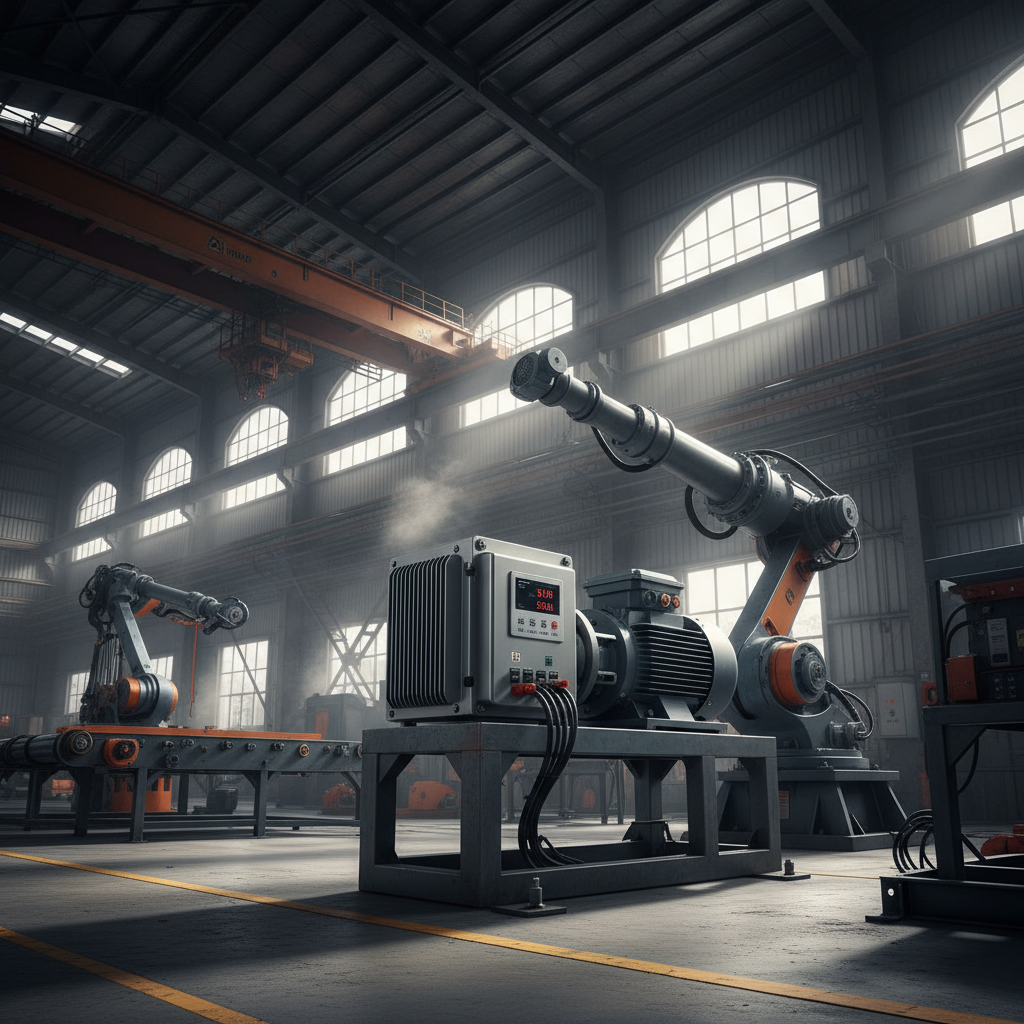
10 hp VFD solutions find widespread application in diverse industries. In the water and wastewater treatment sector, they are used to control pumps and fans, optimizing flow rates and reducing energy consumption. In the HVAC industry, VFDs regulate fan speeds in air handling units, providing precise temperature control and energy savings.

Manufacturing facilities employ 10 hp VFD for controlling conveyor systems, mixers, and other machinery, enhancing process efficiency and product quality. Additionally, they are used in the food and beverage industry to regulate pump and motor speeds in processing lines, ensuring consistent operation and hygiene.

Advantages and Long-Term Value of 10 hp VFDs

The advantages of implementing a 10 hp vfd extend far beyond simple energy savings. Reduced mechanical stress on motors and driven equipment leads to increased lifespan and lower maintenance costs. Precise speed control optimizes process efficiency, improving product quality and reducing waste.

Furthermore, VFDs enhance system reliability by providing protection against overloads, voltage fluctuations, and other electrical disturbances. The long-term value is realized through reduced operating costs, improved productivity, and a smaller environmental footprint. This translates into a significant return on investment for businesses.

Future Trends and Innovations in 10 hp VFD Technology

The future of 10 hp vfd technology is focused on increased efficiency, intelligence, and connectivity. Developments in wide bandgap semiconductors, such as silicon carbide (SiC) and gallium nitride (GaN), are enabling the creation of more compact, efficient, and reliable VFDs.

Integration with Industrial Internet of Things (IIoT) platforms is also gaining momentum, allowing for remote monitoring, predictive maintenance, and data-driven optimization. Artificial intelligence (AI) algorithms are being incorporated into VFDs to enhance performance and automate control processes.

The trend towards sustainable energy solutions is driving the development of VFDs optimized for use with renewable energy sources, such as solar and wind power, further reducing carbon emissions and promoting environmental responsibility.

FAQS

What is the typical lifespan of a 10 hp VFD?

The lifespan of a 10 hp VFD typically ranges from 10 to 15 years, depending on operating conditions, maintenance, and the quality of the components. Proper installation, regular cleaning, and adherence to manufacturer recommendations can significantly extend its lifespan. Factors like ambient temperature, humidity, and dust levels can impact longevity.

How do I choose the right 10 hp VFD for my motor?

Selecting the correct VFD involves matching the motor’s horsepower, voltage, and current ratings. Consider the load type (constant torque, variable torque, etc.) and duty cycle. Ensure the VFD’s enclosure is suitable for the operating environment. Consulting with a VFD specialist can help ensure compatibility and optimal performance.

What are the common causes of 10 hp VFD failure?

Common failure points include overheating due to inadequate cooling, capacitor degradation, and component failure due to voltage spikes or surges. Dust accumulation, humidity, and improper grounding can also contribute to failure. Regular inspections and preventive maintenance are crucial for minimizing downtime.

Can a 10 hp VFD be used with multiple motors?

Generally, a single 10 hp VFD is designed to control one 10 hp motor. While it may be possible to control multiple smaller motors with a larger VFD, this is not recommended unless specifically designed for multi-motor operation. Using a VFD with multiple motors can lead to overload and reduced performance.

What is the difference between a standard and a harmonic filter VFD?

Standard VFDs generate harmonic distortion, which can impact power quality. Harmonic filter VFDs incorporate filtering technology to mitigate these harmonics, reducing interference with other equipment and improving overall power system performance. They are often required in applications with sensitive electronic devices.

How does a 10 hp VFD contribute to energy savings?

A 10 hp VFD optimizes motor speed to match the actual load requirements, preventing the motor from running at full speed when it’s not necessary. This reduces energy consumption significantly, particularly in applications like pumps and fans where load varies. It also reduces mechanical stress and wear, further contributing to long-term cost savings.

Conclusion

In conclusion, a 10 hp vfd represents a powerful and versatile solution for optimizing motor control, enhancing energy efficiency, and improving overall system reliability. Its widespread adoption across diverse industries underscores its importance in modern industrial automation. From reducing energy costs to extending equipment lifespan, the benefits are substantial and far-reaching.

As technology continues to advance, we can expect to see even more innovative features and capabilities integrated into 10 hp VFD solutions, driving further improvements in performance and sustainability. Embracing these advancements is crucial for businesses seeking to maintain a competitive edge and contribute to a greener future. Visit our website at www.tianjinyongkai.com to explore our range of VFD solutions and learn how we can help you optimize your operations.

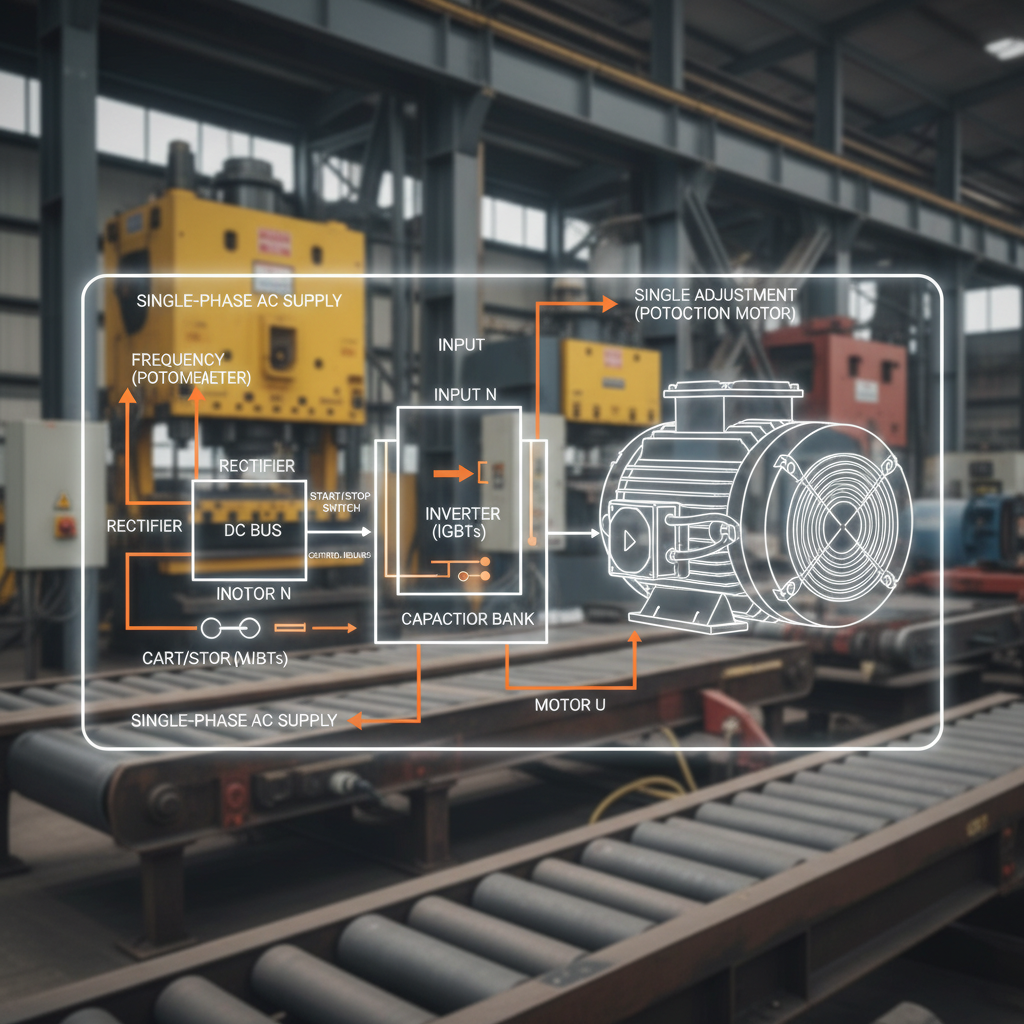
David Miller

David Miller

David Miller serves as the North American Sales Manager for Tianjin Yongkai International Trade Co., Ltd. He brings over 15 years of experience in international trade, specializing in electromechanical equipment. Prior to joining Yongkai, David held key positions at several US-based industrial suppliers, building strong relationships with clients in various
Previous Revolutionizing Motor Control with Single Phase to 3 Phase VFD Technology
Next Advanced VFD Controller Solutions for Energy Efficiency and Process Control

If you are interested in our products, you can choose to leave your information here, and we will be in touch with you shortly.


vfd manufacturers in china