Comprehensive Guide to Siemens PLC Expansion Module Solutions for Automation
Understanding Siemens PLC Expansion Module Solutions
In the realm of industrial automation, Siemens Programmable Logic Controllers (PLCs) are renowned for their reliability and performance. As automation systems evolve and grow, the need for increased I/O capabilities becomes paramount. This is where Siemens PLC expansion modules come into play, offering a scalable and cost-effective solution to enhance your PLC system. They enable you to expand the functionality of existing PLCs without the need for a complete system overhaul. This article provides a comprehensive overview of Siemens PLC expansion modules, covering their types, applications, benefits, and key considerations for selection.

Types of Siemens PLC Expansion Modules
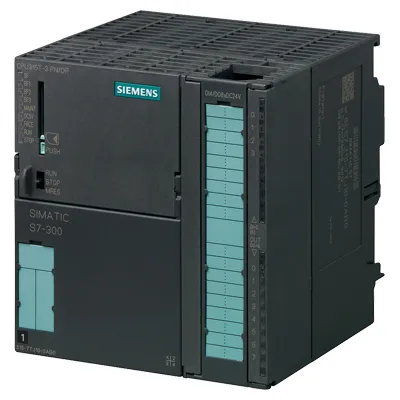
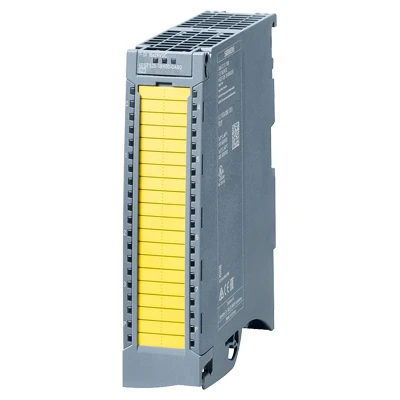
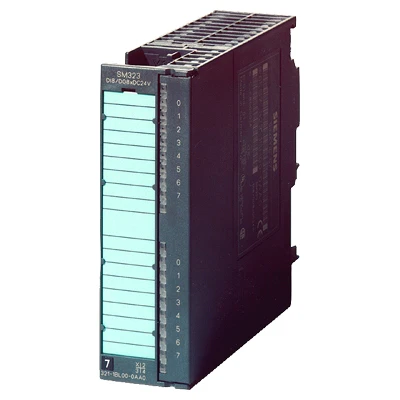
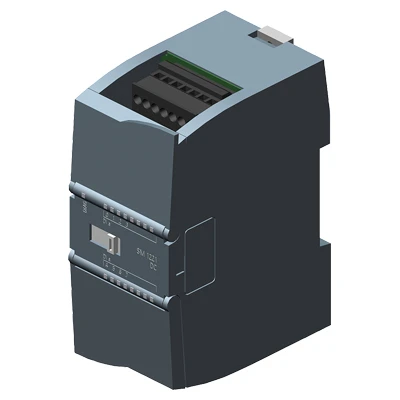
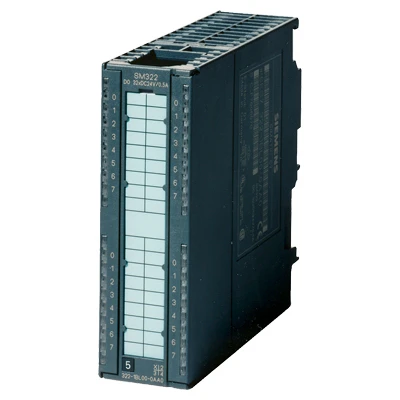
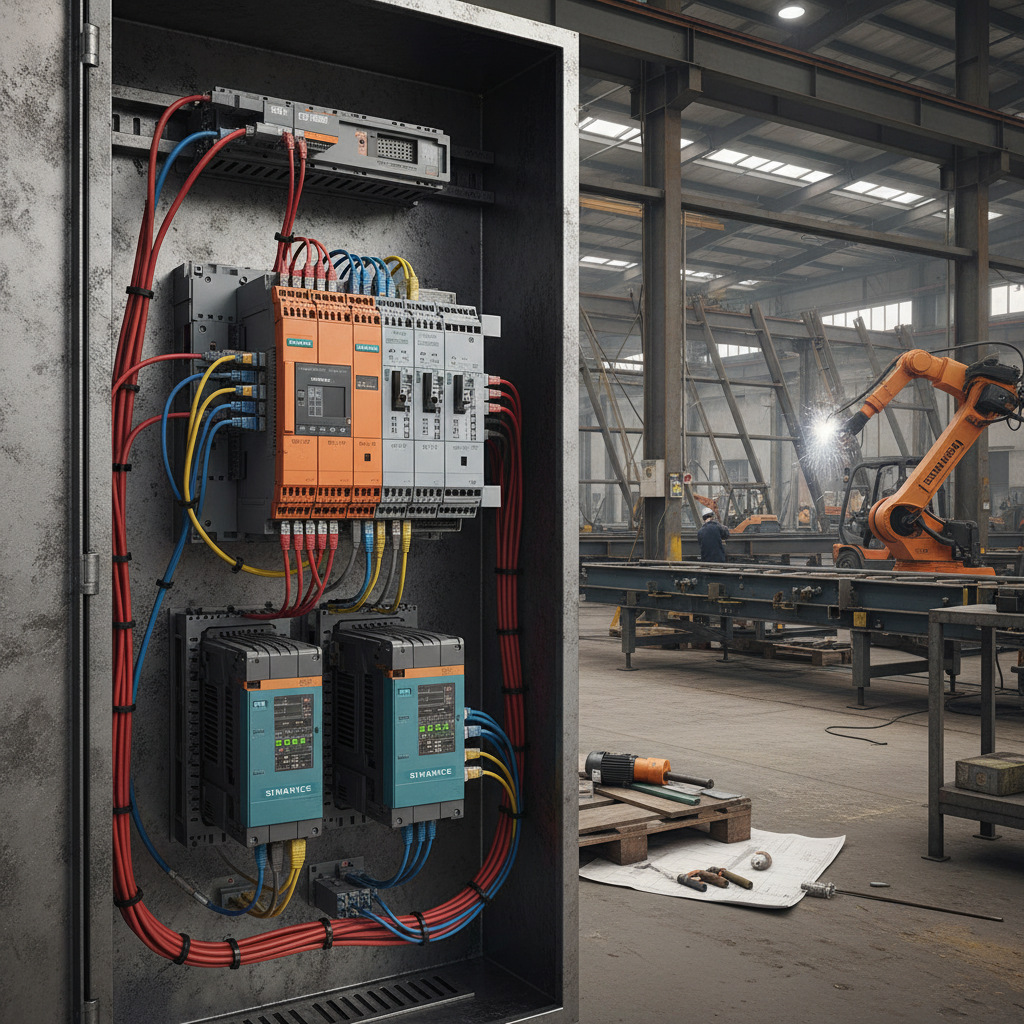
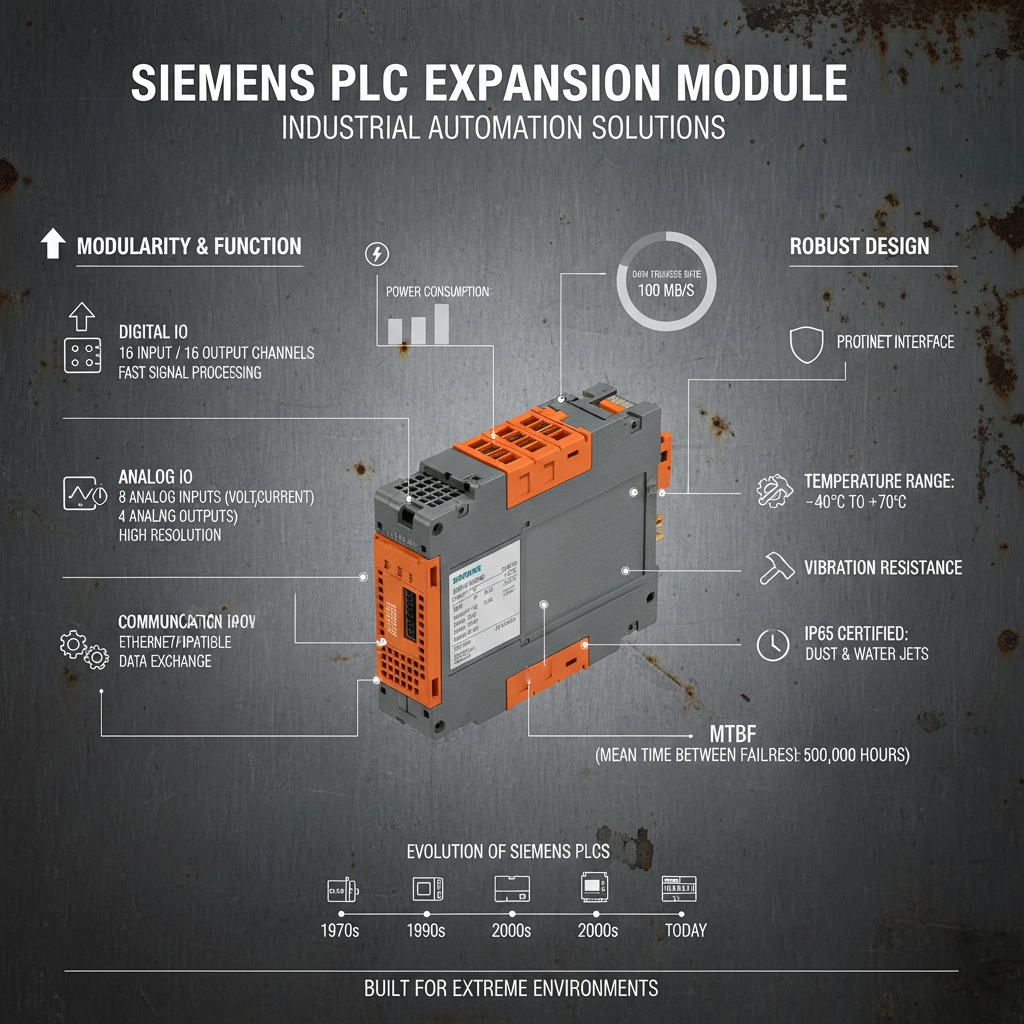
Siemens offers a diverse range of PLC expansion modules categorized by their I/O type and communication protocol. Common types include digital input (DI) modules, digital output (DO) modules, analog input (AI) modules, analog output (AO) modules, and communication modules. These modules are designed to integrate seamlessly with various Siemens PLC families, such as the SIMATIC S7-1200, S7-1500, and S7-300/400 series. The choice of module depends on the specific I/O requirements of your application. For instance, if you need to monitor a large number of sensors, you’ll require multiple DI modules. If you’re controlling actuators, DO modules are essential.
Key Considerations: Selecting the right expansion module involves understanding your I/O requirements, the PLC family you’re using, and the communication protocol supported.
Choosing the Right Siemens PLC Expansion Module for Your Application
Determining the appropriate Siemens PLC expansion module requires careful consideration of your application’s specific needs. Key factors include the number of I/O points required, the type of signals being processed (digital or analog), the communication protocol used, and the environmental conditions. For example, if your application requires high-speed data acquisition, you’ll need a module with a fast scan rate. In harsh environments, you'll need modules designed to withstand extreme temperatures, humidity, and vibration. Tianjin Yongkai Automation Technology Co., Ltd. offers expert guidance to help you select the ideal modules for your project.
Key Selection Criteria:
• Number of I/O Points
• Signal Type (Digital/Analog)
• Communication Protocol
• Environmental Conditions
Comparing Popular Siemens PLC Expansion Module Series
Siemens offers several PLC series, each with its own range of expansion modules. The S7-1200 series is often used in compact automation applications, while the S7-1500 series is suited for more demanding, high-performance systems. The S7-300/400 series remains popular for legacy systems and specific applications. Here’s a comparison of some key features:
Benefits of Using Siemens PLC Expansion Modules
Implementing Siemens PLC expansion modules offers several advantages. They provide a cost-effective way to increase I/O capacity without replacing the entire PLC system. They also enhance system flexibility, allowing you to adapt to changing application requirements. Furthermore, expansion modules often offer specialized features, such as high-speed counters or communication interfaces, expanding the capabilities of your automation system. Utilizing genuine Siemens modules ensures compatibility, reliability, and long-term support.
Installation and Maintenance Best Practices
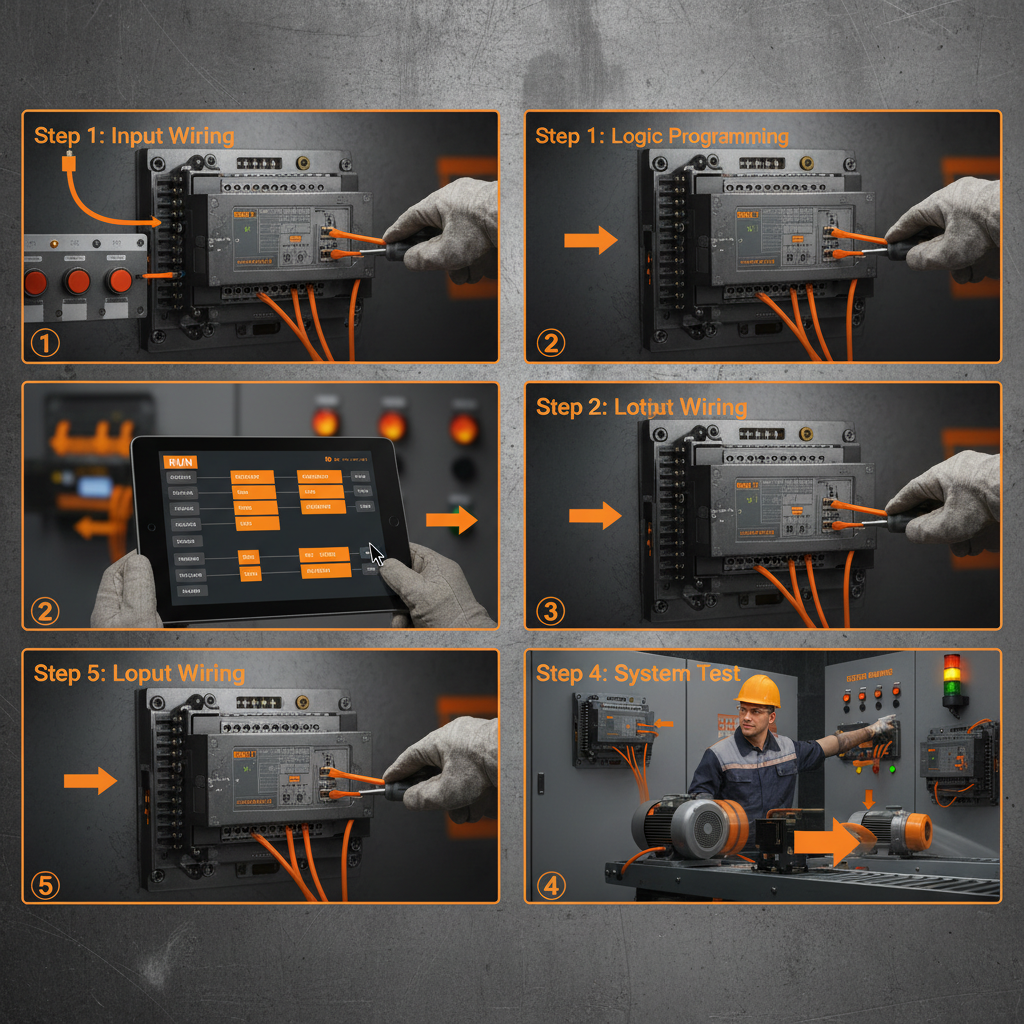
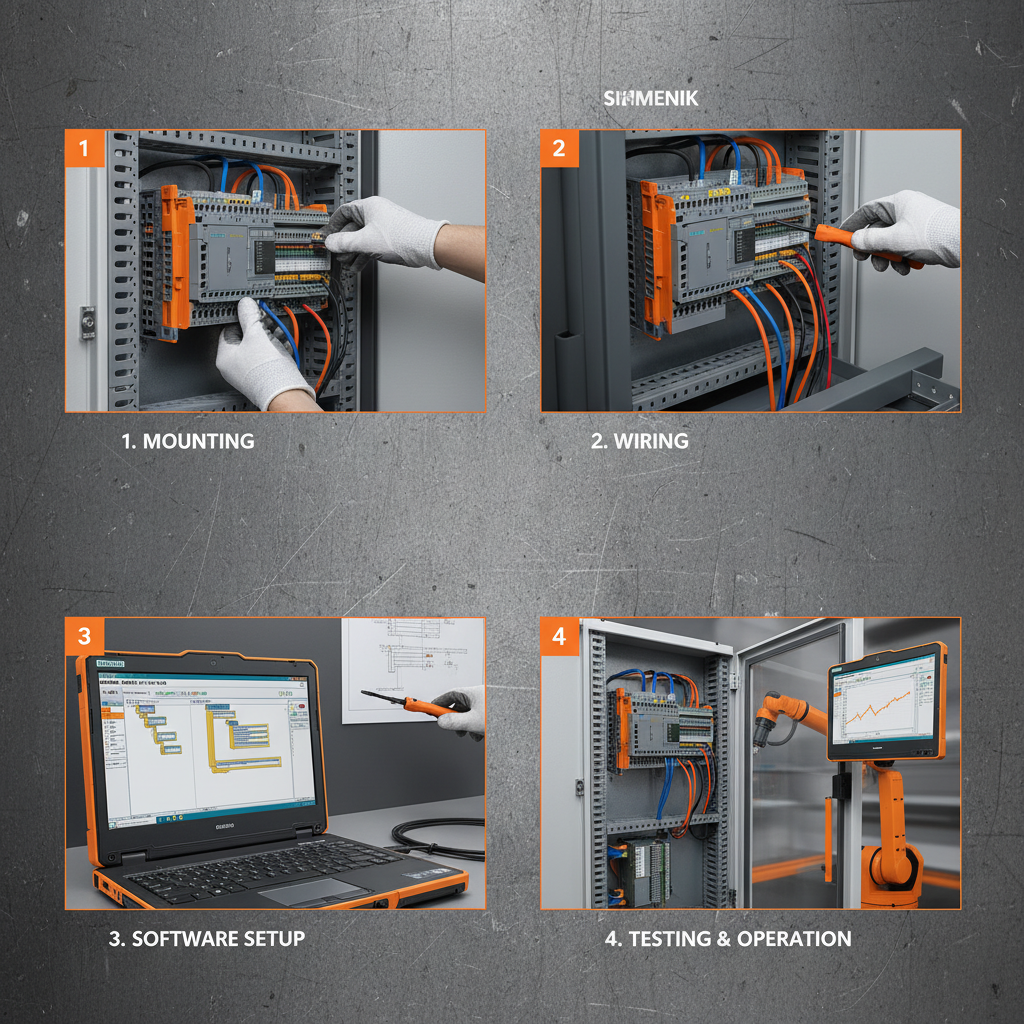
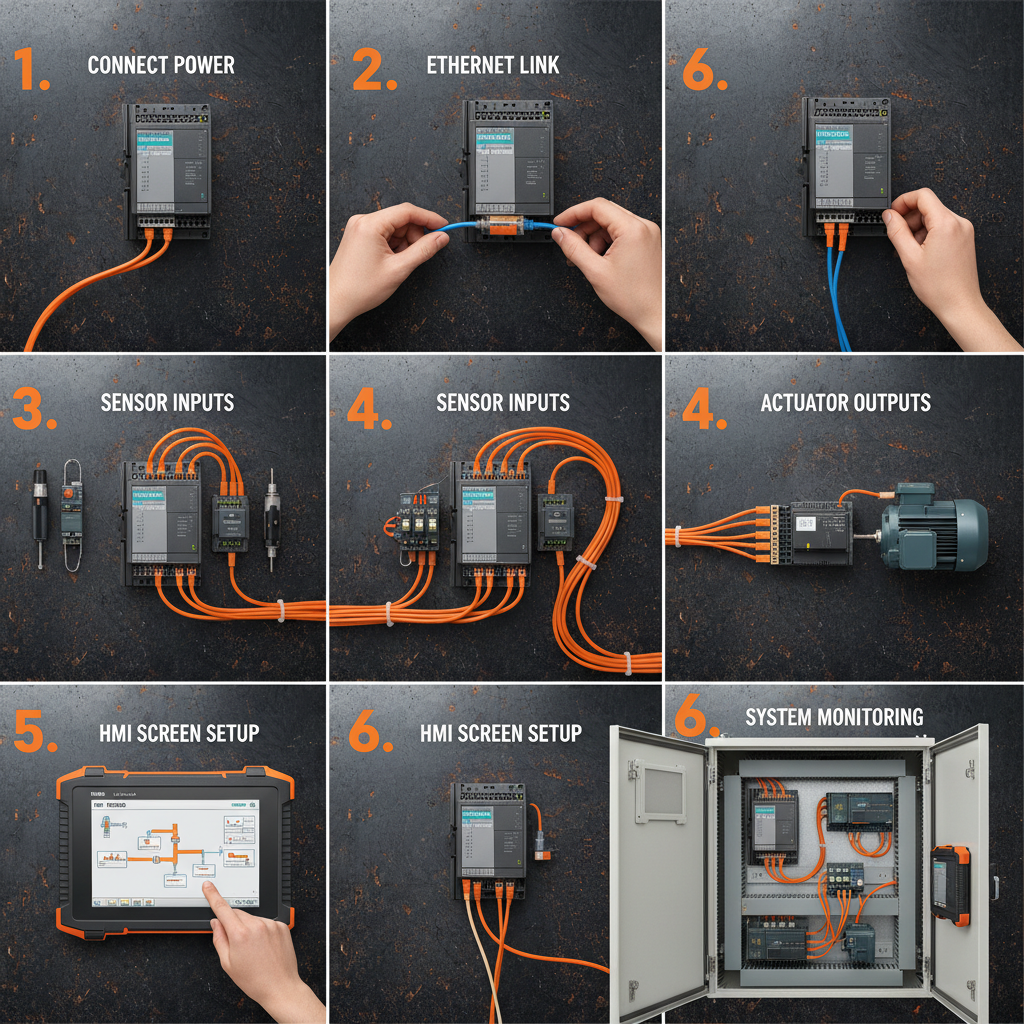
Proper installation and maintenance are crucial for ensuring the reliable operation of Siemens PLC expansion modules. Always follow the manufacturer’s guidelines for wiring and grounding. Ensure that the modules are securely mounted and protected from environmental factors. Regularly inspect the modules for any signs of damage or wear. Implementing a preventative maintenance schedule can help identify and address potential issues before they lead to downtime. If you require assistance with installation or maintenance, consider partnering with a qualified Siemens automation specialist like Tianjin Yongkai.
Conclusion: Expanding Your Automation Capabilities with Siemens
Siemens PLC expansion modules provide a versatile and scalable solution for enhancing your industrial automation systems. By carefully selecting the appropriate modules and following best practices for installation and maintenance, you can optimize performance, reduce downtime, and improve overall efficiency. Tianjin Yongkai Automation Technology Co., Ltd. is your trusted partner for all your Siemens PLC expansion module needs.
Frequently Asked Questions (FAQs)
What are the key considerations when selecting a digital input module?
When choosing a digital input (DI) module, consider the input voltage range, isolation requirements, and response time. The voltage range must match the sensors you're connecting. Isolation protects the PLC from voltage spikes and noise. The response time is crucial for high-speed applications. Also, determine whether you need sinking or sourcing inputs. Choosing the wrong type can prevent your sensors from communicating correctly with the PLC. Finally, consider the number of input channels required to accommodate all your sensors.
Can I mix and match different expansion module types?
Yes, you can generally mix and match different types of Siemens PLC expansion modules within the same PLC system, as long as they are compatible with the PLC controller and use the same communication protocol. For instance, you can use DI, DO, AI, and AO modules together. However, it's essential to check the documentation to ensure compatibility and to avoid exceeding the PLC's capacity.
What is the role of a communication module in an expansion setup?
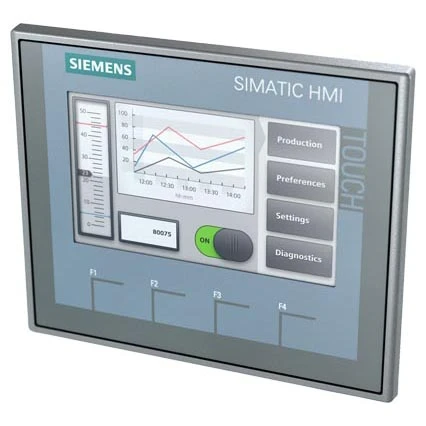
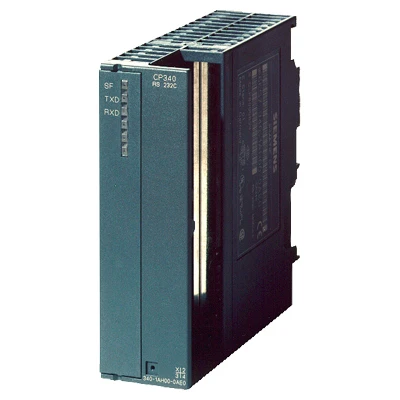
A communication module enables the PLC to communicate with other devices, such as HMIs, SCADA systems, and other PLCs, over various protocols like PROFINET, PROFIBUS, or Ethernet/IP. In an expansion setup, a communication module is essential for exchanging data between the PLC and the wider network. This allows for remote monitoring, control, and data logging. Different communication modules support different protocols, so choosing the right module is critical for seamless integration with your existing infrastructure.