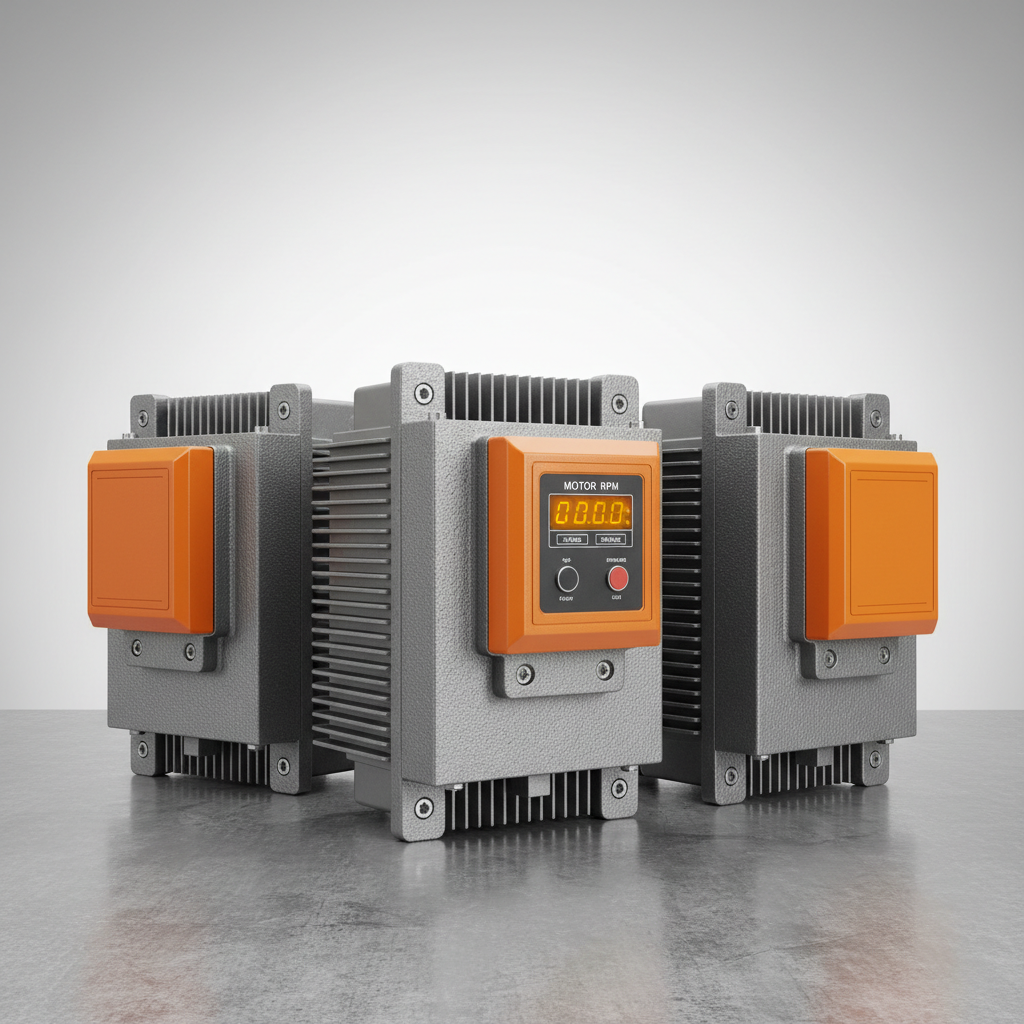
Variable Frequency Drives (VFDs), often referred to as vfd controller, are rapidly becoming indispensable across a multitude of industries. Their ability to precisely control the speed of electric motors translates into significant energy savings, improved process control, and reduced mechanical stress on equipment. From simple pump and fan applications to complex industrial machinery, the versatility of a vfd controller makes it a cornerstone of modern automation.
The global demand for energy efficiency is a primary driver behind the increased adoption of vfd controller. With growing concerns about climate change and rising energy costs, businesses and governments alike are seeking solutions to minimize energy consumption. VFDs offer a direct and effective way to achieve this, often delivering a return on investment within a remarkably short timeframe. This demand isn’t limited to developed nations; emerging economies are increasingly investing in VFD technology to modernize their infrastructure and improve productivity.
The importance of a robust and reliable vfd controller extends beyond mere cost savings. In many critical applications, such as water treatment plants and manufacturing facilities, precise motor control is essential for maintaining operational efficiency and product quality. Furthermore, the advanced diagnostic capabilities of modern vfd controller enable proactive maintenance, minimizing downtime and maximizing the lifespan of connected equipment.
Introduction to vfd controller
The core function of a vfd controller lies in its ability to regulate the frequency of the electrical power supplied to an AC motor. By altering the frequency, the vfd controller directly controls the motor’s speed. Unlike traditional methods like dampers or valves, VFDs achieve this control electronically, offering precise and responsive adjustments.
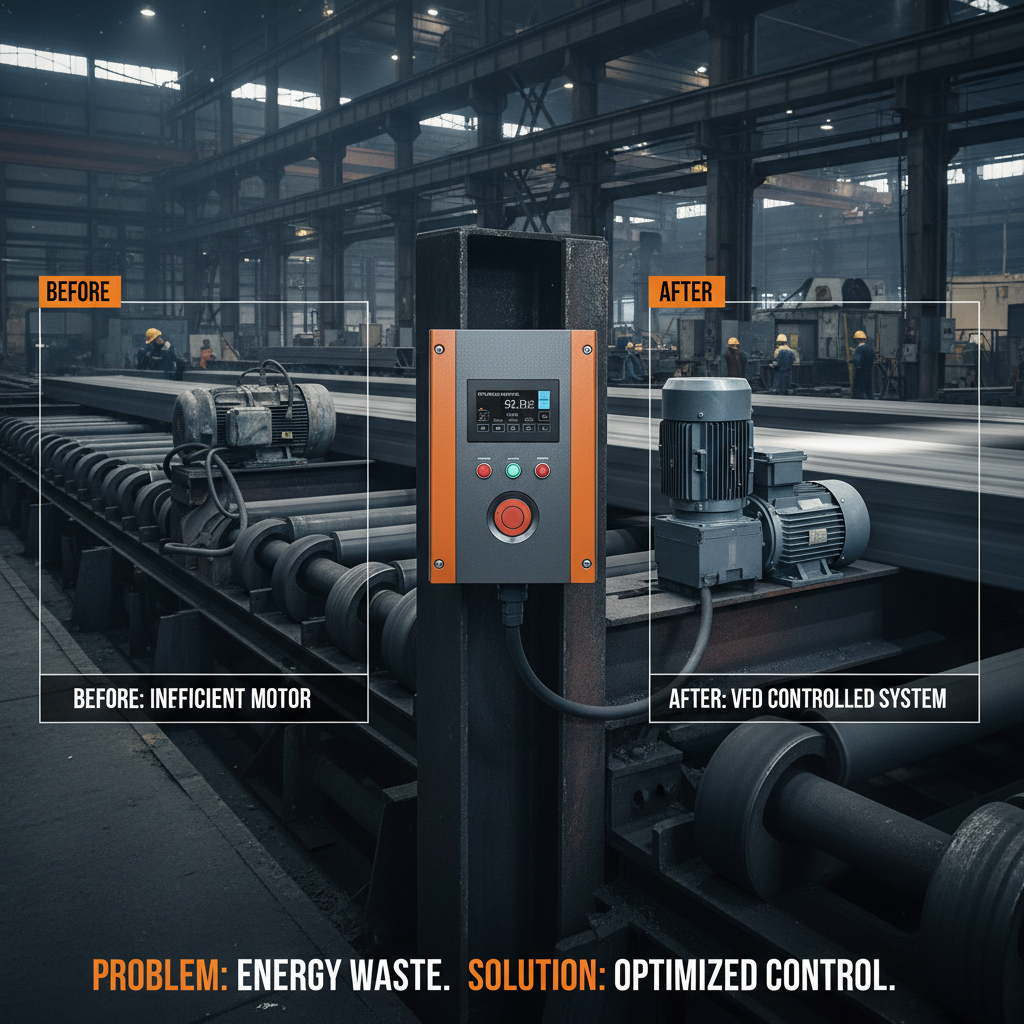
This precise control translates into a multitude of benefits. VFDs eliminate the energy wasted in throttling or restricting flow, allowing motors to operate at optimal efficiency for a given load. Beyond energy savings, vfd controller enhance process control, reduce mechanical wear and tear, and improve overall system reliability.
The Global Relevance of vfd controller
The global market for vfd controller is experiencing substantial growth, driven by increasing energy costs, stricter environmental regulations, and the demand for improved industrial automation. According to a report by Market Research Future, the global VFD market is projected to reach USD 11.75 billion by 2030, registering a CAGR of 6.2% during the forecast period. This growth is particularly pronounced in developing economies like China and India, where rapid industrialization is fueling demand.
The United Nations Sustainable Development Goals (SDGs), particularly SDG 7 (Affordable and Clean Energy) and SDG 9 (Industry, Innovation and Infrastructure), directly align with the benefits provided by vfd controller. By reducing energy consumption and improving industrial efficiency, VFDs contribute to a more sustainable and resilient global economy. Furthermore, the ISO 50001 energy management standard increasingly encourages organizations to implement energy-efficient technologies like VFDs.
A significant challenge the vfd controller addresses is the inherent inefficiency of operating motors at less than their rated load. Many industrial applications require variable flow or torque, often resulting in motors operating at partial loads for extended periods. Traditional control methods lead to significant energy waste. VFDs effectively resolve this issue by matching motor speed to the actual process demand, maximizing efficiency and minimizing energy consumption.
Defining the vfd controller
A vfd controller, or Variable Frequency Drive, is an electronic device used to control the speed of an AC electric motor by varying the frequency and voltage supplied to the motor. Essentially, it's an electronic 'gearbox' that allows for precise control of motor speed without the mechanical complexity and losses associated with traditional gearboxes. The vfd controller converts AC power into DC, then recreates AC power with the desired frequency and voltage.
The connection to modern industry is undeniable. From HVAC systems in buildings to conveyor belts in manufacturing plants, and even large-scale pumping stations, vfd controller are integral to optimizing processes and reducing operational costs. They’ve become a standard component in many industrial control systems, enabling automation, improving energy efficiency, and enhancing system reliability.
In the context of humanitarian needs, a vfd controller can play a crucial role in optimizing water supply and sanitation systems, particularly in disaster relief and remote areas. By efficiently controlling pump speeds, VFDs can ensure reliable water access while minimizing energy consumption – a critical factor in areas with limited or unreliable power grids.
Key Factors of a High-Performance vfd controller
Durability: The robustness and lifespan of a vfd controller are crucial, especially in harsh industrial environments. Factors like enclosure ratings (IP ratings) and component quality directly impact the drive’s ability to withstand temperature fluctuations, dust, moisture, and vibration. Choosing a vfd controller designed for the specific application environment is paramount.
Scalability: The ability to easily integrate and expand a vfd controller system is essential for growing businesses or complex operations. Modular designs and network communication capabilities (such as Ethernet/IP or Modbus TCP) allow for seamless integration with existing automation systems and future expansions.
Cost Efficiency: While the initial investment in a vfd controller can be significant, the long-term cost savings through reduced energy consumption and minimized downtime often far outweigh the upfront cost. Selecting a drive with the right features and capacity for the application, and considering potential government incentives, contributes to overall cost efficiency.
Harmonic Distortion: VFDs can generate harmonic distortion, which can negatively impact other equipment on the power grid. High-quality vfd controller incorporate filtering mechanisms to minimize harmonic emissions and ensure compatibility with existing infrastructure.
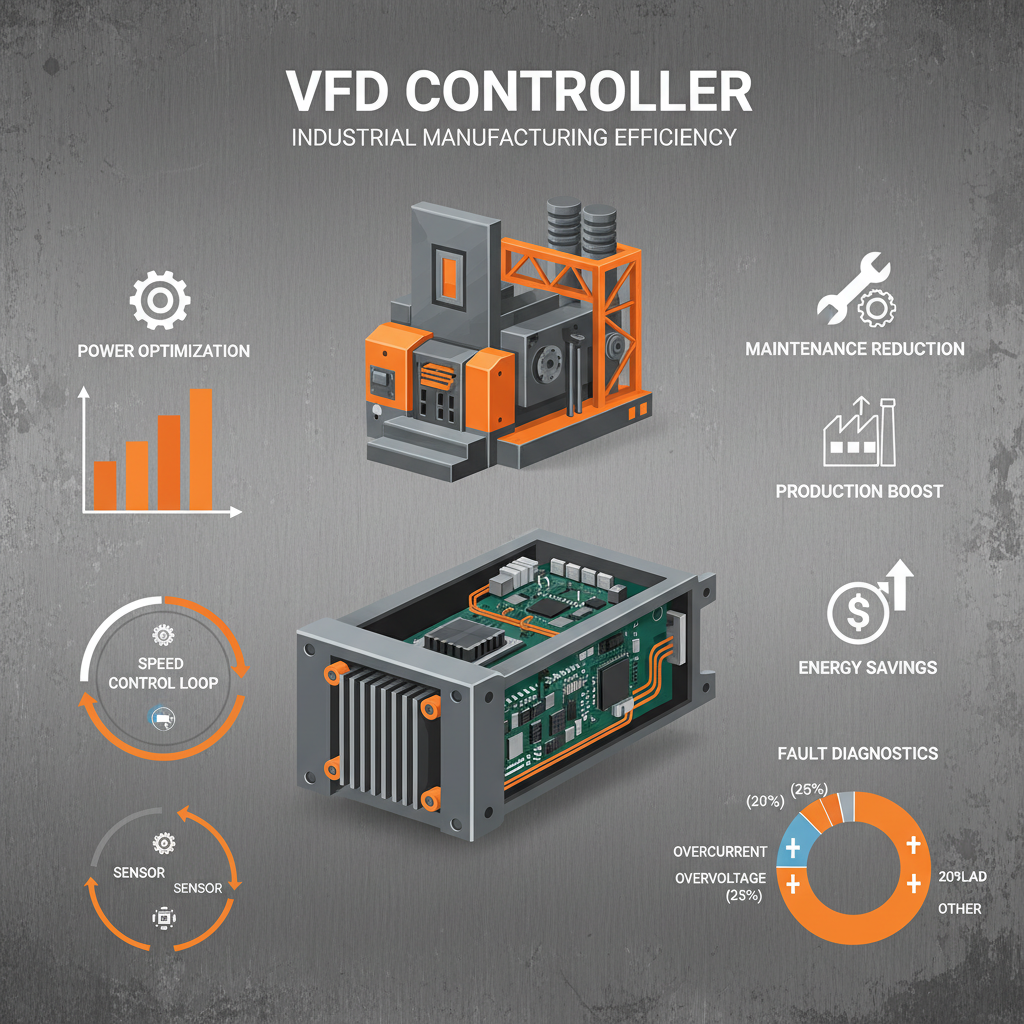
Communication Capabilities: Modern vfd controller offer advanced communication protocols, allowing for remote monitoring, control, and diagnostics. These features enable proactive maintenance, reduced downtime, and optimized performance.
Protection Features: Built-in protection features, such as overvoltage, overcurrent, and short-circuit protection, safeguard both the motor and the vfd controller, ensuring reliable operation and preventing costly damage.
Global Applications and Use Cases of vfd controller
In the water and wastewater treatment industry, vfd controller are used extensively to control pumps and blowers, optimizing flow rates and aeration processes. This results in significant energy savings and improved treatment efficiency. In the oil and gas sector, VFDs regulate compressor speeds and pipeline pressures, enhancing operational safety and reducing energy consumption.
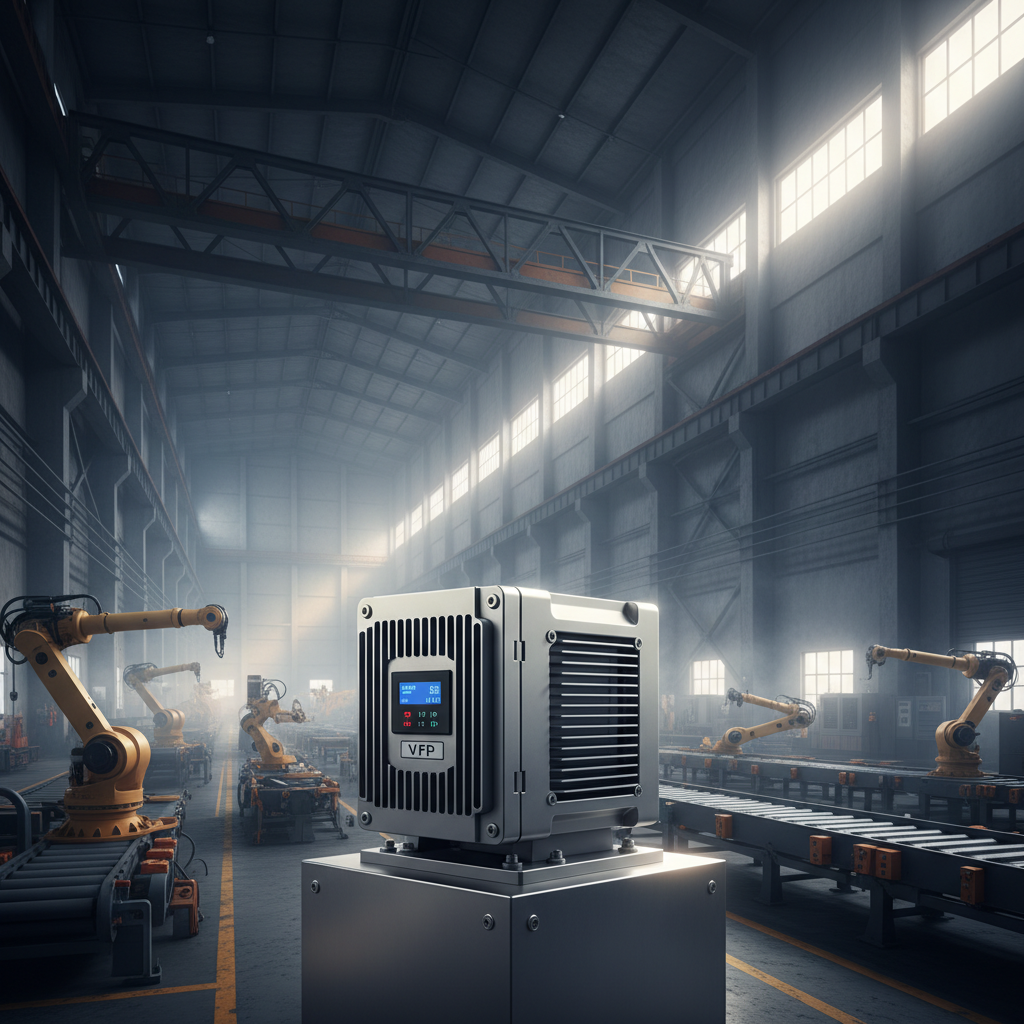
Within the manufacturing industry, applications are incredibly diverse. VFDs control conveyor speeds, regulate robotic arm movements, and optimize the performance of machine tools. In post-disaster relief operations, portable vfd controller can be deployed to power water pumps and essential equipment, providing crucial support to affected communities.
In remote industrial zones, where power quality and grid stability are often compromised, vfd controller can help stabilize motor operation and protect sensitive equipment from voltage fluctuations. In China, the rapid growth of the manufacturing sector has fueled a massive demand for vfd controller, with local manufacturers playing an increasingly prominent role in the global market.
vfd controller Application Areas
Advantages and Long-Term Value of vfd controller
The tangible benefits of implementing a vfd controller are substantial. Cost savings through reduced energy consumption are often the most immediate and significant advantage. Beyond energy savings, VFDs improve process control, leading to higher product quality and reduced waste. This directly impacts profitability.
From a sustainability perspective, reducing energy consumption translates into a lower carbon footprint, contributing to environmental responsibility. The increased reliability and extended lifespan of motors controlled by VFDs reduce the need for frequent replacements, minimizing waste and conserving resources. Furthermore, the enhanced safety features of VFDs, such as controlled acceleration and deceleration, reduce the risk of mechanical failures and accidents.
Future Trends and Innovations in vfd controller
The integration of Artificial Intelligence (AI) and Machine Learning (ML) into vfd controller is a rapidly emerging trend. AI-powered VFDs can analyze historical data, predict equipment failures, and optimize performance in real-time, leading to proactive maintenance and maximized efficiency. The development of silicon carbide (SiC) and gallium nitride (GaN) power semiconductors is enabling the creation of more compact, efficient, and reliable vfd controller.
The increasing adoption of Industrial Internet of Things (IIoT) platforms is driving the development of networked VFDs that can be remotely monitored, controlled, and integrated with other factory automation systems. This connectivity facilitates data-driven decision-making and enables predictive maintenance strategies. Furthermore, the focus on green energy and renewable energy sources is driving demand for vfd controller that can efficiently manage variable power inputs from solar and wind farms.
Challenges and Solutions in vfd controller Implementation
One common challenge is harmonic distortion, which can interfere with other sensitive equipment. Implementing active harmonic filters or selecting VFDs with built-in harmonic mitigation features can effectively address this issue. Another challenge is the potential for motor bearing currents caused by the switching frequency of the VFD. Using insulated bearings or common-mode filters can minimize these currents.
Proper commissioning and programming are crucial for optimal VFD performance. Investing in training for maintenance personnel and utilizing user-friendly software interfaces can simplify the setup process and ensure correct operation. Addressing electromagnetic interference (EMI) requires careful grounding, shielding, and cable selection to prevent disruptions to other electronic devices.
The following table summarizes common challenges and corresponding solutions for vfd controller implementation.
Common Challenges and Solutions for vfd controller Implementation
| Challenge |
Impact on vfd controller Performance |
Solution |
Cost of Implementation (1-10) |
| Harmonic Distortion |
Interference with other equipment, reduced power quality |
Active harmonic filters, VFDs with built-in mitigation |
7 |
| Motor Bearing Currents |
Bearing damage, reduced motor lifespan |
Insulated bearings, common-mode filters |
6 |
| Commissioning Complexity |
Incorrect settings, suboptimal performance |
Training for maintenance personnel, user-friendly software |
4 |
| Electromagnetic Interference (EMI) |
Disruptions to other electronic devices |
Proper grounding, shielding, cable selection |
5 |
| Voltage Fluctuations |
Erratic motor operation, potential damage |
Voltage regulators, surge protectors |
6 |
| Inadequate Cooling |
Overheating, reduced lifespan |
Proper ventilation, heat sinks |
3 |
FAQS
Energy savings from implementing a vfd controller vary depending on the application and load profile. However, typical savings range from 20% to 50% for variable torque applications like pumps and fans. In some cases, savings can exceed 60% when replacing throttling valves or dampers with VFD-controlled motors. The faster the payback period, the more significant the long-term benefit.
Selecting the correct vfd controller size is crucial for optimal performance and longevity. You need to consider the motor’s horsepower (HP) or kilowatt (kW) rating, the full-load amps (FLA), and the application’s operating voltage. It’s generally recommended to choose a VFD with a FLA rating slightly higher than the motor's FLA to provide a safety margin. Consulting with a qualified engineer or vfd controller supplier is highly advisable.
Standard VFDs can generate harmonic distortion on the power line, which can impact the performance of other equipment. Harmonic mitigation VFDs incorporate features like active front ends or DC chokes to reduce harmonic emissions, ensuring compliance with industry standards and protecting sensitive equipment. These drives are often preferred in applications where power quality is critical.
Regular maintenance is essential for ensuring reliable VFD operation. Recommended maintenance tasks include checking fan operation, inspecting capacitors for bulging or leaks, cleaning dust filters, and verifying terminal connections. The frequency of maintenance depends on the operating environment, but typically a visual inspection should be performed every 6-12 months, with more comprehensive maintenance every 2-3 years.
While most AC induction motors can be controlled by a VFD, it's important to verify compatibility. Older motors may not be designed for the switching frequencies generated by VFDs, potentially causing overheating or insulation breakdown. Motors specifically designed for VFD use have improved insulation and are often recommended for optimal performance and reliability. Synchronous motors also require specific VFD configurations.
VFDs contain high-voltage DC components that can pose a safety hazard. Always disconnect power before performing any maintenance or wiring. Use appropriate personal protective equipment (PPE), such as insulated gloves and safety glasses. Never attempt to repair a VFD without proper training and qualifications. Ensure proper grounding and shielding to prevent electrical shock and electromagnetic interference.
Conclusion
In conclusion, vfd controller represent a cornerstone of modern industrial efficiency and sustainability. Their ability to precisely control motor speed, reduce energy consumption, and enhance process control offers significant economic and environmental benefits. From optimizing water treatment plants to powering manufacturing facilities, vfd controller are essential components in a wide range of applications.
Looking forward, the integration of AI, advancements in semiconductor technology, and the growing focus on IIoT will drive further innovation in vfd controller design and functionality. By embracing these advancements, businesses can unlock even greater efficiency gains and contribute to a more sustainable future. To explore how a vfd controller can benefit your operation, visit our website: vfd controller.