Variable frequency drives (VFDs) for 3-phase motors are rapidly becoming essential components across a multitude of industries. These drives offer precise control over motor speed and torque, leading to significant energy savings, improved process control, and extended equipment lifespan. The global demand for efficient motor control solutions, fueled by increasing energy costs and a growing emphasis on sustainability, is driving the widespread adoption of these technologies. Understanding the nuances of a variable frequency drive for 3 phase motor is crucial for engineers, technicians, and facility managers alike.
The relevance of a variable frequency drive for 3 phase motor extends beyond industrial applications; they are increasingly vital in municipal water treatment facilities, HVAC systems, and even renewable energy projects. According to a report by Grand View Research, the global VFD market size was valued at USD 16.59 billion in 2022 and is projected to reach USD 28.22 billion by 2030, growing at a CAGR of 6.8% from 2023 to 2030. This growth reflects a broader trend towards automation and energy efficiency worldwide.
One of the primary challenges addressed by VFDs is the inefficient operation of traditional motor control methods. Historically, motors often ran at full speed regardless of the actual load requirements, resulting in wasted energy. VFDs provide a solution by allowing motors to operate at the precise speed needed, significantly reducing energy consumption and operational costs. This ability to optimize motor performance is becoming increasingly critical in a world facing rising energy demands and environmental concerns.
The Fundamentals of Variable Frequency Drives
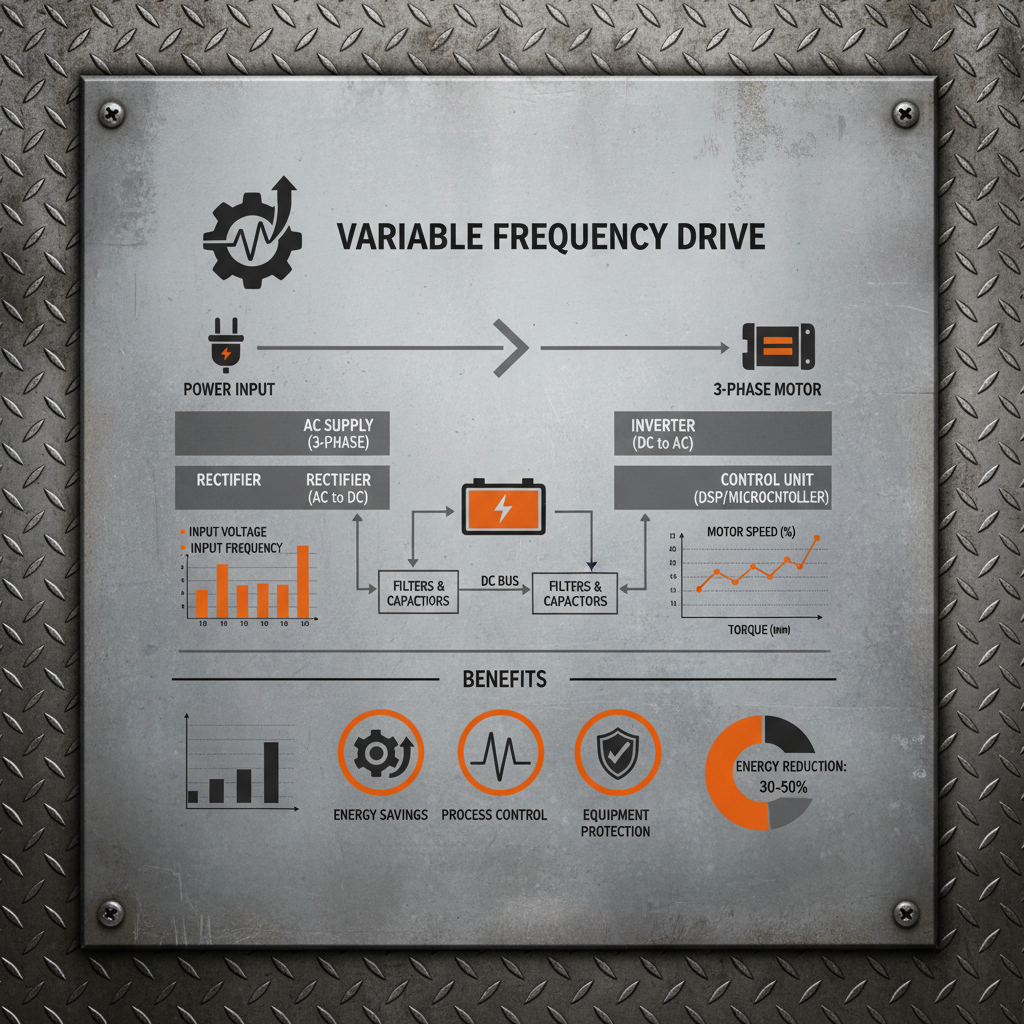
A variable frequency drive for 3 phase motor operates by converting the incoming AC power supply into a variable-frequency and variable-voltage output. This allows for precise control of the motor’s speed and torque, optimized for the specific application. The core functionality lies in its ability to modulate the frequency of the power delivered to the motor, directly impacting its rotational speed.
The key components of a VFD include a rectifier, a DC link, an inverter, and a control circuit. The rectifier converts AC to DC, the DC link filters and stabilizes the DC voltage, the inverter converts DC back to AC at a variable frequency, and the control circuit governs the entire process. This intricate interplay of components ensures smooth and efficient motor operation, tailored to the demands of the connected load.
Global Market Dynamics and Industry Trends
The global market for variable frequency drives for 3 phase motor is witnessing significant growth, driven by factors such as increasing energy prices, stringent energy efficiency regulations, and the expanding adoption of automation technologies. Key regions experiencing substantial demand include Asia-Pacific, North America, and Europe, with China emerging as a dominant manufacturing and consumption hub.
Industry trends indicate a shift towards more compact, intelligent, and network-enabled VFDs. Integration with Industrial Internet of Things (IIoT) platforms is becoming increasingly common, enabling remote monitoring, predictive maintenance, and optimized performance. The demand for regenerative VFDs, which can return energy back to the grid, is also rising due to their potential for substantial energy savings.
Furthermore, the increasing focus on sustainability is propelling the demand for VFDs in renewable energy applications, such as wind and solar power generation. These drives are crucial for optimizing the performance of turbines and inverters, ensuring efficient energy conversion and grid stability. The integration of AI and machine learning algorithms is also emerging as a key trend, enabling VFDs to adapt to changing operating conditions and further enhance efficiency.
Defining a Variable Frequency Drive for 3-Phase Motors
A variable frequency drive for 3 phase motor, at its core, is a power electronic device. It takes an alternating current (AC) input and modifies its frequency and voltage to provide a controlled power supply to a three-phase induction motor. Unlike traditional motor starters, which simply apply full voltage, VFDs allow for gradual acceleration and deceleration, reducing mechanical stress on the motor and driven equipment.
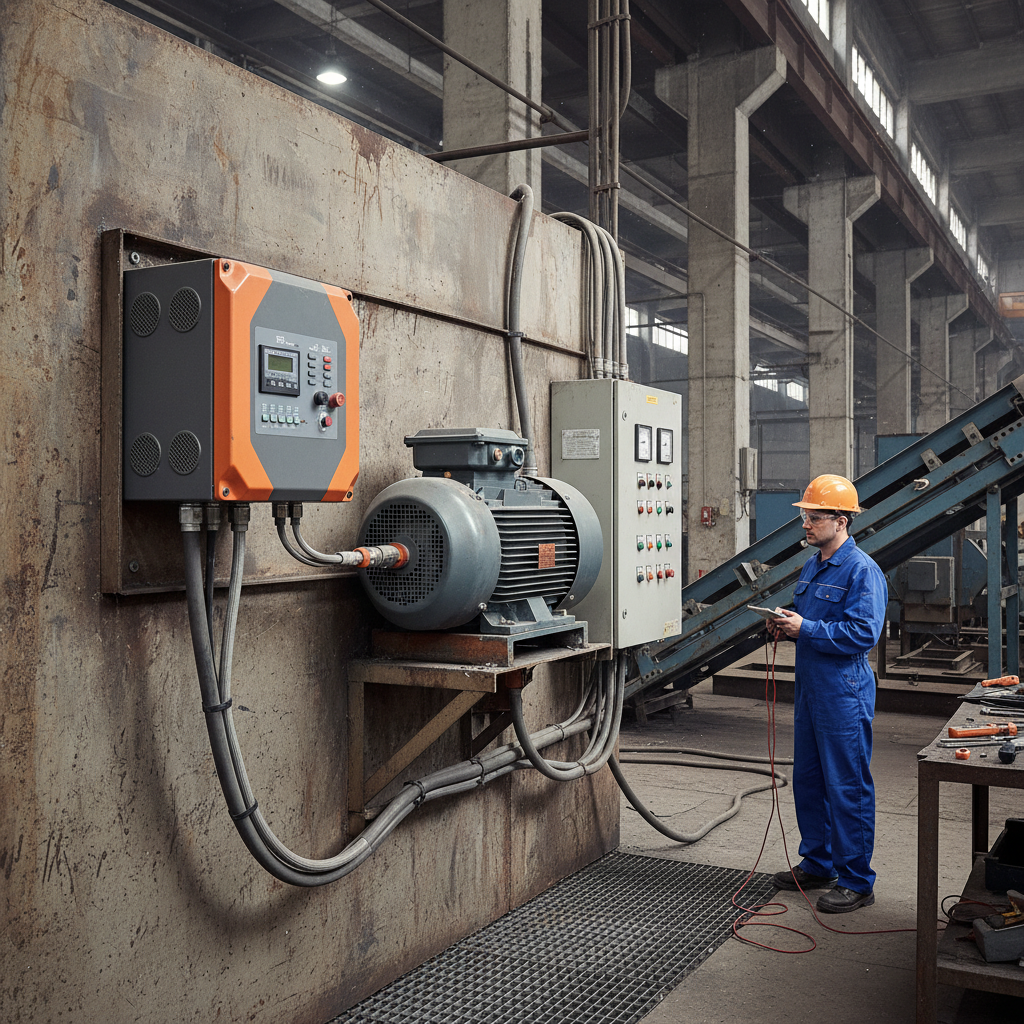
Its connection to modern industry is undeniable. From conveyor systems and pumps to compressors and fans, VFDs are integral to countless automated processes. They are vital for applications requiring precise speed control, energy efficiency, and enhanced process optimization. Their impact extends beyond industrial settings, finding applications in HVAC systems, elevators, and even electric vehicles.
The humanitarian impact is also noteworthy. In water treatment plants, for instance, VFDs enable precise control of pump speeds, ensuring efficient water delivery and reducing energy waste. This contributes to sustainable resource management and improved access to clean water in communities around the globe. In remote locations, they are used for power generation and distribution, enhancing quality of life.
Key Performance Indicators of VFDs
When evaluating a variable frequency drive for 3 phase motor, several key performance indicators (KPIs) must be considered. These include efficiency, harmonic distortion, overload capacity, and reliability. Efficiency directly impacts energy consumption and operating costs, while harmonic distortion can affect the power quality of the overall electrical system.
Overload capacity determines the drive’s ability to handle temporary spikes in load demand, crucial for applications with fluctuating torque requirements. Reliability is paramount, as downtime can lead to significant production losses. Other important factors include the drive's operating temperature range, protection features, and communication capabilities.
VFD Performance Comparison
Real-World Applications of Variable Frequency Drives
Variable frequency drives for 3 phase motor are deployed across a wide spectrum of industries. In the water and wastewater treatment sector, they optimize pump performance, reducing energy consumption and improving process control. In the manufacturing industry, they are used in conveyor systems, robotics, and machine tools, enhancing productivity and precision.
HVAC systems benefit significantly from VFDs, allowing for precise control of fan and pump speeds, reducing energy waste, and improving indoor air quality. In the oil and gas industry, they are used in compressors and pumps, ensuring reliable and efficient operation in challenging environments. In post-disaster relief operations, VFDs are used to power essential equipment like water purification systems and generators.
The Long-Term Advantages of Implementing VFDs
The advantages of implementing variable frequency drives for 3 phase motor extend beyond immediate energy savings. Reduced mechanical stress on motors and driven equipment translates to longer lifespan and decreased maintenance costs. The improved process control offered by VFDs leads to higher product quality and increased efficiency.
Furthermore, the use of VFDs contributes to sustainability by reducing carbon emissions and promoting responsible energy consumption. These drives enhance safety by providing precise motor control and preventing overloads. The long-term reliability and performance of VFDs provide a solid return on investment, making them a valuable asset for any organization.
Future Innovations and Emerging Technologies
The future of variable frequency drives for 3 phase motor is marked by continuous innovation. The integration of advanced control algorithms, such as model predictive control, will further enhance efficiency and optimize performance. The development of silicon carbide (SiC) and gallium nitride (GaN) power semiconductors will lead to smaller, more efficient, and more reliable drives.
The convergence of VFD technology with IIoT platforms will enable predictive maintenance, remote diagnostics, and real-time performance monitoring. The increasing adoption of renewable energy sources will drive the demand for VFDs capable of seamlessly integrating with grid-tied systems. The pursuit of more energy-efficient and sustainable solutions will remain a central focus for VFD development.
The rise of digital twin technology will also play a role, allowing for virtual testing and optimization of VFD systems before implementation, reducing commissioning time and improving overall performance.
Key Considerations for Variable Frequency Drive Selection
| Application Requirements |
Drive Features |
Cost Analysis |
Long-Term Reliability |
| Pump & Fan Control |
Sensorless Vector Control, Built-in PID |
Initial Cost: $1,500 - $3,000 |
MTBF: 50,000+ hours |
| Conveyor Systems |
Torque Control, Regenerative Braking |
Initial Cost: $2,000 - $4,000 |
MTBF: 40,000+ hours |
| Compressor Applications |
Heavy-Duty Design, Advanced Cooling |
Initial Cost: $3,000 - $5,000 |
MTBF: 60,000+ hours |
| HVAC Systems |
Communication Protocols (BACnet, Modbus) |
Initial Cost: $1,000 - $2,000 |
MTBF: 45,000+ hours |
| Wastewater Treatment |
NEMA 4X Enclosure, Corrosion Resistance |
Initial Cost: $2,500 - $4,500 |
MTBF: 55,000+ hours |
| Industrial Automation |
Fast Response Time, High Resolution |
Initial Cost: $1,800 - $3,500 |
MTBF: 52,000+ hours |
FAQS
The lifespan of a VFD typically ranges from 5 to 10 years, but can be significantly extended with proper maintenance and environmental control. Factors such as operating temperature, load conditions, and input power quality heavily influence longevity. Regular cleaning, inspection of cooling fans, and monitoring of input voltage are crucial for maximizing the VFD’s lifespan. Choosing a VFD with a robust design and high-quality components also plays a key role.
Sizing a VFD correctly is critical for optimal performance and longevity. You need to consider the motor’s horsepower (HP) or kilowatt (kW) rating, full load amps (FLA), and the application’s voltage requirements. The VFD’s continuous current rating should be at least 115% of the motor’s FLA. Also, factor in any potential overload conditions or future expansion plans when selecting a VFD. Consulting a qualified electrical engineer is recommended for complex applications.
Common causes of VFD failures include overheating due to inadequate cooling, power surges and voltage spikes, harmonic distortion, and contamination from dust or moisture. Improper grounding and shielding can also contribute to failures. Regularly monitoring the VFD’s temperature, input voltage, and harmonic levels can help identify potential problems before they lead to catastrophic failure.
While most standard 3-phase induction motors can be controlled by a VFD, it’s essential to verify compatibility. Some older motors may not be designed for VFD operation and could experience insulation breakdown due to the high-frequency switching signals. Using an inverter-duty motor, specifically designed for VFD applications, is highly recommended to ensure reliable performance and prevent premature motor failure.
A regenerative VFD captures the energy generated during deceleration and braking and returns it to the AC line, reducing energy waste and lowering overall operating costs. This is particularly beneficial in applications with frequent start-stop cycles or heavy loads. Regenerative VFDs also reduce stress on the mechanical braking system and improve overall system efficiency.
VFDs generate harmonic currents that can distort the power supply and negatively impact other equipment. Harmonic mitigation techniques include using line reactors, DC chokes, harmonic filters, and active harmonic filters. Proper grounding and shielding are also essential for minimizing harmonic interference. A thorough harmonic analysis should be performed to determine the most effective mitigation strategy.
Conclusion
In conclusion, variable frequency drives for 3 phase motor represent a transformative technology with far-reaching benefits. From enhanced energy efficiency and improved process control to increased equipment lifespan and reduced environmental impact, VFDs are becoming indispensable across a vast range of industries. Understanding their principles of operation, key performance indicators, and emerging trends is crucial for engineers and operators seeking to optimize their systems.
Looking ahead, the continued integration of VFDs with IIoT platforms and the development of advanced control algorithms will unlock even greater potential for automation and efficiency. Investing in VFD technology is not merely a cost-saving measure; it's a strategic step towards a more sustainable and efficient future. Visit our website at www.tianjinyongkai.com to learn more about our range of high-performance VFD solutions.