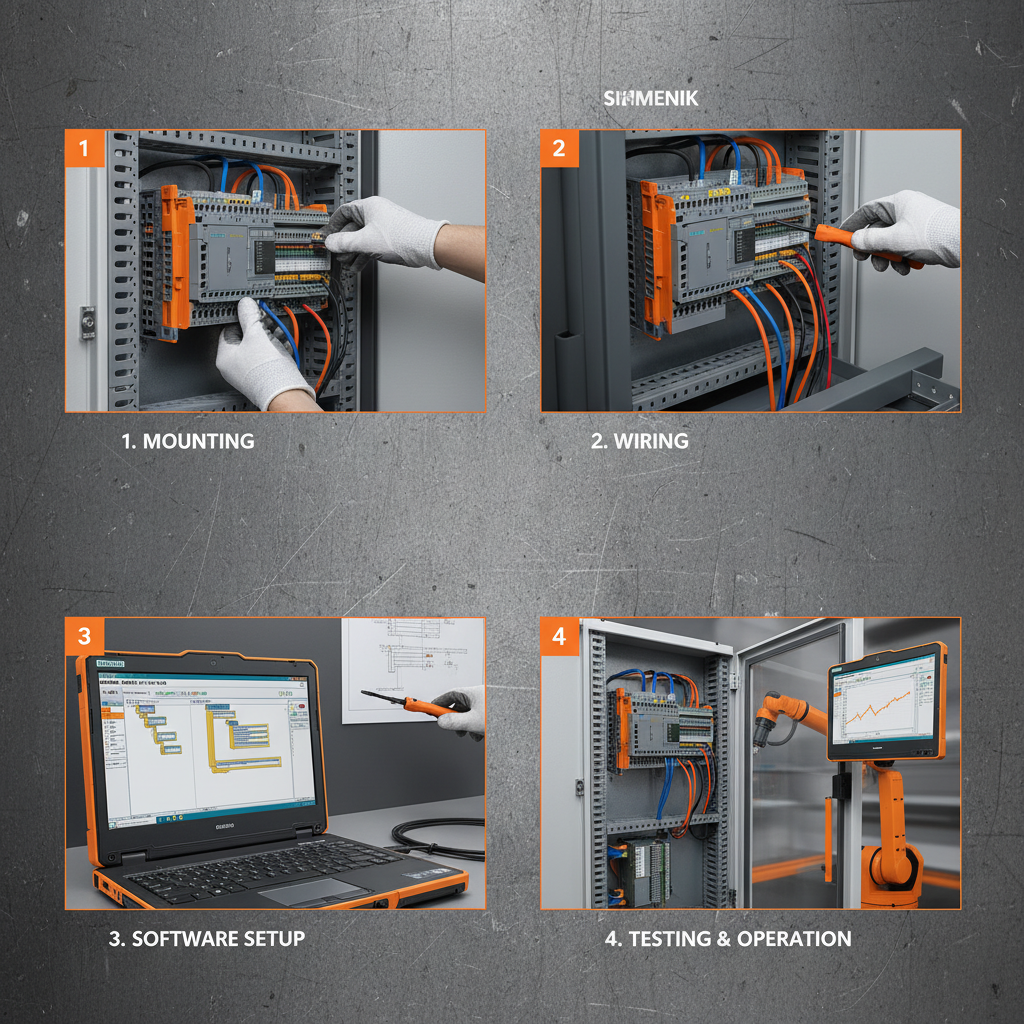
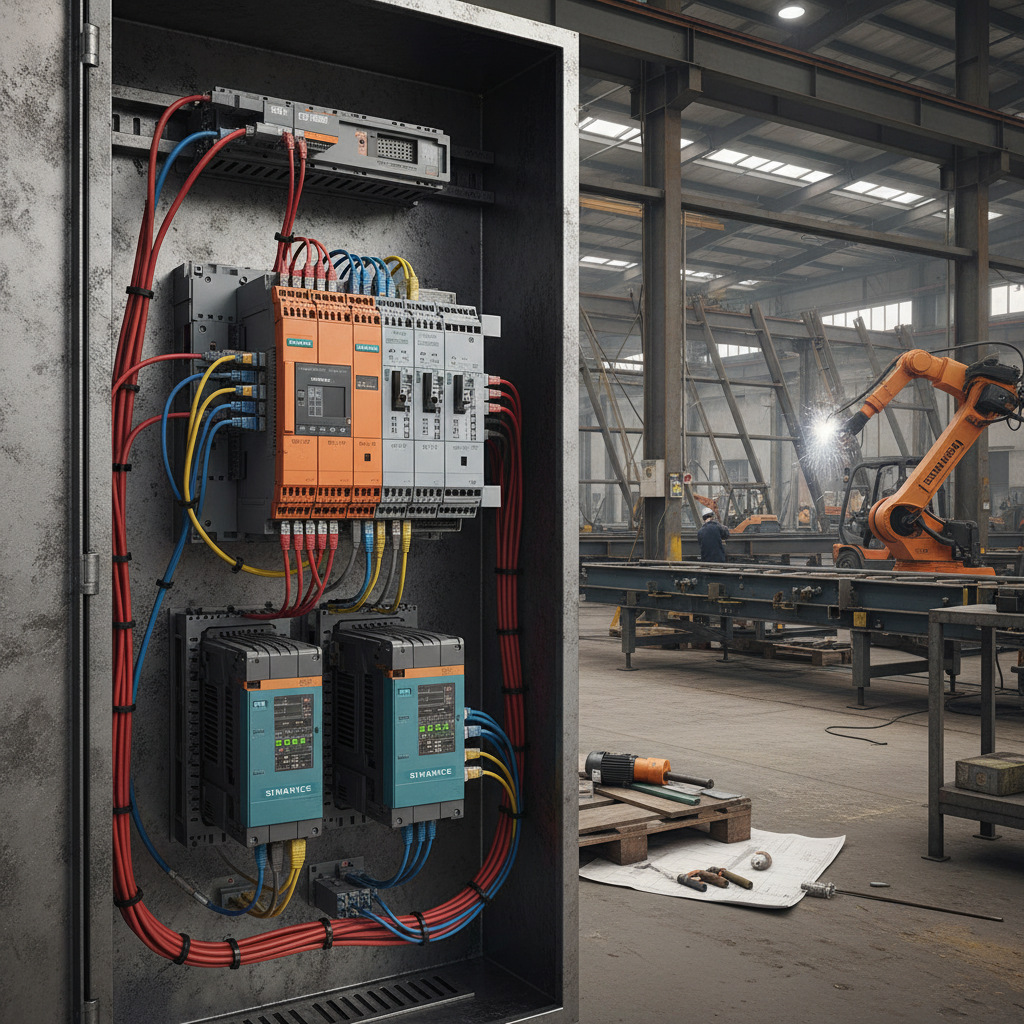
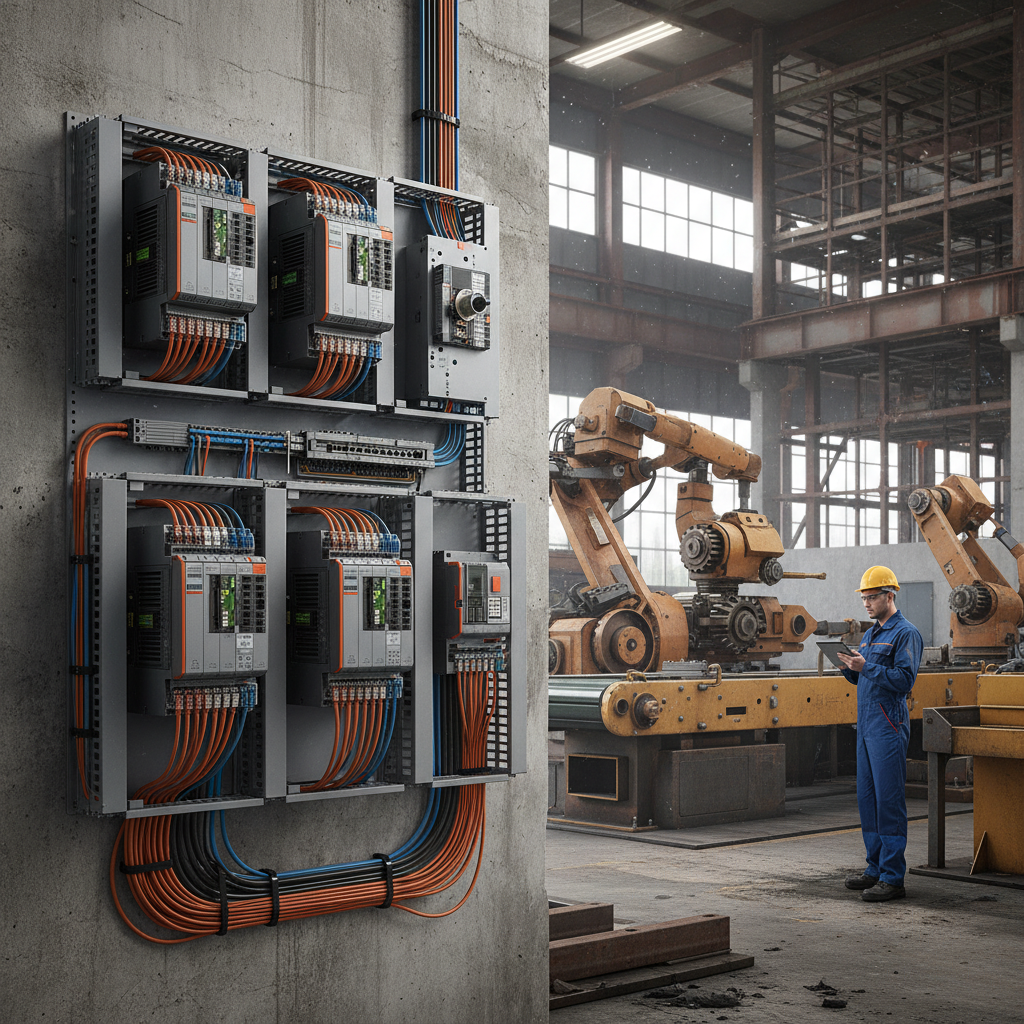
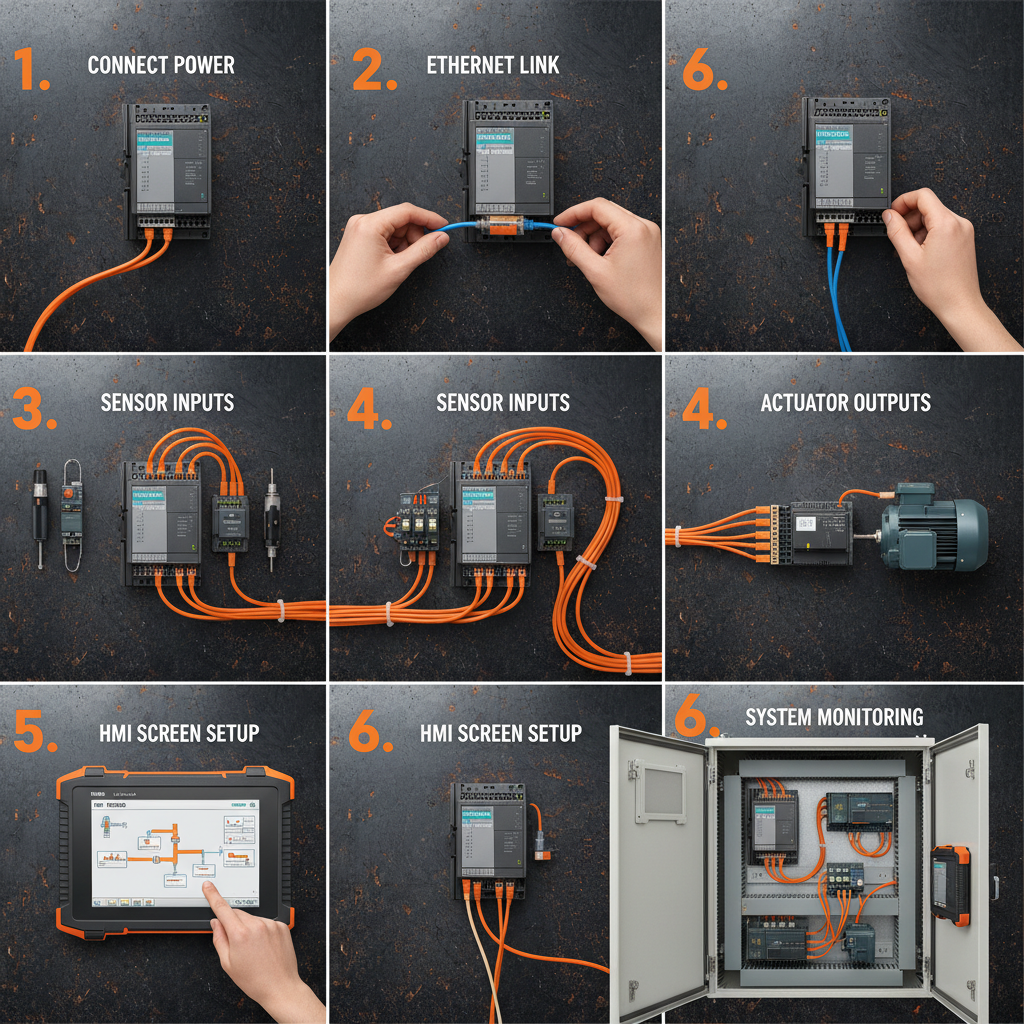
Efficient and Smart Variable Frequency Drive Pool Pumps | Energy Saving Solutions
Understanding the Variable Frequency Drive Pool Pump: Why It Matters Worldwide
Variable frequency drive pool pumps have quietly revolutionized the way water is circulated in pools, offering a mix of energy efficiency, precise control, and longevity that traditional pumps just can’t touch. Globally, as energy costs soar and environmental concerns become impossible to ignore, the shift toward smarter motors isn't just a trend — it’s a necessity. From residential backyards in Europe to large-scale commercial pools in Southeast Asia, understanding the benefits of variable frequency drive (VFD) pool pumps can mean significant savings and sustainability gains. In short: this isn’t just a gadget—it's part of a global movement to optimize energy consumption and enhance water management.
Setting the Scene: The Global Relevance of Variable Frequency Drive Pool Pumps
Energy consumption in residential and commercial buildings accounts for roughly 30% of global electricity use — and pumps that move water, including those in pools, are big contributors. The International Energy Agency (IEA) highlights pumping equipment as central targets for efficiency improvements. On a broader scale, the United Nations’ Sustainable Development Goal 7 urges increased access to affordable and clean energy worldwide. Variable frequency drive pool pumps fit perfectly into this narrative by reducing electricity consumption without compromising flow or pressure, addressing both economic and ecological challenges. The problem remains: many conventional pool pumps run full-speed all the time — meaning energy waste and higher bills.
Takeaway: The variable frequency drive pool pump directly tackles the global push for sustainable energy use, making it a pivotal technology for industries and individual consumers alike.
What Exactly Is a Variable Frequency Drive Pool Pump?
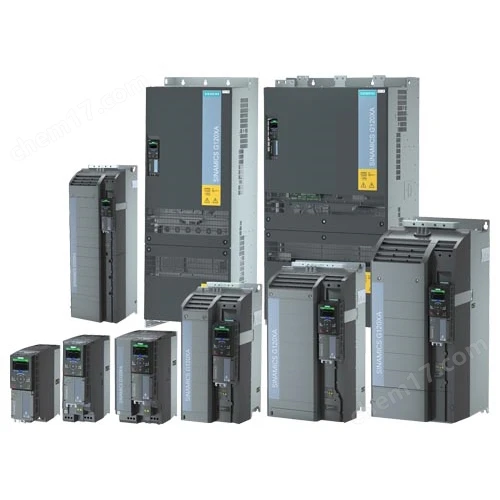
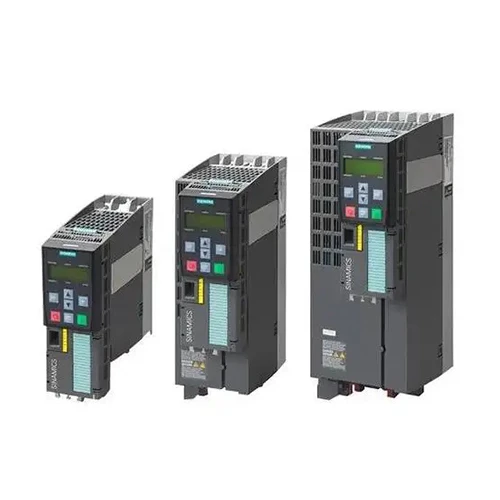
Put simply, a variable frequency drive pool pump is an electrically powered pump equipped with a controller that regulates the motor's speed based on required water flow. Unlike traditional single-speed pumps that operate at constant maximum speed, VFD pumps adjust motor frequency and voltage to deliver just the right amount of water movement needed — no more, no less. This intelligent control reduces unnecessary energy consumption and mechanical wear.
In modern industry, such pumps are integral in optimizing fluid dynamics with minimal wastage, while on the humanitarian front, their efficiency helps save limited energy resources — which is especially relevant in resource-scarce or disaster-prone regions.
Key Components and Core Features that Shape Performance
1. Durability and Material Quality
The motor and pump components must resist corrosion and withstand constant use. Premium materials like stainless steel and reinforced polymers are often used to increase lifespan, especially in saltwater pools or commercial settings.
2. Energy Efficiency and Cost Savings
VFD technology reduces electrical power by matching output to need. While an upfront investment is slightly higher than traditional pumps, many engineers I spoke to estimate payback periods within 1-3 years thanks to energy savings.
3. Quiet Operation
Variable frequency drives enable pumps to operate more quietly since they avoid the constant full-throttle hum of standard pumps. This is a big plus for residential installations where noise can be a nuisance.
4. Smart Controls and Connectivity
Many modern VFD pool pumps can be integrated with smart home systems or pool management software, allowing users to schedule run times, monitor efficiency, and make adjustments remotely — a neat example of IoT meeting everyday needs.
5. Scalability and Versatility
These pumps work at different speeds and capacities, making them adaptable to a range of pool sizes and configurations — from tiny backyard pools to Olympic-sized aquatic centers.
| Specification | Typical VFD Pool Pump | Traditional Single-Speed Pump |
|---|---|---|
| Power Range | 0.5 HP to 3 HP | 0.5 HP to 3 HP |
| Energy Consumption | 20%-70% less annual kWh | Full power, all run time |
| Noise Levels | 40-55 dB (quieter) | 60-70 dB (louder) |
| Control Features | Variable speeds, smart connectivity | Fixed speed, manual control |
| Initial Cost | Moderate ($500-$900) | Low ($250-$400) |
Mini Summary: VFD pool pumps tend to cost more upfront but deliver savings through durability, efficiency, and enhanced user control. The trade-off? Smarter technology — smarter savings.
Real-World Applications and Who’s Benefiting
Variable frequency drive pool pumps have found homes in diverse environments worldwide:
- Residential Pools: Homeowners are swapping noisy, energy-guzzling pumps for VFD versions that quietly hum and slash electricity bills.
- Commercial Aquatic Centers: Facilities hosting hundreds of swimmers daily benefit from the scalability and control that VFD pumps offer.
- Resorts and Hospitality: The hospitality sector leans heavily on sustainable solutions to boost green credentials while ensuring guest comfort.
- Water Features & Fountains: Precise speed control is crucial for maintaining optimal flow and aesthetics.
For instance, in drought-prone parts of Australia, local governments promote VFD pool pumps through rebates to lessen environmental impact. Meanwhile, large-scale aquatic parks in Europe integrate smart pump networks, optimizing use during heavy visitor periods without massive energy spikes.
The Long-Term Advantages of Variable Frequency Pump Technology
Sure, cheaper power bills are appealing, but the benefits run deeper.
- Sustainability: Reduced energy draw supports global efforts against climate change — you might say your pool is helping the planet, one rotation at a time.
- Reliability: Less wear and tear means fewer replacements and less downtime.
- Comfort: Lower noise equals a more peaceful backyard sanctuary.
- Cost Efficiency: After just a few years, energy savings usually outstrip initial costs.
Emotionally, knowing that your energy footprint is smaller gives a nice sense of accomplishment. Logic says it makes business sense too — more uptime, less hassle.
Shaping the Future: Trends and Technological Innovations
The future looks bright and a little bit green for VFD pool pumps. Some trends to keep an eye on:
- Integration with Renewable Energy: Imagine pairing a solar array with a variable frequency drive to make pools nearly off-grid.
- Advanced Sensors & AI: Automated pump adjustments based on water quality and usage patterns.
- Eco-friendly Materials: New composites with longer lifespans and smaller carbon footprints.
- Government Incentives: More regions are offering rebates for efficient water pumping technologies.
Such innovations promise to make variable frequency drive pool pumps even more accessible and valuable.
Facing Challenges Head-On and Smarter Solutions
They say no tech is without its hurdles, and VFD pumps are no exception.
- Higher Initial Cost: Still a barrier for some homeowners. However, financing and rebates are easing adoption.
- Complex Installation: Sometimes requiring expert setup, especially for retrofitting older systems.
- Maintenance Needs: Electronics can be sensitive, demanding a bit more care compared to simple pumps.
Experts often recommend partnering with experienced vendors and installers to ensure smooth deployment and get the most out of these advanced pumps.
| Vendor | Price Range (USD) | Warranty | Control Features | Installation Support |
|---|---|---|---|---|
| PumpPro Solutions | $600-$1,000 | 5 years | WiFi-enabled app control | Full installation services |
| EcoFlow Tech | $500-$850 | 3 years | Basic timer with manual override | Remote troubleshooting |
| WaveControl Inc. | $700-$1,200 | 7 years | Smart home integration | DIY guides plus certified partner network |
Frequently Asked Questions About Variable Frequency Drive Pool Pumps
Q1: How much energy can I realistically save by switching to a variable frequency drive pool pump?
A: Many users report energy savings between 30% and 70% annually compared to traditional single-speed pumps. The exact figure depends on pool size, local electricity rates, and usage patterns.
Q2: Are VFD pumps compatible with all types of pools?
A: Generally, yes. VFD pumps are designed to be versatile and can be installed on most pool types — above-ground, in-ground, saltwater, or freshwater — but always check specs for your particular setup.
Q3: What maintenance should I expect with a variable frequency drive pool pump?
A: Routine tasks include checking the pump basket, cleaning filters, and ensuring electrical connections are secure. The electronics should be housed in weather-resistant enclosures but may require occasional professional check-ups.
Q4: Can a VFD pump help extend the life of my pool equipment?
A: Yes. Because variable speed operation reduces mechanical stress and wear, it often prolongs the entire pool system’s lifespan, lowering replacement frequency and repair costs.
Q5: How do I select the right variable frequency drive pool pump for my needs?
A: Consider your pool size, flow requirements, budget, and whether you want smart features like app control. Consulting a qualified installer or vendor is a solid first step.
Conclusion: Taking the Plunge into Efficiency and Sustainability
Embracing a variable frequency drive pool pump is more than just an upgrade — it’s a statement about energy use, environmental stewardship, and smart living. Over time, the combination of cost savings, sustainability, and enhanced control adds up. Whether you’re a homeowner tired of sky-high electric bills or a commercial operator looking to run a greener facility, VFD pumps make sense.
For more information and to explore top-tier options, dive into our resources at variable frequency drive pool pump. It’s a small change that can ripple outward in surprisingly big ways.