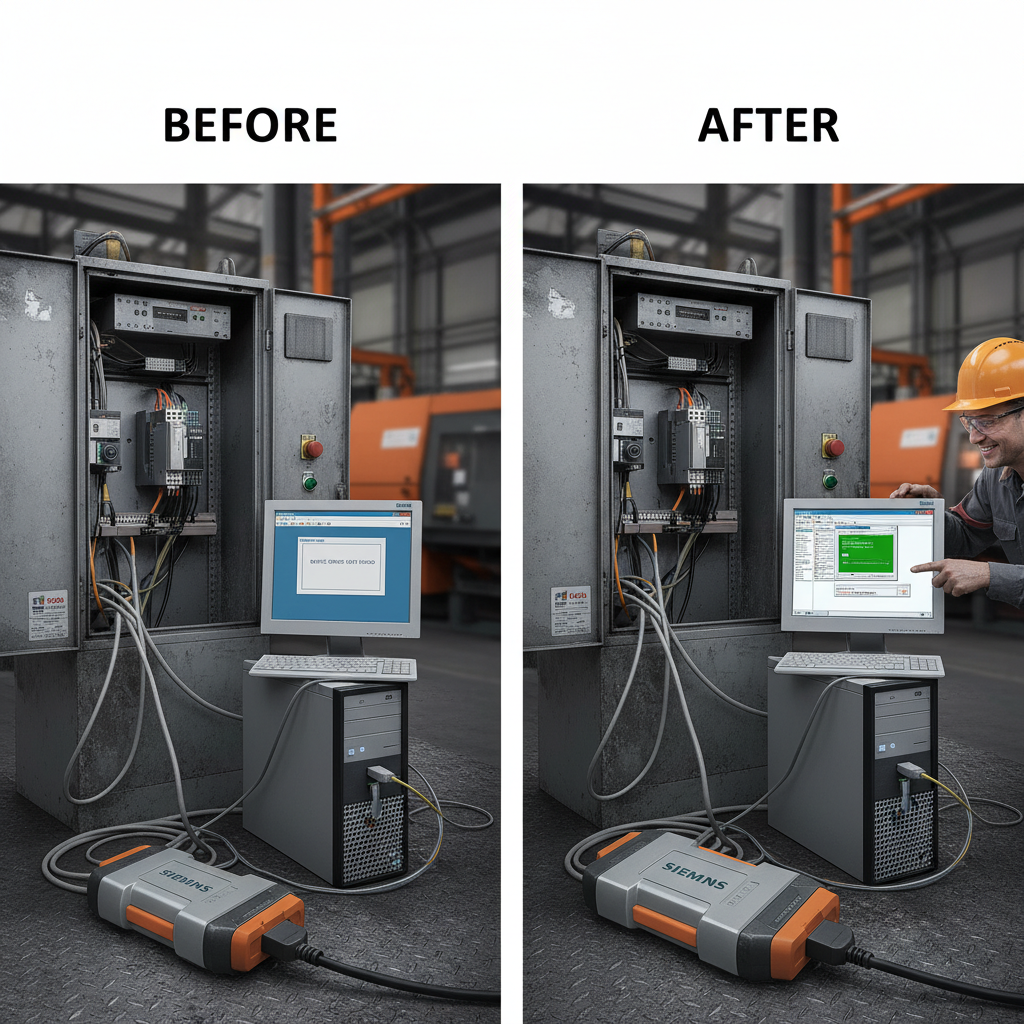
Efficient VFD Pump Pressure Control Systems – Cutting Costs & Boosting Sustainability
Understanding VFD Pump Pressure Control: Why It Matters More Than Ever
If you haven’t come across vfd pump pressure control before, don’t worry — it’s one of those quietly essential technologies that quietly powers industry, infrastructure, and even humanitarian efforts worldwide. Simply put, it’s a method for adjusting pump speed to match pressure demands precisely, leading to smarter energy use, better equipment longevity, and more stable system performance.
Why does it matter globally? Well, the International Energy Agency (IEA) reports pumping systems consume nearly 20% of global electricity used in industry. Without efficient control methods, that’s a giant energy drain — contributing to needless emissions and higher costs. Plus, as urban and agricultural demands grow, pressure control with variable frequency drives (VFDs) has become indispensable.
Bottom line: mastering vfd pump pressure control means cutting waste, boosting reliability, and supporting sustainability — goals that surface everywhere, from mega industrial plants in China to small water booster systems in rural Africa.
The Global Landscape of Pump Pressure Control
Think about global infrastructure: water delivery, HVAC, irrigation, and chemical processing rely heavily on pumps. According to the World Bank, over 2 billion people still face limited access to safe water, where the role of precise pump control is a gamechanger. Take the European Union’s push for energy efficiency directives — encouraging industries to adopt smart VFD drives to meet carbon targets.
Yet many systems still run pumps at full speed, throttling output using valves — a pretty crude method that wastes energy and stresses equipment. VFD pump pressure control rises above these issues by dynamically adjusting motor speed based on real-time pressure feedback, making operations smoother, safer, and far more cost-efficient.
VFD pump pressure control technologies not only fit the bill for developed economies but prove essential in developing regions, where energy infrastructure may be patchy, and system reliability can literally mean life or death.
Takeaway:
- Pumps are a major energy user — globally, demands are skyrocketing.
- Traditional pressure control wastes energy and shortens equipment life.
- Modern VFD controls address these challenges across diverse sectors.
What Is VFD Pump Pressure Control?
At face value, VFD stands for Variable Frequency Drive. It’s a device that varies the electrical frequency and voltage supplied to a motor to control its speed. Now, add “pressure control” to that — and the idea gets cooler. Instead of running a pump at full blast and throttling flow mechanically, the VFD adjusts pump speed to maintain precise pressure setpoints.
This approach yields smoother pressure profiles, fewer spikes, and less wear. It’s like the difference between flooring your car’s gas pedal all the time and easing off when the road flattens out — more efficient and gentler on engine parts.
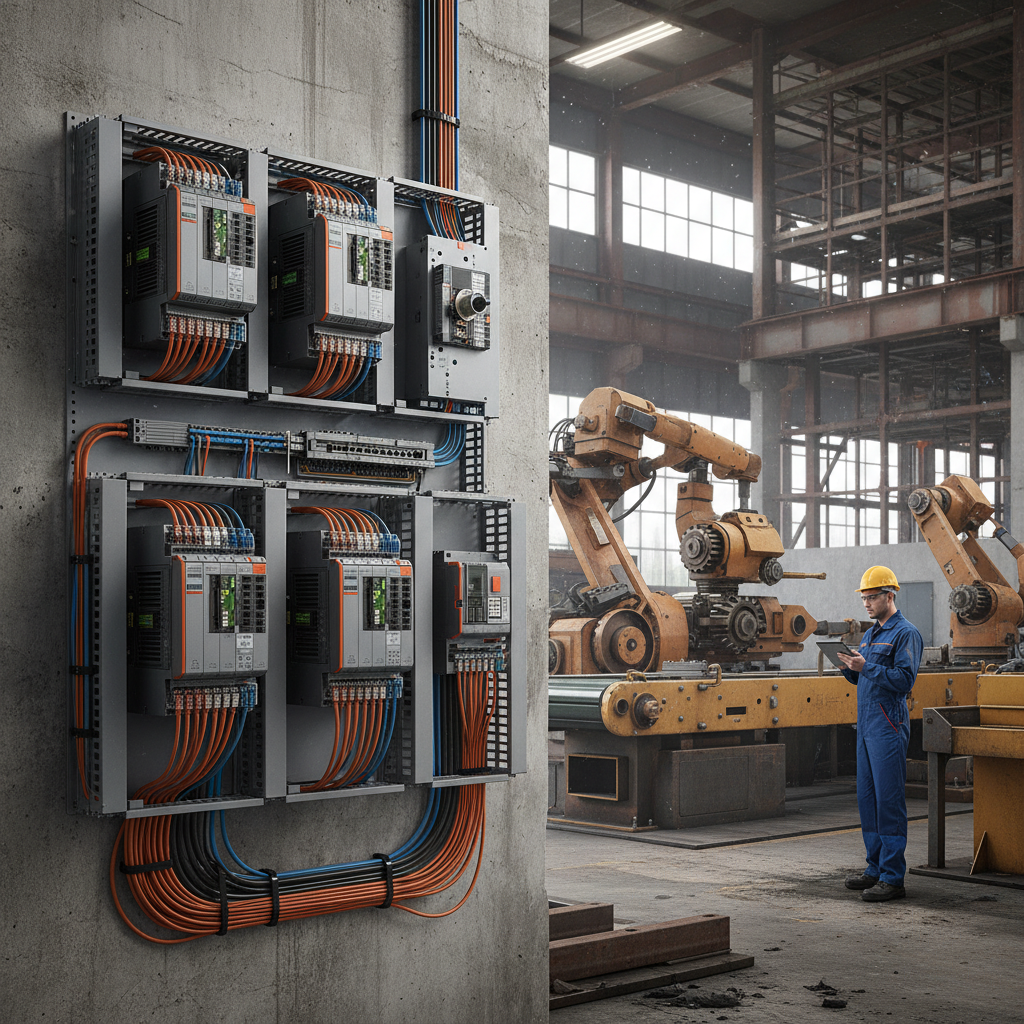
Industries increasingly depend on these systems not just to meet performance metrics but also to push sustainability. Agriculture can conserve water, buildings can reduce electricity use by matching pump output to heating/cooling needs, and water treatment plants can ensure steady pressure, improving service life.
Mini takeaway:
Simply put, VFD pump pressure control equals smarter, adaptable pump operation — crucial for cost savings, efficiency, and reliability.
Core Components of VFD Pump Pressure Control Systems
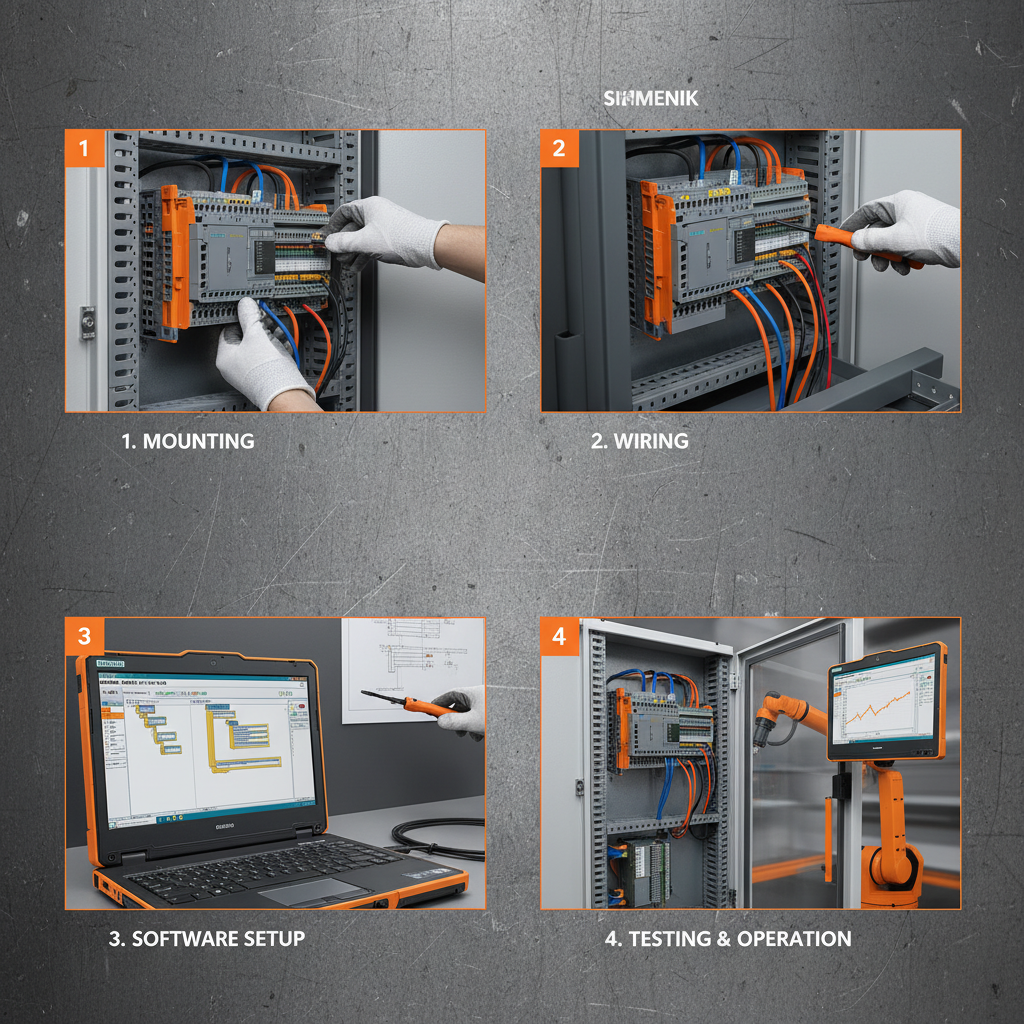
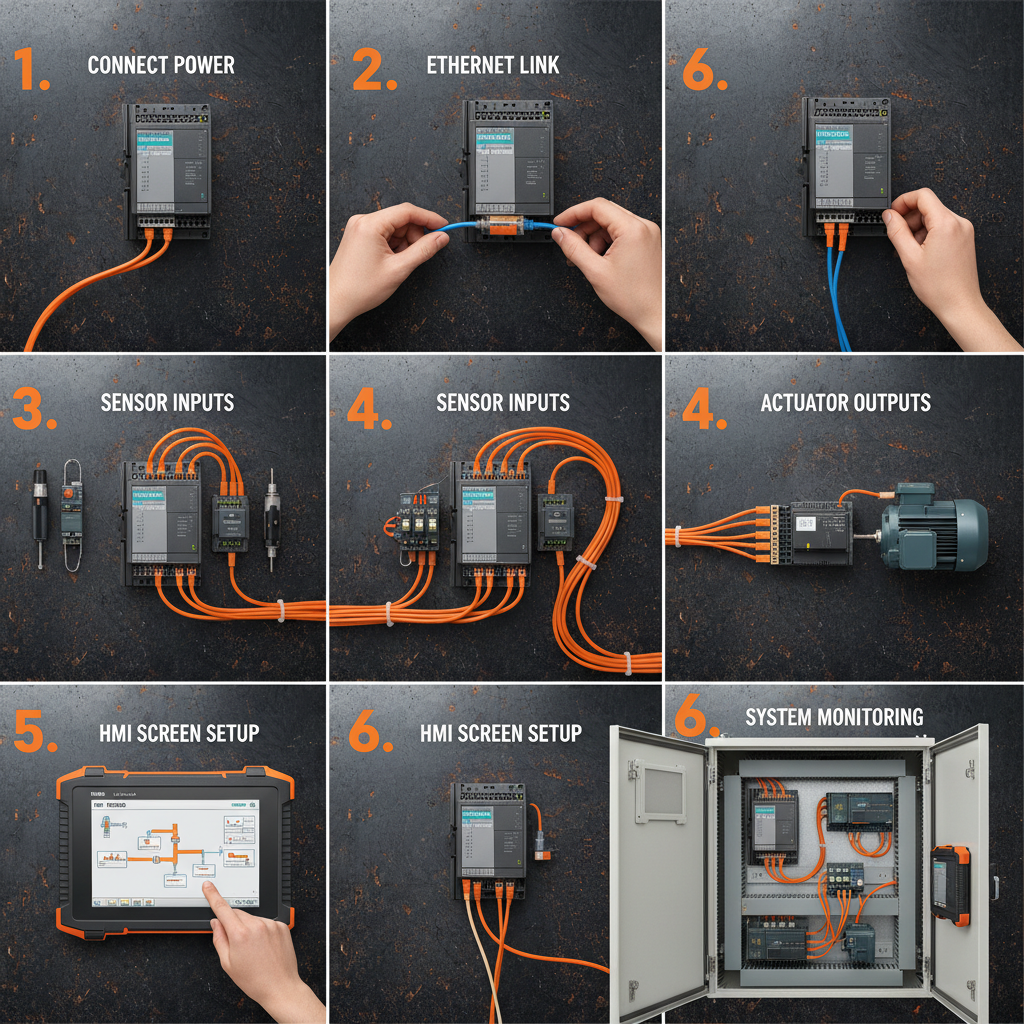
1. Pressure Sensors and Feedback Loops
The heart of any control system is sensing the output. Pressure transducers feed real-time data back to the VFD. Modern sensors are highly accurate and capable of handling harsh environments – no small feat given fluctuating water chemistry or industrial fluids.
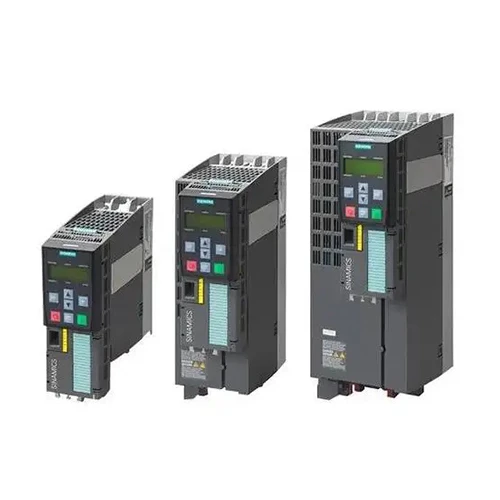
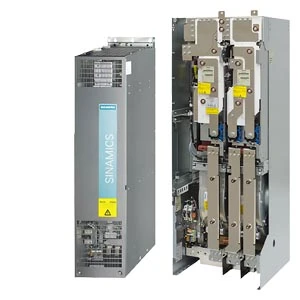
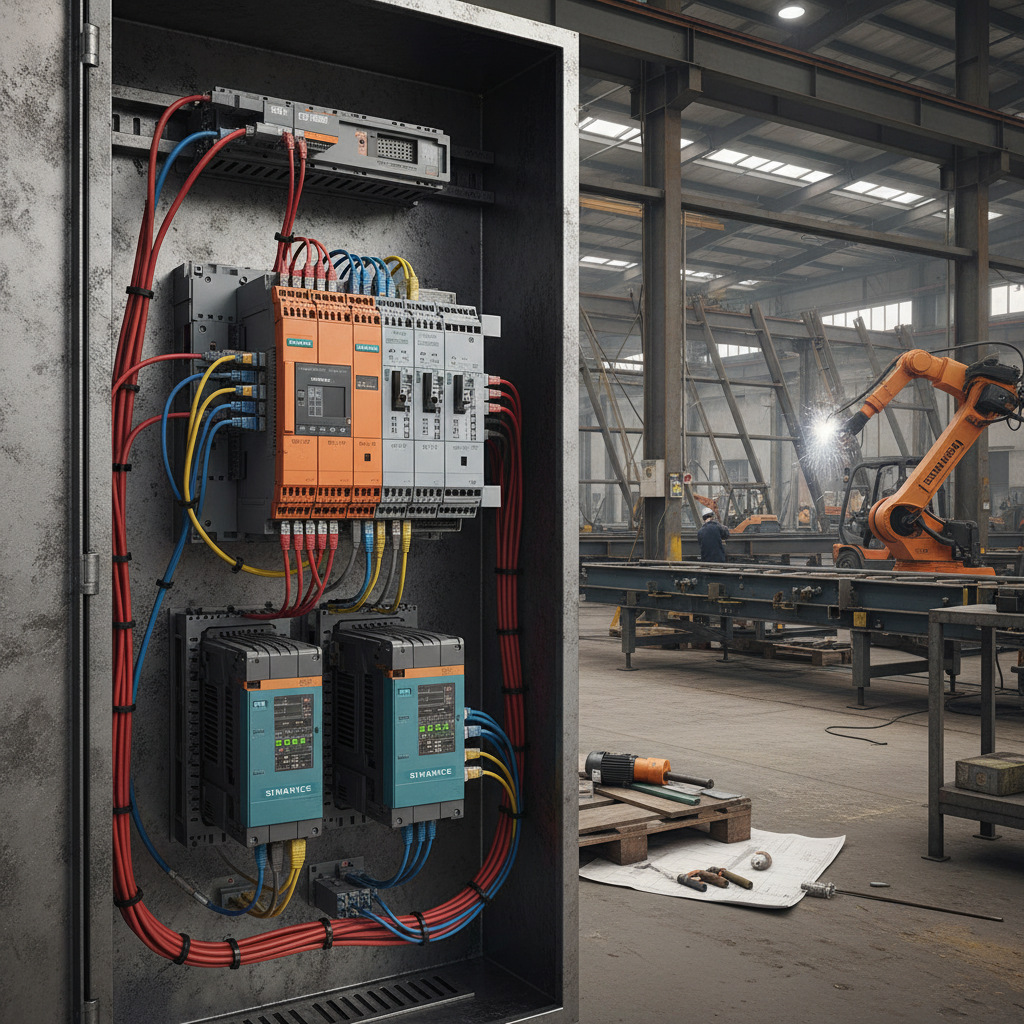
2. Variable Frequency Drive Hardware
These inverters convert AC power frequency and voltage to control motor speed. Energy savings can be dramatic, especially when demand varies widely. Also, they provide soft start/stop capabilities, reducing mechanical stress.
3. Control Algorithms and Software
Not all VFD systems are created equal — advanced algorithms use proportional-integral-derivative (PID) controls and adaptive logic to stabilize pressure with minimal oscillation. That software can even learn over time and compensate for system glitches or aging components.
4. Pump and Motor Assemblies
Pumps must be compatible with variable speeds. Some designs handle low speeds better than others. The combination of motor and pump impacts efficiency, cavitation risks, and maintenance intervals.
5. Communication and Monitoring Systems
Industry 4.0 trends bring remote monitoring and diagnostics into play. Real-time alerts, historic trends, and predictive maintenance reduce downtime and operational surprises.
Summary:
- Pressure sensors ensure accurate feedback.
- VFD hardware adapts motor speed to demand.
- Software algorithms fine-tune control for stability.
- System design must match pump and motor characteristics.
- Remote monitoring upgrades system reliability and insight.
Real-World Applications of VFD Pump Pressure Control
Across continents and sectors, efficient pump control is everywhere:
- Urban Water Supply Networks: Cities like Singapore and Amsterdam use VFD controls to manage variable water demand and reduce energy loads during peak and off-peak periods.
- Agricultural Irrigation: In California’s Central Valley and India’s Punjab region, VFDs help farmers optimize water usage — cutting costs and conserving dwindling resources.
- HVAC Systems: Commercial towers in Dubai or New York leverage pressure-controlled pumps to curb energy bills without sacrificing occupant comfort.
- Disaster Relief Deployment: NGOs use mobile pumping units with VFDs to provide clean water in earthquake zones, adapting pressure for varying terrain and temporary pipelines.
- Chemical and Manufacturing Plants: Process stability needs precise pressure control to maintain product quality and worker safety in places like Germany and Japan.
Mini takeaway:
The flexibility and energy efficiency of VFD pump pressure control empower systems from megacities to remote field operations to function better under unpredictable conditions.
Advantages and Long-Term Value – More Than Just Dollars and Cents
Cost savings are obvious: by reducing motor speed to what’s truly needed, facilities often cut energy use by 20–50%. Yet it’s more than money. Consider
- Extended Equipment Life: Calm starts and stops reduce mechanical stress and maintenance downtime.
- Sustainability: Lower energy use means less greenhouse gas emissions — critical as industries face mounting environmental regulations.
- Process Stability: Maintaining steady pressure boosts product quality in manufacturing and avoids supply interruptions.
- Safety and Trust: Systems that avoid surges prevent pipe bursts and failures that could threaten workers and communities.
There’s an emotional element, too — communities served by reliable water pressure gain dignity, and operators gain trust in the technology.
VFD Pump Pressure Control Today: Technical Specs You Might Find Useful
| Specification | Typical Range | Comments |
|---|---|---|
| Power Rating | 0.75 kW – 500 kW | Suitable for small to large pump motors |
| Control Accuracy | ±0.5% Pressure Setpoint | Depends on sensor and algorithm quality |
| Input Voltage | 200-480 VAC (3-phase) | Typical industrial supply voltage |
| Communication Protocols | Modbus, Profibus, Ethernet/IP | Supports integration into industrial automation systems |
| Ambient Temperature | -10°C to +50°C | Standard operating environment range |
Comparing Leading Vendors in VFD Pump Pressure Control
| Vendor | Key Strengths | Typical Applications | Notable Feature |
|---|---|---|---|
| Siemens | Robust industrial-grade drives, global support | Water treatment, manufacturing plants | Integrated PID and cloud diagnostics |
| Schneider Electric | Flexible software, user-friendly interface | Building HVAC, irrigation systems | EcoStruxure platform compatibility |
| Yaskawa | High efficiency, compact design | Chemical processing, OEM equipment | Advanced harmonic mitigation |
| Tianjin Yongkai | Specialized focus on VFD pump pressure control | Water supply, industrial automation | Innovative pressure control algorithms |
Emerging Trends in VFD Pump Pressure Control
There’s a lot brewing on the horizon:
- IoT and AI Integration: Pumps communicating with IoT networks can optimize operations based on predictive analytics and weather patterns — especially exciting for irrigation.
- Renewable Energy Pairing: Solar or wind-powered pumping stations increasingly rely on VFDs to handle variable input power efficiently.
- Enhanced Materials and Cooling: Improving inverter durability in harsh environments means broader deployment across industries.
- Edge Computing: Local processing reduces latency in control, making pressure adjustments faster and more reliable.
Challenges and Smart Solutions
Not everything is smooth sailing. Here are a few hurdles:
- Initial Setup Cost: VFD systems can be pricier upfront than basic pump control — but the ROI is often underappreciated.
- Technical Expertise: Proper commissioning and tuning require skilled staff. Fortunately, training and vendor support have improved.
- Compatibility: Not all pumps or motors tolerate variable speeds well — selecting correct combinations is key.
- Electromagnetic Interference (EMI): VFDs can generate noise affecting nearby sensitive equipment, requiring mitigation measures.
New training programs, smarter auto-tuning software, and advances in drive design are steadily addressing these challenges.
Frequently Asked Questions About VFD Pump Pressure Control
- How does vfd pump pressure control reduce energy consumption?
- By adjusting pump motor speed to match exact pressure needs instead of running full speed continuously, the system avoids unnecessary power use, often cutting energy consumption by up to half in variable demand scenarios.
- Can vfd pump pressure control be installed on existing pump systems?
- Yes, many VFD drives are retrofittable onto existing pump motors if the motor design supports variable speed operation. Professional assessment is recommended to ensure compatibility and safety.
- What industries benefit the most from this technology?
- Water utilities, agriculture, HVAC, pharmaceuticals, and chemical processing are among the top beneficiaries due to their need for precise pressure regulation and energy efficiency.
- Does using VFDs require special maintenance?
- While VFDs themselves require periodic inspection, they often reduce overall pump and motor wear, leading to lower maintenance frequency for the entire pumping system.
- Are there environmental benefits beyond energy savings?
- Yes, reduced energy use lowers carbon emissions; in water systems, smooth pressure control reduces pipeline bursts and leaks, conserving precious water resources.
Conclusion: The Smart Future of Pump Pressure Control
Looking ahead, vfd pump pressure control isn’t just a niche technical detail — it’s a cornerstone of efficient, reliable, and sustainable fluid management worldwide. Whether it’s supporting the steady clean water supply for a flourishing city or powering irrigation in drought-prone farmlands, the benefits across economic, environmental, and social dimensions are compelling.
If you’re considering upgrading or integrating such systems, take a look at industry leaders — including Tianjin Yongkai’s innovative offerings. They combine advanced algorithms with robust hardware, making pressure control smarter and easier than ever.
Interested? Visit our website to explore products, case studies, and expert support that help you implement cutting-edge vfd pump pressure control solutions for your needs.
References: