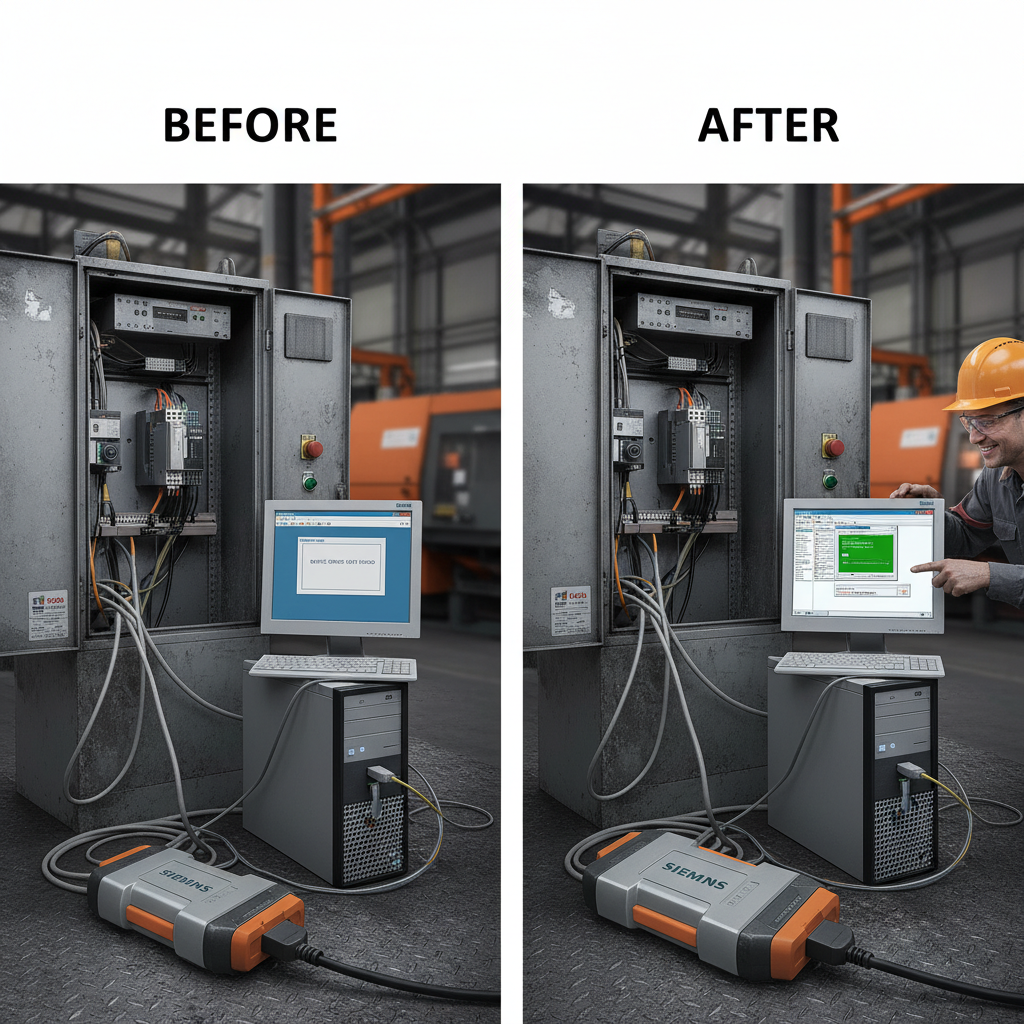
Understanding VFD Devices: Energy-Saving Motor Control Solutions for Industry
The Global Relevance of VFD Devices: Why It Matters
Variable Frequency Drive (VFD) devices may not be front-page news, but they quietly power much of the world’s industry and infrastructure. At their core, vfd devices regulate the speed and torque of electric motors by varying frequency and voltage. This translates into smarter energy use, longer equipment life, and reduced operational costs — perks that matter whether you're running a skyscraper’s HVAC or an industrial conveyor halfway around the globe.
Globally, with rising energy demands and tightening sustainability goals, understanding the impact of vfd devices is crucial. According to the International Energy Agency, electric motor-driven systems consume nearly 50% of worldwide electricity (1). That’s a massive footprint—and with VFDs, operators can trim that down significantly. The result benefits businesses, communities, and even our planet.
A Closer Look: What Exactly Is a VFD Device?
Simply put, a vfd device is an electronic controller that manages the rotational speed of an electric motor by adjusting its input frequency and voltage. Think of it as a sophisticated dimmer switch for motors, but instead of light brightness, it controls speed and torque.
This control improves process accuracy and efficiency in industries ranging from manufacturing to water treatment, and even humanitarian efforts like disaster relief, where reliable power management means everything.
Core Components and Key Factors of VFD Devices
1. Durability
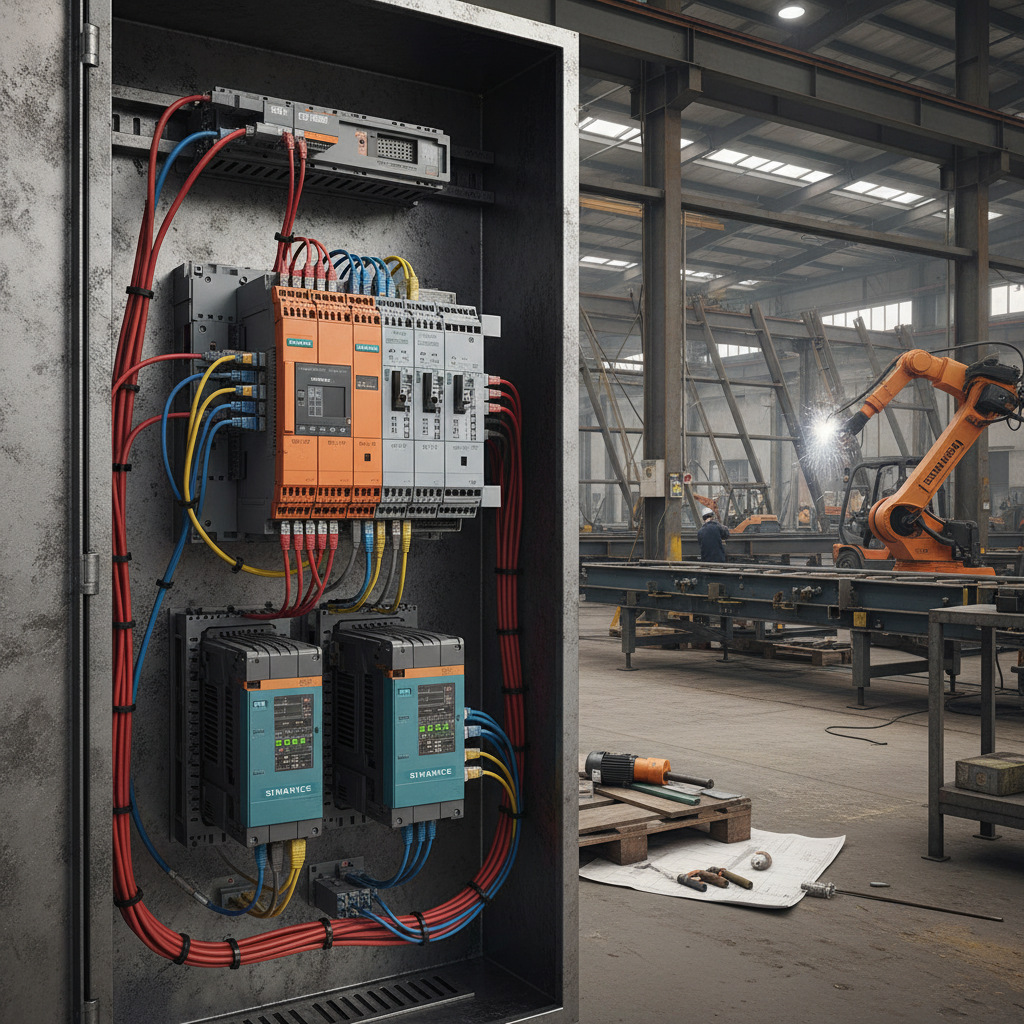
Durability matters a lot when you consider the environments that vfd devices operate in—from dusty factories to humid coastal plants. Engineers prioritize robust housing, surge protection, and thermal management to ensure longevity.
2. Energy Efficiency
VFDs adjust energy consumption intelligently. By running motors only as fast as needed, they cut waste and help companies comply with international standards like ISO 50001 on energy management.
3. Scalability and Flexibility
Whether it’s a tiny pump or a massive industrial fan, modern VFDs can be tailored for a range of motor sizes. This flexibility also supports integration with automation systems, driving Industry 4.0 initiatives.
4. Ease of Integration
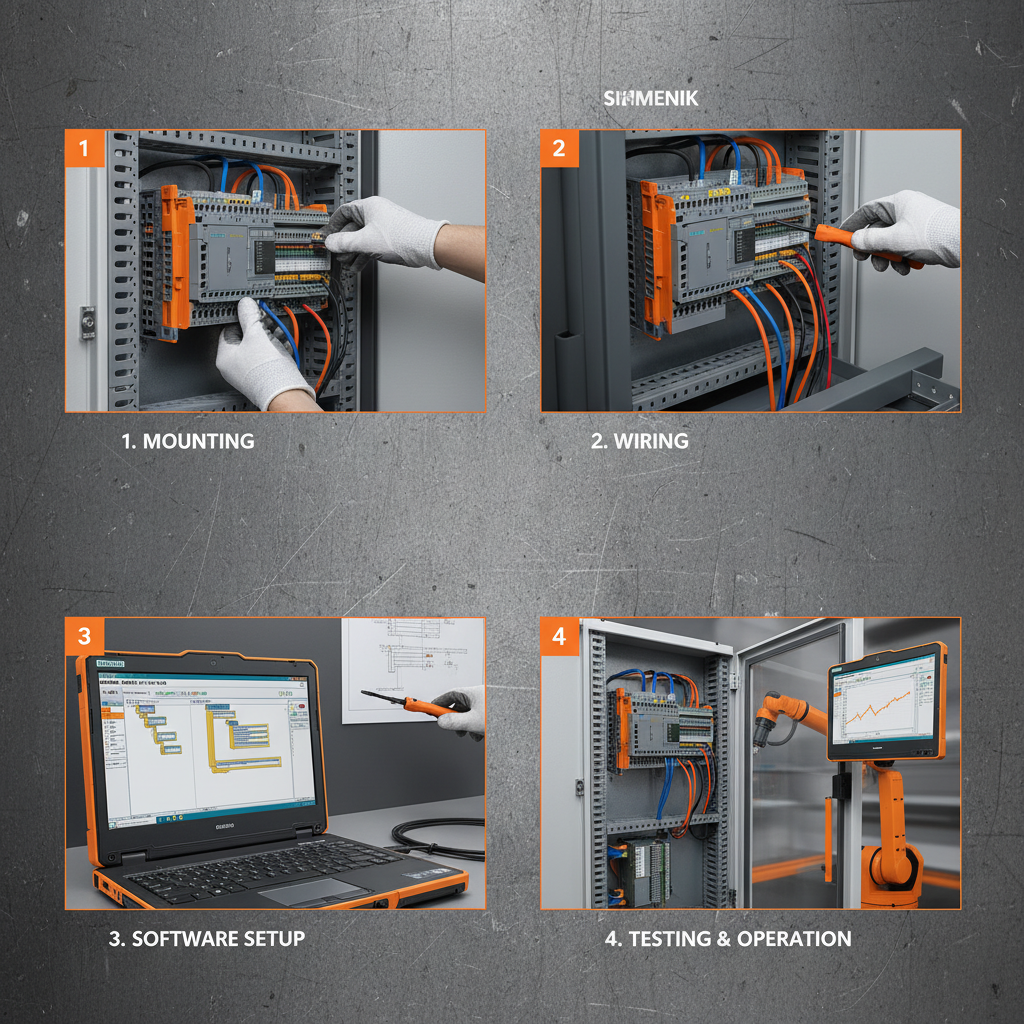
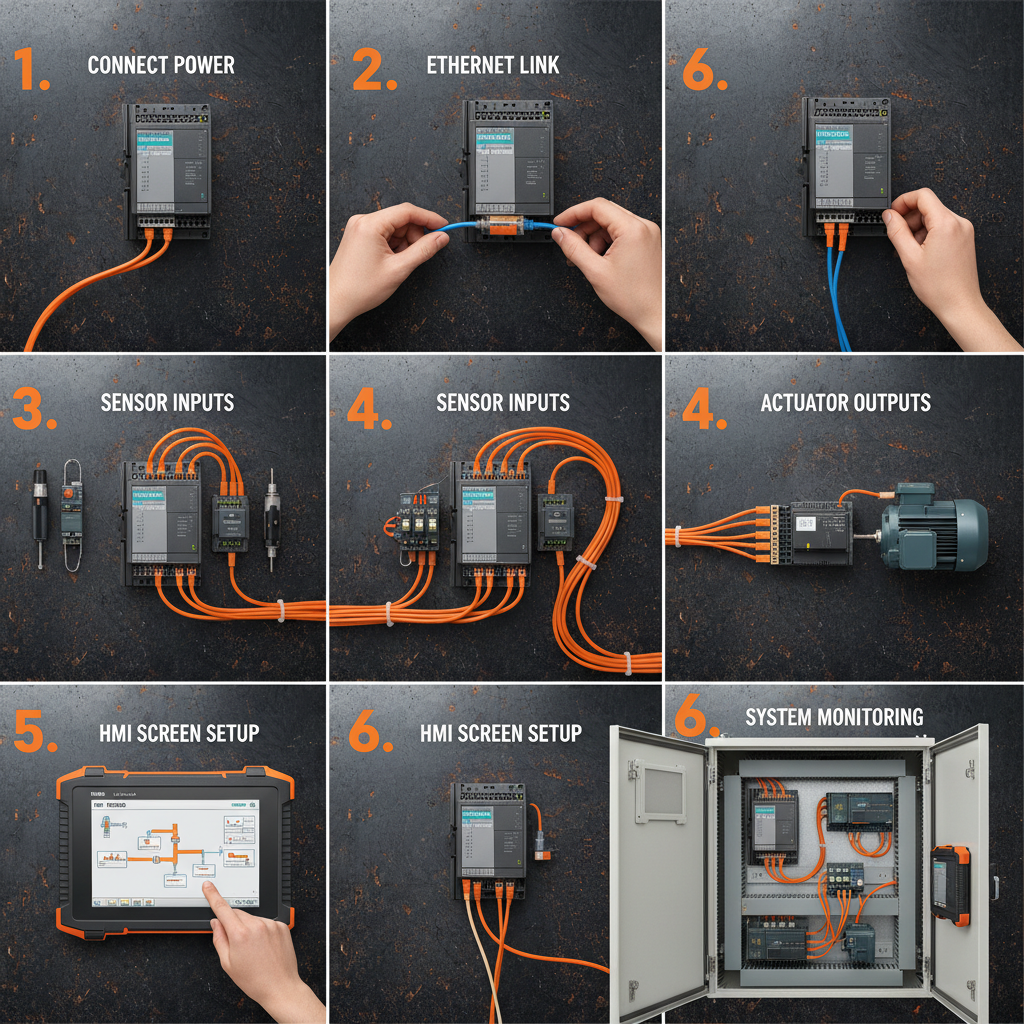
Because they’re often introduced into existing setups, VFDs need to be plug-and-play friendly, with intuitive interfaces and adaptable communication protocols—think Modbus, Ethernet, and beyond.
5. Cost Efficiency
While the upfront price can be a bit higher than conventional starters, the operational savings usually pay for themselves within months or a few years. Reduced maintenance, less downtime, and decreased electricity bills add up.
Mini takeaway: In real terms, the effectiveness of a VFD boils down to these core qualities—tough design, smart energy use, adaptability, easy control, and clear economic benefits.
Real-World Applications: How VFD Devices Shape Industry and Beyond
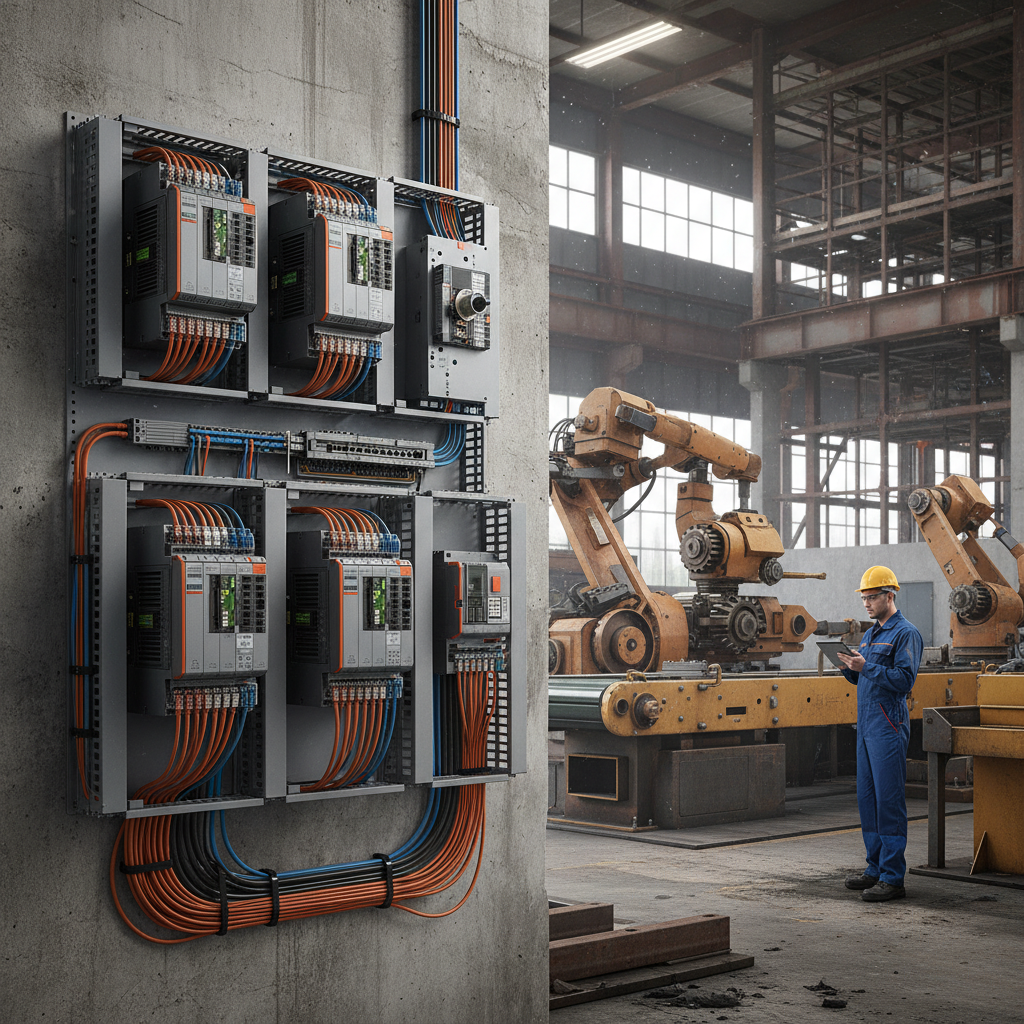
Around the globe, vfd devices quietly keep critical machines humming. For instance, in Southeast Asia’s rapidly industrializing zones, VFDs optimize energy use in manufacturing plants, slashing costs and emissions. In North America, municipal water systems use them to regulate pump speeds, ensuring consistent supply without wasting energy.
Oddly enough, humanitarian agencies sometimes leverage VFD technology for reliable, efficient power in remote relief operations. Because portable water purification and food storage depend on consistent power, these devices serve a quiet but critical role.
Industries benefiting from VFD technology include:
- Manufacturing and automation
- Renewable energy systems
- Water and wastewater treatment
- Mining and heavy industry
- HVAC and building management
Mini takeaway: VFD devices practically touch every sector needing efficient motor control, proving their versatility and importance worldwide.
Product Specifications: A Typical VFD Device Breakdown
| Specification | Typical Value / Feature |
|---|---|
| Input Voltage | 200-480 V AC |
| Frequency Range | 0 to 400 Hz |
| Power Rating | 0.5 to 500 kW |
| Control Type | Vector / Scalar control |
| Communication Protocols | Modbus, CANopen, Ethernet/IP |
| Operating Temperature | -10 °C to 50 °C |
Leading Manufacturers: How the Top Vendors Stack Up
| Vendor | Range (kW) | Energy Efficiency | Ease of Integration | Typical Use Cases |
|---|---|---|---|---|
| Siemens | 0.75 - 630 kW | High (IE3+) | Excellent | Manufacturing, HVAC, Water |
| Schneider Electric | 0.37 - 560 kW | High | Very Good | Industrial Automation, Mining |
| Yaskawa | 0.2 - 400 kW | Moderate to High | Good | Packaging, Food Processing |
| Tianjin Yongkai | 0.5 - 500 kW | High | Flexible, customizable | Building automation, Industrial plants |
Exploring the Advantages and Long-Term Value of VFD Technology
One can't overstate the tangible benefits of deploying vfd devices. They spark substantial electricity savings—imagine slashing your power bill by 20-50% on equipment that otherwise runs full blast. That translates to significant environmental impact, too, supporting sustainability goals.
Moreover, VFDs improve mechanical system longevity. By soft-starting motors and preventing abrupt stops, wear-and-tear decreases dramatically. From a social perspective, improved equipment reliability means safer workplace conditions and less downtime, which people truly appreciate.
Emotionally, it’s reassuring to know equipment is running smartly—not wasted energy or sudden failures. For industries aiming to build trust with regulators or communities, VFDs serve as a symbol of innovation and commitment.
The Future of VFD Devices: Trends and Innovations
Interestingly, VFD technology isn’t static. Advances in digitalization and IoT mean that most modern VFD devices come with smart monitoring and predictive maintenance capabilities. This is a game changer for large industrial operations wanting to avoid unexpected downtime.
Further, integration with renewable energy sources—especially solar and wind—is on the rise, helping motor-driven systems adjust flexibly as grid inputs fluctuate. It's almost poetic how technology meant to tame electric motors is now playing a part in taming our energy climate challenges.
Materials science is also contributing: heat-resistant, more compact components improve reliability in harsh environments, while energy-efficient cooling solutions reduce device overhead.
Common Challenges and How to Address Them
Despite their advantages, VFDs aren’t without challenges. For example, vibrations caused by variable speed can stress connected equipment. That’s why proper engineering design and preventive maintenance are indispensable.
Also, upfront costs and complexity can deter smaller operations. But with increasing vendor support—like vfd device supplier Tianjin Yongkai offering customizable solutions—these hurdles are shrinking. Training and modular design help ease adoption.
FAQ: Frequently Asked Questions About VFD Devices
- Q: How does a VFD device save energy compared to traditional motors?
- A: By adjusting motor speed to match actual demand instead of running full throttle constantly, VFDs reduce wasted energy, resulting in lower electricity consumption and less mechanical stress.
- Q: Can VFD devices be installed on existing motor systems?
- A: Yes, in many cases VFDs retrofit existing motors without major rewiring. However, compatibility checks and sometimes motor rewinding or replacements may be necessary for older systems.
- Q: What are typical maintenance needs for VFD devices?
- A: Routine cleaning, checking cooling fans and filters, and software updates are usually sufficient. Predictive monitoring via online diagnostics is becoming more common for proactive care.
- Q: Are VFDs suitable for harsh industrial environments?
- A: Absolutely. Many manufacturers design VFDs with rugged enclosures, surge protection, and thermal controls to operate reliably in dust, moisture, and temperature extremes.
- Q: How do I choose the right VFD for my application?
- A: Consider motor power, control complexity, integration needs, and environmental factors. Consulting with vendors or using thorough specification tools can guide your decision.
In Conclusion: Why Investing in VFD Devices is a Smart Move
Ultimately, VFD technology is one of those quiet revolutions driving smarter, greener, and more reliable industrial and commercial systems. From energy savings to enhanced process control, these devices bring long-term value to operators worldwide. If you’re looking to optimize motor systems or leap into Industry 4.0, understanding and adopting vfd devices should definitely be on your radar.
For more detailed product options and expert advice, visit Tianjin Yongkai’s site — it’s where innovation meets practicality in VFD technology.