What Is Vfd And How It Works – Understanding Variable Frequency Drives for Industrial Automation
What Is Vfd And How It Works is a key solution in the industry, specifically within industrial automation and motor control sectors. This article explores how https://www.tianjinyongkai.com supports professionals with durable, high-performance products, and explains why this product is an ideal choice for businesses in these sectors.
Table of Contents
- What Is Vfd And How It Works Overview
- Benefits & Use Cases of What Is Vfd And How It Works
- Cost, Maintenance & User Experience
- Sustainability & Market Trends
What Is Vfd And How It Works Overview
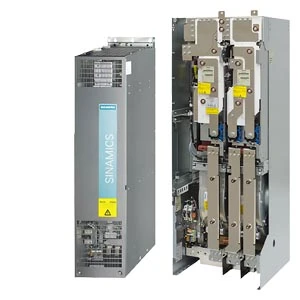
Variable Frequency Drives (VFDs) are somewhat the unsung heroes behind efficient motor control in many manufacturing and processing industries. In essence, a VFD adjusts the frequency and voltage supplied to an electric motor, allowing precise control over its speed rather than running it at a fixed full speed all the time. If you think about it, it’s like having a dimmer switch for motors — smooth, adaptable control rather than just on/off.
Technically speaking, a VFD converts incoming AC power to DC through a rectifier, and then uses an inverter to generate optimized AC waveforms at the desired frequency. This ability enables enormous energy savings, especially in applications with variable load demands. Tianjin Yongkai’s VFD products are known for robust design and advanced microprocessor controls — packed with features like PID control, programmable logic, and built-in protections that keep things running smoothly. Their latest models also come with user-friendly interfaces and communication ports supporting industry-standard protocols.
| Specification | Details |
|---|---|
| Voltage Range | 220V - 690V AC |
| Frequency Range | 0 - 400 Hz |
| Power Output | 0.75 kW to 630 kW |
| Control Method | V/F Control, Vector Control |
| Communication Interfaces | Modbus, CANopen, Ethernet TCP/IP |
| Protection Features | Overvoltage, Overload, Short Circuit, Phase Loss |
Benefits & Use Cases of What Is Vfd And How It Works
VFDs show up in all sorts of industrial applications: from controlling conveyor belts in logistics warehouses to pumping systems in wastewater treatment plants and HVAC units in massive commercial complexes. The main draw? Energy efficiency. Imagine the cost-savings when your motor isn’t running at full blast 24/7 but dialing its speed per need. Fans, pumps, compressors — their power profiles often fluctuate widely, making VFDs indispensable.
What sets the VFDs from Tianjin Yongkai apart is their blend of reliability and adaptability. Users often mention the rugged hardware capable of operating in tough environments — dust, humidity, even vibration — without hiccups. Plus, advanced algorithms mean smoother motor startup and braking, which helps extend equipment life and reduce maintenance downtime. Installation tends to be straightforward, making them attractive for retrofits in existing plants.
In real terms, many engineering managers say the flexibility offered by these drives translates into less mechanical stress and more consistent process control — especially critical in sectors where precision matters, such as chemical production or automated assembly lines.
Cost, Maintenance & User Experience
If you’re weighing total cost of ownership, VFDs undoubtedly require upfront investment, but the payoff is usually well worth it. Reduced energy consumption significantly lowers operating expenses, often translating into payback periods within a couple of years. Don’t forget less wear-and-tear on motors and mechanical systems — that means fewer breakdowns and repairs down the line.
Customers frequently applaud the intuitive user interfaces and diagnostics functions. Tianjin Yongkai’s units offer clear fault codes and real-time monitoring, which simplifies maintenance for onsite technicians. One plant manager I spoke with pointed out how the remote monitoring capability helped anticipate failures before they occurred — a real game changer.
In terms of durability, these drives are built tough. Industrial environments are often unforgiving, but the VFDs’ protective features and robust enclosures mean they stand up well to the test. That’s important: having a quiet, reliable piece of gear in the background rather than frequently pulling technicians off other projects.
Sustainability & Market Trends
Sustainability is more than just a buzzword; it’s becoming a baseline expectation in industrial sectors worldwide. VFD integration directly contributes by reducing energy waste and supporting compliance with increasingly strict environmental regulations. There’s also a growing momentum around carbon footprint reduction, which basically makes efficient motor control a must-have.
Oddly enough, the market for VFDs is expanding rapidly as smart manufacturing and Industry 4.0 concepts take hold. Drives like those from Tianjin Yongkai now incorporate IoT features, predictive analytics, and tighter integration with automation platforms, pushing industry standards higher. This trend reflects a clear shift towards smarter, greener factories.
| Feature | Tianjin Yongkai | Vendor A | Vendor B |
|---|---|---|---|
| Voltage Range | 220V - 690V | 200V - 600V | 230V - 660V |
| Power Output | 0.75kW - 630kW | 0.5kW - 500kW | 1kW - 550kW |
| Communication Protocols | Modbus, CANopen, Ethernet | Modbus, Profibus | Ethernet, DeviceNet |
| Remote Monitoring | Yes | Limited | No |
| Environmental Protection | IP55 | IP20 | IP44 |
Frequently Asked Questions about What Is Vfd And How It Works
- What is What Is Vfd And How It Works and how does it work?
- Simply put, a Variable Frequency Drive controls the speed of an electric motor by adjusting the frequency of power supplied. It converts incoming AC to DC and back to AC at variable frequencies, allowing motors to run more efficiently than just being switched on or off at full power.
- What are the main benefits of using What Is Vfd And How It Works in industrial applications?
- Key advantages include significant energy savings, reduced mechanical stress on motors, improved process control precision, lower maintenance costs, and compliance with environmental regulations. These translate into tangible cost-efficiency gains in industries with variable load demands.
- How does What Is Vfd And How It Works compare to traditional alternatives?
- Compared to fixed-speed motor starters or mechanical controllers, VFDs offer superior energy management, smoother acceleration and deceleration, and remote monitoring abilities. This modern control method reduces wear and facilitates smarter automated systems.
- What industries can benefit most from What Is Vfd And How It Works implementation?
- Industries like manufacturing, water treatment, HVAC, mining, and chemical processing all find VFDs invaluable, as these sectors rely heavily on motors with fluctuating speed demands and benefit greatly from energy savings and precision control.
Conclusion on What Is Vfd And How It Works from china
In conclusion, the VFD solutions from Tianjin Yongkai represent a mature, reliable choice for businesses looking to optimize motor-driven processes. Their products combine advanced technology with practical durability, helping companies cut energy costs, improve control, and stay compliant with environmental standards.
- Recap the value of What Is Vfd And How It Works.
- - Visit our website: https://www.tianjinyongkai.com
Reflecting on these drives, it feels like embracing VFD technology isn't just a smart operational decision but a necessary step towards sustainable industry. After all, it’s the quiet efficiencies that really add up.
References:
1. Tianjin Yongkai Product Datasheets
2. Industry Case Studies on Motor Control
3. Energy Efficiency Guidelines for Industrial Motors