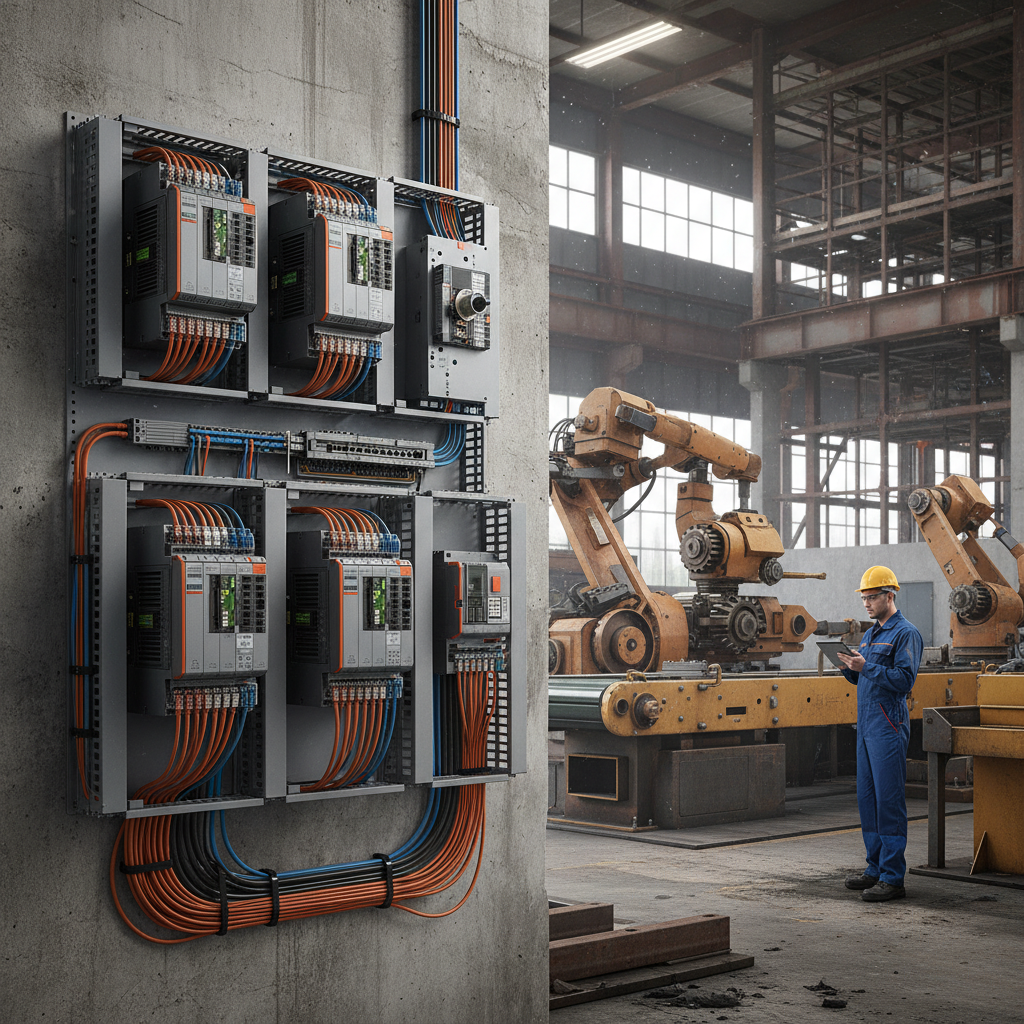
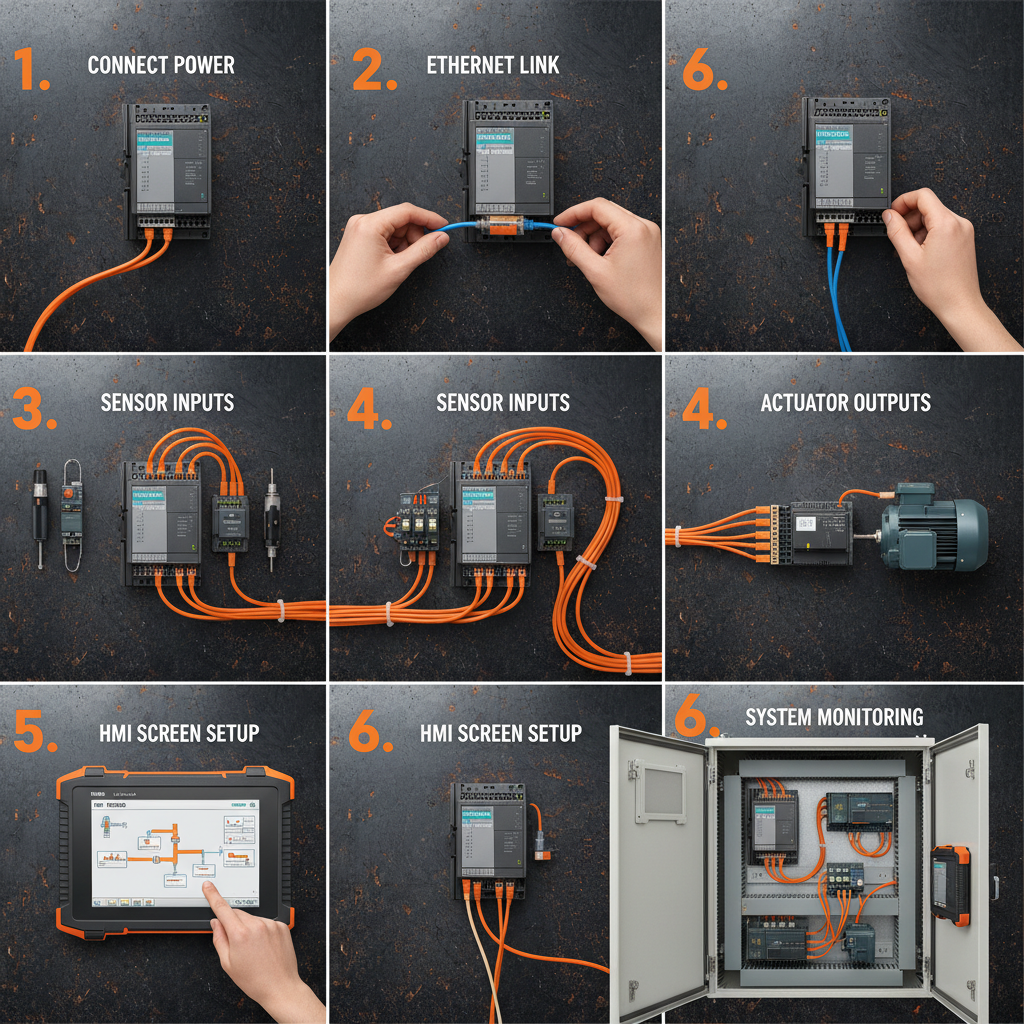
Comprehensive Guide to S7 PLC Programming for Industrial Automation Systems
S7 PLC Programming: A Comprehensive Guide
Siemens S7 PLCs are a cornerstone of industrial automation, known for their reliability and power. S7 PLC programming requires a specific skillset and understanding of the Siemens ecosystem. This article provides a detailed overview of S7 PLC programming, covering the languages used, software options, common applications, and resources for learning. Whether you're a beginner looking to enter the field or an experienced engineer seeking to expand your knowledge, this guide will provide valuable insights. We'll explore the intricacies of this essential skill and how it drives modern industrial processes.
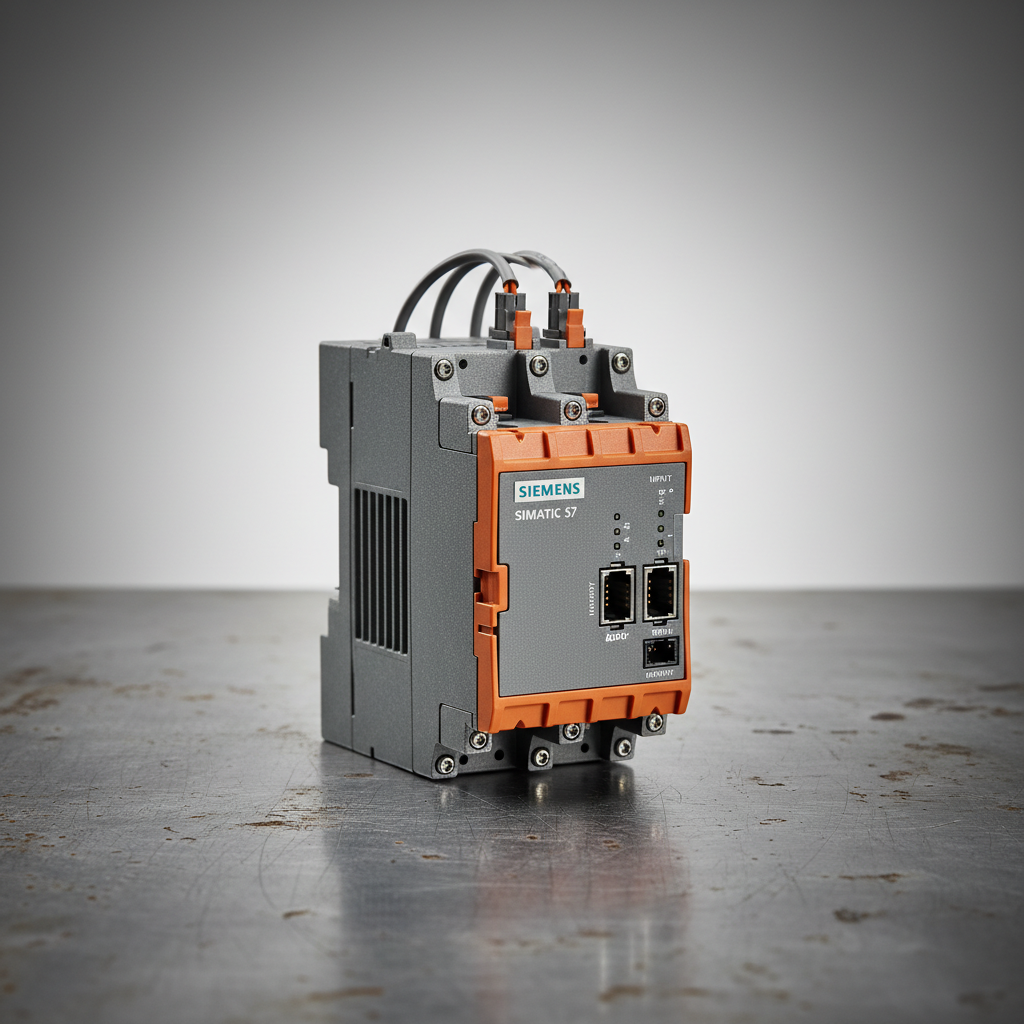
Understanding S7 PLC Programming Languages
Siemens S7 PLCs support multiple programming languages defined by the IEC 61131-3 standard. These languages allow engineers to create logic to control industrial processes. The most commonly used languages include:
- Ladder Diagram (LAD): A graphical language resembling electrical relay logic. It's intuitive for electricians and those familiar with traditional control systems.
- Function Block Diagram (FBD): A graphical language using pre-defined function blocks to create complex control logic.
- Statement List (STL): A low-level, text-based language similar to assembly language.
- Structured Text (ST): A high-level, text-based language similar to Pascal. It’s often preferred for complex algorithms and data manipulation.
- Sequential Function Chart (SFC): A graphical language used to describe sequential processes and state machines.
The choice of language depends on the application, the engineer’s preference, and the complexity of the control task. Many projects utilize a combination of these languages to leverage their individual strengths. Tianjin Yongkai provides comprehensive training in all these languages.
Key Takeaway: The IEC 61131-3 standard ensures interoperability and provides a framework for developing robust and maintainable PLC programs.
Siemens Software Options for S7 PLC Programming
Siemens offers several software packages for programming S7 PLCs, each with varying features and capabilities:
- TIA Portal (Totally Integrated Automation Portal): The flagship software suite for S7-1200, S7-1500, and S7-300/400 PLCs. It provides a unified engineering environment for programming, configuration, and HMI development.
- STEP 7 (Classic): A legacy software package primarily used for S7-300 and S7-400 PLCs. While still supported, TIA Portal is the recommended platform for new projects.
- STEP 7 Micro/WIN: A simplified programming environment for smaller S7-200 PLCs.
TIA Portal is the most powerful and versatile option, offering advanced features like integrated simulation, team engineering, and hardware diagnostics. Selecting the appropriate software depends on the PLC model and project requirements. Our engineers are proficient in all Siemens software platforms.
Software Comparison:
• TIA Portal: Most advanced, supports S7-1200/1500/300/400, integrated simulation.
• STEP 7 (Classic): Legacy, supports S7-300/400, limited features.
• STEP 7 Micro/WIN: Simplified, supports S7-200, basic functionality.
S7 PLC Programming Applications
S7 PLCs are deployed in a wide range of industrial applications, including:
- Manufacturing: Controlling production lines, robotics, and automated assembly systems.
- Process Control: Monitoring and regulating parameters in chemical plants, oil refineries, and water treatment facilities.
- Building Automation: Managing HVAC systems, lighting, and security in commercial buildings.
- Material Handling: Controlling conveyors, automated storage and retrieval systems (AS/RS), and packaging machines.
- Power Generation & Distribution: Monitoring and controlling power plants, substations, and grid infrastructure.
The versatility and scalability of S7 PLCs make them suitable for applications of all sizes and complexities. We specialize in developing custom S7 PLC solutions for diverse industrial needs.
S7 PLC Programming Best Practices
Developing robust and maintainable S7 PLC programs requires adherence to best practices:
- Modular Design: Break down complex tasks into smaller, reusable modules.
- Clear Documentation: Thoroughly document all code and configurations.
- Meaningful Variable Names: Use descriptive names to enhance readability.
- Error Handling: Implement robust error detection and handling mechanisms.
- Version Control: Utilize version control systems to track changes and facilitate collaboration.
Following these practices will significantly improve the quality and reliability of your S7 PLC programs. Our team is dedicated to delivering high-quality, well-documented PLC solutions.
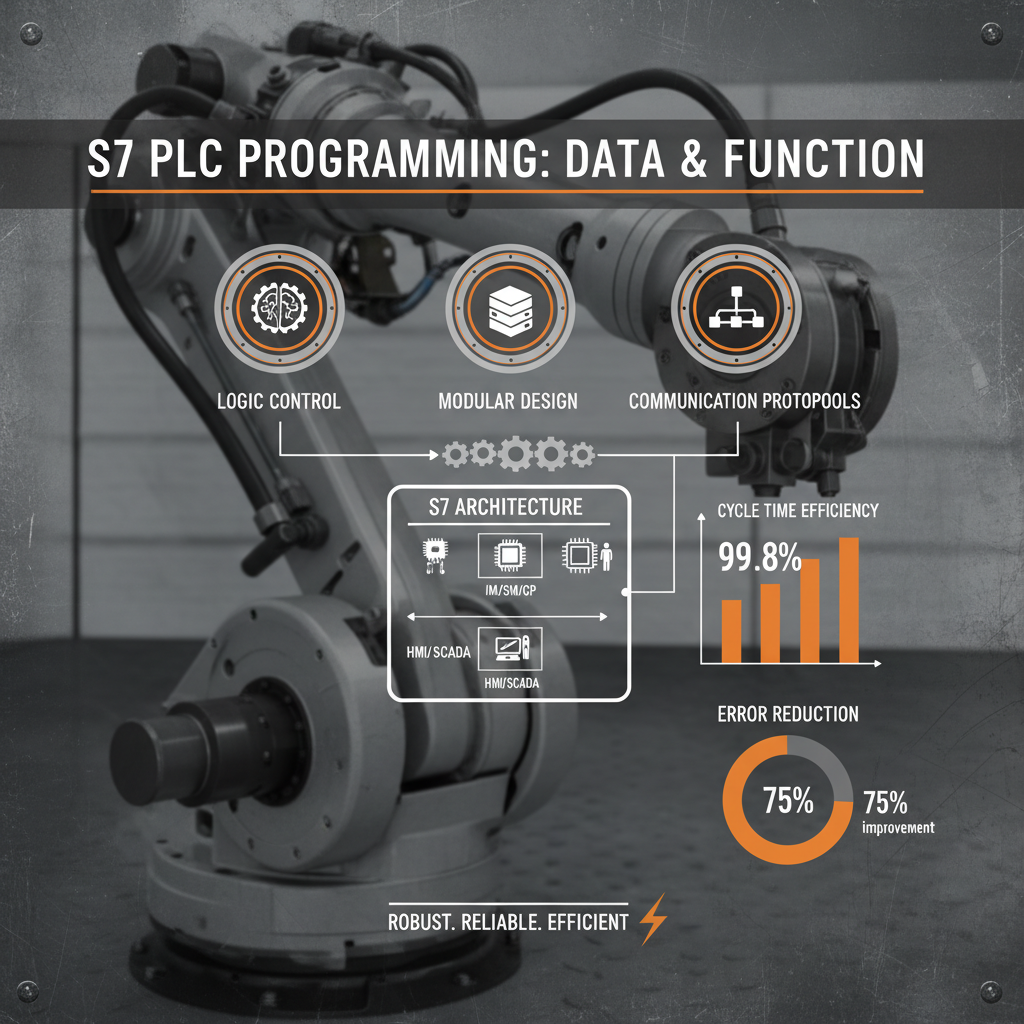
Resources for Learning S7 PLC Programming
Numerous resources are available for learning S7 PLC programming:
- Siemens Industry Online Support: Official documentation, FAQs, and tutorials.
- Online Courses: Platforms like Udemy and Coursera offer comprehensive S7 PLC programming courses.
- Training Centers: Siemens-certified training centers provide hands-on learning experiences.
- Forums and Communities: Online forums and communities offer a platform to connect with other engineers and share knowledge.
Continuous learning is essential to stay up-to-date with the latest advancements in S7 PLC technology. We also offer custom training programs to meet your specific needs.
Conclusion: Mastering S7 PLC Programming for Industrial Success
S7 PLC programming is a vital skill for professionals in industrial automation. By understanding the programming languages, software options, and best practices, you can develop robust and efficient control systems. Investing in training and staying current with the latest technology will ensure your success in this dynamic field. Contact Tianjin Yongkai for expert S7 PLC programming services and training.
Frequently Asked Questions (FAQs)
What are the key differences between Ladder Diagram (LAD) and Function Block Diagram (FBD)?
Ladder Diagram (LAD) is a graphical language that closely resembles electrical relay logic, making it intuitive for electricians. It's ideal for simpler control tasks. Function Block Diagram (FBD), also graphical, uses pre-defined function blocks that encapsulate specific functions. FBD excels at managing complex processes and data flow due to its modularity and reusability. LAD focuses on sequential control, while FBD emphasizes functional relationships. The best choice depends on the specific application's needs and the programmer's preference.
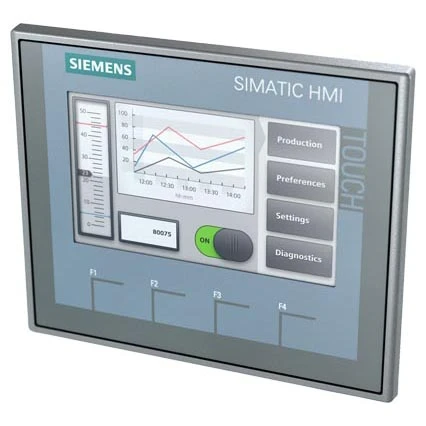
What is the role of HMI (Human-Machine Interface) in S7 PLC systems?
The HMI serves as the interface between the operator and the PLC system. It allows operators to monitor process variables, control equipment, and acknowledge alarms. HMIs typically provide graphical displays, trend charts, and data logging capabilities. They are crucial for providing a user-friendly and efficient way to interact with the automation system. TIA Portal allows for seamless integration between PLC programming and HMI development.
How important is cybersecurity in S7 PLC programming?
Cybersecurity is paramount in modern S7 PLC systems. PLCs control critical infrastructure, making them attractive targets for cyberattacks. Protecting against unauthorized access and malware requires implementing security measures such as strong passwords, network segmentation, and regular security updates. Siemens provides security guidelines and tools to enhance the cybersecurity of S7 PLC systems. Ignoring cybersecurity can lead to significant disruptions and safety hazards.