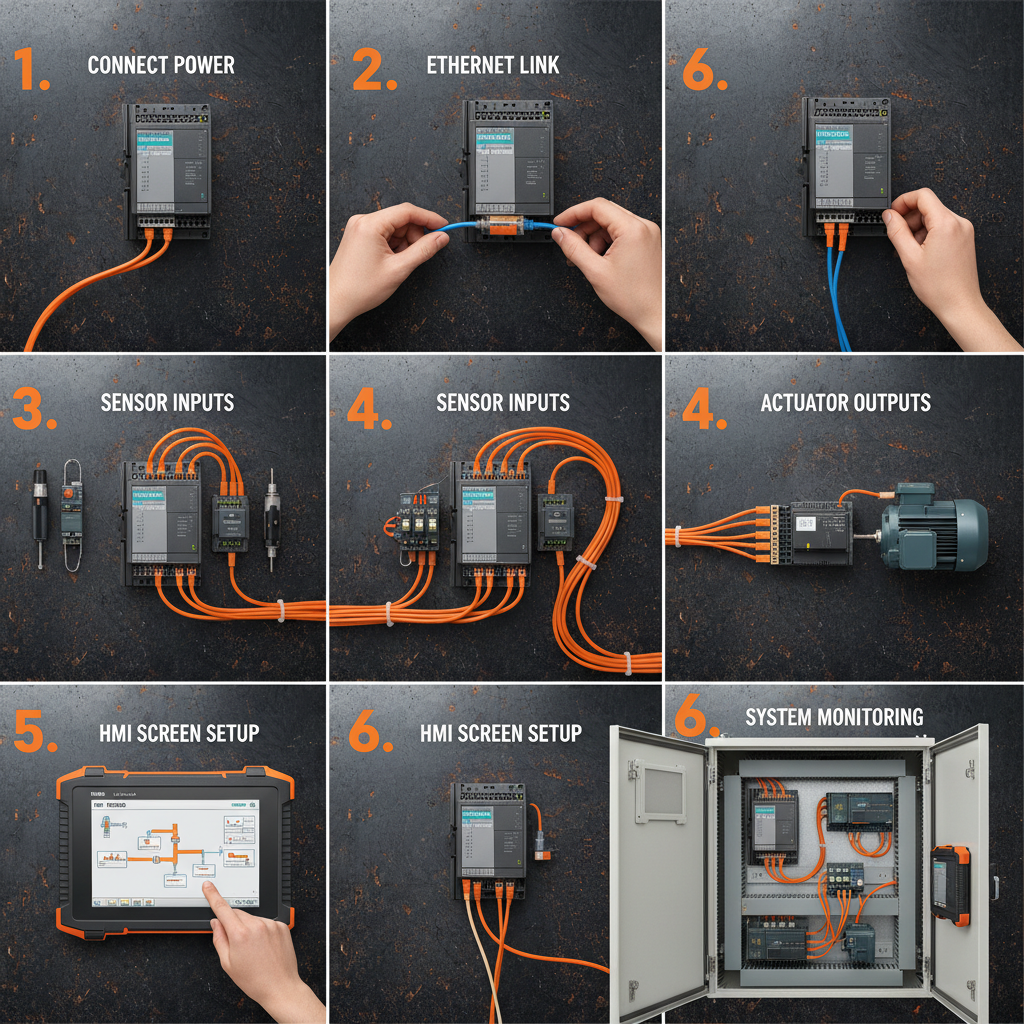
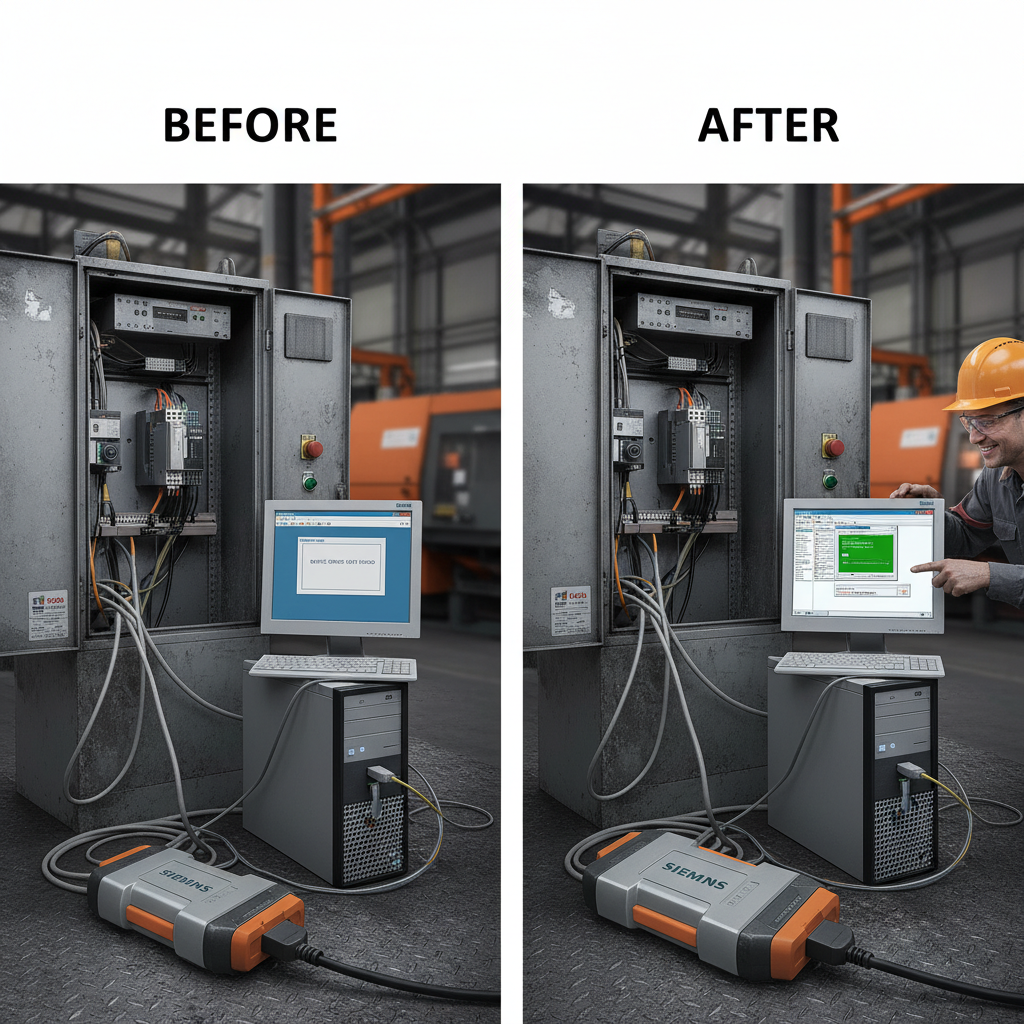
Crane VFD – Energy-Efficient Variable Frequency Drives for Modern Cranes
Understanding Crane VFDs: Why Variable Frequency Drives Are Changing Crane Operations Worldwide
If you’ve ever stood near a construction site or a busy port, you might have noticed cranes smoothly lifting and positioning heavy loads with remarkable precision. Behind this graceful dance often lies a humble powerhouse called a crane VFD—a Variable Frequency Drive that’s quietly revolutionizing how cranes operate. But why does this matter globally, and why should industry folks, operators, or even engineers care?
Simply put, crane VFDs control motor speed and torque with finesse. This leads to safer operations, energy savings, and unprecedented control, which all add up to economic, environmental, and human benefits that ripple far beyond a single worksite. Whether it’s increasing uptime at a mega port or saving precious power in a remote mining region, understanding crane VFD technology is key to unlocking smarter, more sustainable crane operations worldwide.
Global Context: Why Crane VFDs Matter More Than Ever
Worldwide, cranes are essential for everything from stacking containers in massive sea hubs (think: Port of Shanghai handling over 40 million TEUs annually) to assembling wind turbines meant to power greener cities. According to the International Organization for Standardization (ISO), the crane industry faces growing pressures to improve safety and efficiency while decreasing energy consumption—a tall order given today’s economic and environmental demands.[1]
But here’s the kicker: the traditional on/off method of crane motors wastes energy and can create jerky movements, increasing wear and risk. Too slow or too fast—a sudden drop can mean disaster. That’s where crane VFDs enter the picture, giving operators the ability to fine-tune motor speeds based on task needs and load weight.
Frankly, energy savings alone have pushed adoption globally. The International Energy Agency (IEA) estimates that industrial Variable Frequency Drives can reduce electric motor energy use by up to 30%, which is no small change when you’re talking about cranes operating 24/7.[2]
What Exactly Is a Crane VFD?
In a nutshell: a crane VFD is an electronic device that adjusts the frequency and voltage supplied to a crane’s electric motor, controlling how fast and powerful it runs. Instead of motors running flat-out or being shut off, the VFD steps in as a smart intermediary—modulating speed, ensuring smooth starts and stops, and optimizing energy use.
This technology plays a massive role in modern industry—especially in heavy industries like shipping, construction, and mining—where precision and reliability are paramount. But also, to be honest, it’s increasingly critical where humanitarian work happens, like disaster zone logistics, where fragile cargo needs to be handled without drama.
Core Components and Key Factors of Crane VFDs
1. Durability and Robust Design
Cranes often operate outdoors, exposed to dusty environments or coastal salt sprays. VFD units have to be rugged. Many manufacturers ensure IP54 or higher ratings (protection against dust and water) to keep electronics safe. Without this, your VFD might fail after a season, and that downtime can cost serious money.
2. Scalability and Compatibility
From small mobile cranes to colossal harbor giants, VFDs need to scale. Some drives handle motors under a kilowatt, others up into the hundreds. It’s important that your crane VFD works well with existing control systems and protocols—makes retrofitting much easier.
3. Energy Efficiency
By controlling motor speed rather than just turning it fully on or off, a VFD significantly cuts power consumption. Many engineers I’ve spoken with say that in practical terms this means lower electricity bills and less heat generated, which extends equipment life.
4. Precision and Smooth Operation
Variable frequency control allows careful acceleration and deceleration, reducing mechanical stress and improving safety for operators and cargo alike. This smoothness also makes complex maneuvers much easier.
5. Safety Features
Modern crane VFDs come with built-in protections like overload detection and emergency stop interfaces. These reduce risks on site, making the workplace safer.
6. Cost Efficiency Over Lifetime
While initial investments may be higher than traditional control systems, the return on energy and maintenance savings often leads to lower total cost of ownership. In rough terms, the payback period can be just a few years.
A Quick Product Specification Table for Typical Crane VFD Models
| Feature | Model A (Small crane) | Model B (Medium crane) | Model C (Port crane) |
|---|---|---|---|
| Power Rating | 5 kW | 30 kW | 150 kW |
| Voltage | 400 V | 400-480 V | 690 V |
| Control Mode | V/f Control | Sensorless Vector | Closed-loop Vector |
| IP Rating | IP54 | IP55 | IP65 |
| Communication | Modbus RTU | Ethernet/IP | Profinet, CANopen |
Mini takeaway: Choosing the right crane VFD depends heavily on your crane size, environment, and control needs. One size definitely does NOT fit all.
Real-World Applications: Where Crane VFDs Shine
It’s always more than specs on paper. Relatively recently, large shipping terminals in Rotterdam and Singapore upgraded their cranes with VFD technology, reporting 20–30% energy savings and smoother operation, which reduced load damage complaints. Oddly enough, ports in Africa and South America are catching on fast, partly thanks to improved affordability and training.
Then there’s the construction scene. High-rise cranes in Dubai use VFDs to control hoisting precisely during extreme weather conditions—something traditional systems struggled with. In emergency response, cranes equipped with VFDs can better handle sensitive logistics during disaster relief, where precision and safety trump speed.
Vendor Comparison: Leading Crane VFD Providers
| Provider | Product Line | Key Strengths | Typical Price Range |
|---|---|---|---|
| Tianjin Yongkai | YKV Series | Robust IP65, energy-saving, remote monitoring | $3,000–$20,000 |
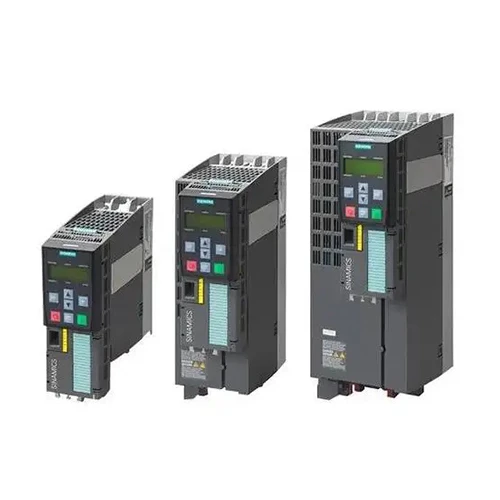
| Siemens | SINAMICS | Industry leader, scalable, integrated safety | $5,000–$30,000 |
| ABB | ACS880 | High customization, advanced diagnostics | $6,000–$28,000 |
Want to dive into specifics? You can explore a comprehensive range of crane vfd products and get expert advice for your particular crane setup.
Benefits Beyond the Obvious: What Makes Crane VFDs a Smart Buy?
- Cost savings: Reduced energy consumption means noticeable lower bills and greener footprint.
- Equipment longevity: Smooth starts and stops ease wear and tear on motors and mechanical parts.
- Improved safety: Precise control decreases accident risks and protects both operators and cargo.
- Environmental impact: Lower energy use supports sustainability goals—a big deal for global projects.
- Operational flexibility: Adjust speeds to task requirements, improving handling of delicate or heavy loads.
It’s kind of reassuring, actually, how these tiny leaps in technology build a more responsible and efficient future.
Looking Ahead: Future Trends in Crane VFD Technology
Digitalization and connectivity are pushing crane VFDs into the IoT era. Smart drives coupled with sensors provide real-time data on performance and maintenance needs. That means potential issues get nipped early—less downtime.
Green energy integration is also on the rise. Some VFDs are optimized to work seamlessly with hybrid power sources, including solar and battery packs, especially important where grid reliability is limited. And automation? AI-driven adaptive speed controls are just around the corner, promising even safer and more efficient crane operation.
Challenges and How Experts Are Overcoming Them
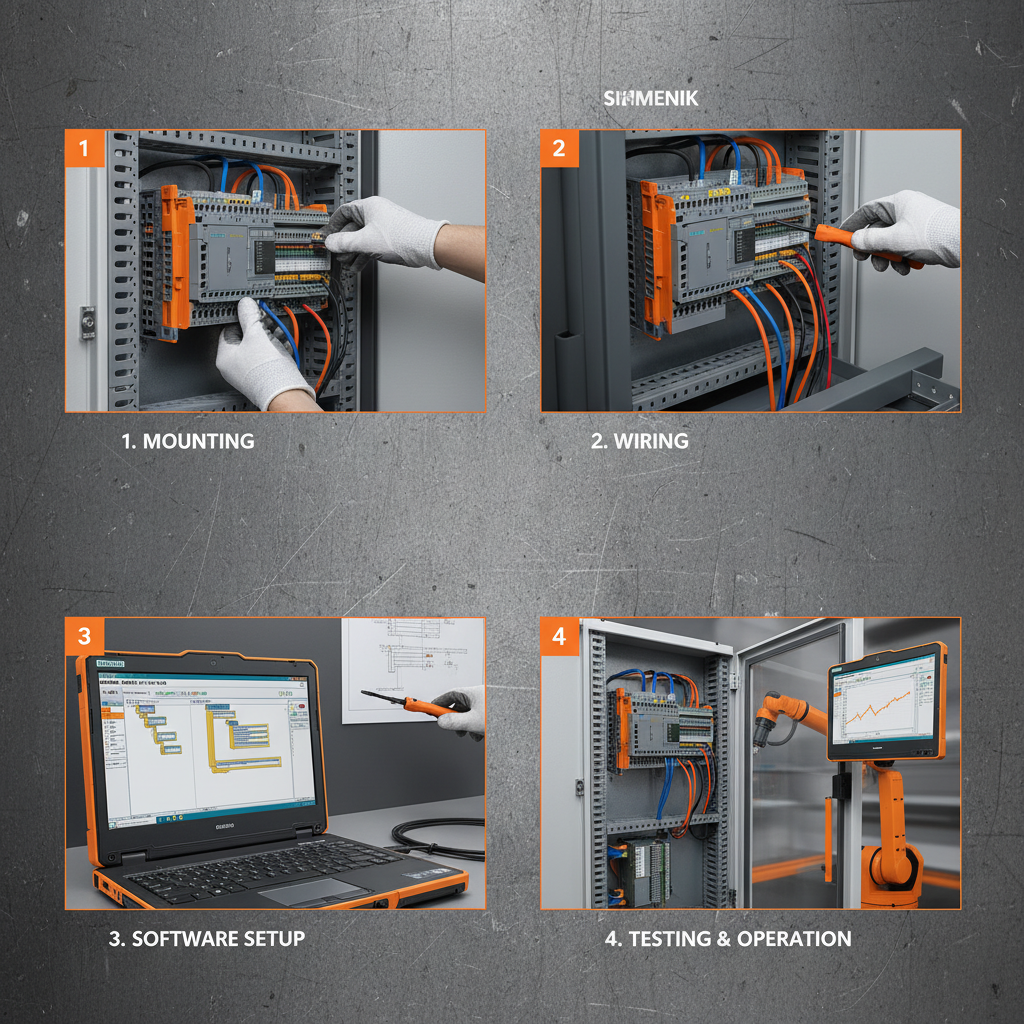
Of course, no tech is perfect. Initial installation complexity and upfront costs often intimidate smaller operators. Plus, maintenance staff require new skills to handle advanced electronics.
Training programs, modular designs for straightforward retrofits, and more affordable product lines are slowly bridging these gaps. Many engineers stress the importance of partnering with experienced vendors—like the folks at crane vfd suppliers—who offer local support and tailored solutions.
FAQ: Your Crane VFD Questions Answered
Q1: How much energy can a crane VFD realistically save?
A: Depending on usage patterns, crane VFDs can cut energy consumption by 20–30% compared to traditional motor controls, especially with variable load conditions.
Q2: Are crane VFDs difficult to retrofit on older cranes?
A: Not necessarily. Many VFDs are designed for compatibility with existing motors and controls. However, proper assessment and professional installation are key for success.
Q3: Can VFDs improve crane safety?
A: Absolutely. By providing smooth acceleration and deceleration, VFDs reduce mechanical shocks and operator fatigue, lowering accident risks.
Q4: What environments can crane VFDs operate in?
A: High-quality crane VFDs often meet IP54 to IP65 standards, meaning they withstand dust, moisture, and temperature extremes found in outdoor and industrial sites.
Q5: How long do crane VFDs usually last?
A: With proper maintenance, crane VFDs can last 10+ years, often outliving the crane’s mechanical components themselves.
Wrapping Up: Why Crane VFDs Are Worth Your Attention
Ultimately, the switch to crane VFD technology isn’t just about control or saving a few kilowatt-hours. It’s about smarter, safer, and more sustainable crane operation that aligns with global trends in energy efficiency and industrial innovation. Whether you’re managing a busy port or a single construction crane, investing in a quality VFD can pay dividends across cost, performance, and reliability.
Curious to explore what’s available or ready to upgrade? Check out the full range of options at https://www.tianjinyongkai.com. Your cranes—and your bottom line—will thank you.