Efficient VFD Solutions for 1 HP 3 Phase Motors | Tianjin Yongkai
Why a VFD for 1 HP 3 Phase Motor Matters Globally
Variable Frequency Drives (VFDs) might sound like niche electrical gadgets, but their impact runs deep—across industries, continents, and into the heart of sustainable energy management. When you talk about a vfd for 1 hp 3 phase motor, you're actually touching on a simple yet transformative technology at the core of modern motor control. A 1 HP motor might seem modest, but it’s widely used in pumps, conveyors, HVAC systems, and industrial tools. Global trends in energy efficiency, regulatory pressures, and the push for smarter automation make understanding this combination super important. It’s not just about saving some watts; it’s about trimming operational costs, reducing carbon footprint, and enabling precise control that machines and operators both appreciate.
Setting the Stage: Global Importance of VFDs for Fractional Motor Powers
Globally, electric motors consume roughly 45% of all electrical energy (according to the International Energy Agency). Around 20-30% of those motors are smaller ones, like 1 HP three-phase types, common in manufacturing and commercial buildings. Dramatically cutting inefficiencies in these “smaller” motors can ripple out into major energy savings.
Data from organizations like the ISO and the IEA underline that variable speed drives reduce power usage by 20-50%, depending on load characteristics. Yet, many facilities still run these motors at full speed — an all or nothing approach that wastes power and strains equipment.
A major challenge has been cost and complexity in installing VFDs on small motors, but those barriers are falling fast as more affordable, reliable drives appear. In essence, the vfd for 1 hp 3 phase motor unlocks efficient, flexible control practically anywhere. The ripple effects? Reduced emissions, less downtime, and better processes – a trifecta for sustainability and profit.
Mini takeaway: The humble 1 HP motor paired with a VFD is quietly reshaping industries by unlocking easy energy savings and smarter machine control globally.
What’s a VFD for a 1 HP 3 Phase Motor, Anyway?
In the simplest terms, a Variable Frequency Drive adjusts the motor’s power supply frequency and voltage. Why? To control the motor speed and torque. Think of it as a dimmer switch, but for motors instead of lights. For a typical three-phase 1 HP motor, a VFD can transform it from “on or off” to a smoothly controlled, variable-speed device tailored to the actual load needs.
Nowadays, VFDs serve as the digital interface between electrical power and mechanical output, providing benefits such as soft start, overload protection, and energy savings. These drives help industries meet modern efficiency standards and regulations, and even serve humanitarian projects needing reliable, adjustable motor drives in challenging environments.
Core Components & Characteristics of a Quality VFD for 1 HP Motors
1. Durability and Thermal Management
Small motors and VFDs often operate in harsh environments. Dust, humidity, or temperature swings can trip up lesser drives. Good VFDs for this motor size often pack in solid cooling (like fans or heat sinks) and enclosure ratings (IP54 or higher) to survive day-in, day-out industrial life.
2. Scalability & Communication
Modern VFDs don’t just run motors — they chat with factory PLCs, SCADA, or building management systems via common protocols (Modbus, Profibus). That’s key in bigger operations where 1 HP motors might be only one of dozens they need to manage seamlessly.
3. Cost Efficiency & Payback
Compared to larger drives, small VFDs had been pricier per horsepower historically. Now, competition and tech advances have shrunk prices, making it much easier for small businesses to justify buy-in through ROI analysis. Often, payback periods are as fast as months, not years.
4. Ease of Installation & Use
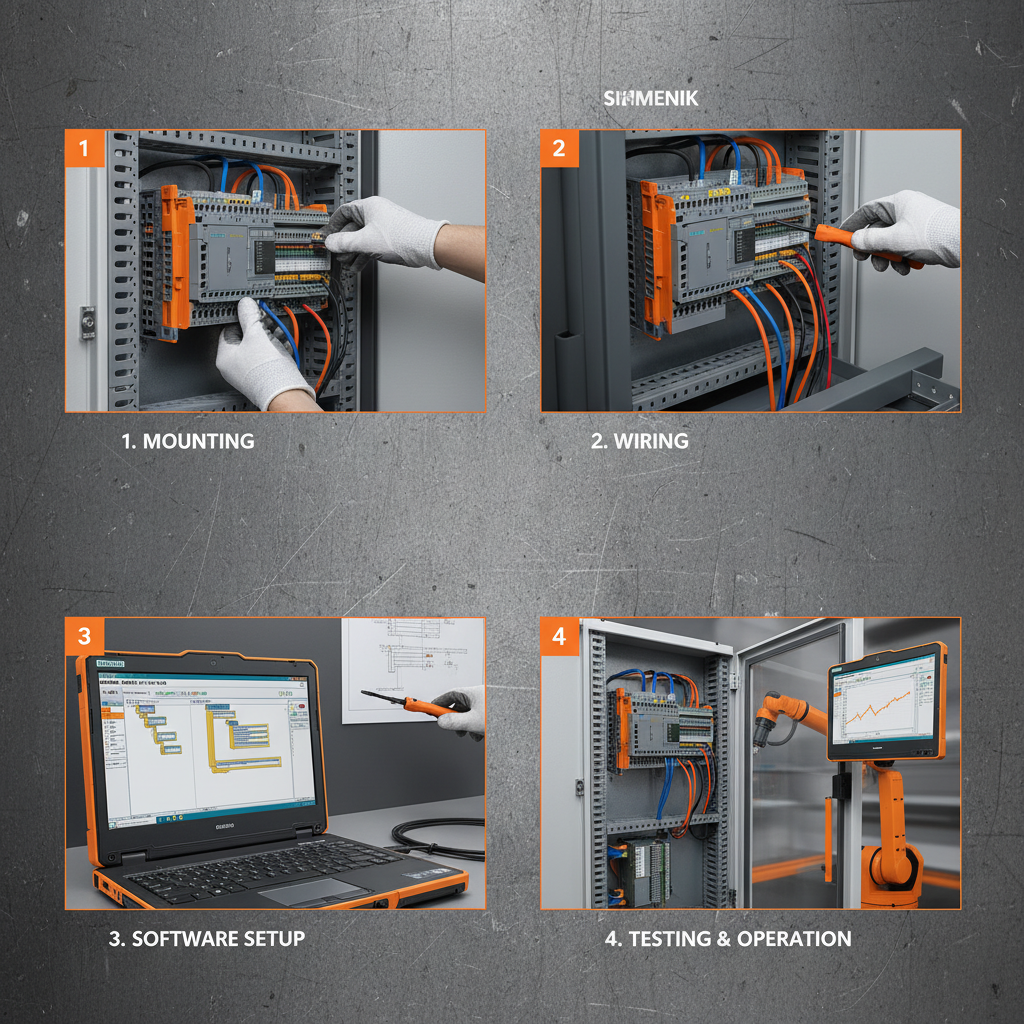
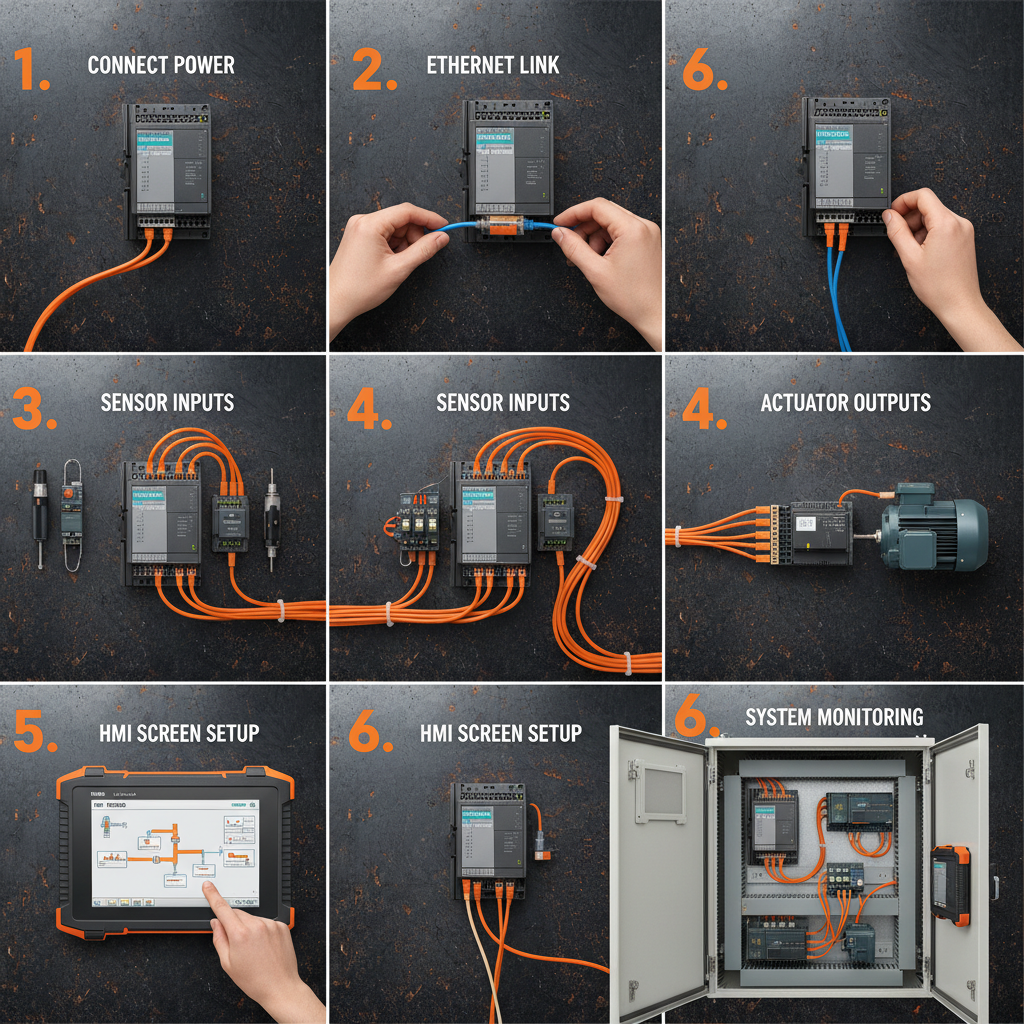
Many engineers I talked to say ‘plug-and-play’ VFDs changed the game. No complicated rewiring or deep programming knowledge needed. Basic drives now come with intuitive interfaces or even apps.
5. Precision Control
Adjusting speed smoothly is the obvious perk. But more subtly, VFDs reduce mechanical stress during start/stop cycles, extending motor lifespan and cutting costly repairs.
Where Are VFDs for 1 HP Motors Making a Difference?
Their use is anything but limited. Here’s a quick regional snapshot with some typical applications:
- Asia & South Asia: Widespread adoption in water treatment pumps and small manufacturing lines, where energy costs bite hardest.
- Europe: High regulatory pressure drives use in HVAC systems, with countries like Germany leading in sustainable motor retrofit projects.
- Africa: In remote agro-processing plants, affordable VFDs help farmers scale small machinery with precise operation, cutting fuel and power bills.
- Americas: Food processing and packaging industries benefit from fine motor control for conveyors and mixers, improving product consistency and uptime.
For instance, a mid-sized dairy processor in Wisconsin reported a 30% power reduction after retrofitting their 1 HP motors in pasteurizer pump circuits with VFDs. Reflecting similar stories, it’s clear the impact is both local and global.
Mini takeaway: From New Delhi’s water buses to Wisconsin’s dairies, VFDs on 1 HP motors are quietly helping industries run smoother, smarter, and greener.
Advantages & Long-Term Value of Using a VFD for These Motors
What’s the payoff, really? It’s multi-layered and kind of beautiful when you consider it.
- Lower Energy Bills: Running motors only as fast as needed means fewer kilowatt-hours consumed.
- Extended Equipment Lifespan: Soft starts cut wear during startups, reducing downtime and maintenance costs.
- Reduced Environmental Impact: Less power usage, fewer greenhouse gases — important as global industries push to net zero, per guidelines from UN Climate Change.
- Improved Operational Safety: Precise control can prevent overloads or mechanical faults, protecting workers and equipment alike.
- Increased Process Flexibility: Easily adjust speeds for changing workflows or tasks, which boosts productivity.
- Innovative Edge: Facilities with smart VFDs gain data insights driving future automation and Industry 4.0 readiness.
Product Specifications: Typical VFD for a 1 HP 3 Phase Motor
| Specification | Detail |
|---|---|
| Power rating | 1 HP (0.75 kW) |
| Input Voltage | 3 Phase, 380-480 VAC |
| Output Frequency Range | 0 to 400 Hz |
| Control Method | V/f Control, Sensorless Vector |
| Communication Protocols | Modbus RTU, CANopen, optional Ethernet |
| Protection Features | Overcurrent, Overvoltage, Thermal |
Comparing Leading Vendors of VFDs for 1 HP 3 Phase Motors
| Vendor | Price Range (USD) | Key Features | Best For |
|---|---|---|---|
| Siemens | $200 - $350 | Robust controls, broad communication protocols | Industrial automation, smart factories |
| Schneider Electric | $180 - $320 | Intuitive interface, energy monitoring | Commercial buildings, HVAC systems |
| Yongkai (Tianjin Yongkai) | $150 - $280 | Cost-effective, reliable, easy setup | Small industries, energy-conscious businesses |
| ABB | $210 - $360 | Advanced diagnostics, wide voltage support | Process industries, utilities |
Looking Ahead: Trends Shaping the Future of VFD for 1 HP Motors
Frankly, it feels like the humble VFD is just the gateway tech for smarter, greener factories and buildings. Digital transformation is already pushing VFDs to become more connected and intelligent — integrating IoT sensors, cloud reporting, and predictive maintenance.
On the sustainability front, pairing VFDs with renewable power sources and energy storage is shaping how micro-grids and off-grid systems operate, especially in developing regions. Additionally, breakthroughs in semiconductor materials (like SiC and GaN) promise even smaller, more efficient drives in the near future.
This isn’t static; regulations and industry standards continue tightening, pushing manufacturers and users to adopt smarter motor controls fast. So if you are involved in operations with small motors, keeping an eye on VFD development is a must.
Common Challenges & How to Navigate Them
Despite all these benefits, implementing VFDs for 1 HP motors isn’t always plug and play. Some challenges include:
- Electrical Noise & Compatibility: Older wiring and equipment sometimes cause interference or require filtering devices.
- Initial Cost Hesitation: Small businesses occasionally hesitate on upfront investment despite clear ROI.
- Technical Skills: Configuring VFDs correctly can be daunting without trained personnel.
Addressing these issues means investing in quality drives with built-in EMC filters, leveraging vendor training, and sometimes starting with pilot projects that demonstrate value clearly. Many vendors now offer great online support and easy-to-access manuals that demystify setup.
FAQ: Frequently Asked Questions About VFD for 1 HP 3 Phase Motor
- Q1: Can a VFD really save money on such a small motor?
- A: Absolutely. Even small motors consume significant power over time. A VFD adjusts speed to match real load demand, cutting energy consumption and extending motor life, which reduces repair costs.
- Q2: Is installing a VFD complicated for 1 HP motors?
- A: Today’s drives focus on simplicity — many are plug-and-play with minimal wiring changes. Vendor support and tutorials make the process manageable, even for smaller teams.
- Q3: Are there size limitations on motors that VFDs work with?
- A: VFDs are extremely versatile and available for motors from fractions of a horsepower up to thousands. A 1 HP motor is actually a common and readily supported size.
- Q4: How does a VFD improve motor lifespan physically?
- A: By gradually ramping the motor speed during startup and shutdown, VFDs reduce mechanical shock and thermal stress, leading to less wear and tear over time.
- Q5: Where can I buy a reliable VFD for a 1 HP 3 phase motor?
- A: Vendors like Tianjin Yongkai offer specialized drives tailored to 1 HP motors, combining affordability and performance.
Wrapping It Up: Why You Should Consider a VFD for Your 1 HP Motor
In real terms, adding a VFD to your 1 HP three-phase motor is a smart move, whether you're looking to slash energy bills, improve operational flexibility, or stake your claim in a sustainable future. Across industries and geographies, this tech quietly boosts productivity while respecting the planet — seeming small but packing a big punch.
If you’re ready to explore, I’d encourage you to check out vfd for 1 hp 3 phase motor options from trusted suppliers like Tianjin Yongkai. They offer solid balance between price and technology that works.
After all, every kilowatt saved and every failure avoided counts.