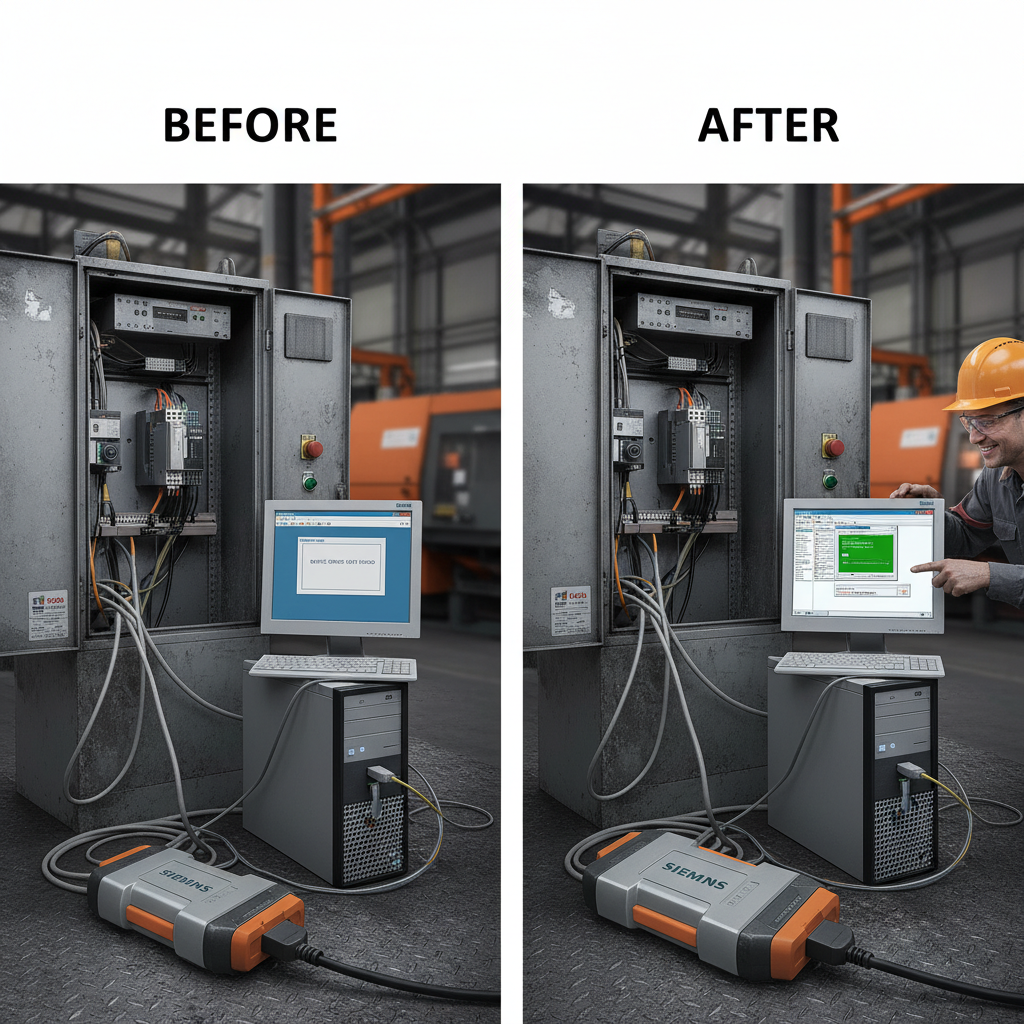
Understanding DC to AC VFDs: Efficient Power Conversion for Modern Industry
What Is a DC to AC VFD and Why It Matters
If you've ever wondered how industries convert direct current (DC) power into alternating current (AC) — and why this matters, especially in sectors relying on variable-speed drives — then understanding dc to ac vfd technology is key. At its heart, a DC to AC Variable Frequency Drive takes steady DC electricity and turns it into AC power whose frequency and voltage can be precisely regulated. This not only powers motors efficiently but unlocks energy savings, better performance, and flexibility across countless applications.
Why does this matter globally? As the International Energy Agency reported in recent years, electric motor systems consume nearly half of global electricity in industry. Using adaptive systems like dc to ac VF drives slashes wasted power. In a world pushing harder for sustainability and cost-cutting, mastering this tech is a... well, kind of a game-changer.
Mini takeaway: Simply put, dc to ac VFDs transform unchanging DC into modulated AC that industries can control dynamically — crucial for modern efficiency demands.
Global Landscape: Challenges and Needs for DC to AC VFDs
Worldwide, industries from manufacturing hubs in East Asia to mining operations in Africa feel the pressure to reduce energy waste. According to United Nations Environment Programme, up to 30% of industrial energy can be saved by retrofitting existing equipment with VFDs. Yet, reliable access to such tech remains patchy in remote or developing regions.
Consider renewable integration: Solar panels produce DC power, but most machinery runs on AC — so converters (including dc to ac VFDs) are vital to marry these sources. However, integrating those in areas with unstable grids and limited expertise raises obstacles. No surprise then, that supply chains and innovation are striving to make VFDs more robust, accessible, and adaptable globally.
Mini takeaway: The need for dc to ac VFD systems isn’t just about tech advances — it’s a global challenge tied to energy equity and industrial modernization.
DC to AC VFD: Defining the Technology in Plain Terms
Imagine you have a steady stream of water (that’s DC electricity, constant and unidirectional). Now, you want to send waves in that stream instead — varying strength and timing — to run a paddle wheel (an AC motor). That’s what a dc to ac variable frequency drive does electronically.
Technically, it converts incoming DC into a variable frequency AC output by switching power transistors rapidly. This allows motor speed adjustments without losing torque — essential for applications like conveyors, pumps, or HVAC fans. It bridges the gap between steady energy sources, like batteries or solar panels, and machines that need alternating power, hence the link to humanitarian, industrial, and renewable use cases.
Key Features that Make DC to AC VFDs Practical
1. Durability and Reliability
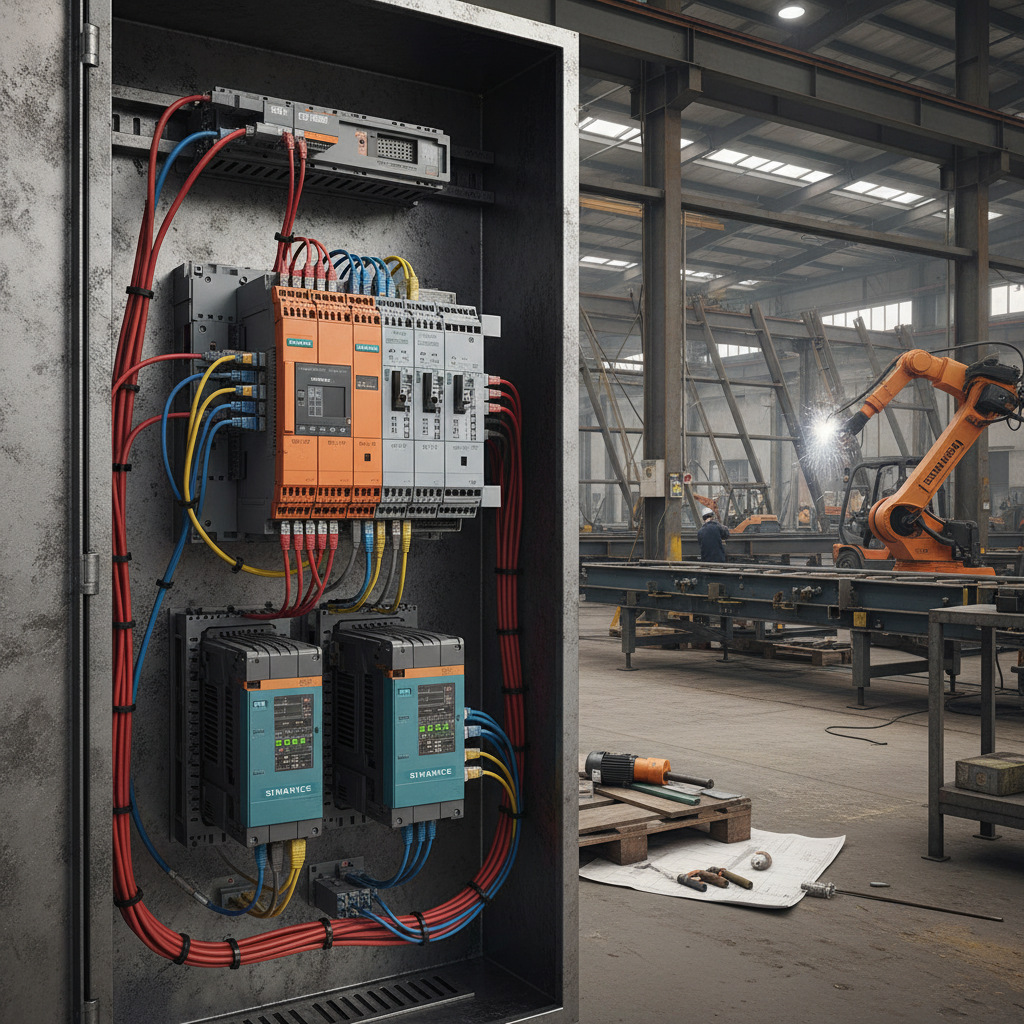
Many engineers insist that, out in the field — especially in dusty or humid environments — a VFD’s endurance is as critical as its precision. Durable enclosures and robust components minimize downtime and maintenance headaches.
2. Scalability and Compatibility
From tiny variable speed pumps in water treatment to industrial conveyors moving tons of goods, VFDs come in all sizes. A good DC to AC VFD will flexibly connect with various motor types and power ratings.
3. Energy Efficiency
Instead of running motors at full speed and throttling output mechanically, VFDs adjust speed electronically — slashing energy consumption quite dramatically.
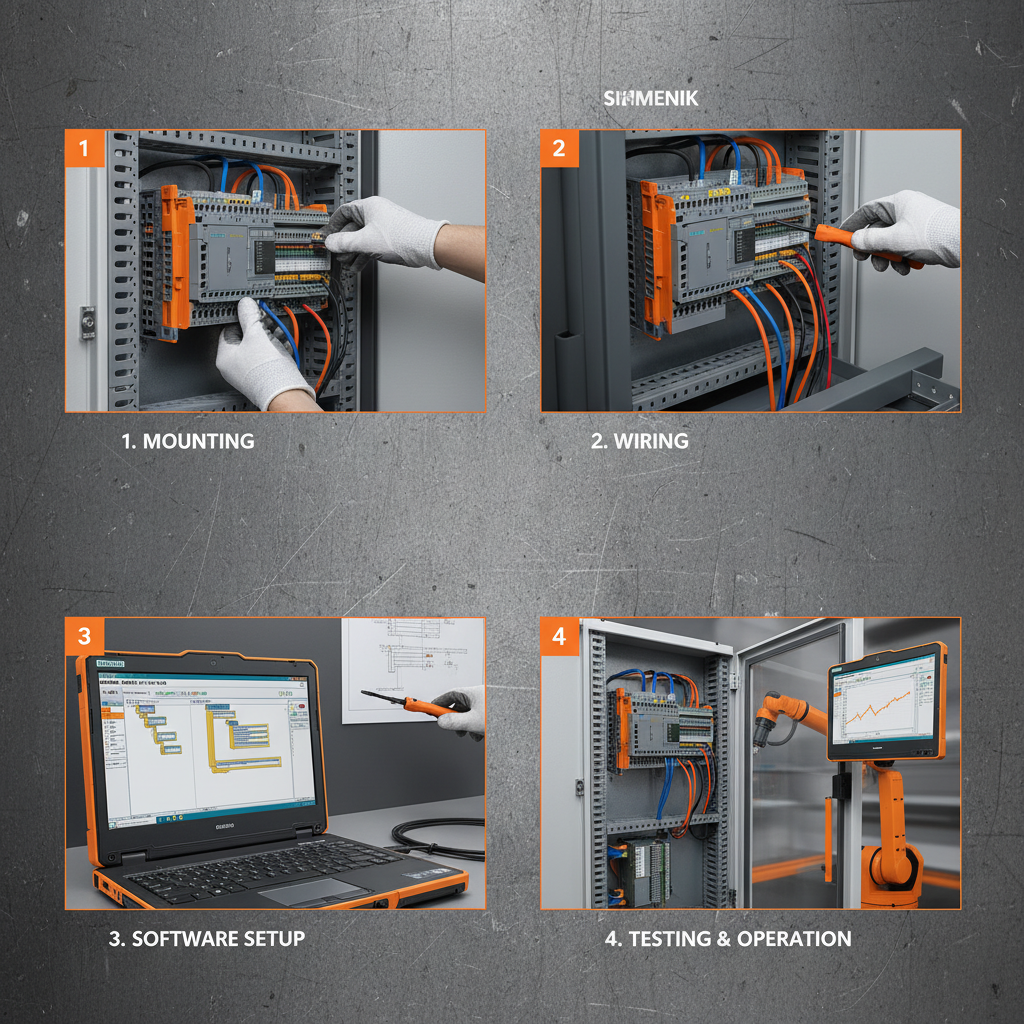
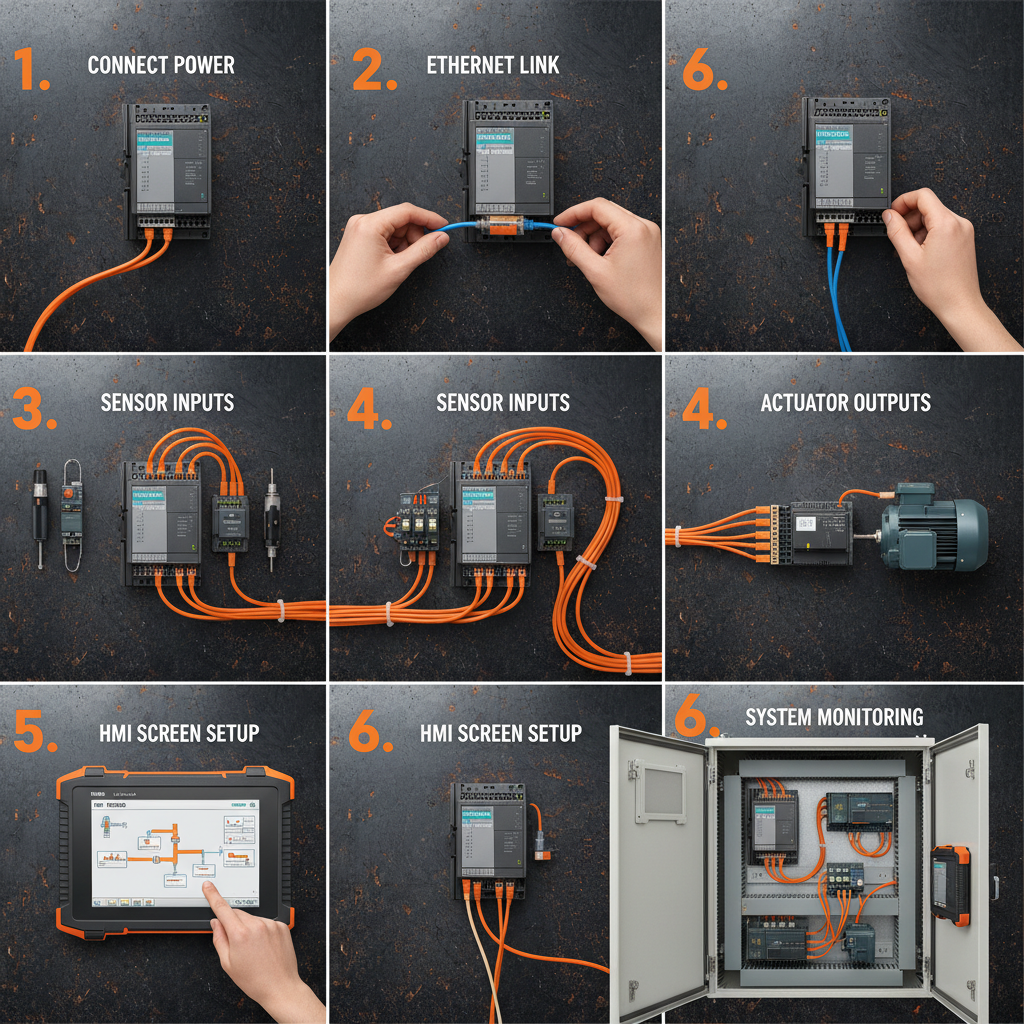
4. Ease of Installation and Control
Advanced drives offer plug-and-play interfaces and remote monitoring, reducing the need for specialist technicians on site. Sometimes the user interface looks like a smartphone app — neat.
5. Cost Efficiency
Though upfront costs may appear higher, the payback on energy savings and lower maintenance tends to wipe that out within a couple of years, according to industry studies.
Real-World Applications of DC to AC VFDs
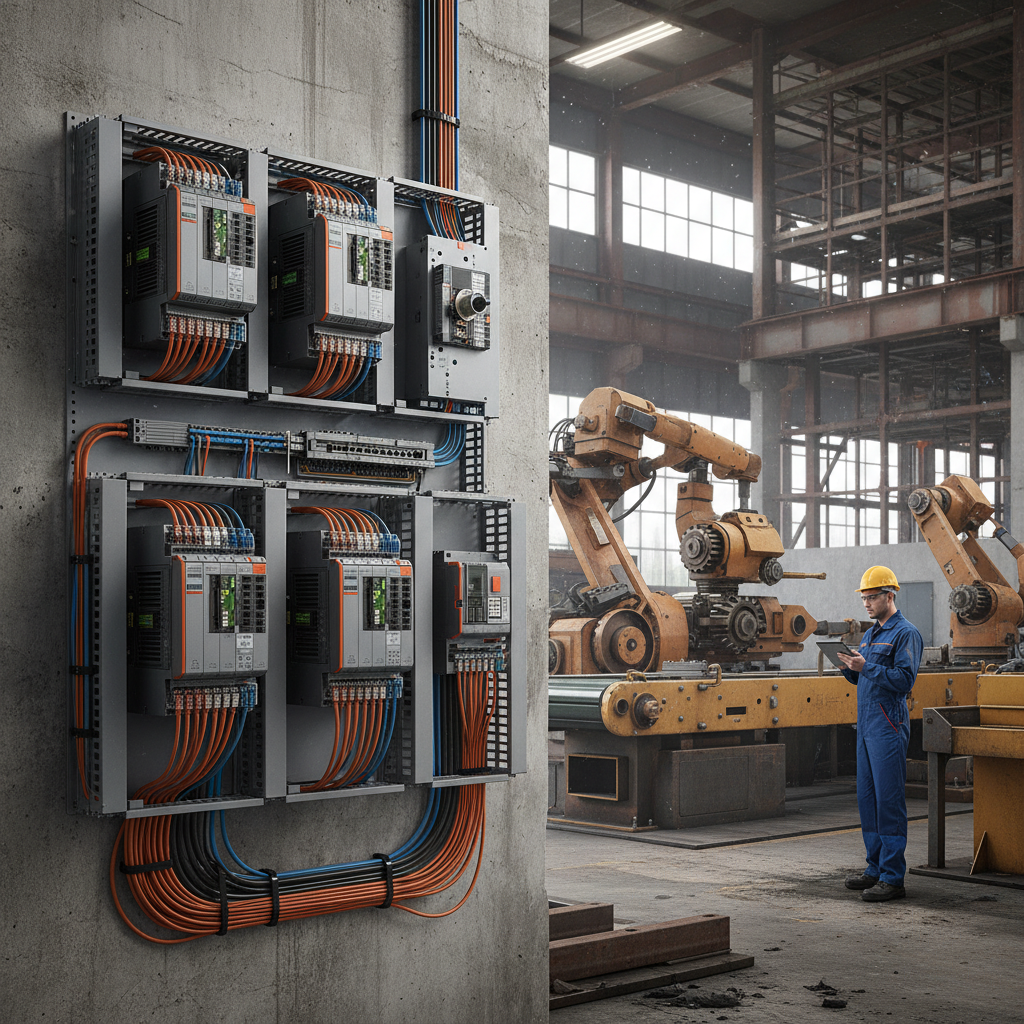
In remote mining operations in Australia, dc to ac VFDs help regulate conveyor belts transporting minerals, maximizing throughput while minimizing power spikes. In post-disaster relief efforts, portable solar generators partnered with VFD-equipped motors can pump clean water efficiently.
Elsewhere, urban HVAC systems rely heavily on these drives for quiet, adaptable climate control — improving air quality and occupant comfort.
Regions benefiting: Latin America’s expanding manufacturing sector increasingly taps VFD tech to boost output and reduce energy waste. African agricultural programs use them to power irrigation pumps sustainably, linking technology directly to food security.
Mini takeaway: Whether it’s farming, factories, or emergency response, dc to ac variable frequency drives are quietly powering progress worldwide.
Advantages and Long-Term Impact
- Energy savings: Lower electricity bills and emissions align with global green targets.
- Reliability: Less mechanical wear, fewer failures, more uptime.
- Safety: Smooth start-stop function reduces accidents and stress on equipment.
- Social Impact: By improving utilities like water pumping or manufacturing, communities thrive with better infrastructure.
- Innovation catalyst: Drives the shift to smarter, automated plants.
Product Specification Table: Sample DC to AC VFD Model
| Specification | Value |
|---|---|
| Input Voltage | 24-48 V DC |
| Output Voltage | 0-230 V AC |
| Power Rating | 5 kW |
| Frequency Range | 0-400 Hz |
| Efficiency | >95% |
| Communication Protocol | Modbus, CAN |
| Cooling | Fan cooled |
Vendor Comparison: Leading DC to AC VFD Manufacturers
| Vendor | Price Range | Warranty | Notable Feature | Global Reach |
|---|---|---|---|---|
| ElectroDrive Co. | $1,200 - $3,500 | 3 years | Smart IoT diagnostics | North America, Europe |
| PowerFlex Solutions | $900 - $2,800 | 2 years | Modular upgrade options | Asia, South America |
| GreenVolt Tech | $1,000 - $3,000 | 5 years | Eco-friendly materials | Global |
Future Trends and Innovations in DC to AC VFD Technology
Looking forward, it feels like the main thrust is green and smart. New materials improve heat dissipation, allowing smaller, more powerful drives. Artificial intelligence and digital twin tech enable predictive maintenance, reducing downtime. There’s also a bigger push to integrate VFDs more directly with renewable energy setups, especially solar storage and EV charging stations — accelerating the energy transition.
Challenges and Solutions in DC to AC VFD Deployment
Deploying these drives isn’t entirely drama-free. In many places, lack of technical expertise for installation and maintenance still hampers uptake. Power quality issues like harmonics can mess with sensitive drives. However, clever adaptive filters and user-friendly setup software help ease these pains.
Also, high initial investment remains a barrier for smaller operators — but financing schemes and rentals increasingly bridge that gap.
Frequently Asked Questions About DC to AC VFD
Q1: How does a dc to ac VFD improve energy efficiency compared to direct-on-line motor starts?
A: DC to AC VFDs control motor speed by adjusting output frequency, thus matching power to demand instead of running motors full tilt constantly. This reduces unnecessary energy use and mechanical wear, leading to significant operational savings.
Q2: Can dc to ac VFDs be used with renewable energy sources like solar panels?
A: Absolutely. Since solar generates DC power, pairing it with a dc to ac VFD allows businesses to convert that DC into variable-frequency AC power for motors, maximizing solar utilization in off-grid and grid-tied setups.
Q3: What maintenance is needed for dc to ac variable frequency drives?
A: Routine checks include inspecting cooling fans, cleaning dust from enclosures, verifying electrical connections, and updating firmware. Proactive diagnostics via smart features can prevent failures before they happen.
Q4: How long do typical dc to ac VFD units last?
A: With proper care, many VFDs operate well beyond 10 years. Their solid-state design means fewer moving parts, and durability depends largely on environmental conditions and usage intensity.
Q5: Are dc to ac VFDs expensive to retrofit into existing plants?
A: Initial investments can vary but are usually offset by energy savings within a few years. Some vendors offer modular or phased upgrades to spread costs and minimize downtime during installation.
Conclusion: Why DC to AC VFDs Are Here to Stay
It’s clear that dc to ac VFD technology delivers a potent mix of energy efficiency, operational flexibility, and long-term sustainability. Whether powering a solar water pump in sub-Saharan Africa or an advanced conveyor in Europe, it’s a solution that spans continents and needs.
If you want to explore the latest in reliable and cost-effective VFD systems, be sure to check out dc to ac vfd options available from leading suppliers.
References:
1. International Energy Agency (IEA), “Energy Efficiency in Industry”
2. United Nations Environment Programme (UNEP), “Industrial Energy Efficiency”
3. IEEE Std 519-2014 – Recommended Practices and Requirements for Harmonic Control in Electrical Power Systems