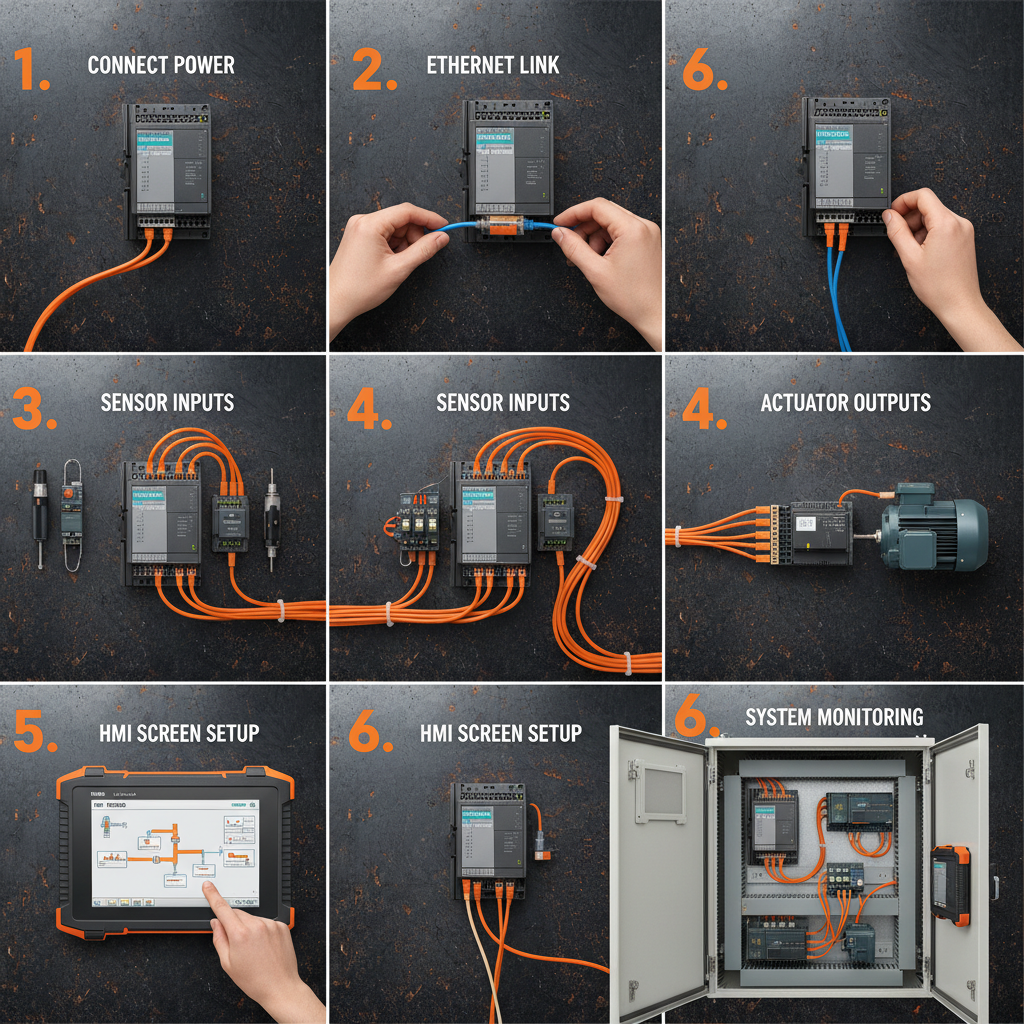
Siemens 315 2PN DP A Comprehensive Guide to Industrial Communication
Understanding the Siemens 315 2PN DP: A Comprehensive Guide
The Siemens 315 2PN DP is a crucial component in various industrial automation systems. This Distributed Peripheral (DP) interface module facilitates communication between Programmable Logic Controllers (PLCs) and distributed I/O devices. Choosing the correct interface for your system is vital for efficient data transfer and reliable operation. This article provides an in-depth look at the Siemens 315 2PN DP, its features, applications, and benefits. Understanding the intricacies of this module will help you optimize your industrial network and improve overall system performance.
Key Features of the Siemens 315 2PN DP
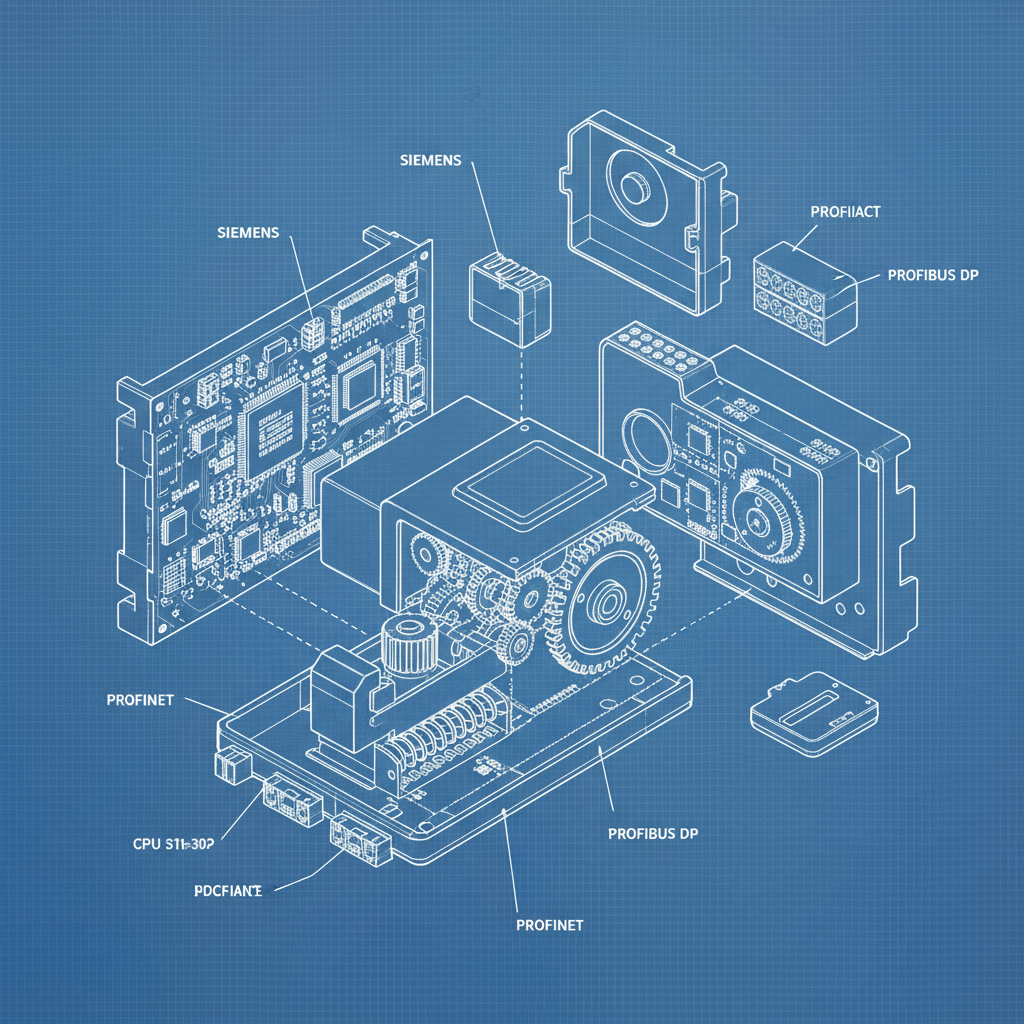
The Siemens 315 2PN DP boasts several key features that make it a robust and reliable communication module. It supports PROFIBUS DP communication, a widely used standard in industrial automation. It offers a data transfer rate of up to 12 Mbit/s, enabling fast and efficient data exchange. The module features a built-in isolator for increased protection against electrical interference, ensuring stable communication even in harsh industrial environments. It is also designed for easy integration with SIMATIC S7 PLCs and other compatible devices. The module's compact design makes it suitable for space-constrained applications. Tianjin Yongkai offers comprehensive support and resources for implementing this module.
Key Highlights: Supports PROFIBUS DP, up to 12 Mbit/s data transfer, built-in isolator for interference protection, compatible with SIMATIC S7 PLCs.
Understanding PROFIBUS DP Communication
PROFIBUS DP (Decentralized Periphery) is a fieldbus standard designed for high-speed communication between controllers (like PLCs) and distributed I/O devices, drives, and other peripherals. It utilizes a master-slave architecture, where the PLC acts as the master and the I/O devices act as slaves. The Siemens 315 2PN DP module allows your PLC to effectively participate in this communication network. This enables centralized control and monitoring of remote devices, leading to increased automation and efficiency. Understanding the PROFIBUS DP protocol is essential for troubleshooting and optimizing your industrial network.
PROFIBUS DP Benefits:
• High-speed data transfer
• Reliable communication in industrial environments
• Wide range of compatible devices
• Centralized control and monitoring
Siemens 315 2PN DP: Technical Specifications
Here’s a detailed look at the technical specifications of the Siemens 315 2PN DP module. This information is critical for ensuring compatibility with your existing system.
Applications of the Siemens 315 2PN DP in Industry
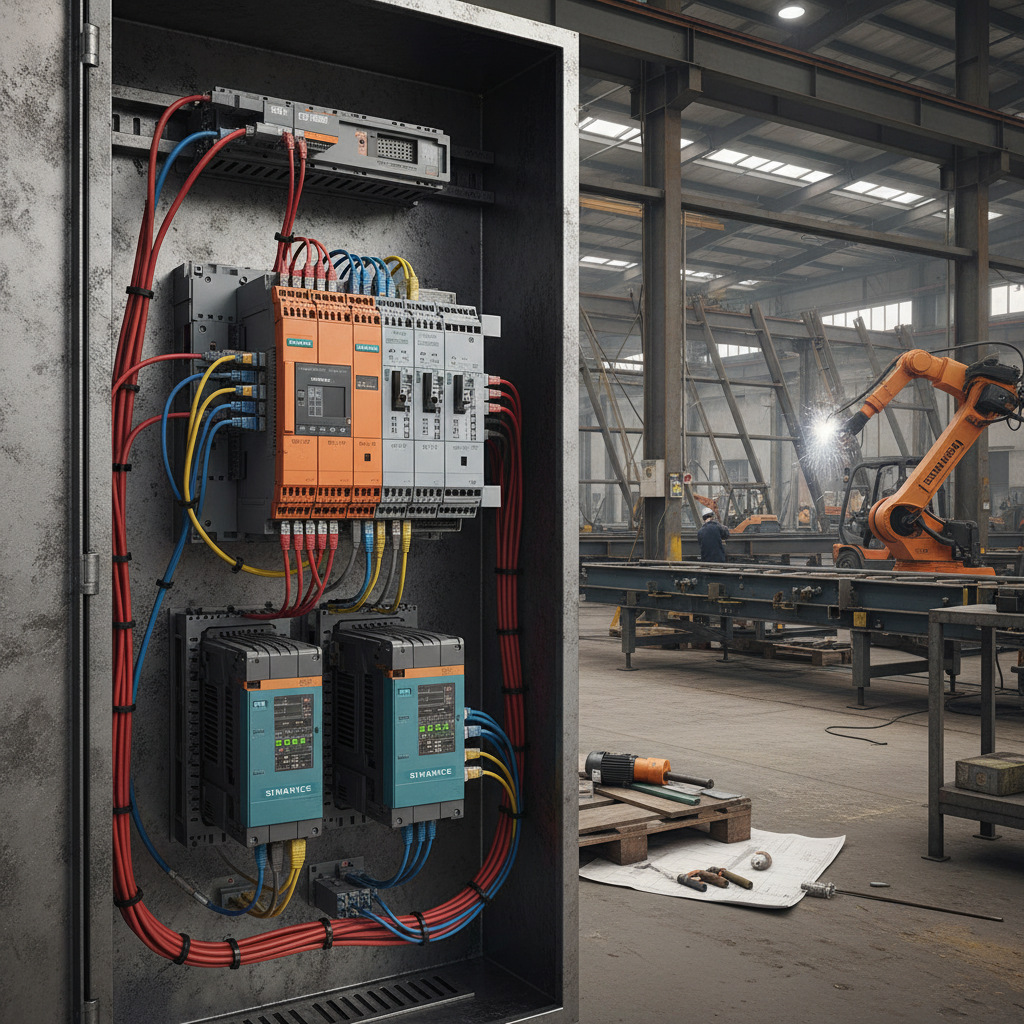
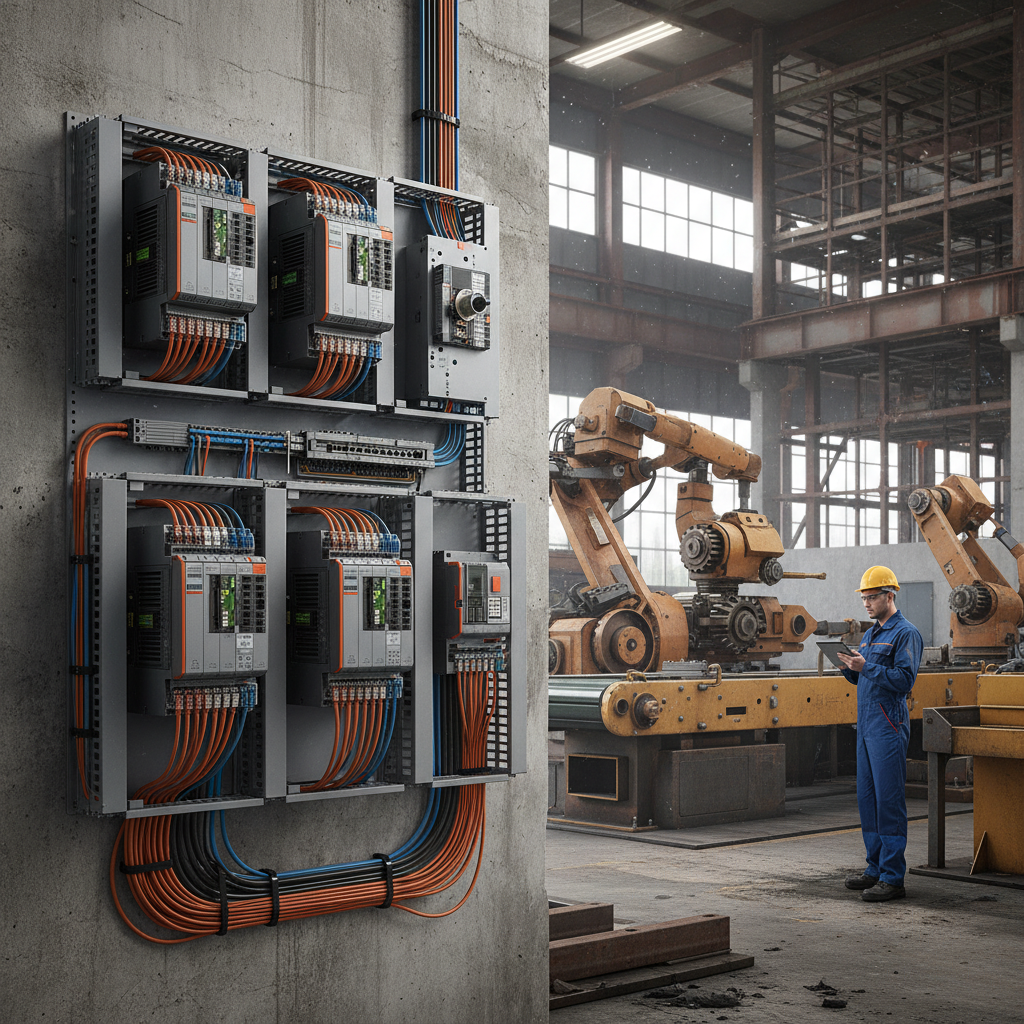
The Siemens 315 2PN DP finds applications in a wide range of industries including manufacturing, oil and gas, power generation, and building automation. It’s commonly used in conveyor systems, robotic arms, process control systems, and remote monitoring applications. By enabling seamless communication between the PLC and distributed I/O devices, it allows for precise control and monitoring of critical processes. The module's robustness and reliability make it suitable for demanding industrial environments.
Conclusion: The Siemens 315 2PN DP for Reliable Automation
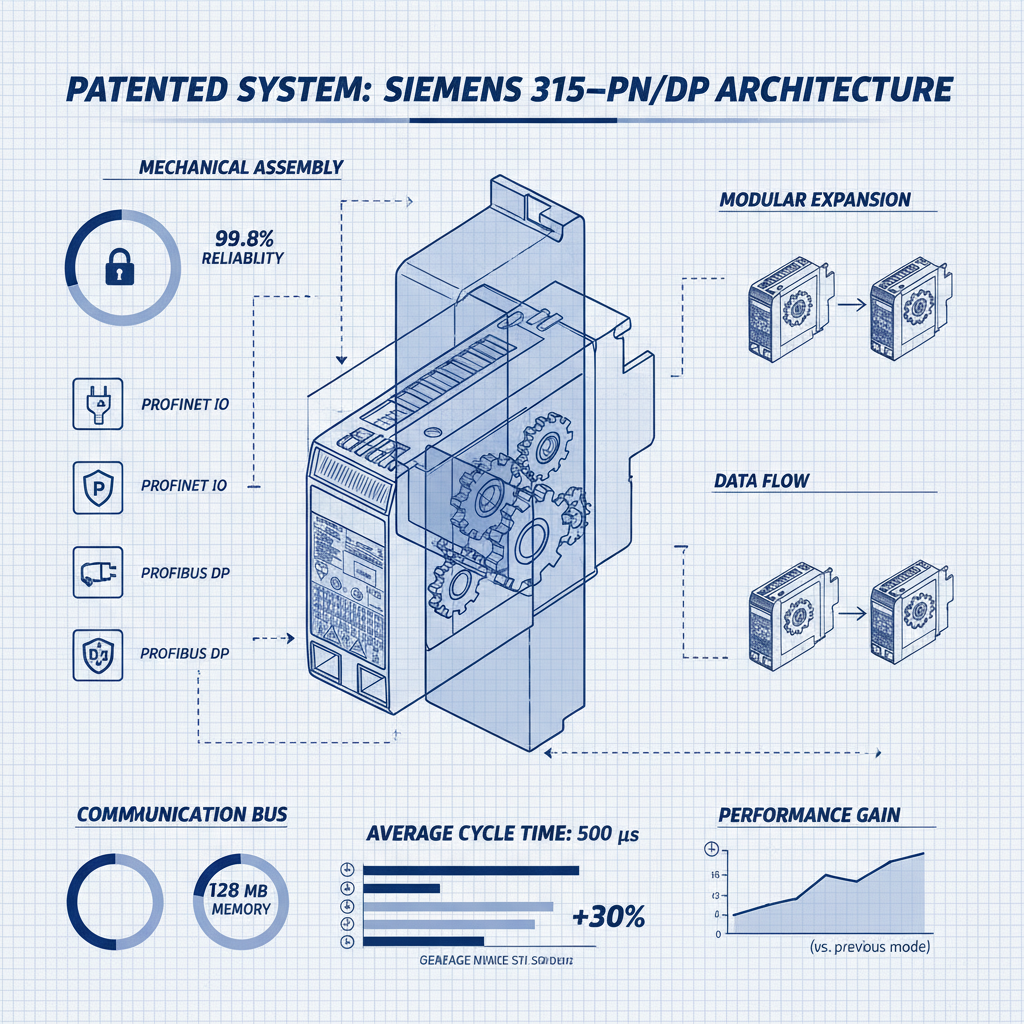
The Siemens 315 2PN DP is a powerful and versatile communication module for industrial automation. Its robust features, high data transfer rates, and compatibility with SIMATIC S7 PLCs make it an ideal choice for a wide range of applications. Investing in this module ensures reliable communication, efficient data exchange, and ultimately, optimized system performance.
Frequently Asked Questions (FAQs)
What is the typical operating temperature range for the Siemens 315 2PN DP?
The Siemens 315 2PN DP is designed to operate in a wide temperature range, typically from -20°C to +60°C (-4°F to +140°F). However, it's important to consult the official Siemens documentation for specific temperature limitations based on the application and operating conditions. Exposure to extreme temperatures outside this range can affect the module's performance and reliability. Proper ventilation and thermal management are essential for ensuring optimal operation, especially in hot environments.
How do I troubleshoot communication issues with the Siemens 315 2PN DP?
Troubleshooting communication issues typically involves checking the physical connections, verifying the PROFIBUS DP configuration, and analyzing diagnostic information. Ensure the cable is properly terminated with the correct resistance. Use a PROFIBUS diagnostic tool to identify potential errors, such as bus conflicts or incorrect baud rates. Verify the module's configuration parameters in the PLC program and compare them to the I/O devices. If issues persist, consult the Siemens documentation or contact Tianjin Yongkai for expert support.
Can the Siemens 315 2PN DP be used with other PLCs besides Siemens SIMATIC S7?
While the Siemens 315 2PN DP is specifically designed and optimized for use with Siemens SIMATIC S7 PLCs, it may be compatible with other PLCs that support the PROFIBUS DP protocol. However, compatibility is not guaranteed and often requires specific configuration adjustments. It is crucial to verify the compatibility with the PLC manufacturer and ensure that the necessary drivers and configuration parameters are available. Using the module with non-Siemens PLCs may void the warranty.