Expert Guide to VFD Sizing for Motor – Efficiency and Sustainability Made Simple
Why Understanding VFD Sizing for Motor Matters Globally
If you’ve ever tinkered with electric motors or industrial machines, you probably came across the term VFD sizing for motor. But what is it exactly, and why should it matter to folks thousands of miles away? Variable Frequency Drives (VFDs) aren’t just esoteric components tucked away in control panels—they play a massive role in optimizing energy usage, reducing operational costs, and improving system reliability worldwide. Especially in industries ranging from manufacturing to water treatment, the right VFD sizing can indirectly contribute to global sustainability goals while solving complex engineering challenges.
It’s fascinating how a topic that sounds super technical connects back to bigger issues like carbon emissions, energy efficiency, and even humanitarian logistics. The fact is, proper VFD selection and sizing is a foundational step in ensuring motors run efficiently — no matter if you’re powering a factory in Germany or a water pump in a drought-stricken area.
Setting the Stage: The Global Context of VFD Sizing
To get a grasp on why VFD sizing is both urgent and universal, consider some global trends. According to the International Energy Agency (IEA), electric motors account for about 40% of global electricity consumption in industry (1). That’s staggering! And the United Nations’ Sustainable Development Goals emphasize energy efficiency as a key pillar for climate action and economic development (2). Yet, many motor-driven systems run at fixed speeds regardless of demand, wasting precious energy.
Here’s where customized vfd sizing for motor comes into the picture. A perfectly matched VFD ensures motors run exactly at the speed they need to, no more, no less. This reduces energy waste, extends equipment life, and slashes operational costs. Still, many engineers and facility managers struggle with selecting the right size due to technical complexity or lack of training — a problem with repercussions from factories to remote humanitarian projects.
What Exactly is VFD Sizing for Motor?
Simply put, VFD sizing is the process of choosing the optimal Variable Frequency Drive to control the speed and torque of an electric motor. It’s less about picking the biggest or cheapest unit, and more about matching exact requirements. When done well, it achieves smooth motor operation, protects hardware, and keeps energy consumption lean.
VFDs work by adjusting power frequency and voltage to a motor, affecting how fast it spins. This contrasts with traditional setups where motors run at a constant speed, regardless of load. Proper sizing means considering factors like motor horsepower, load variations, start-up conditions, and duty cycle. It’s a bit like tailoring a suit—not one size fits all.
In modern industry, this technical detail can be the difference between sustainable, reliable processes and costly downtime. Humanitarian needs—for example, powering water pumps in off-grid communities—also demand precise solutions to maximize limited resources.
Key Factors in VFD Sizing: What Really Counts?
1. Motor Power and Load Characteristics
At the core, VFD power capacity should comfortably cover the motor’s rated horsepower but also handle dynamic loads without overheating. For instance, pumps with variable flow demand or conveyors with start-stop cycles require a certain margin to handle surges.
2. Voltage and Current Ratings
The VFD must match the motor voltage class and accommodate peak current levels, especially during start-up. Undersizing here leads to premature drive failure or motor stress.
3. Environmental Conditions
From dusty factories to coastal plants exposed to salt spray, environmental factors influence drive enclosure ratings and cooling systems. This means you might pick a totally different VFD for a tropical plant than for an indoor manufacturing cell.
4. Application Type and Duty Cycles
Continuous versus intermittent loads, frequent speed changes, or high starting torque demands impact the choice. Properly considering duty cycles helps avoid inefficiencies.
5. Communication and Control Needs
Modern VFDs often integrate with automation networks (Modbus, Ethernet/IP), so compatibility matters if you want seamless control.
Mini Takeaway:
None of these factors stands alone. The trick lies in balancing them all for reliability and efficiency. It’s no wonder engineers say “vfd sizing for motor” is as much art as science.
How Industries and Regions Use VFD Sizing in the Real World
In sprawling industrial hubs like China and Germany, VFDs have become standard in optimizing assembly lines and HVAC systems. Meanwhile, in water-stressed regions of Africa and India, correctly sized VFDs power solar water pumps, enabling sustainable irrigation without draining scarce energy resources.
Humanitarians, too, lean on this technology during disaster relief. Emergency water purification units must modulate motor speed to handle variable input streams, extending operational uptime when resources are critical. It’s impressive how a concept rooted in engineering precision ripples outward into improving lives.
Advantages and the Long-Term Value of Proper VFD Sizing
- Cost Savings: Energy bills drop when motors avoid running full throttle unnecessarily.
- Equipment Longevity: Drives and motors experience less mechanical stress, reducing maintenance.
- Environmental Impact: Lower energy use translates into significant CO₂ reductions over time.
- Operational Flexibility: VFDs enable systems to adapt smoothly to changing loads.
- Emotional Comfort: Operators trust systems that respond reliably, boosting workplace morale and safety.
In practice, investing in correct VFD sizing feels more like installing a safety net than just a cost—because it protects your operation’s future in ways that often go unnoticed.
Future Trends and Innovations on the Horizon
The drive towards greener energy sources meshes perfectly with VFD advancements. Techniques like regenerative braking — feeding power back into grids — and AI algorithms that optimize motor speed are changing the game. As IoT sensors become mainstream, automatic VFD tuning based on real-time data could soon be routine.
Additionally, trends in semiconductor technology (think silicon carbide devices) promise smaller, more robust VFDs capable of harsh environment operation — ideal for remote industrial zones or mobile humanitarian equipment.
Challenges and How to Overcome Them
Even with all these benefits, challenges persist. Under-sizing is a common pitfall, mostly due to budget constraints or lack of expertise—leading to overheating and failures. On the flip side, oversizing wastes capital and efficiency gains.
Experts advocate thorough pre-assessment, practical load testing, and leveraging software tools that simulate motor-drive interactions. Partnering with vendors who provide end-to-end support can drastically reduce sizing errors.
Vendor Comparison: Leading VFD Solutions at a Glance
| Vendor | Power Range (kW) | Communication Protocols | Ambient Temperature Range | Special Features |
|---|---|---|---|---|
| Delta Electronics | 0.4 - 560 | Modbus, BACnet | -10°C to 50°C | Energy-saving PID control |
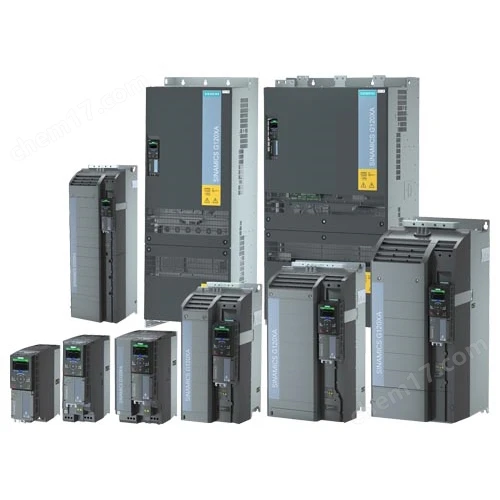
| Siemens | 0.37 - 450 | PROFINET, Ethernet/IP | -20°C to 60°C | Integrated safety functions |
| Yaskawa | 0.4 - 630 | Modbus, DeviceNet | -10°C to 50°C | High-performance control algorithms |
Product Specification Snapshot for a Typical VFD
| Specification | Details |
|---|---|
| Model | VX-500 Series |
| Power Rating | 15 kW |
| Input Voltage | 380 - 480 VAC |
| Output Frequency | 0 - 400 Hz |
| Control Method | V/F, Vector Control |
| Operating Temperature | -10°C to +50°C |
Practical FAQ About VFD Sizing for Motor
Q1: Why can’t I just pick a VFD that’s bigger than my motor's rating?
Oversizing a VFD might seem like an easy fix, but it can decrease energy efficiency and increase capital costs unnecessarily. A large drive operating far below its capacity tends to produce harmonics and might not perform optimally. Proper matching ensures reliability and the best return on investment.
Q2: How does load type affect VFD sizing?
Different loads—like pumps, fans, conveyors—have unique starting torque and speed requirements. For example, a centrifugal pump needs less starting torque than a conveyor with heavy loads. Accounting for these differences during sizing prevents faults and improves control.
Q3: Can I use the same VFD size for single-phase and three-phase motors?
Generally, VFDs are designed for specific motor types. Three-phase motors require drives capable of handling three-phase power. Using a single-phase VFD on a three-phase motor (or vice versa) often causes performance problems or damage.
Q4: What role does ambient temperature play in selecting a VFD?
Higher ambient temperatures can reduce a VFD’s capacity due to heat stress on components. In hot environments, drives with enhanced cooling or special enclosures are necessary to maintain performance and longevity.
Q5: Is it difficult to install a VFD on an existing motor?
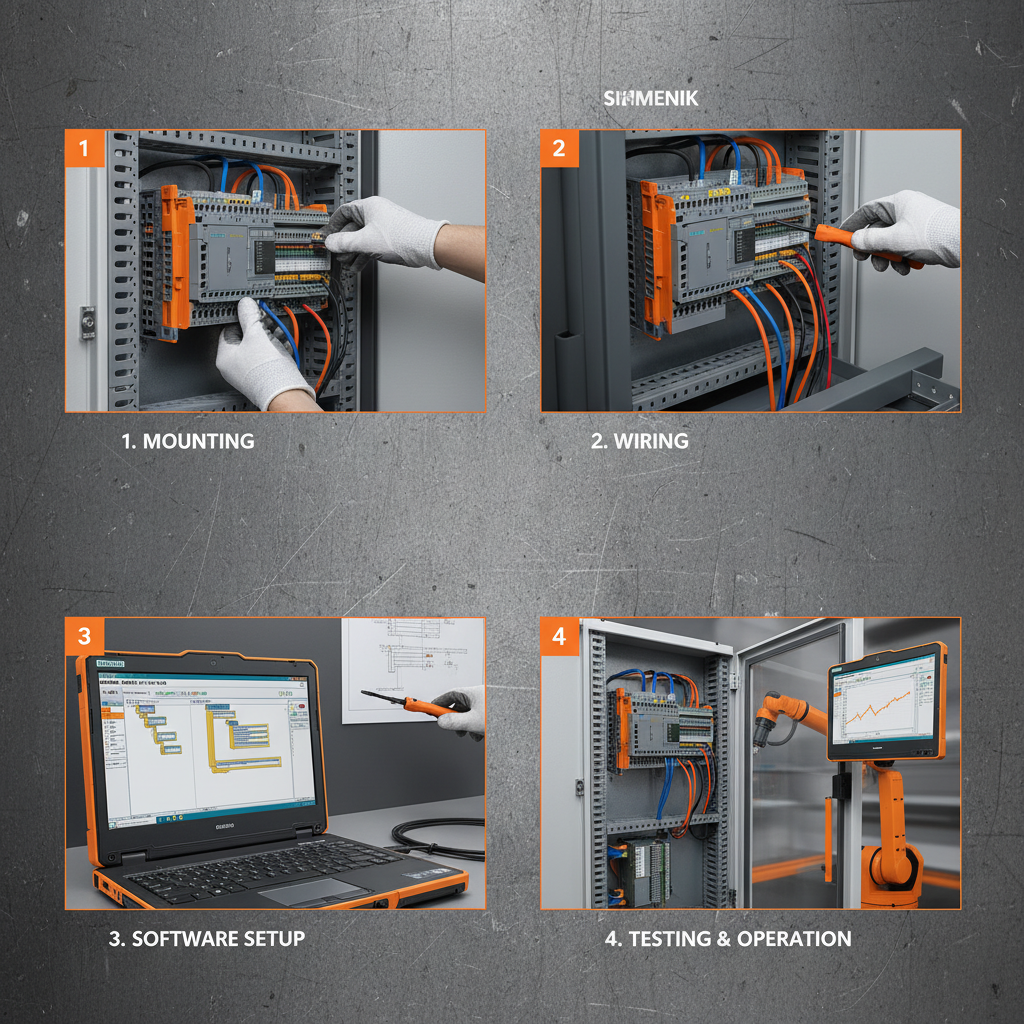
Installation varies with complexity, but many VFDs are designed for easy retrofit. Still, professional assessment is recommended to ensure compatibility, proper grounding, and to program parameters correctly.
Wrapping Up: Why Accurate VFD Sizing is a Game-Changer
Looking back, it’s clear that vfd sizing for motor is not just a detail for electrical engineers but a cornerstone for efficiency, sustainability, and even humanitarian impact. The world’s push towards greener, smarter industries hinges on this precise art of matching drives to motors. As I hope you’re beginning to see, it’s part science, part common sense, and wholly essential.
If you’re curious to dive deeper or maybe sizing a VFD for your project, why not take a peek at the resources here? There’s a trove of practical guides and products tailored to your needs.