Comprehensive Guide to the 300 PLC for Industrial Automation
Understanding the 300 PLC: A Comprehensive Guide
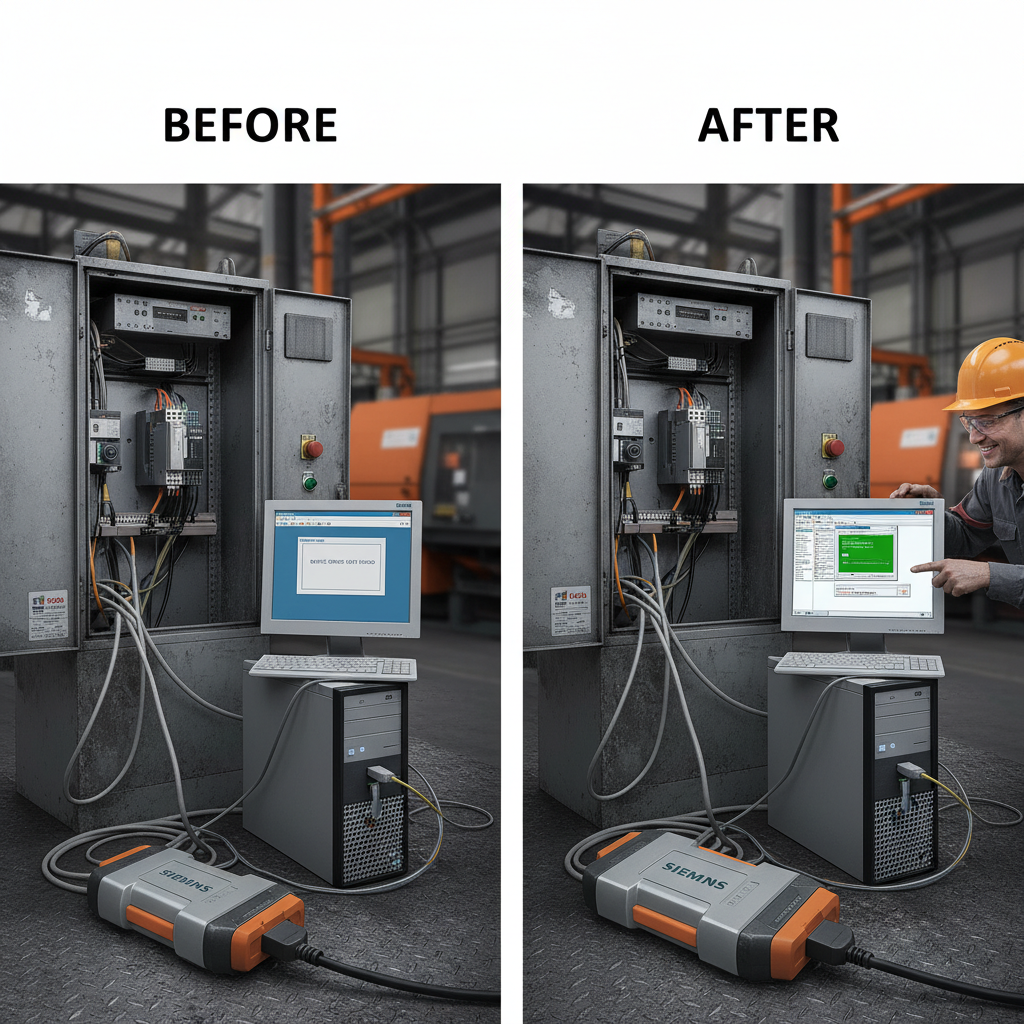
The 300 PLC (Programmable Logic Controller) represents a pivotal component in modern industrial automation. Offering a robust and versatile solution for controlling a wide array of processes, the 300 PLC is a cornerstone for businesses seeking enhanced efficiency and reliability. This article delves into the features, benefits, applications, and selection criteria for the 300 PLC, offering valuable insights for professionals and decision-makers. From optimizing production lines to streamlining complex machinery, the 300 PLC empowers industries to achieve operational excellence.
Key Features of the 300 PLC
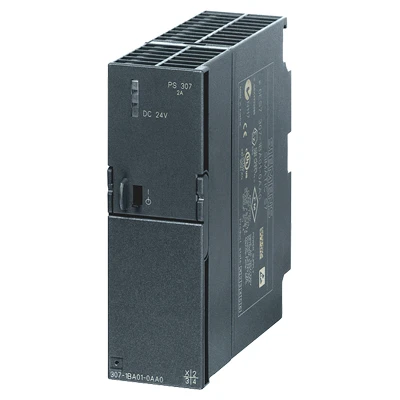
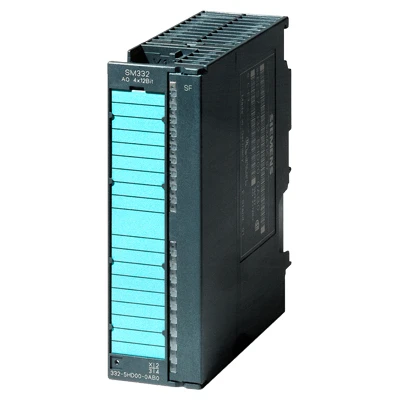
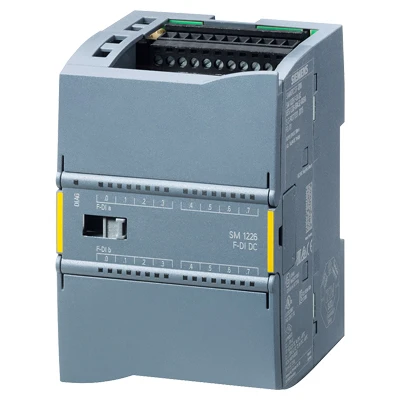
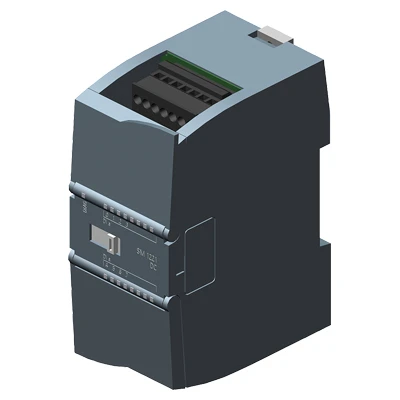
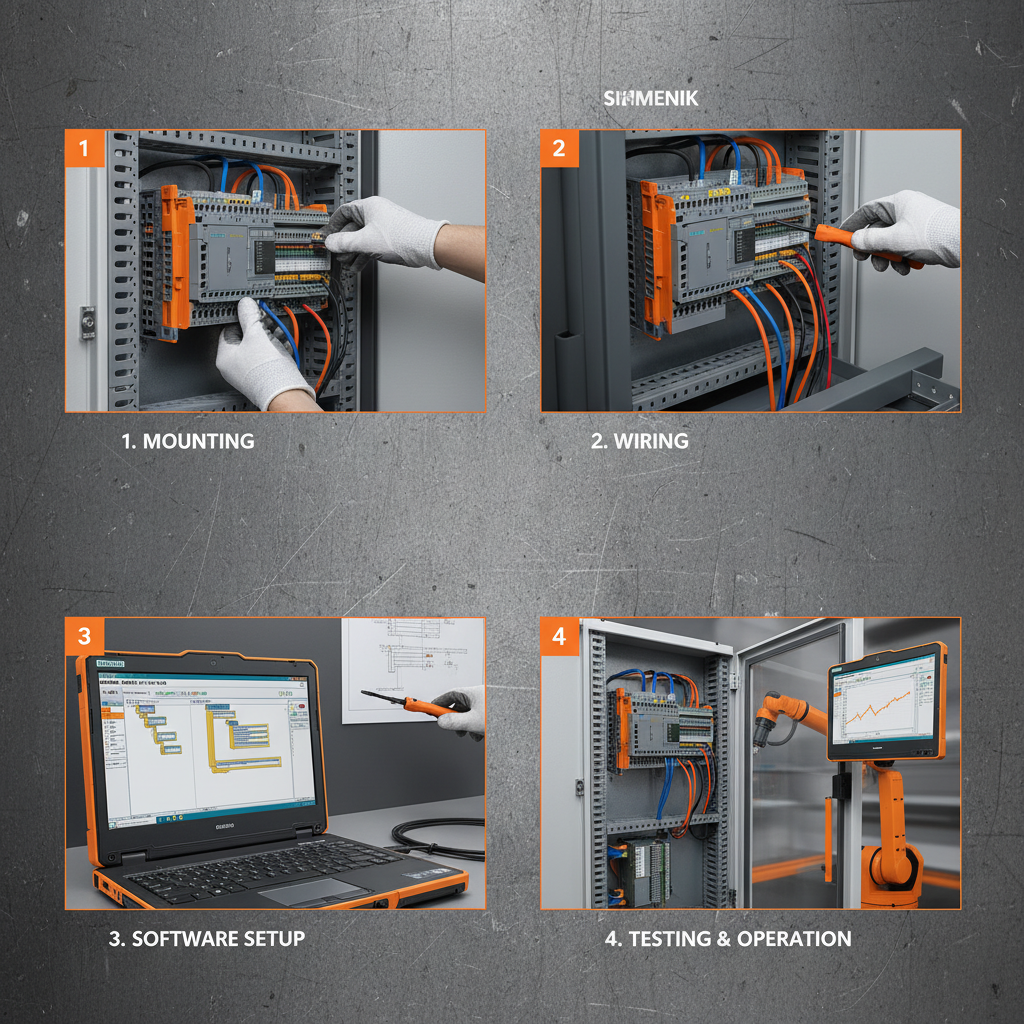
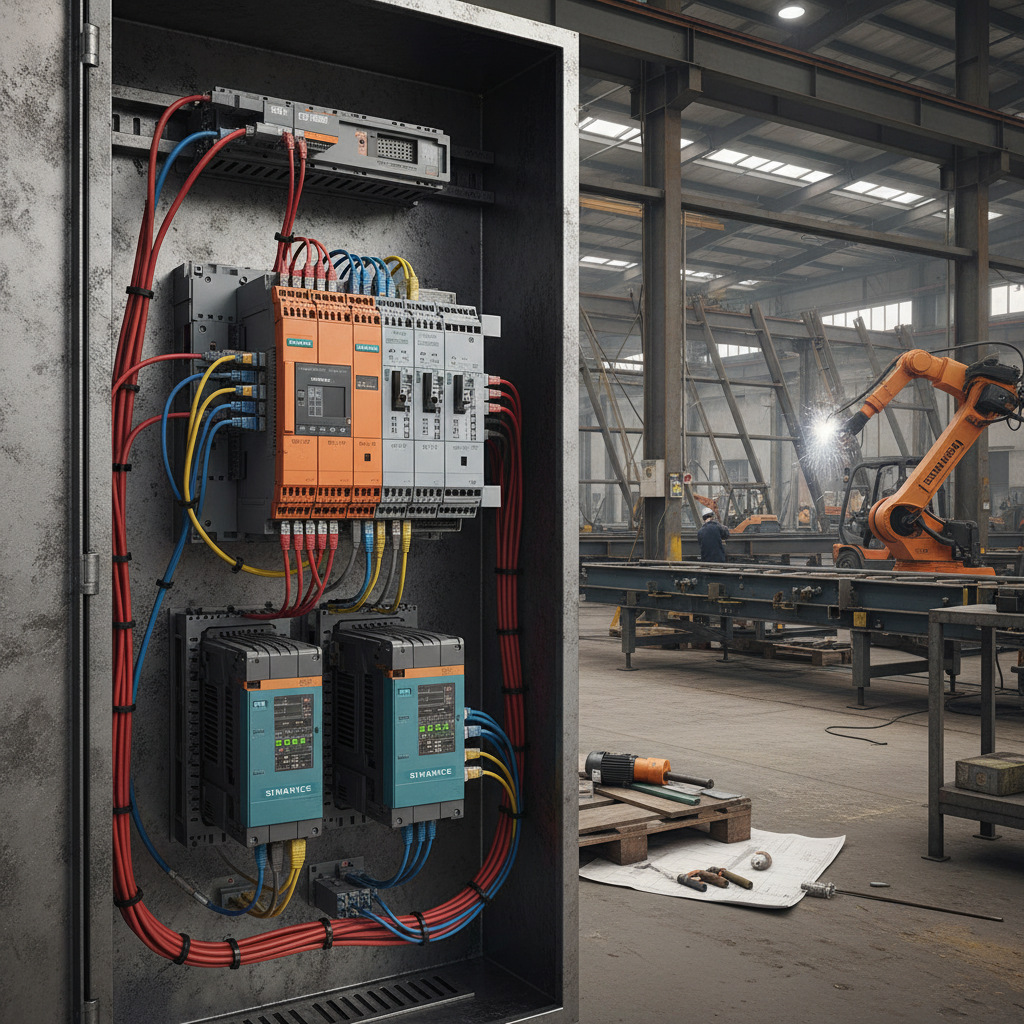
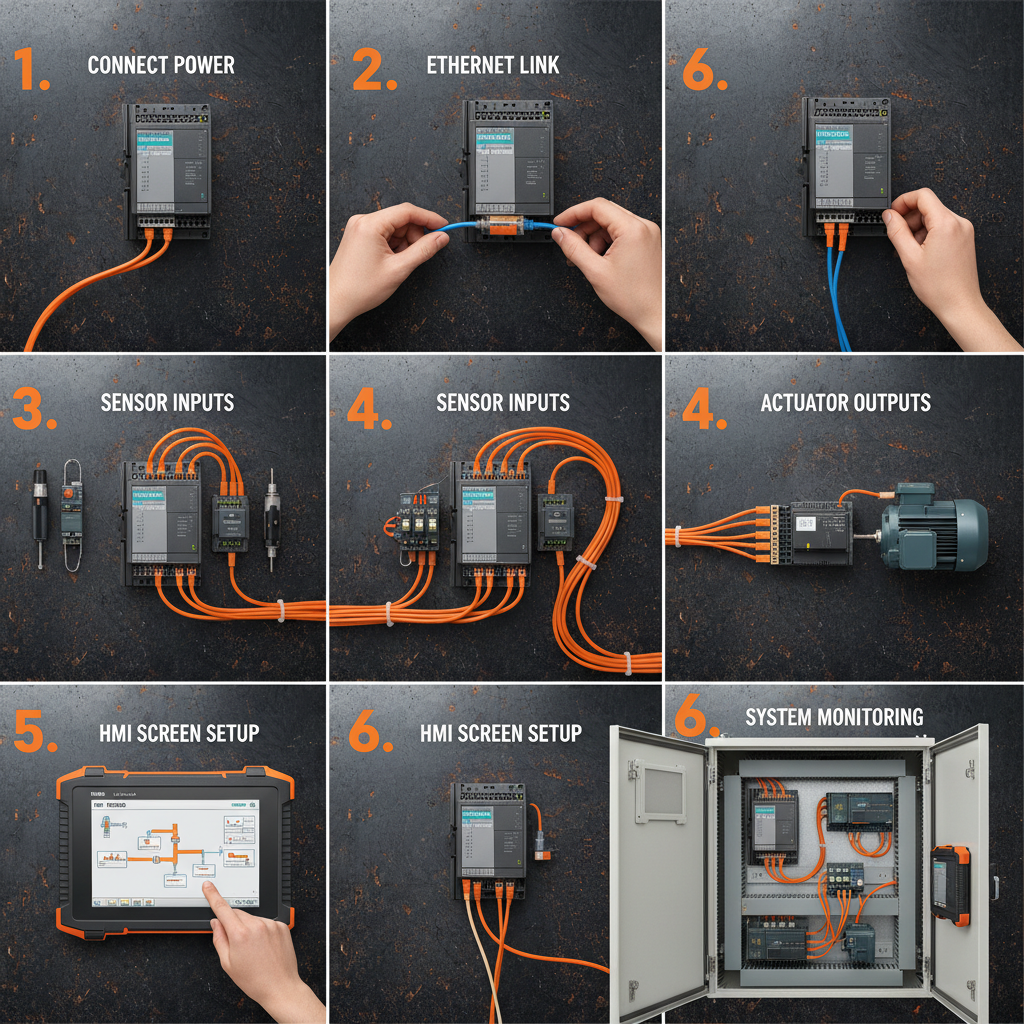
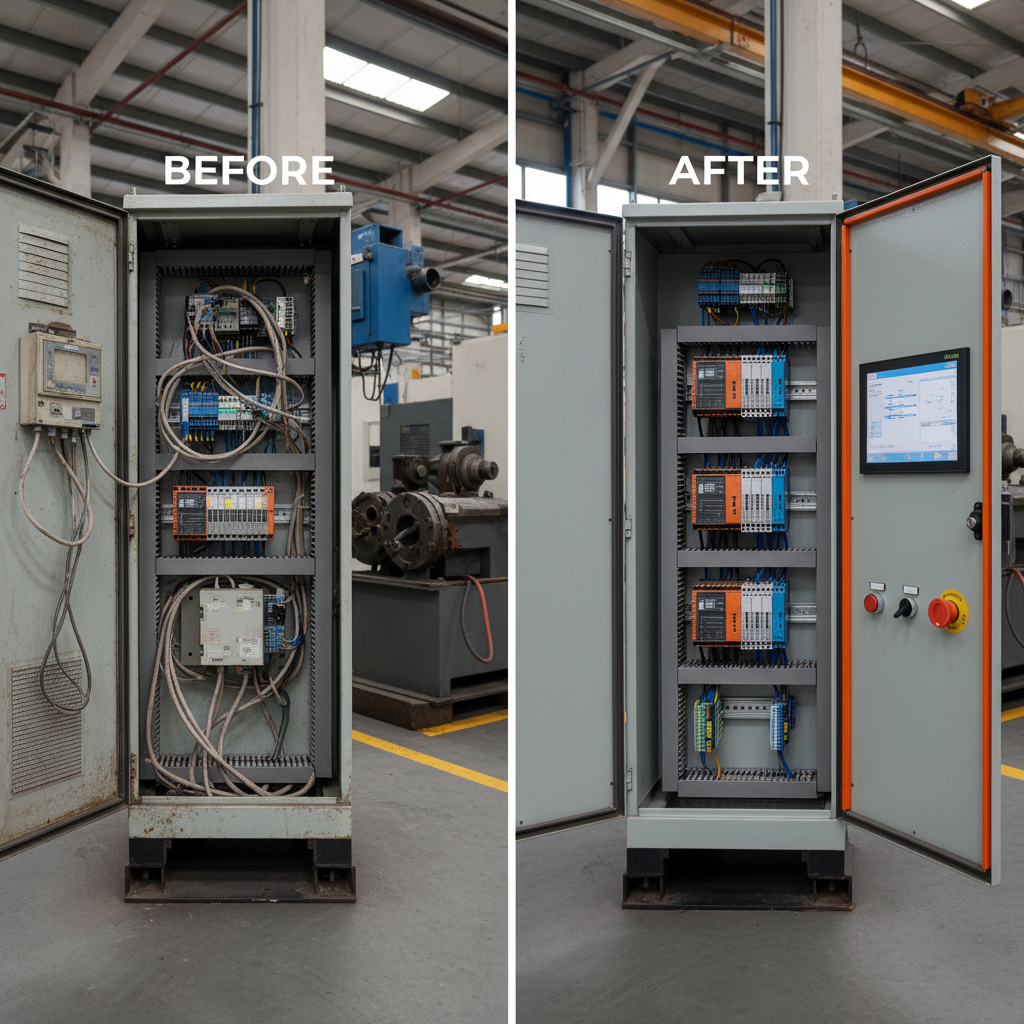
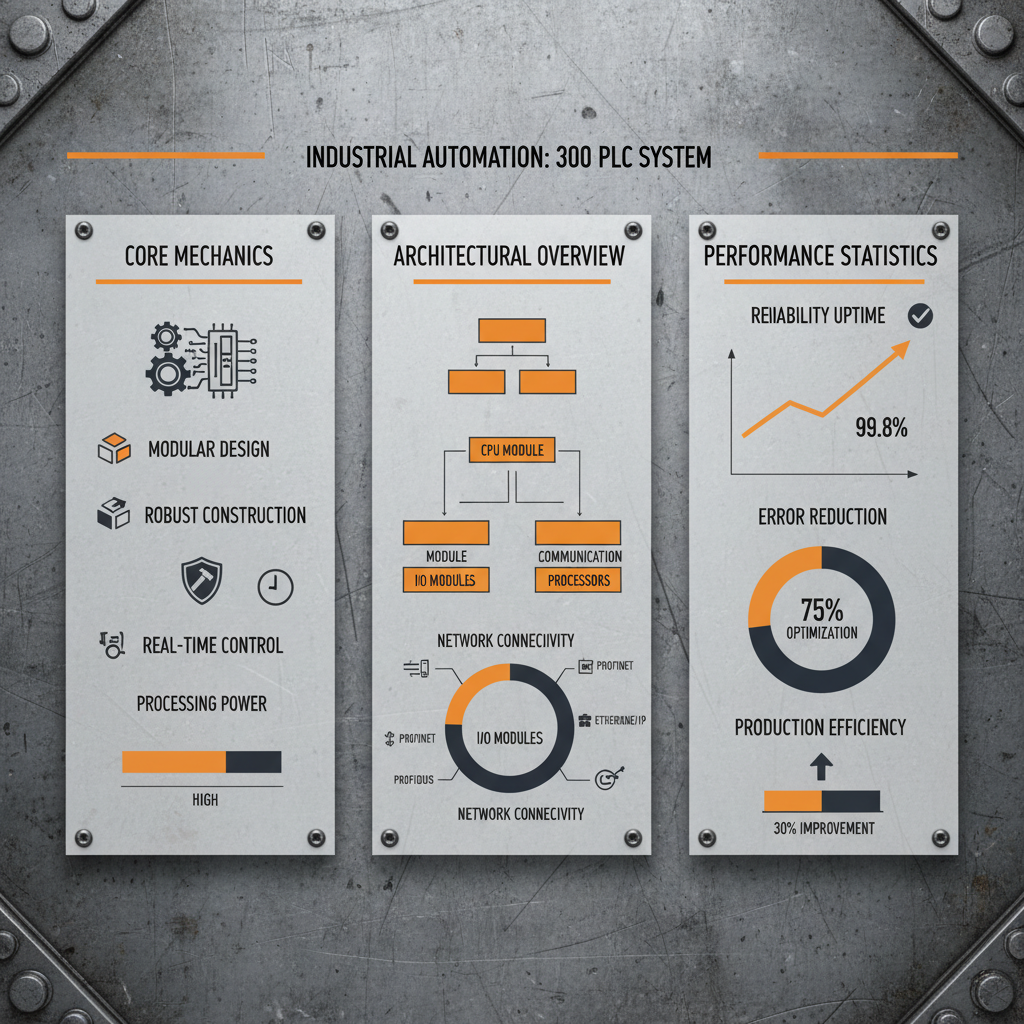
The 300 PLC boasts a modular design, enabling customization to fit specific application needs. Its compact size allows for easy integration into existing systems, while its powerful processing capabilities ensure swift and accurate control. Key features include a variety of I/O (Input/Output) modules, robust communication protocols such as Ethernet/IP and Modbus, and advanced diagnostic tools for efficient troubleshooting. The 300 PLC also supports various programming languages, including ladder logic, function block diagram, and structured text, catering to diverse developer preferences. Choosing the right 300 PLC system is vital for maximizing productivity and minimizing downtime.
Key Highlights: Modular design for customization, compact size for easy integration, powerful processing for swift control, and support for multiple programming languages.
300 PLC Applications Across Industries
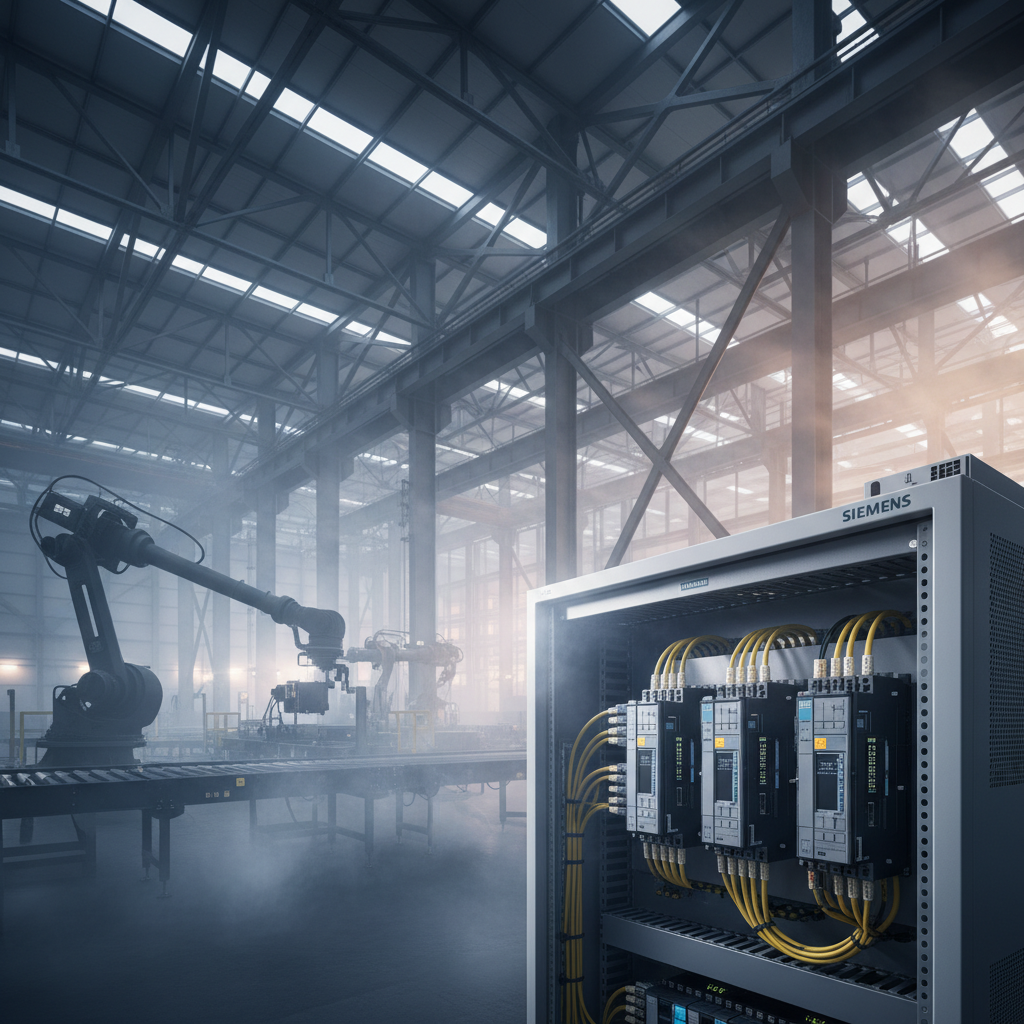
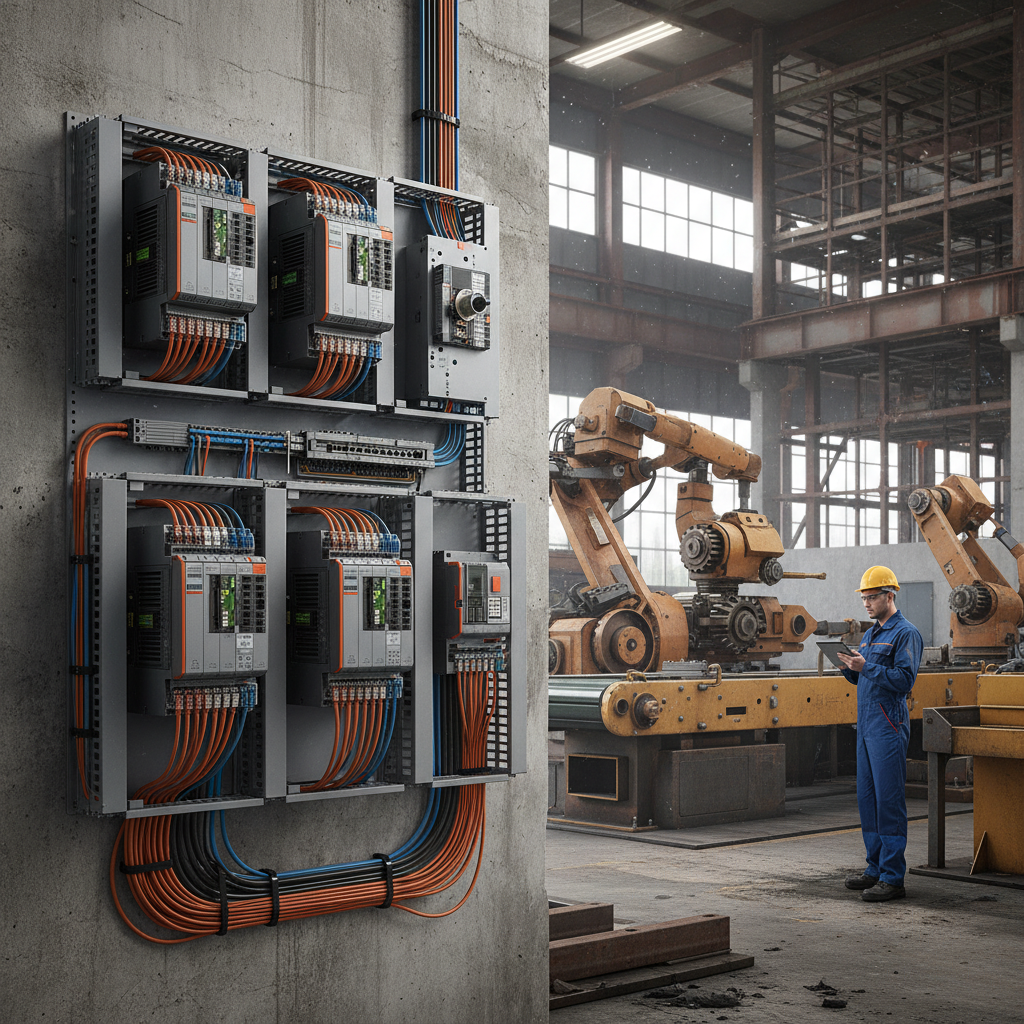
The versatility of the 300 PLC makes it ideal for a wide range of applications across various industries. In manufacturing, it controls assembly lines, robotic systems, and packaging machinery. In the oil and gas sector, it manages pipeline operations, pump stations, and wellhead control. Water and wastewater treatment plants utilize the 300 PLC for process monitoring, pump control, and chemical dosing. The food and beverage industry relies on it for precise control of mixing, blending, and bottling processes. The Tianjin Yongkai offers customized 300 PLC solutions tailored to specific industrial needs.
Application Areas:
• Manufacturing: Assembly lines, robotics, packaging
• Oil & Gas: Pipeline control, pump stations
• Water/Wastewater: Process monitoring, pump control
• Food & Beverage: Mixing, blending, bottling
300 PLC vs. Other PLC Series: A Comparative Overview
Comparing the 300 PLC with other PLC series – like the 100 or 1200 PLCs – reveals its unique strengths. The 300 PLC generally offers a higher processing speed and more extensive memory capacity compared to the 100 series, making it suitable for more complex applications. While the 1200 series may offer some similar features, the 300 PLC often presents a more cost-effective solution for mid-range automation tasks. Selecting the appropriate PLC depends on the specific requirements of the application, considering factors like processing power, I/O needs, and budget constraints. The 300 PLC from Tianjin Yongkai provides an optimal balance of performance and cost.
Selecting the Right 300 PLC Configuration
Choosing the appropriate configuration for your 300 PLC is critical. Consider the number of I/O points required, the communication protocols needed, and the processing power necessary for your application. Evaluate the environmental conditions where the PLC will be deployed, ensuring it meets temperature, humidity, and vibration requirements. Selecting a reputable supplier like Tianjin Yongkai ensures you receive high-quality components and expert support. Proper configuration streamlines installation, improves performance, and reduces potential issues.
Conclusion: Empowering Your Automation with the 300 PLC
Investing in the Future of Automation
The 300 PLC is a powerful and versatile solution for businesses seeking to optimize their automation processes. Its robust features, wide range of applications, and cost-effectiveness make it a smart investment. By choosing the right 300 PLC configuration and partnering with a trusted supplier like Tianjin Yongkai, you can unlock new levels of efficiency, reliability, and productivity.
Frequently Asked Questions (FAQs)
What programming languages are supported by the 300 PLC?
The 300 PLC typically supports a variety of programming languages, including Ladder Logic, Function Block Diagram (FBD), Structured Text (ST), and Instruction List (IL). Ladder Logic is particularly popular for its intuitive graphical interface, resembling electrical relay diagrams. Function Block Diagram is well-suited for complex control algorithms, while Structured Text offers more advanced programming capabilities. The choice of programming language depends on the specific application requirements and the developer's expertise.
What are the typical I/O options available for the 300 PLC?
The 300 PLC offers a wide array of I/O options, including digital inputs (DI), digital outputs (DO), analog inputs (AI), and analog outputs (AO). Digital I/O is used for on/off signals, such as switches and valves, while analog I/O handles continuous signals, like temperature and pressure. Specialized I/O modules are also available for specific applications, such as high-speed counters, communication interfaces, and motion control. The modular design allows users to select the I/O modules best suited to their needs.
How does the 300 PLC handle communication?
The 300 PLC supports various communication protocols, including Ethernet/IP, Modbus TCP/IP, Profibus, and Serial Communication. Ethernet/IP enables high-speed data exchange over Ethernet networks, while Modbus TCP/IP is a widely used industrial protocol. Profibus is commonly used in European automation systems, and serial communication provides a simple and reliable interface for connecting to legacy devices. The choice of communication protocol depends on the network infrastructure and the devices being connected.
What kind of support and training does Tianjin Yongkai offer for the 300 PLC?
Tianjin Yongkai provides comprehensive support and training for the 300 PLC, including technical documentation, application notes, and online resources. We offer customized training programs tailored to your specific needs, covering PLC programming, configuration, and troubleshooting. Our experienced engineers are available to provide on-site support and assistance with complex projects. We are committed to ensuring our customers have the knowledge and resources they need to maximize the benefits of the 300 PLC.