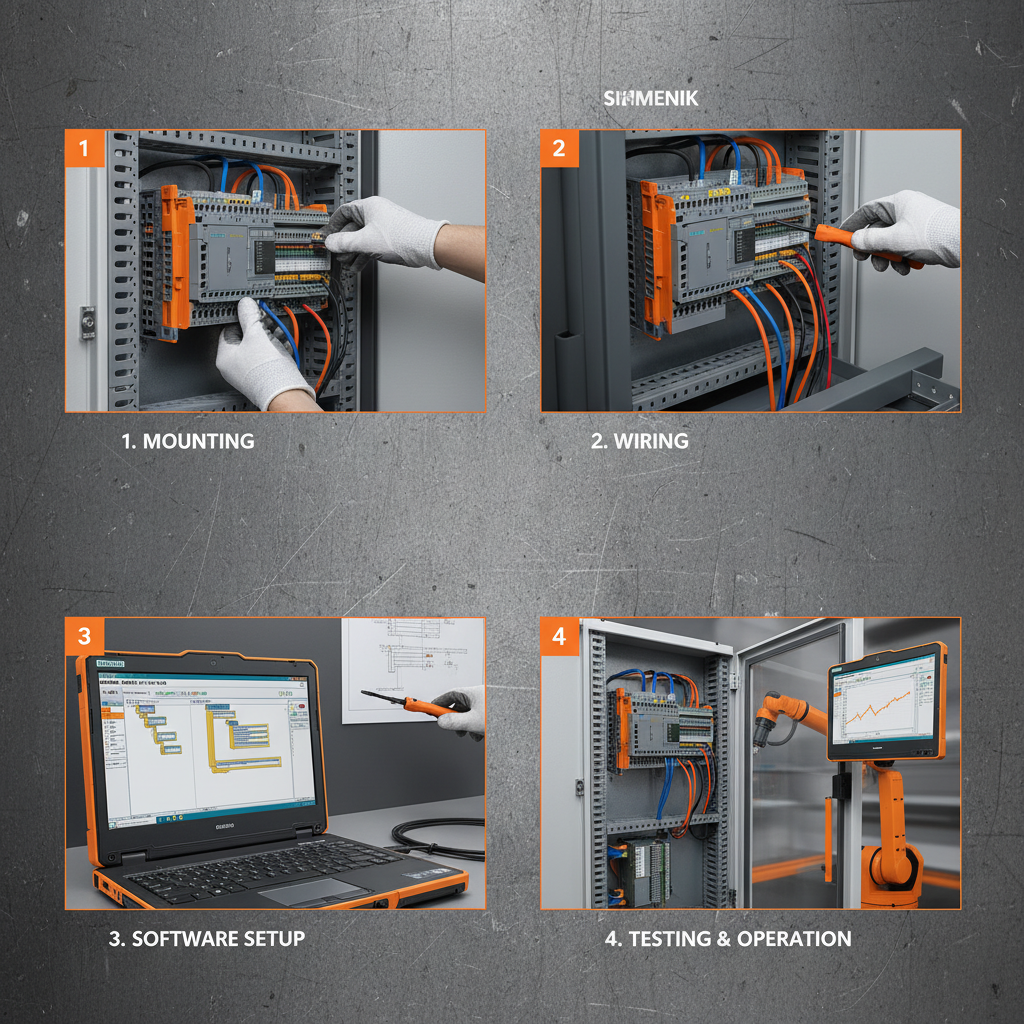
Comprehensive Guide to Siemens Module PLC for Industrial Automation
Understanding Siemens Module PLC: A Comprehensive Guide
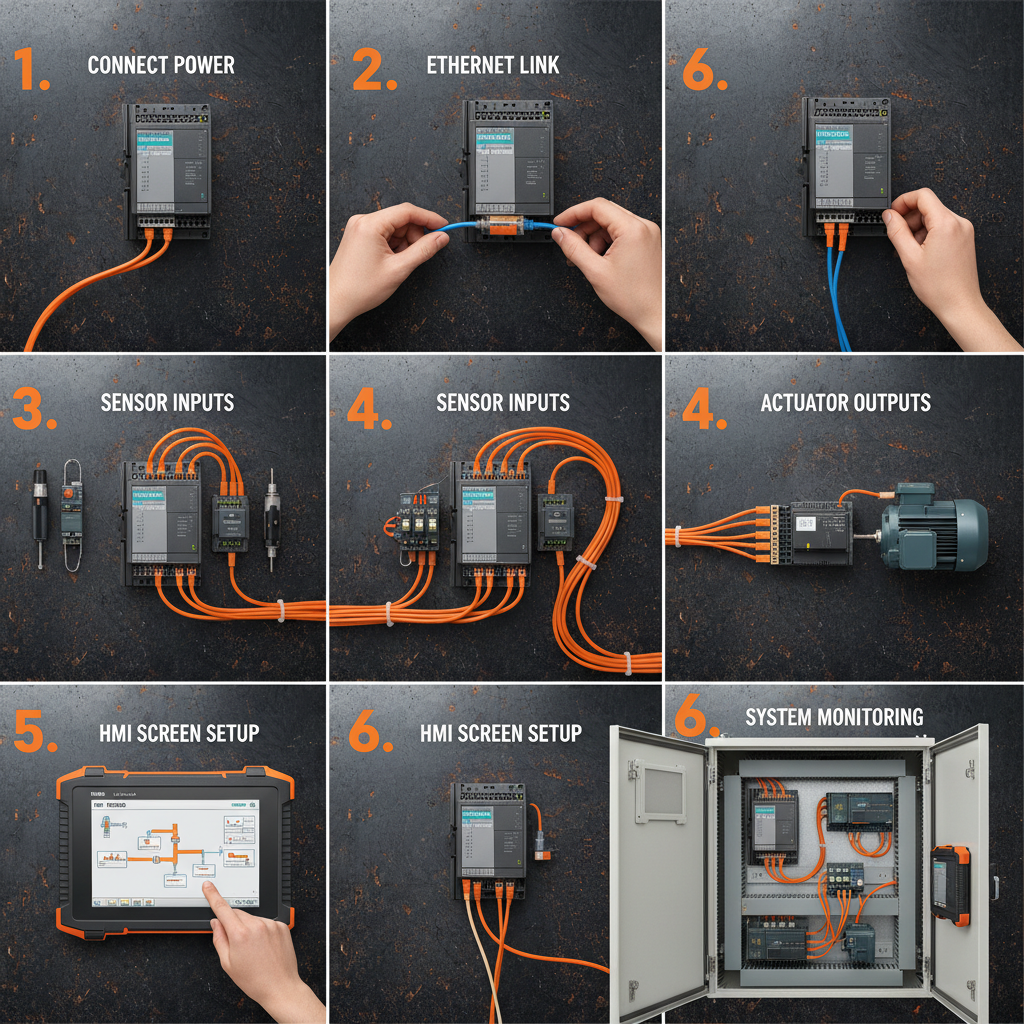
Programmable Logic Controllers (PLCs) are the backbone of modern industrial automation, and Siemens PLCs are renowned for their reliability, performance, and scalability. This article provides an in-depth look at Siemens module PLCs, covering their key features, applications, benefits, and considerations for selecting the right modules for your automation needs. From basic control tasks to complex processes, understanding the Siemens module PLC ecosystem is crucial for optimizing industrial efficiency.
What is a Siemens Module PLC?
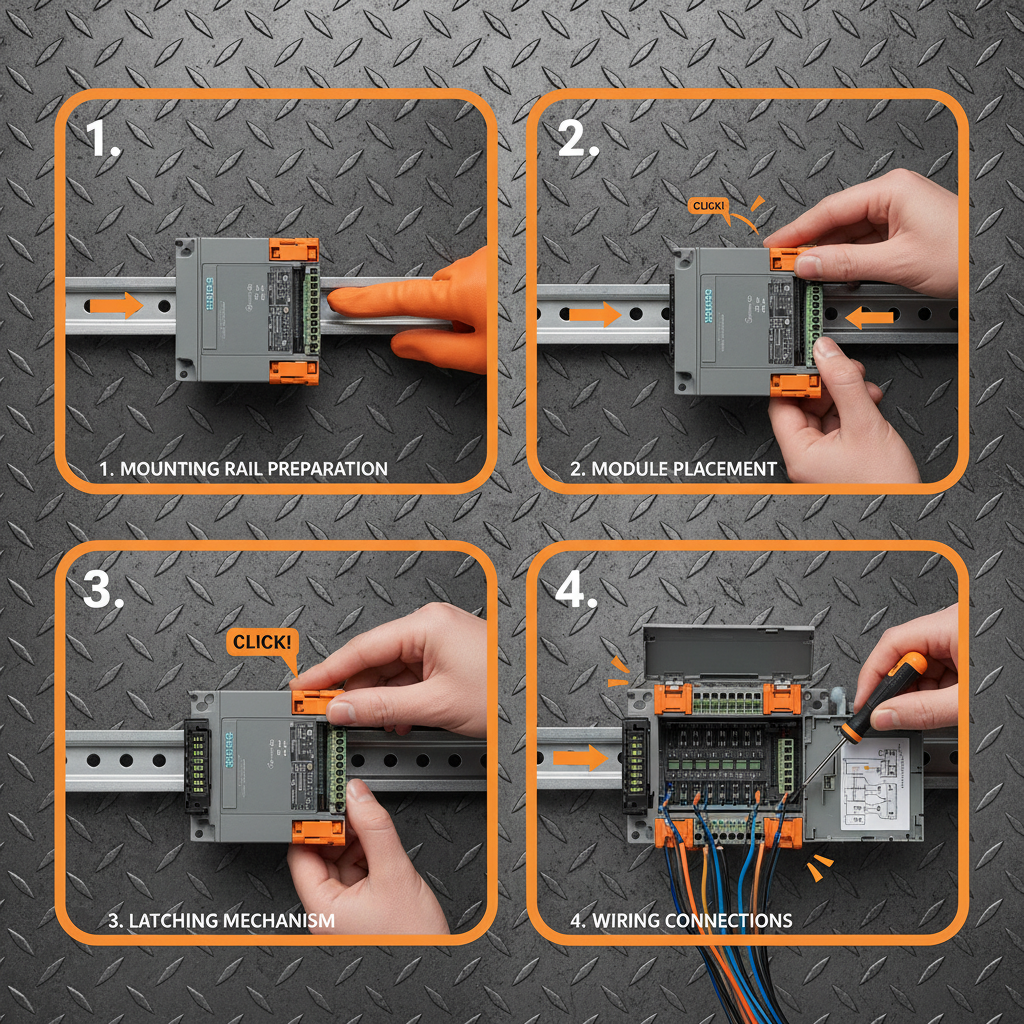
A Siemens module PLC is a modular automation system built around a central processing unit (CPU) and a range of interchangeable modules. These modules handle specific tasks, such as digital input/output (I/O), analog I/O, communication, and specialized functions. The modularity allows for a tailored system, easily adapted to changing requirements. Unlike monolithic PLCs, modular systems offer flexibility, scalability, and cost-effectiveness. Common Siemens PLC families include SIMATIC S7-1200, S7-1500, and S7-300/400, each catering to different levels of complexity and application demands. Choosing the right module is paramount to the overall success of your automation system.
Key Highlights: Modular design for adaptability, scalability and cost-effectiveness. Siemens offers a range of families including S7-1200, S7-1500 and S7-300/400 to suit various complexity levels.
Types of Siemens PLC Modules
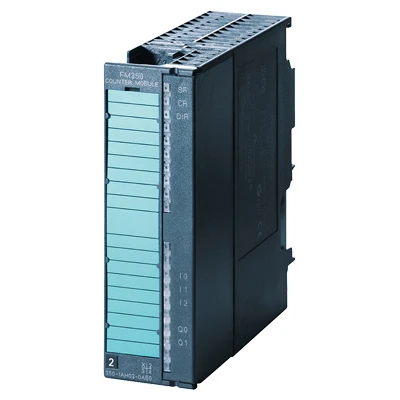
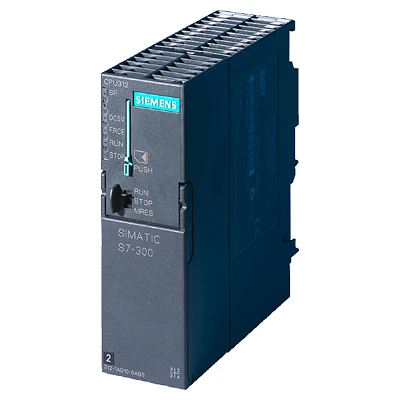
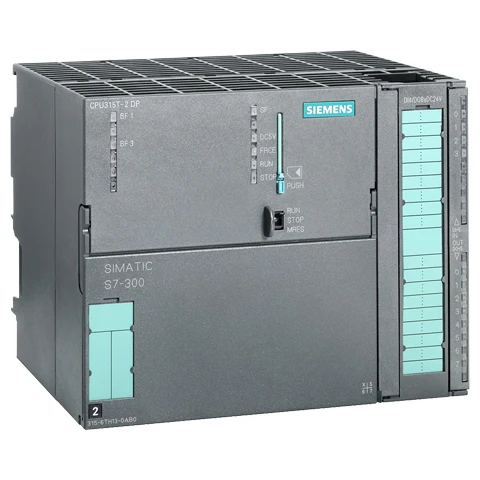
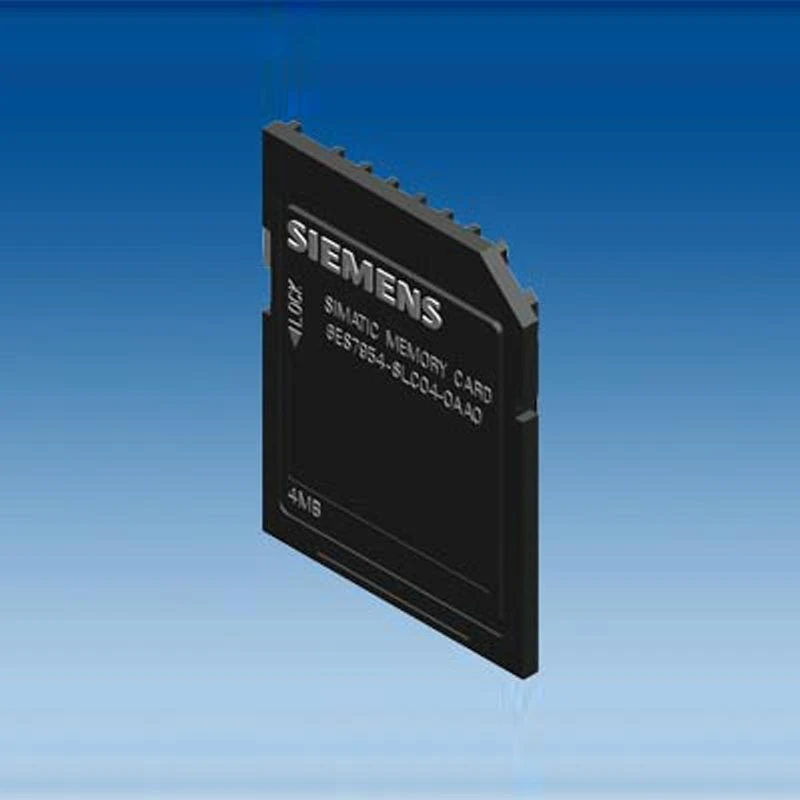
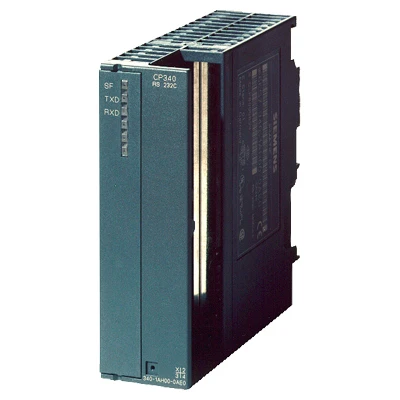
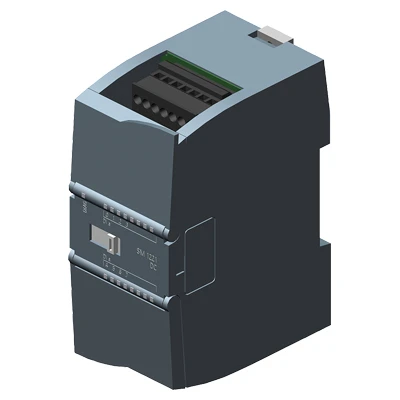
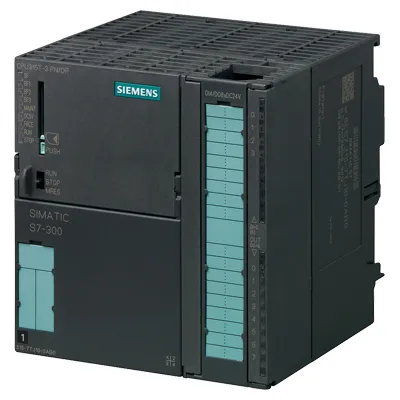
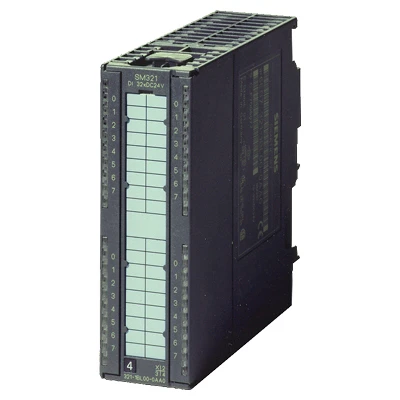
Siemens offers a wide array of modules to address diverse automation needs. These can be broadly categorized as follows: Digital I/O Modules – control discrete signals like switches and valves; Analog I/O Modules – process continuous signals from sensors like temperature and pressure transmitters; Communication Modules – enable communication with other devices and systems (e.g., PROFINET, PROFIBUS); CPU Modules – the central processing unit of the PLC; Power Supply Modules – provide the necessary power to the system; and Function Modules – perform specialized tasks like motion control and counting. Selecting the appropriate module types is crucial for ensuring accurate and efficient control of your industrial processes.
Module Type Overview:
• Digital I/O: Controls discrete signals.
• Analog I/O: Processes continuous signals.
• Communication: Enables network connectivity.
• CPU: The central processing unit.
Siemens Module PLC vs. Competitors: A Comparison
When compared to other PLC manufacturers like Allen-Bradley and Omron, Siemens PLCs often stand out in terms of scalability and integration capabilities. Siemens offers a robust ecosystem of software and hardware, making it easier to integrate PLCs with other automation components. While Allen-Bradley is strong in large-scale applications, Siemens excels in medium to complex systems. Omron provides competitive solutions, particularly for cost-sensitive applications, but may lack the same level of advanced features and integration options as Siemens. Ultimately, the best choice depends on the specific application requirements and budget constraints.
Applications of Siemens Module PLCs
Siemens module PLCs find application across a wide range of industries, including manufacturing, automotive, food and beverage, oil and gas, and building automation. They are used in tasks such as assembly line control, robotic automation, process monitoring, temperature control, and energy management. Their ability to handle complex tasks and integrate with other systems makes them ideal for optimizing industrial processes. You can find solutions for your specific application needs at Tianjin Yongkai.
Selecting the Right Siemens Module PLC: Key Considerations
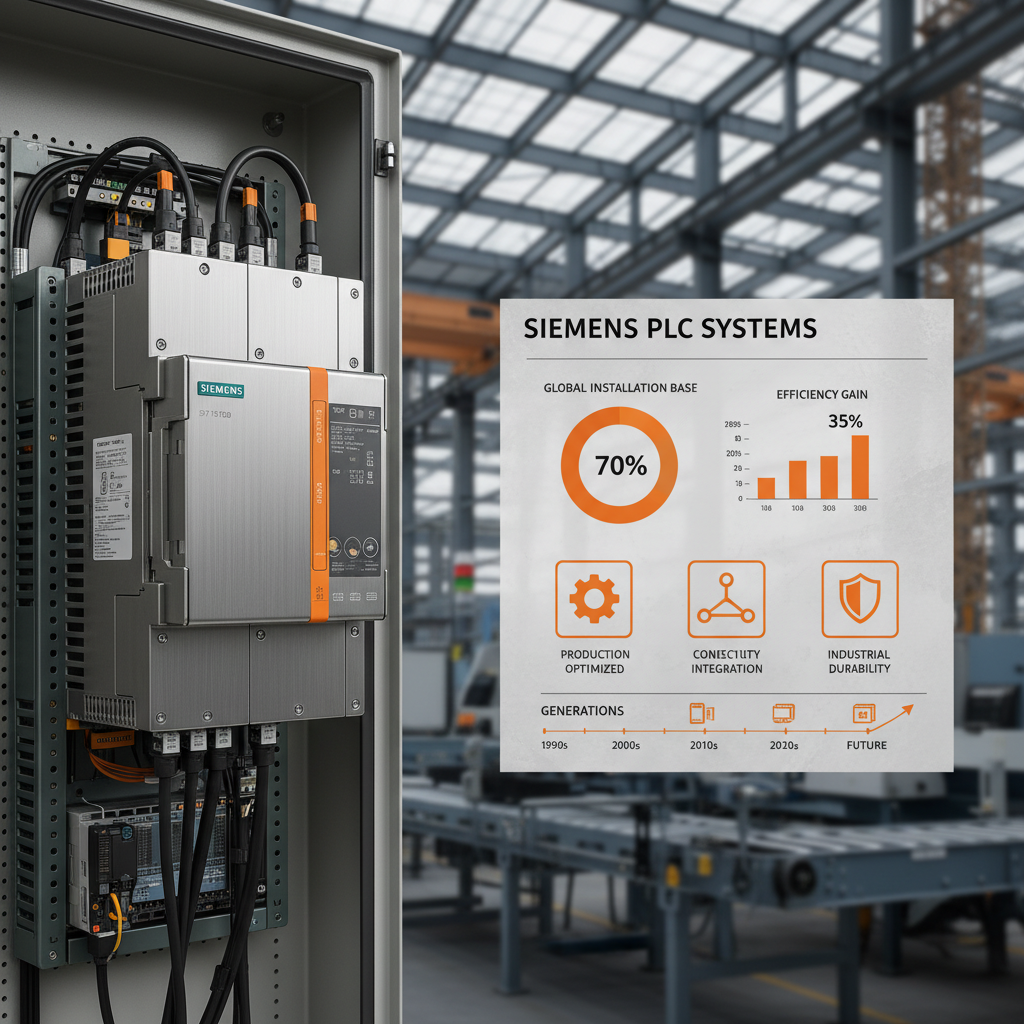
Choosing the right Siemens module PLC requires careful consideration of several factors. These include the complexity of the application, the number of I/O points required, the communication protocols needed, the environmental conditions, and the budget. It's essential to consult with experienced automation professionals to ensure the selected PLC and modules meet your specific needs. Consider future scalability – selecting a system that can easily accommodate future expansion can save you significant time and money in the long run.
Conclusion: Embracing Siemens Module PLC Technology
Investing in Siemens module PLC technology is a strategic move for businesses looking to enhance automation, improve efficiency, and reduce costs. The flexibility, scalability, and reliability of Siemens PLCs make them a valuable asset for a wide range of industrial applications. Explore the options available at Tianjin Yongkai to find the perfect solution for your automation challenges.
Frequently Asked Questions (FAQs)
What programming languages are supported by Siemens PLCs?
Siemens PLCs primarily support several IEC 61131-3 programming languages, including Ladder Diagram (LAD), Function Block Diagram (FBD), Structured Text (ST), Sequential Function Chart (SFC), and Instruction List (IL). The most commonly used languages are LAD and FBD, particularly for discrete control applications. ST is favored for complex algorithms and data manipulation, while SFC is ideal for managing sequential processes. The TIA Portal, Siemens' integrated engineering environment, supports all these languages, allowing developers to choose the most appropriate one for their specific needs.
How do I diagnose faults in a Siemens PLC system?
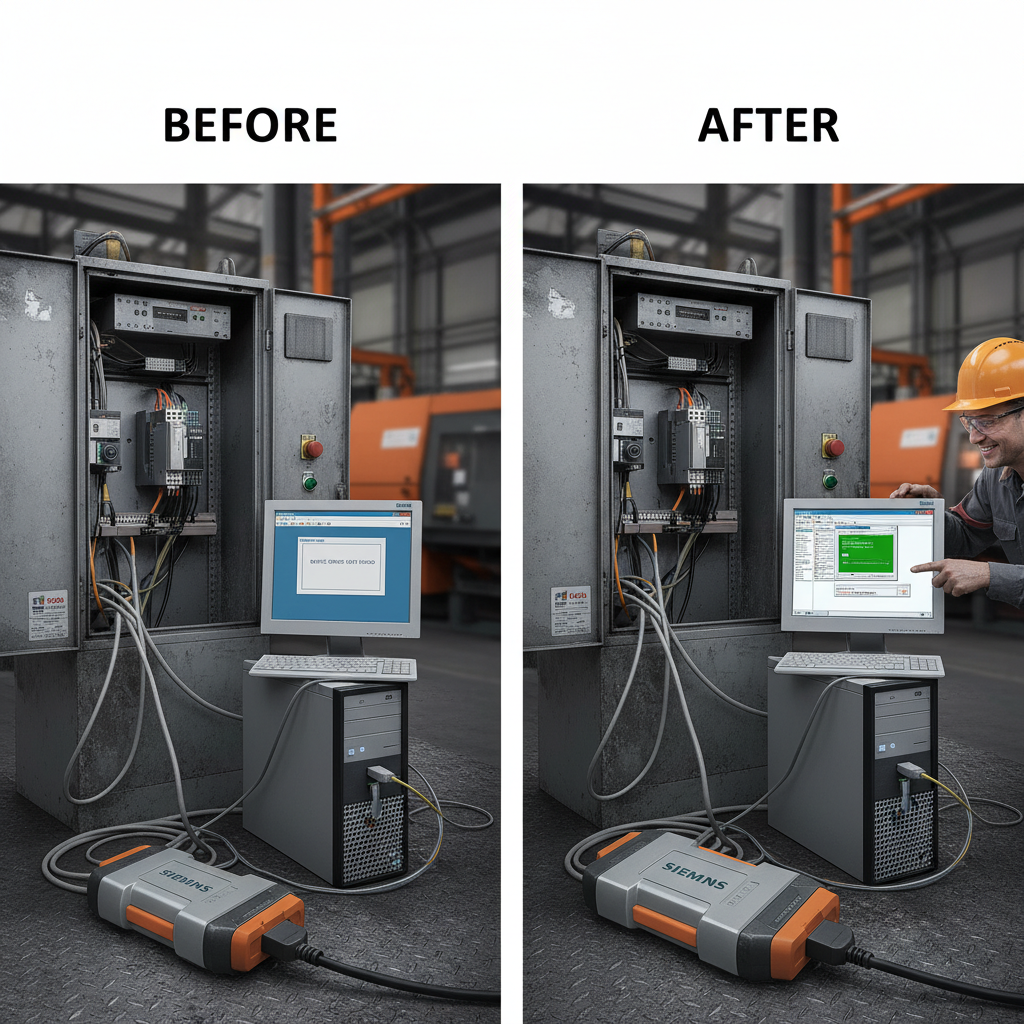
Siemens PLCs offer robust diagnostic capabilities. The TIA Portal provides tools for online monitoring, fault tracing, and error logging. Diagnostic buffers store information about errors that occur in the PLC, including timestamps and error codes. You can use the TIA Portal to view these errors and identify the source of the problem. Additionally, many modules have integrated LEDs that indicate their status. For more complex issues, Siemens provides diagnostic manuals and support resources.
What is the role of the TIA Portal in Siemens PLC programming?
The TIA Portal (Totally Integrated Automation Portal) is Siemens' unified engineering software for configuring, programming, and commissioning automation systems. It provides a single platform for managing all aspects of a PLC project, from hardware configuration to software development and diagnostics. The TIA Portal simplifies the engineering process, improves collaboration, and reduces the risk of errors. It supports all Siemens PLC families and offers a comprehensive library of pre-built functions and templates.