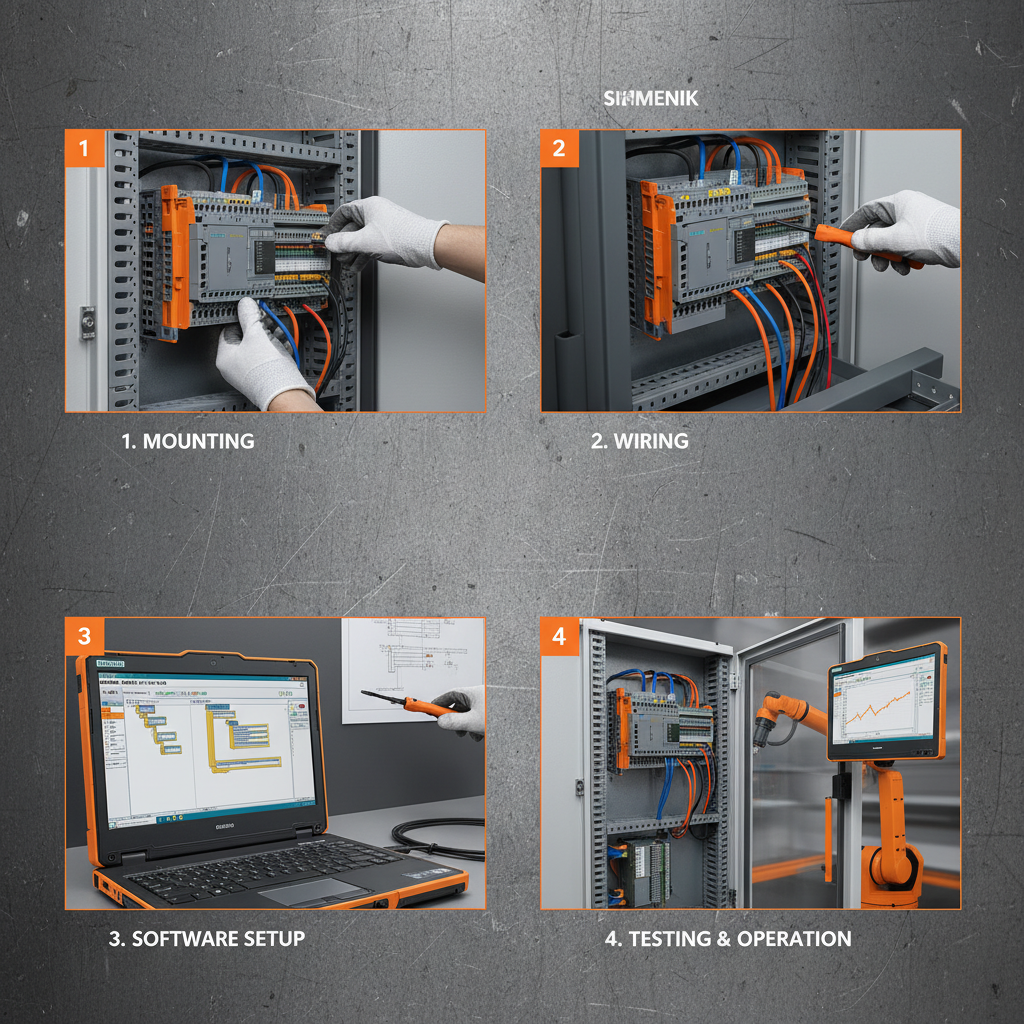
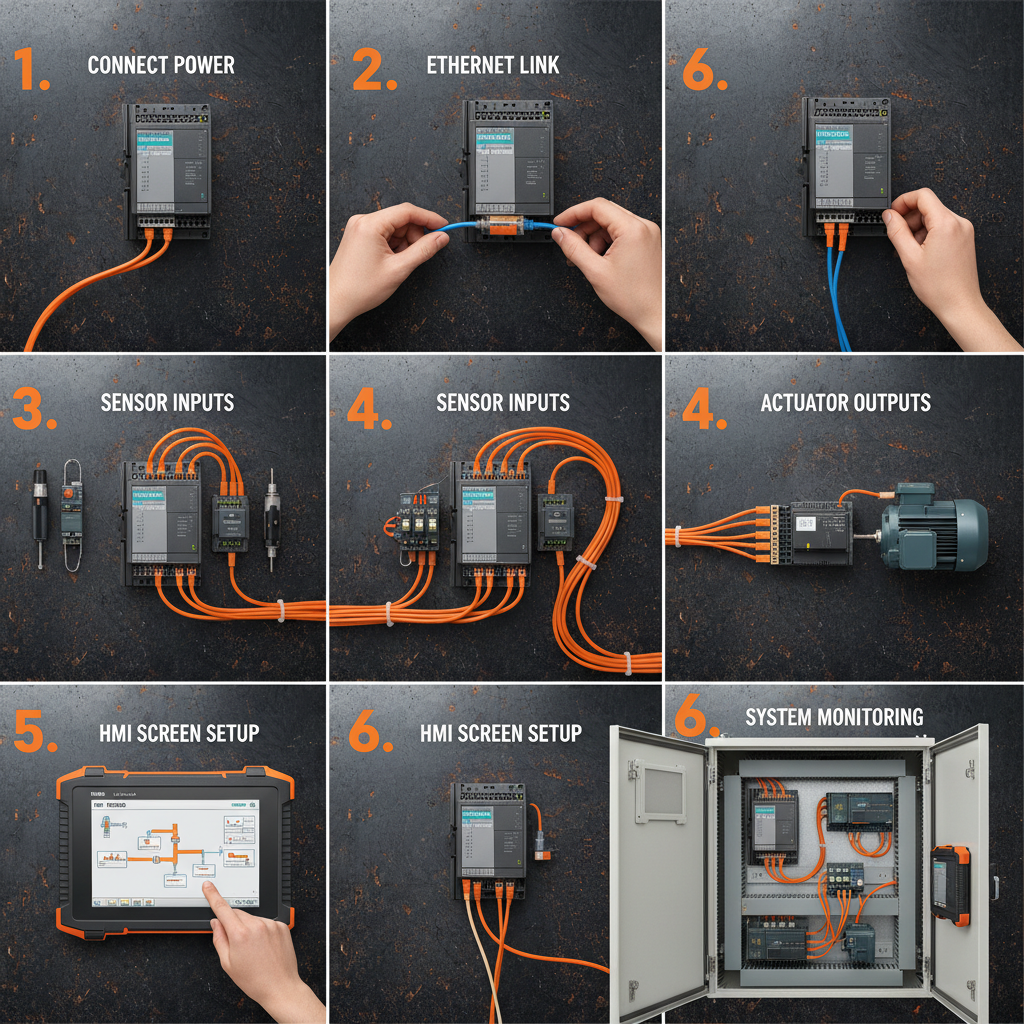
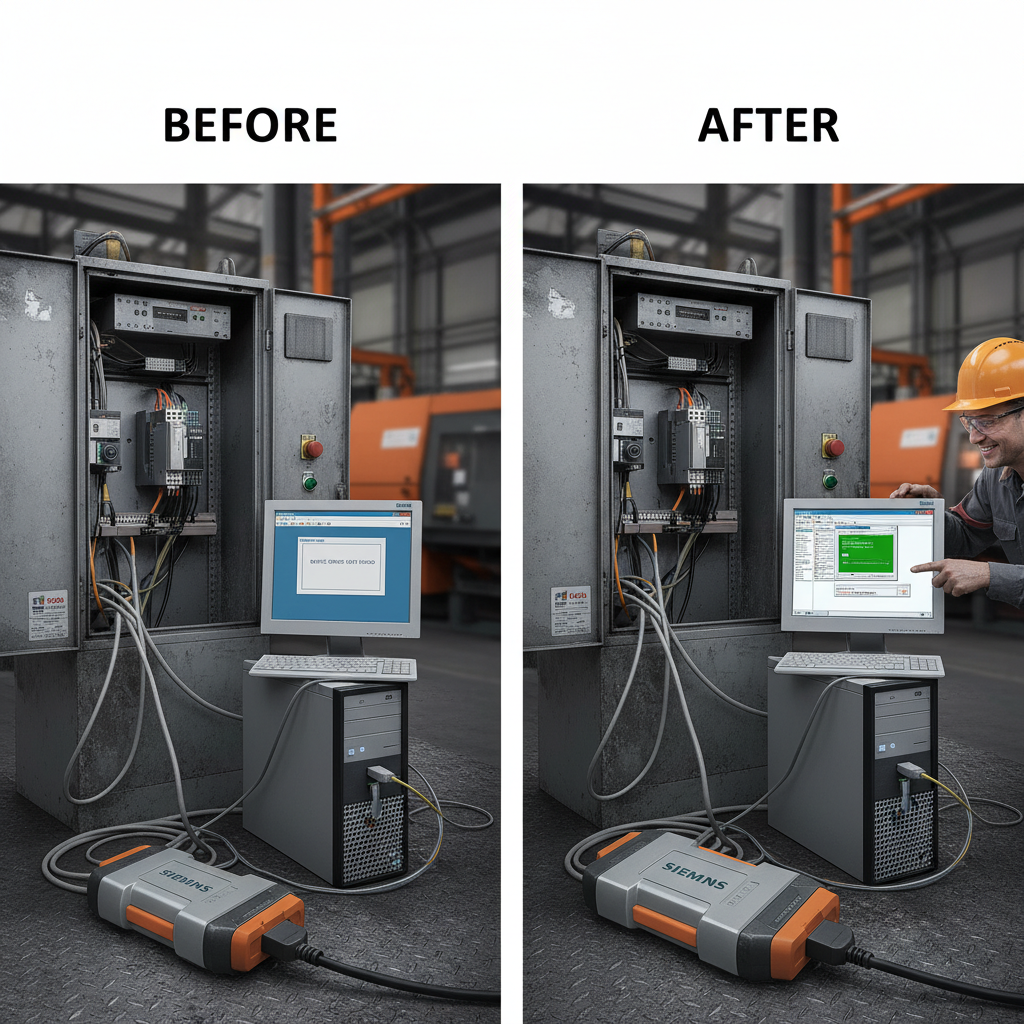
HMI PLC Siemens Integration for Advanced Industrial Automation Systems
HMI PLC Siemens: A Comprehensive Guide for Industrial Automation
In the realm of industrial automation, the integration of Human Machine Interface (HMI), Programmable Logic Controllers (PLC), and Siemens technology is paramount. This combination delivers powerful control, monitoring, and optimization capabilities for a wide range of applications. This article will explore the synergy between HMI PLC Siemens systems, covering their components, benefits, applications, and key considerations for implementation. Understanding these elements is crucial for businesses seeking to enhance efficiency, reduce downtime, and improve overall productivity.
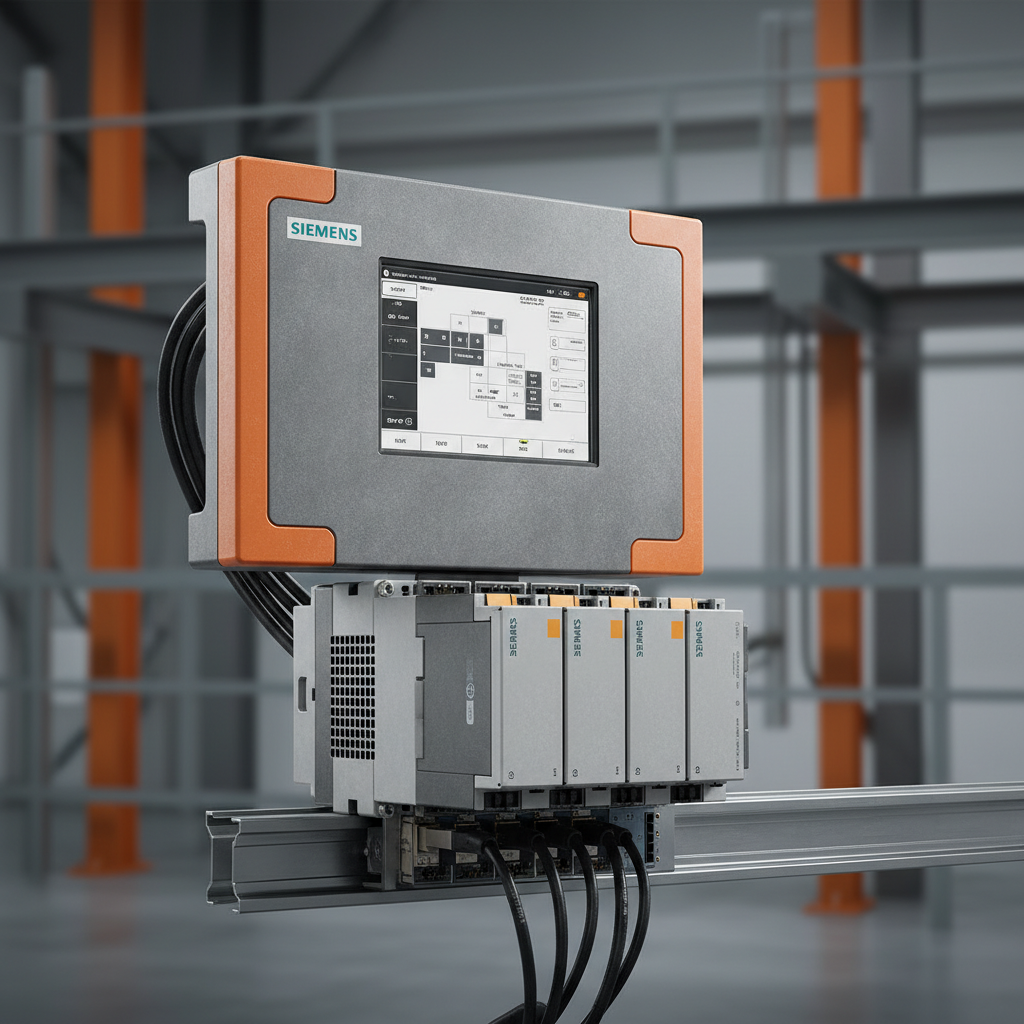
Understanding the Core Components: HMI, PLC, and Siemens
Let's begin by defining the core components. A PLC (Programmable Logic Controller) is a specialized computer used to automate industrial processes, such as controlling machinery on factory assembly lines. An HMI (Human Machine Interface) serves as the bridge between the operator and the PLC, providing a user-friendly interface for monitoring, controlling, and troubleshooting the system. Siemens, a global technology powerhouse, provides both PLCs and HMIs, offering a seamless and integrated solution. Siemens PLCs are renowned for their reliability, performance, and scalability. Their HMIs provide intuitive visualization and control, empowering operators to manage complex processes effectively.
Key Takeaway: The combination of Siemens PLCs and HMIs creates a robust and efficient automation solution, offering enhanced control, visibility, and performance.
Benefits of Integrating HMI PLC Siemens Systems
The integration of an HMI PLC Siemens system brings numerous benefits to industrial operations. These include improved operational efficiency, reduced downtime through real-time monitoring and diagnostics, enhanced data analysis for optimized processes, and increased safety by providing clear visual feedback and control mechanisms. Siemens’ integrated solutions offer a standardized environment, streamlining maintenance and reducing the need for specialized expertise. The result is a more streamlined, reliable, and cost-effective automation process.
Key Benefits:
• Improved operational efficiency
• Reduced downtime
• Enhanced data analysis
• Increased safety
Siemens HMI PLC: Comparing SIMATIC HMI and SIMATIC PLC Series
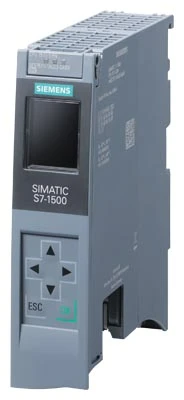
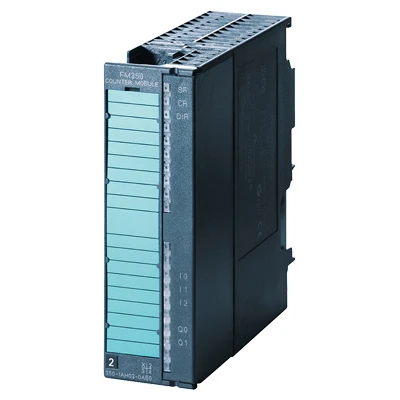
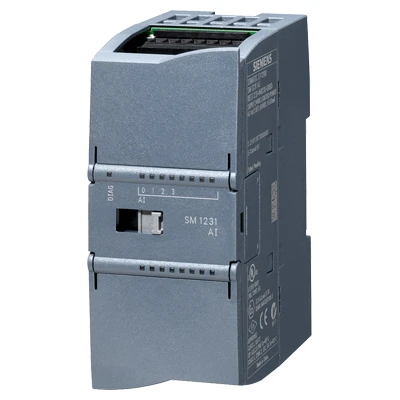
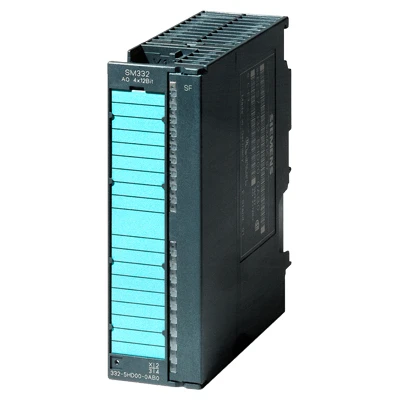
Siemens offers a comprehensive range of HMI and PLC series to cater to diverse industrial needs. The SIMATIC HMI series, including Comfort Panels, Basic Panels, and Mobile Panels, provide flexible visualization and control options. On the PLC side, the SIMATIC S7 series (S7-1200, S7-1500, S7-300, S7-400) offers varying levels of performance, scalability, and functionality. The choice of the appropriate series depends on the complexity of the application, required processing power, and budget considerations. Tianjin Yongkai specializes in integrating these Siemens components for optimal performance.
Applications of HMI PLC Siemens Systems Across Industries
The versatility of HMI PLC Siemens systems extends across numerous industries. In manufacturing, they control complex assembly lines and robotic systems. In the oil and gas sector, they monitor pipelines and optimize pumping operations. Water and wastewater treatment plants rely on them for process control and data logging. The food and beverage industry utilizes these systems for precise batch control and quality assurance. From power generation to pharmaceuticals, the applications are virtually limitless.
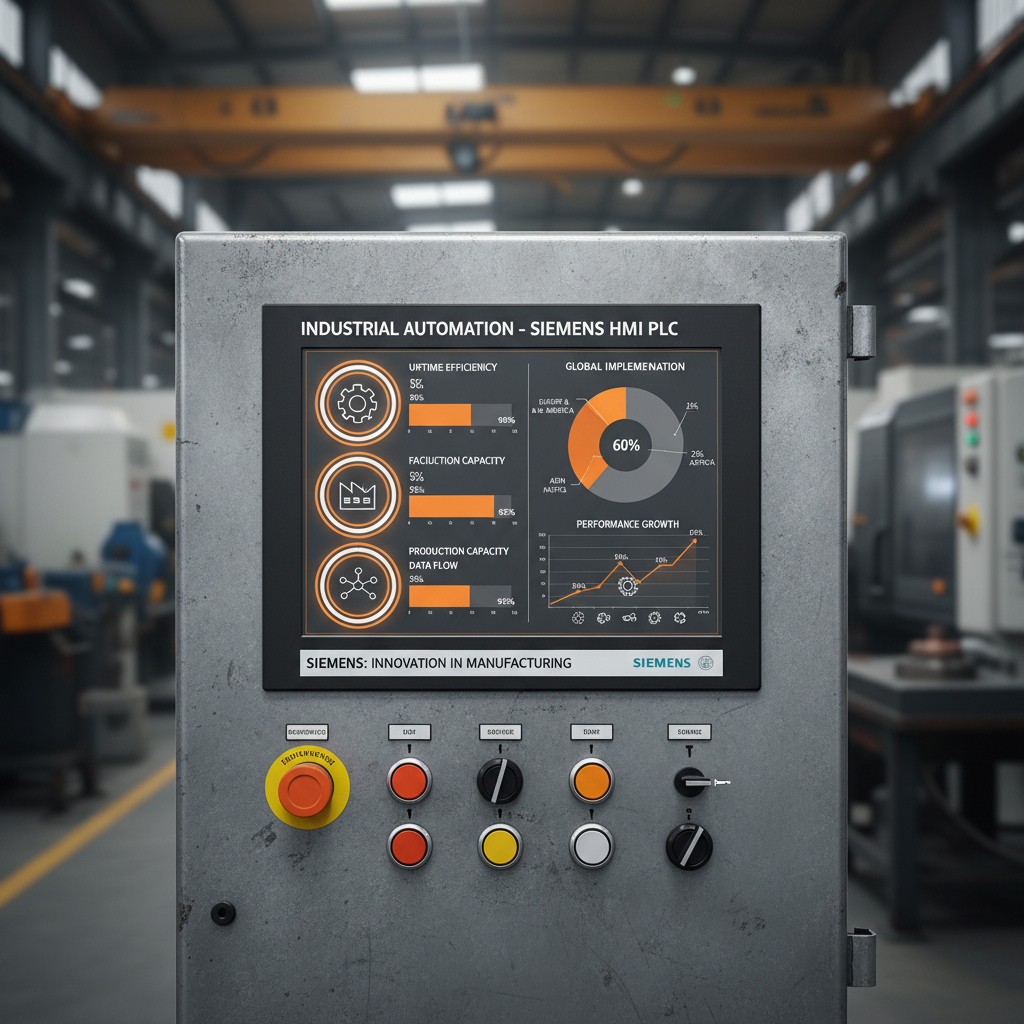
Key Considerations for Successful Implementation
Successful implementation of an HMI PLC Siemens system requires careful planning and execution. Factors to consider include defining clear automation goals, selecting the appropriate hardware and software components, ensuring seamless integration with existing systems, providing adequate training for operators, and establishing a robust cybersecurity strategy. Proper system configuration, testing, and documentation are also crucial for long-term reliability and maintainability. Tianjin Yongkai offers comprehensive services, including system design, installation, and training, to ensure a smooth and successful implementation.
Conclusion: Empowering Your Industrial Future with HMI PLC Siemens
The integration of an HMI PLC Siemens system is a strategic investment that can unlock significant benefits for your industrial operations. By embracing this powerful technology, you can improve efficiency, reduce costs, and enhance overall productivity. Contact Tianjin Yongkai today to explore how we can help you optimize your automation processes.
Frequently Asked Questions (FAQs)
What is the typical cost of implementing an HMI PLC Siemens system?
The cost of implementing an HMI PLC Siemens system varies greatly depending on the complexity of the application, the size of the system, and the specific components selected. Smaller systems for simple automation tasks can range from a few thousand dollars, while large-scale, complex systems can cost tens or even hundreds of thousands of dollars. Factors influencing the cost include the PLC type (S7-1200, S7-1500, etc.), the HMI panel size and features, the required software licenses, and the cost of installation and commissioning. Tianjin Yongkai can provide a detailed cost estimate tailored to your specific requirements.
What level of programming knowledge is required to operate and maintain an HMI PLC Siemens system?
While basic operation can be learned with minimal training, more advanced maintenance and modification require specialized programming knowledge. Siemens PLCs are typically programmed using the TIA Portal software, which utilizes languages like Ladder Logic, Function Block Diagram, and Structured Text. Operators should be trained on the HMI interface and basic troubleshooting procedures. For complex modifications or programming tasks, it is recommended to engage a qualified Siemens automation engineer. Tianjin Yongkai offers comprehensive training programs and ongoing support services.
How secure are Siemens HMI PLC systems against cyber threats?
Siemens takes cybersecurity very seriously and incorporates numerous security features into their HMI and PLC systems. These include role-based access control, secure communication protocols, and regular security updates. However, it is crucial to implement additional security measures, such as firewalls, intrusion detection systems, and network segmentation, to protect against potential cyber threats. Regular security audits and vulnerability assessments are also recommended. Tianjin Yongkai can assist you in implementing a comprehensive cybersecurity strategy for your automation system.