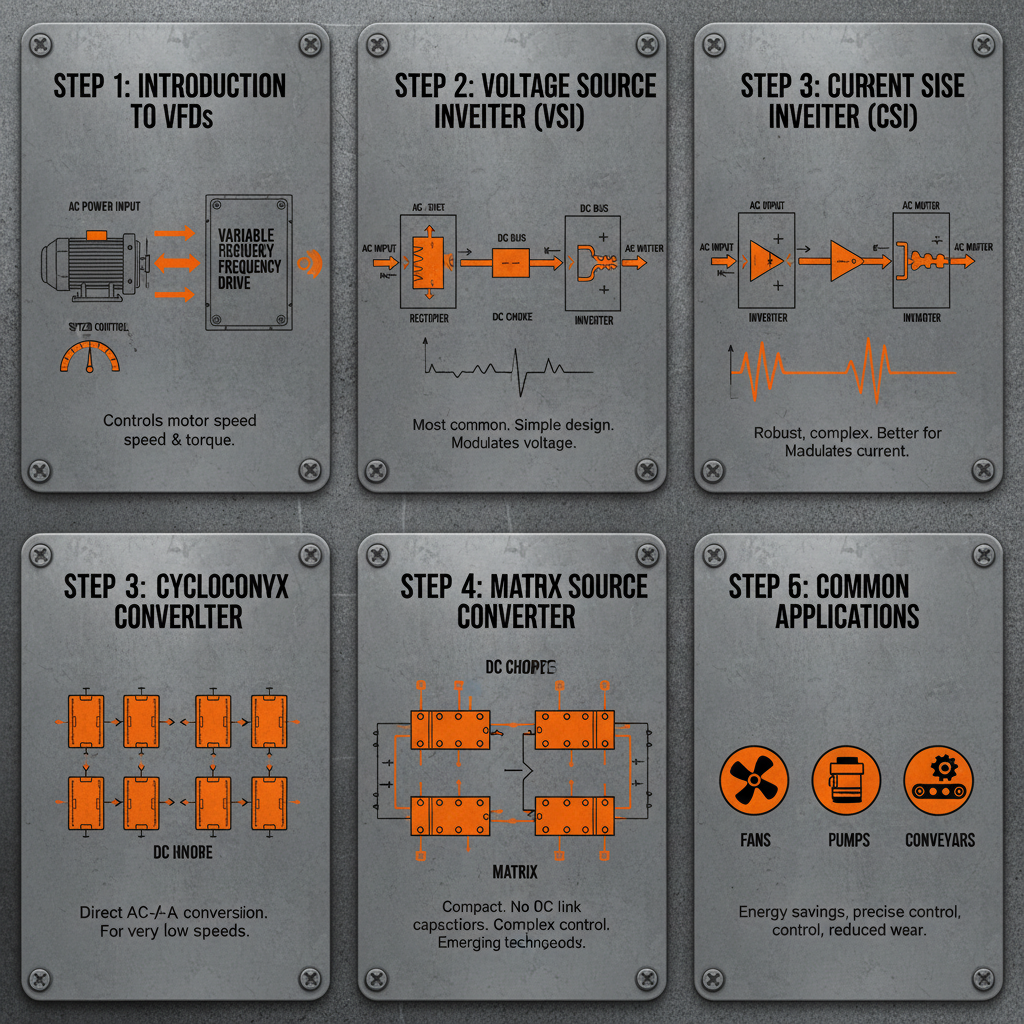
Variable frequency drives (VFDs) are revolutionizing industrial processes and energy management globally. These sophisticated devices offer precise control over electric motor speed and torque, leading to significant efficiency gains and reduced energy consumption. Their increasing adoption is driven by the global push for sustainability, coupled with the need for enhanced automation and process optimization across diverse sectors. Understanding VFD technology is crucial for engineers, technicians, and decision-makers seeking to improve operational efficiency and reduce environmental impact.
The relevance of variable frequency drives extends far beyond individual businesses; it impacts national energy grids and contributes to achieving international climate goals. The United Nations Sustainable Development Goal 7 (Affordable and Clean Energy) directly benefits from the widespread use of VFDs. Furthermore, the increasing demand for efficient motor control in applications like water treatment, HVAC systems, and manufacturing processes is accelerating VFD market growth, projected to reach substantial figures in the coming years as indicated by industry reports.
Ultimately, variable frequency drives address a critical challenge: optimizing energy use in a world facing increasing demands and limited resources. By enabling precise motor control and minimizing energy waste, VFDs contribute to a more sustainable and efficient future. The advancements in VFD technology are making them increasingly accessible and cost-effective, paving the way for broader adoption across various industries and applications.
Introduction: Global or Industry Context
The global market for variable frequency drives is experiencing substantial growth, driven by increasing energy costs, stringent energy efficiency regulations, and the demand for optimized industrial processes. According to a report by Market Research Future, the VFD market is projected to reach over $25 billion by 2028, exhibiting a compound annual growth rate (CAGR) of approximately 6.5% during the forecast period. This growth is particularly pronounced in emerging economies like China and India, where rapid industrialization is fueling demand for energy-efficient solutions.
VFDs play a vital role in addressing global energy challenges and promoting sustainable industrial practices. Approximately 60-70% of industrial electricity consumption is attributed to electric motors. By controlling motor speed and torque, VFDs can significantly reduce energy waste, leading to lower operating costs and reduced carbon emissions. The integration of VFDs into building automation systems and industrial processes is crucial for achieving energy efficiency targets set by international organizations like the International Energy Agency (IEA).
A key problem VFDs address is the inefficiency of traditional motor control methods, such as throttling valves or using mechanical gears. These methods often result in significant energy losses and limited process control. VFDs offer a more precise and flexible solution, allowing for optimized motor operation based on actual process requirements, resulting in substantial energy savings and improved performance.
Definition & Meaning
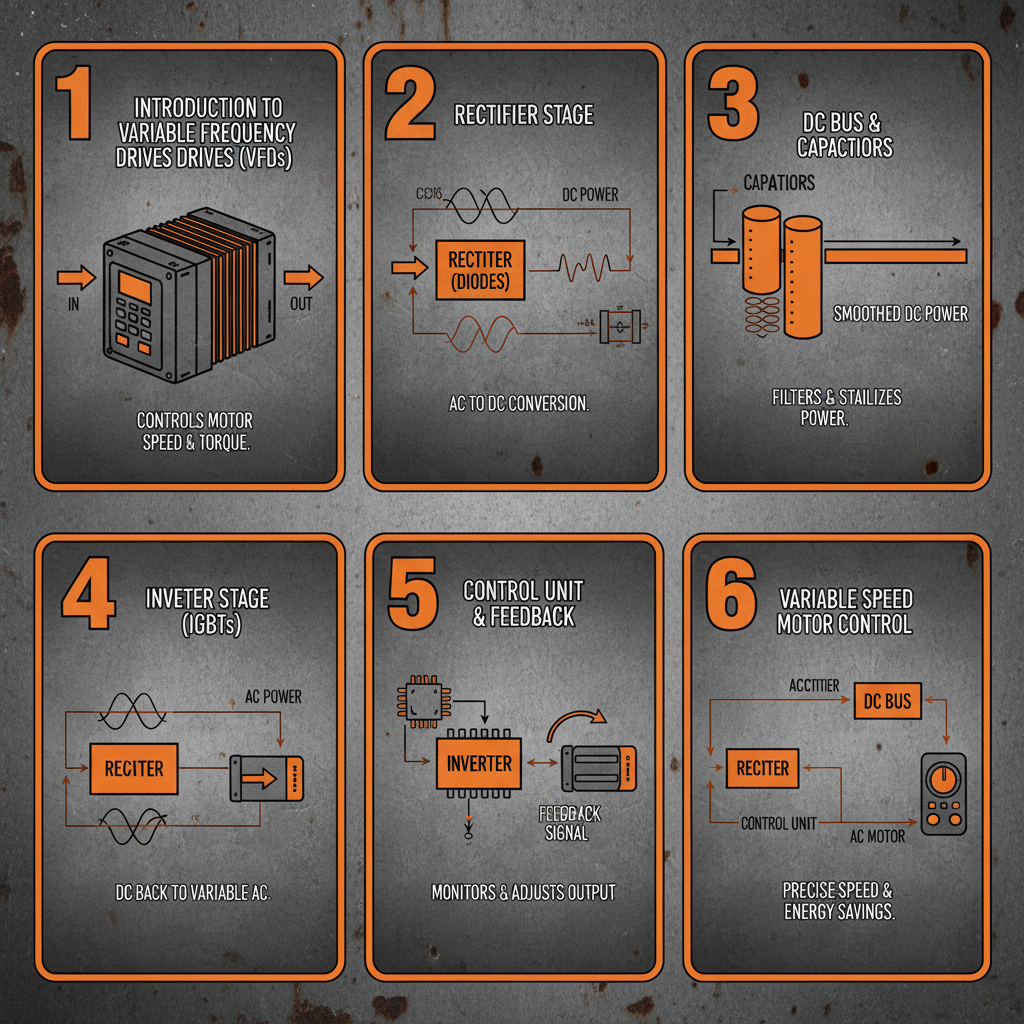
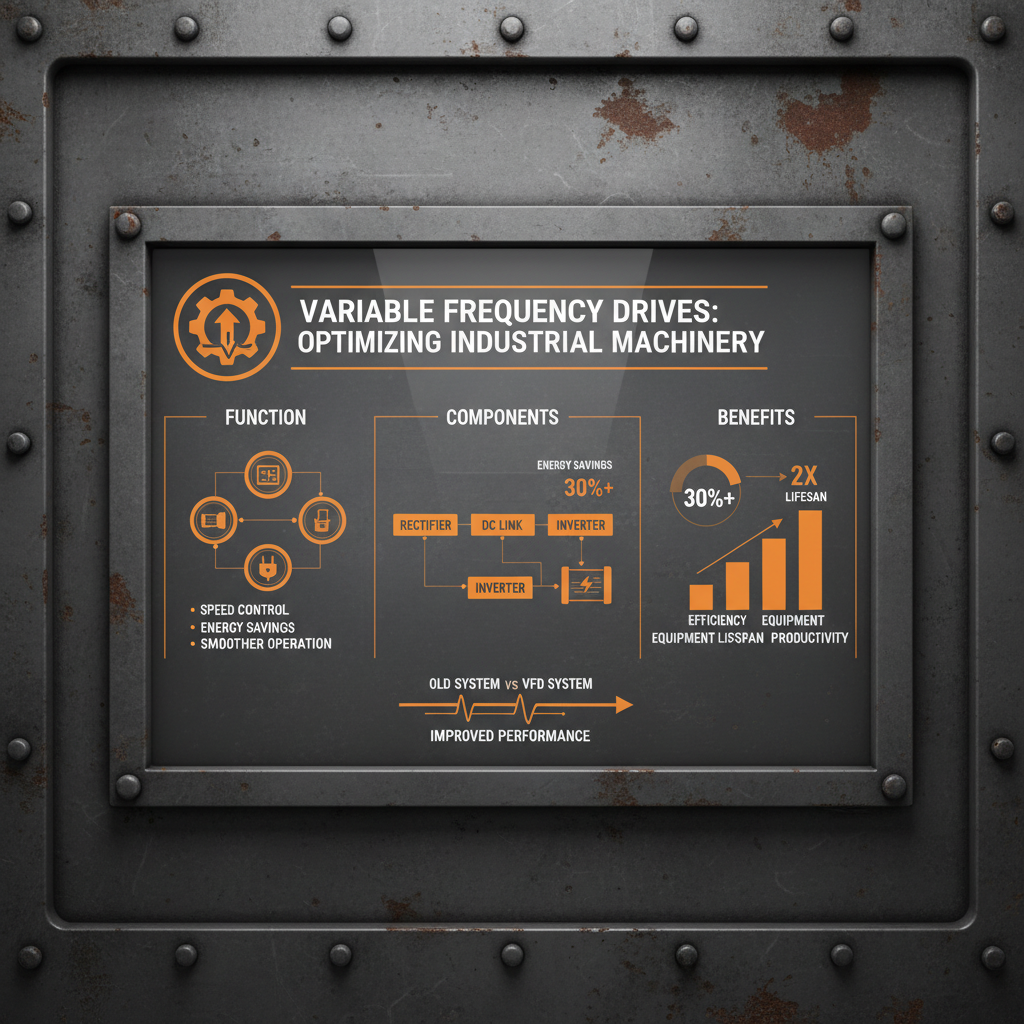
A variable frequency drive, also known as an adjustable speed drive, is a type of power converter that controls the speed of an AC electric motor by varying the frequency and voltage supplied to the motor. Essentially, it takes a fixed-frequency AC input and converts it into a variable-frequency AC output, allowing for precise control over the motor’s rotational speed.
The connection of variable frequency drives to modern industry is undeniable. They are integral to automation processes in manufacturing, enabling precise control of machinery and optimizing production efficiency. Beyond industrial applications, VFDs are increasingly used in critical infrastructure, such as water and wastewater treatment plants, where they help regulate pump and fan speeds to match demand, reducing energy consumption and extending equipment life.
Furthermore, VFD technology is relevant to humanitarian needs. In remote areas lacking reliable power grids, VFDs can optimize the performance of renewable energy sources like solar and wind power, ensuring a stable and efficient power supply for essential services like water pumping and healthcare facilities. The ability to tailor motor operation to specific needs makes VFDs a valuable tool for improving resource utilization and supporting sustainable development.
Key Factors or Core Components
Durability: High-quality VFDs are built to withstand harsh industrial environments, including extreme temperatures, humidity, and electrical noise. Robust components and rugged enclosures ensure reliable operation and minimize downtime. A durable VFD translates to lower maintenance costs and extended equipment lifespan.
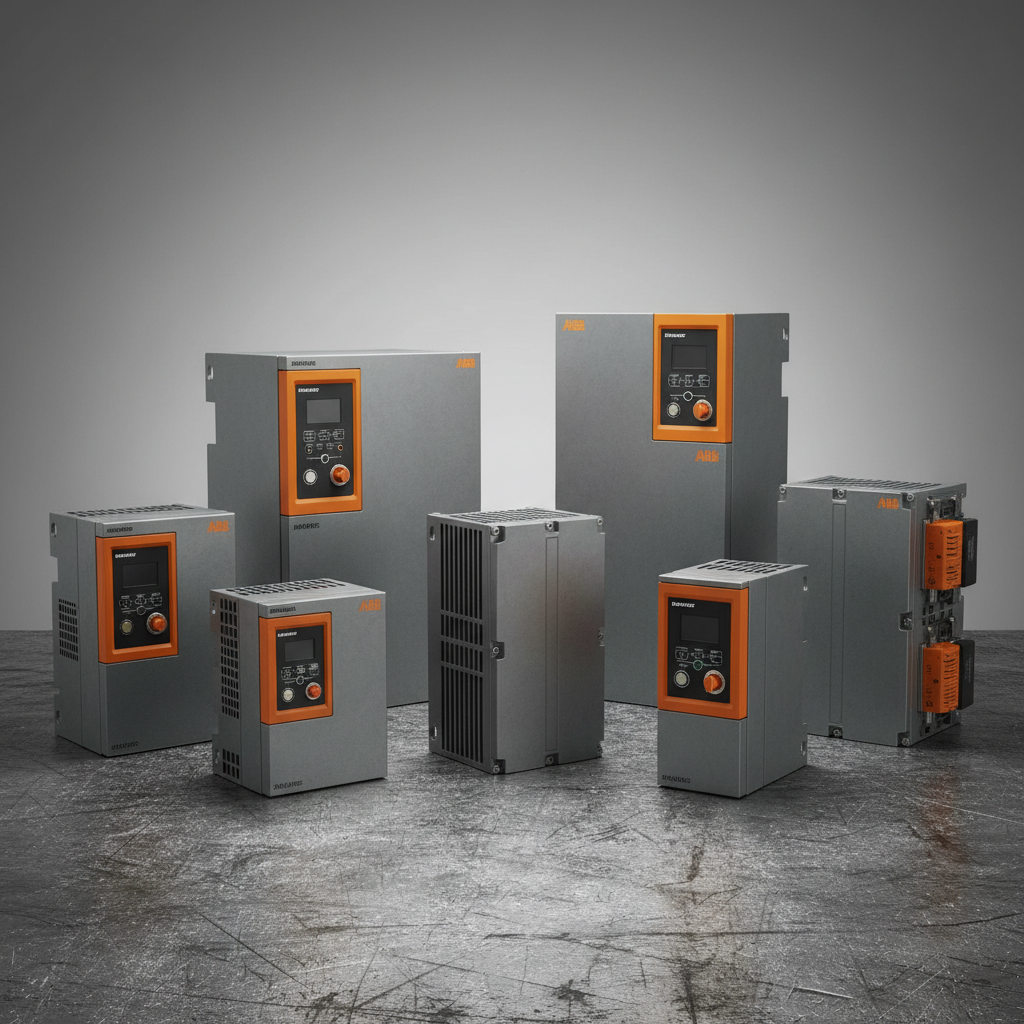
Scalability: VFDs are available in a wide range of power ratings, from fractional horsepower to several megawatts, making them suitable for a diverse array of applications. Their modular design allows for easy scalability, enabling users to adapt to changing process requirements without significant investment.
Cost Efficiency: While the initial investment in a VFD may seem substantial, the long-term cost savings from reduced energy consumption, lower maintenance requirements, and increased process efficiency often outweigh the upfront costs. Energy savings can be significant, often achieving payback periods of less than two years.
Control Precision: VFDs offer precise control over motor speed, torque, and acceleration/deceleration, enabling optimized process control and improved product quality. Advanced control algorithms allow for sophisticated applications like closed-loop control and PID control.
Communication Capabilities: Modern VFDs often incorporate communication interfaces like Ethernet/IP, Modbus TCP, and Profibus, enabling seamless integration into industrial automation networks and allowing for remote monitoring and control. This connectivity enhances system visibility and facilitates data-driven decision-making.
Harmonic Mitigation: VFDs can generate harmonic distortion, which can negatively impact power quality. Advanced VFD designs incorporate harmonic mitigation techniques, such as active front-end rectifiers and DC chokes, to minimize harmonic distortion and ensure compliance with industry standards.
Global Applications & Use Cases
Variable frequency drives are ubiquitous across a broad spectrum of industries. In the manufacturing sector, they control conveyor systems, pumps, fans, and compressors, optimizing production processes and reducing energy consumption. In the water and wastewater treatment industry, VFDs regulate pump speeds to match flow requirements, improving treatment efficiency and minimizing energy waste.
In HVAC systems, VFDs control fan and pump speeds, maintaining comfortable indoor temperatures while minimizing energy use. They are also widely used in the oil and gas industry to control pumps, compressors, and drilling equipment. In remote industrial zones, like mining operations in Australia or oil platforms in the North Sea, VFDs enhance efficiency and reliability in challenging environments.
In post-disaster relief operations, VFDs can play a critical role in restoring essential services. For example, they can be used to optimize the operation of water pumps and generators, providing access to clean water and electricity in affected areas. Similarly, in developing countries, VFDs are being deployed in irrigation systems to improve water management and increase agricultural yields.
VFD Performance Comparison Across Applications
Advantages & Long-Term Value
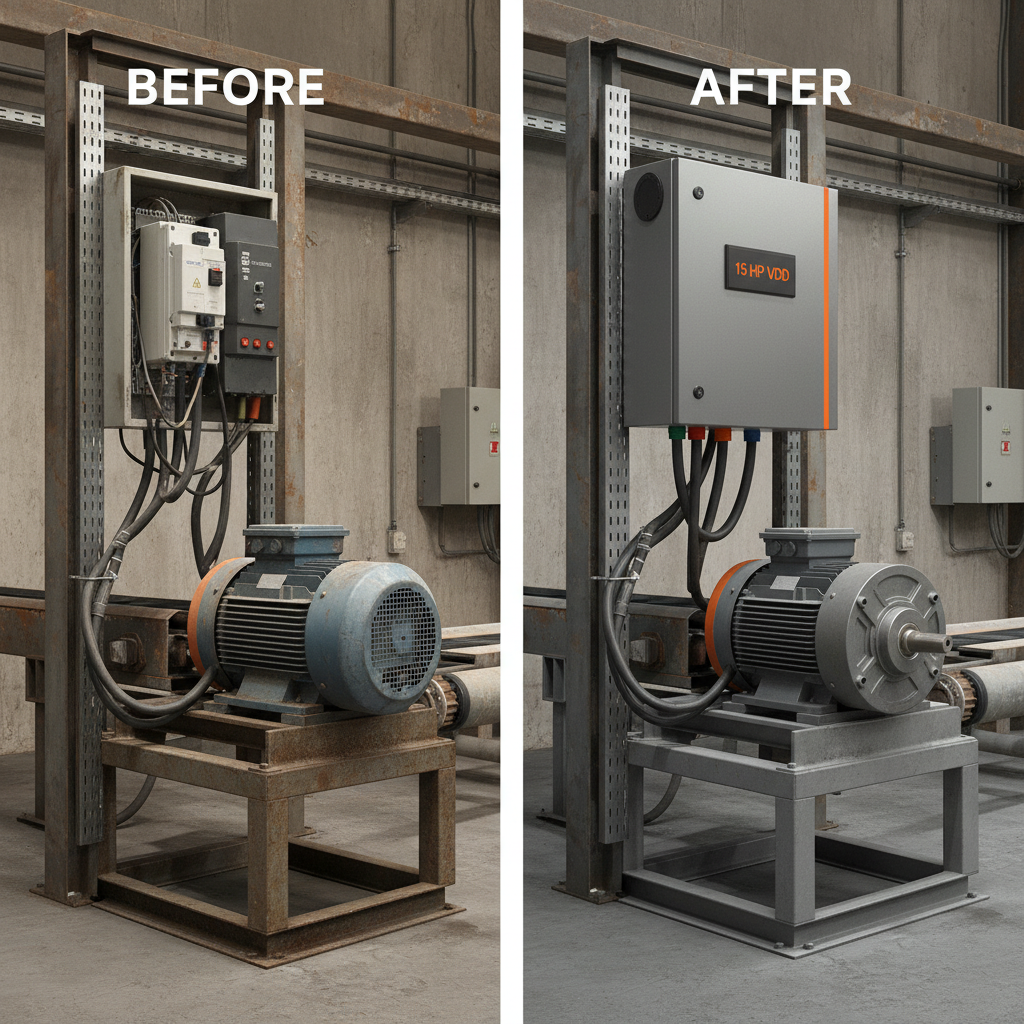
The advantages of implementing variable frequency drives extend beyond simple energy savings. Tangible benefits include reduced operating costs due to lower energy consumption, extended equipment life from reduced mechanical stress, and improved process control, leading to higher product quality. Furthermore, VFDs contribute to a more sustainable operation by reducing carbon emissions and minimizing environmental impact.
From a logical perspective, the investment in VFD technology offers a clear return on investment through lower energy bills and reduced maintenance costs. From an emotional perspective, VFDs contribute to a safer working environment by providing precise motor control and minimizing the risk of mechanical failures. The reliability and robustness of modern VFDs instill trust in operators, knowing that their processes are running efficiently and dependably.
Future Trends & Innovations
The future of variable frequency drives is intertwined with the broader trends of digital transformation, automation, and sustainability. We can expect to see increasing integration of VFDs with Industrial Internet of Things (IIoT) platforms, enabling predictive maintenance, remote monitoring, and data-driven optimization. Advancements in power electronics and materials science will lead to more compact, efficient, and reliable VFD designs.
The development of smart VFDs with integrated artificial intelligence (AI) and machine learning (ML) capabilities will allow for autonomous process optimization and self-tuning, further enhancing efficiency and reducing operational costs. Furthermore, the increasing adoption of renewable energy sources will drive demand for VFDs capable of handling fluctuating power inputs and ensuring grid stability.
Challenges & Solutions
Despite their numerous benefits, implementing variable frequency drives can present certain challenges. Harmonic distortion generated by VFDs can interfere with other sensitive equipment and necessitate the use of harmonic filters or active harmonic mitigation techniques. Another challenge is the potential for motor insulation degradation due to the high-frequency voltage waveforms produced by VFDs.
To address these challenges, manufacturers are developing advanced VFD designs with integrated harmonic filters and enhanced insulation protection. Proper grounding and shielding are also crucial for minimizing electromagnetic interference. Expert commissioning and maintenance are essential to ensure optimal performance and prevent potential issues. Implementing predictive maintenance strategies, leveraging data analytics from IIoT platforms, can also proactively address potential problems before they escalate.
Furthermore, the complexity of VFD programming and configuration can be a barrier for some users. Manufacturers are simplifying user interfaces and providing enhanced training resources to facilitate easier adoption and operation of VFD technology.
Summary of Key Challenges and Mitigation Strategies for VFD Implementation
| Challenge |
Impact on System |
Mitigation Strategy |
Implementation Cost (1-10) |
| Harmonic Distortion |
Interference with sensitive equipment, power quality issues |
Harmonic filters, Active Front End (AFE) VFDs |
7 |
| Motor Insulation Degradation |
Reduced motor lifespan, potential motor failure |
Insulated motor cables, VFD output filters |
6 |
| Complexity of Programming |
Increased commissioning time, potential for incorrect settings |
User-friendly VFD interfaces, training programs |
5 |
| Electromagnetic Interference (EMI) |
Disruption of nearby electronic devices |
Proper grounding, shielded cables, EMI filters |
4 |
| VFD Overheating |
Reduced VFD lifespan, potential failure |
Proper ventilation, adequate cooling |
3 |
| Initial Investment Cost |
Higher upfront cost compared to traditional motor starters |
Life cycle cost analysis, government incentives |
8 |
FAQS
Variable frequency drives offer significant benefits including energy savings by matching motor speed to load demand, improved process control for enhanced product quality, extended equipment life due to reduced mechanical stress, and reduced starting current, minimizing stress on the power grid. They also enable precise speed control and offer programmable features for customized operation, contributing to overall operational efficiency and cost reduction.
VFDs save energy by allowing motors to operate at the precise speed required for a specific application. Traditional motor control methods, like dampers or valves, waste energy by restricting flow or voltage. A VFD adjusts both the frequency and voltage supplied to the motor, reducing energy consumption proportionally to the reduction in speed, especially in applications with variable loads like pumps and fans. This results in considerable long-term cost savings.
The payback period for a VFD installation varies depending on the application, energy costs, and operating hours. However, a typical payback period ranges from 6 months to 2 years. Applications with high energy consumption and variable loads generally offer the fastest payback. A thorough energy audit and cost analysis are recommended to determine the specific payback period for your application.
While many standard motors can be used with VFDs, using inverter-duty motors is recommended for optimal performance and longevity. Inverter-duty motors are designed to withstand the high-frequency voltage waveforms produced by VFDs and offer enhanced insulation protection. It's also important to consider motor cable shielding and grounding to minimize electromagnetic interference.
VFDs generally require minimal maintenance. Routine checks include inspecting cooling fans for proper operation, cleaning filters, and verifying voltage and current readings. Regularly monitoring VFD parameters and logging performance data can help identify potential issues early on. Professional preventative maintenance is recommended annually to ensure optimal performance and longevity.
VFDs are primarily used with AC induction motors. While they can be used with some synchronous motors, it requires specialized VFDs and careful consideration of motor characteristics. DC motors require different types of drives, and VFDs are not directly compatible. Always consult with a qualified engineer to ensure compatibility between the VFD and the motor.
Conclusion
Variable frequency drives represent a cornerstone technology for optimizing energy efficiency, improving process control, and enhancing the reliability of industrial systems. From reducing energy consumption and lowering operating costs to extending equipment life and promoting sustainability, the benefits of VFDs are substantial and far-reaching. Their role in modernizing industries and enabling a more sustainable future is undeniable.
Looking ahead, the continued development and integration of VFDs with emerging technologies like IIoT, AI, and renewable energy sources will unlock even greater potential for optimization and efficiency. Investing in VFD technology is not merely a cost-saving measure; it is a strategic investment in a more sustainable and productive future. Visit our website at www.tianjinyongkai.com to learn more about our comprehensive range of variable frequency drives and how we can help you optimize your operations.