Tianjin Yongkai International Trade Co., Ltd.
0%

Table of Contents

Variable frequency drives (VFDs), also known as adjustable speed drives, are revolutionizing industrial processes and energy management globally. Their ability to precisely control the speed of electric motors translates into significant energy savings, reduced mechanical stress, and improved process control. The escalating demand for energy efficiency and automation is driving the widespread adoption of variable frequency drives vfds across diverse sectors.

The global market for VFDs is experiencing substantial growth, fueled by stricter energy regulations, increasing industrialization in emerging economies, and the benefits of optimized motor control. According to recent reports, the VFD market is projected to reach billions of dollars in the coming years, demonstrating its critical role in modern infrastructure. Addressing challenges like harmonic distortion and electromagnetic interference are key areas of ongoing development in VFD technology.

Understanding the principles and applications of variable frequency drives vfds is becoming increasingly important for engineers, technicians, and decision-makers across a multitude of industries. From optimizing pump and fan performance to enhancing the efficiency of manufacturing processes, VFDs offer a pathway to reduced operational costs and a more sustainable future.
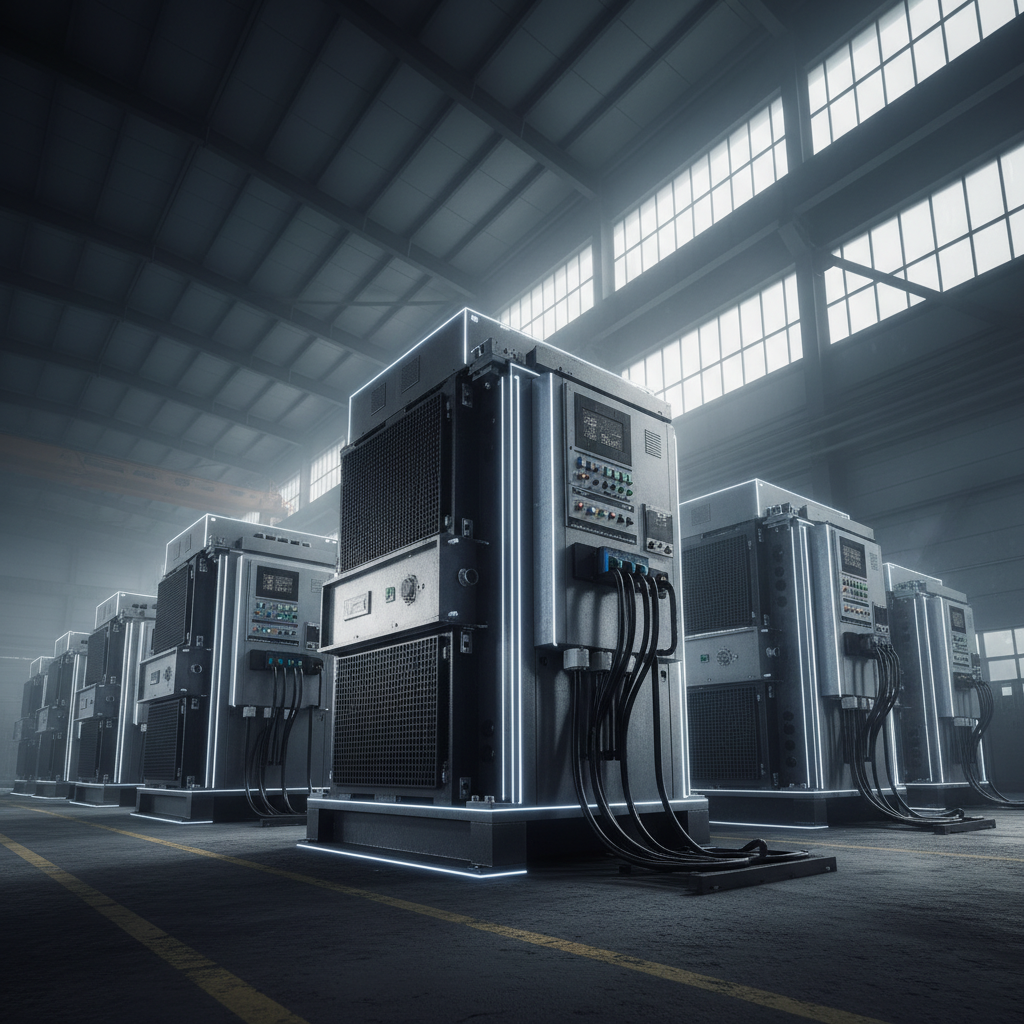
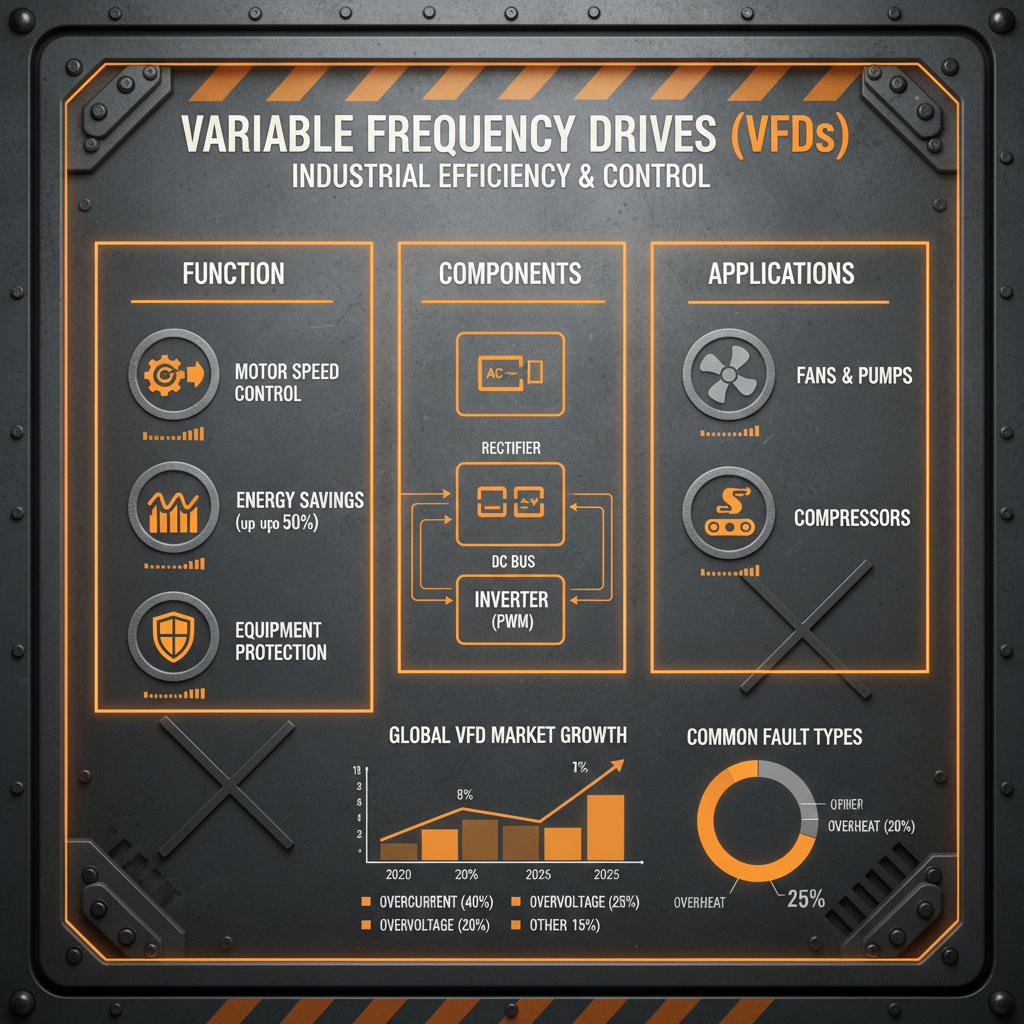
Advancements in Variable Frequency Drives VFDs for Modern Industrial Applications

Introduction to variable frequency drives vfds

Advancements in Variable Frequency Drives VFDs for Modern Industrial Applications

Variable frequency drives (VFDs) have become essential components in modern industrial control systems. They allow for precise control over the speed of AC induction motors, optimizing performance and reducing energy consumption. This control is achieved by varying the frequency and voltage supplied to the motor, enabling efficient operation across a wide range of applications.

The initial adoption of VFDs was driven by the need to improve process control and reduce mechanical wear. However, the growing emphasis on energy conservation and sustainability has significantly accelerated their integration into various industries, including manufacturing, HVAC, water treatment, and transportation.

The Global Impact of variable frequency drives vfds

The demand for variable frequency drives vfds is experiencing robust growth globally, driven by tightening energy regulations, the increasing cost of electricity, and the pursuit of operational efficiencies. Developed nations are witnessing a resurgence in industrial modernization projects incorporating VFDs, while emerging economies are rapidly adopting the technology to support their expanding infrastructure.

According to the International Energy Agency (IEA), electric motors consume approximately 40-45% of global electricity. Implementing VFDs in motor-driven applications can reduce energy consumption by up to 70% in some cases, contributing significantly to carbon emission reduction targets. This makes variable frequency drives vfds a crucial technology in the fight against climate change.

The World Bank and other international organizations are actively promoting the adoption of energy-efficient technologies, including VFDs, in developing countries. Financial incentives and technical assistance programs are being implemented to encourage businesses and industries to invest in VFDs and improve their energy performance.

Defining variable frequency drives vfds

A variable frequency drive (VFD) is an electronic device that controls the speed of an AC induction motor by varying the frequency and voltage supplied to the motor. Essentially, it takes a fixed frequency AC input and converts it into a variable frequency AC output, allowing for precise speed and torque control.

The connection to modern industry and humanitarian needs is profound. In industrial settings, VFDs optimize processes, reduce energy waste, and extend the lifespan of equipment. In humanitarian contexts, they can power essential infrastructure like water pumps and ventilation systems in remote or disaster-stricken areas, providing critical resources to communities in need.

The core components of a VFD typically include a rectifier, a DC link, an inverter, and a control circuit. The rectifier converts the AC input to DC, the DC link stabilizes the voltage, the inverter converts the DC back to AC at a variable frequency, and the control circuit manages the entire process based on user input and feedback.

Key Factors in variable frequency drives vfds Performance

Several factors contribute to the overall performance and reliability of variable frequency drives vfds. Understanding these factors is critical for selecting the appropriate VFD for a specific application and ensuring optimal operation.

One crucial aspect is Harmonic Reduction. VFDs can generate harmonic currents that distort the power supply and potentially damage sensitive equipment. Advanced VFD designs incorporate harmonic filters and other mitigation techniques to minimize these disturbances.

Variable Frequency Drives VFDs Performance Metrics


Applications of variable frequency drives vfds Worldwide

The applications of variable frequency drives vfds are incredibly diverse, spanning numerous industries and geographical regions. From large-scale industrial facilities to small-scale commercial buildings, VFDs are playing a vital role in optimizing energy usage and improving process control.

In post-disaster relief operations, VFDs are used to power water pumps, ventilation systems, and other critical infrastructure, providing essential support to affected communities. In remote industrial zones, they enable reliable operation of equipment in challenging environments. Across the globe, VFDs are integral to modernizing infrastructure.

Advantages and the Value of variable frequency drives vfds

The advantages of using variable frequency drives vfds are significant and multifaceted. Tangible benefits include substantial cost savings due to reduced energy consumption, enhanced process control leading to improved product quality, and increased equipment lifespan through reduced mechanical stress.

Beyond the economic benefits, VFDs also contribute to sustainability by lowering carbon emissions and reducing environmental impact. From a safety perspective, precise motor control minimizes the risk of accidents and improves workplace conditions. The increased efficiency and reliability build trust and enhance operational resilience.

Future Trends in variable frequency drives vfds Technology

The future of VFD technology is focused on several key trends, including the integration of advanced control algorithms, the development of more compact and efficient designs, and the increased use of digital communication protocols. These innovations are driving the evolution of VFDs into smart, connected devices.

The convergence of VFDs with green energy technologies, such as solar and wind power, is also a significant trend. VFDs can optimize the performance of renewable energy systems and help integrate them into the grid more effectively. Additionally, the growing demand for automation and Industry 4.0 solutions is fueling the development of VFDs with advanced networking capabilities.

FAQS

What is the typical lifespan of a variable frequency drive vfd?

The lifespan of a VFD typically ranges from 8 to 15 years, depending on operating conditions, environmental factors, and maintenance practices. Regular maintenance, including cleaning, fan replacement, and capacitor inspection, can significantly extend the lifespan of a VFD. Ensuring adequate ventilation and protection from dust and moisture are also crucial for long-term reliability.

How can I minimize harmonic distortion caused by a VFD?

Harmonic distortion can be minimized by using VFDs with built-in harmonic filters, such as active front-end (AFE) rectifiers or multi-pulse converters. Alternatively, external harmonic filters can be installed on the input side of the VFD. Proper grounding and shielding are also essential for reducing harmonic interference.

What are the common causes of VFD failure?

Common causes of VFD failure include overheating due to inadequate cooling, voltage surges or spikes, capacitor aging, and contamination from dust or moisture. Implementing proper surge protection, ensuring adequate ventilation, and conducting regular maintenance can help prevent these failures.

Is it necessary to use shielded motor cables with VFDs?

Yes, shielded motor cables are highly recommended when using VFDs, especially for longer cable runs. Shielded cables help to reduce electromagnetic interference (EMI) and protect the motor from voltage spikes and surges. Proper grounding of the shield is also crucial for effective EMI protection.

What is the difference between V/Hz control and vector control in VFDs?

V/Hz control is a simpler method that maintains a constant ratio between voltage and frequency. Vector control, on the other hand, provides more precise control over motor torque and speed, especially at low speeds. Vector control is typically used in applications that require high performance and accuracy.

What safety precautions should be taken when working with VFDs?

Working with VFDs requires caution due to the presence of high voltages and currents. Always disconnect power before performing any maintenance or repairs. Wear appropriate personal protective equipment (PPE), such as insulated gloves and safety glasses. Follow all safety guidelines provided by the VFD manufacturer.

Conclusion

Variable frequency drives vfds represent a cornerstone technology in modern industrial automation and energy management. Their ability to optimize motor control, reduce energy consumption, and enhance process efficiency makes them invaluable across a wide range of applications. The continued development of VFD technology, coupled with the growing emphasis on sustainability, positions them as a key enabler of a more efficient and environmentally responsible future.

Investing in variable frequency drives vfds is not merely a cost-saving measure; it's a strategic step toward building a more resilient, sustainable, and technologically advanced infrastructure. By embracing this technology, businesses and industries can unlock new levels of performance, reduce their environmental footprint, and contribute to a more sustainable future.

William Davis

William Davis

William Davis is a Business Development Manager at Tianjin Yongkai, responsible for identifying and cultivating new partnerships within the agricultural sector. He focuses on sourcing high-quality edible agricultural products for export and building relationships with key suppliers. William has extensive experience in agricultural commodity trading and a strong understanding of
Previous Revolutionizing Industries with Advanced vfd drives for Optimal Performance
Next Advancements in Variable Frequency Drives for Enhanced Energy Efficiency and Control

If you are interested in our products, you can choose to leave your information here, and we will be in touch with you shortly.


vfd manufacturers in china