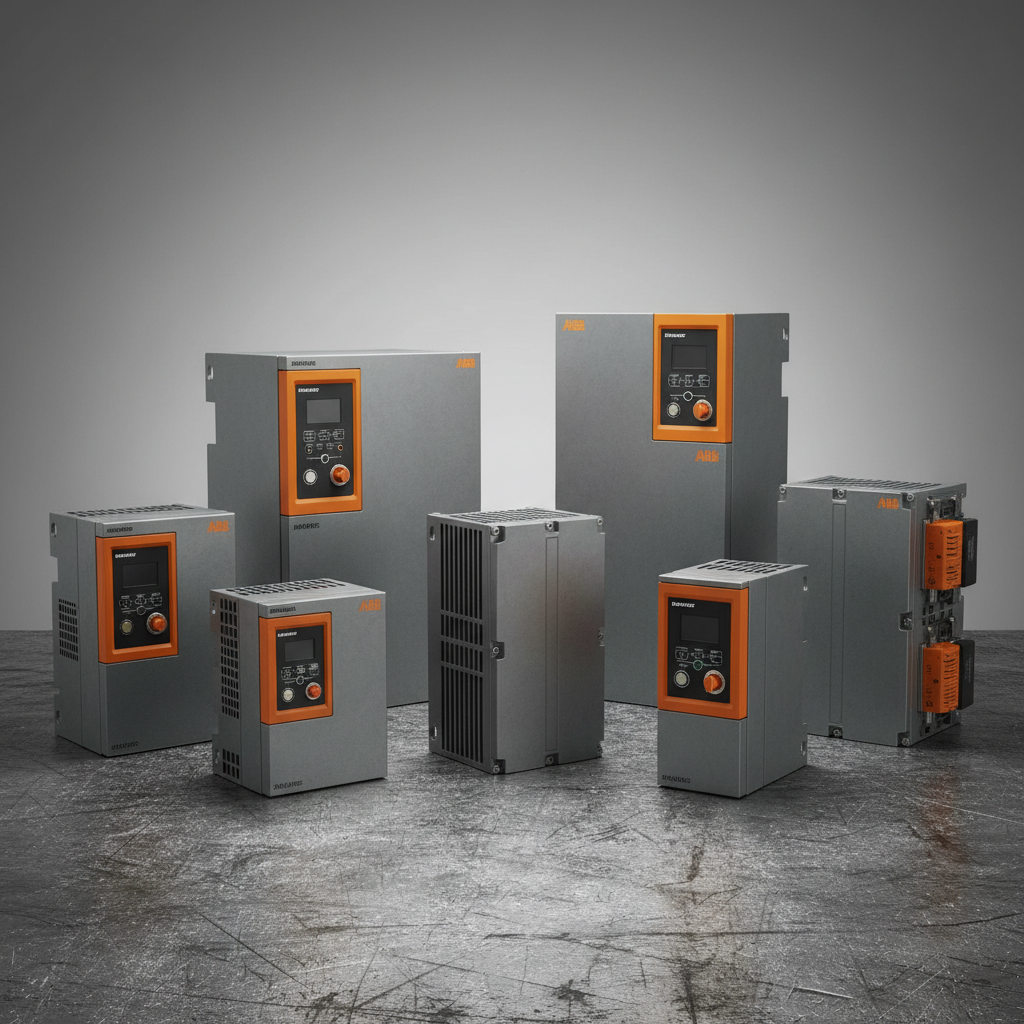
Look, variable frequency drives manufacturers… they're everywhere these days, right? It’s not like five years ago when you’d walk into a plant and see mostly mechanical starters. Now everyone’s chasing efficiency, energy savings, and that sweet, sweet control. To be honest, it's a bit overwhelming sometimes. Everyone’s got a new “revolutionary” drive.
You see these projects popping up all over, and it's not just new builds either. Tons of retrofits going on, older facilities trying to drag themselves into the 21st century. It's good work, keeps guys like me busy, but it also means you're constantly troubleshooting old systems trying to make them play nice with the new stuff. The biggest thing I’ve noticed is everyone thinking they can just slap one on and everything’s gonna be rainbows. Not so fast.
And the pressure! Owners want everything yesterday, engineers want the highest specs, and the guys actually installing it… they just want something that works. Balancing all that is… a challenge. Especially when you’re elbow-deep in wiring and it's 90 degrees in the motor room. It’s a complicated field, variable frequency drives manufacturers are moving quickly, and everyone's trying to get an edge.
The Current Landscape of variable frequency drives manufacturers
Have you noticed how many companies are jumping on the silicon carbide bandwagon? Everyone’s saying it's the future, and, yeah, it is… eventually. But right now, it's pricey. Really pricey. And a lot of guys are pushing it just because they can, not because it’s actually necessary for the application. I saw a spec sheet last week that called for SiC on a simple pump motor. Waste of money, pure and simple. It’s all about knowing the application.
Honestly, the biggest trend I’m seeing is integrated drives - the VFD built right into the motor. Makes installation a lot cleaner, reduces wiring headaches, but it also means you’re stuck with whatever the manufacturer decided was best for you. Less flexibility. I encountered this at a wastewater treatment plant last time, they wanted to upgrade their pumps, but the integrated drives didn’t have the communication protocol they needed for their SCADA system. Big headache.
Design Pitfalls and Common Mistakes
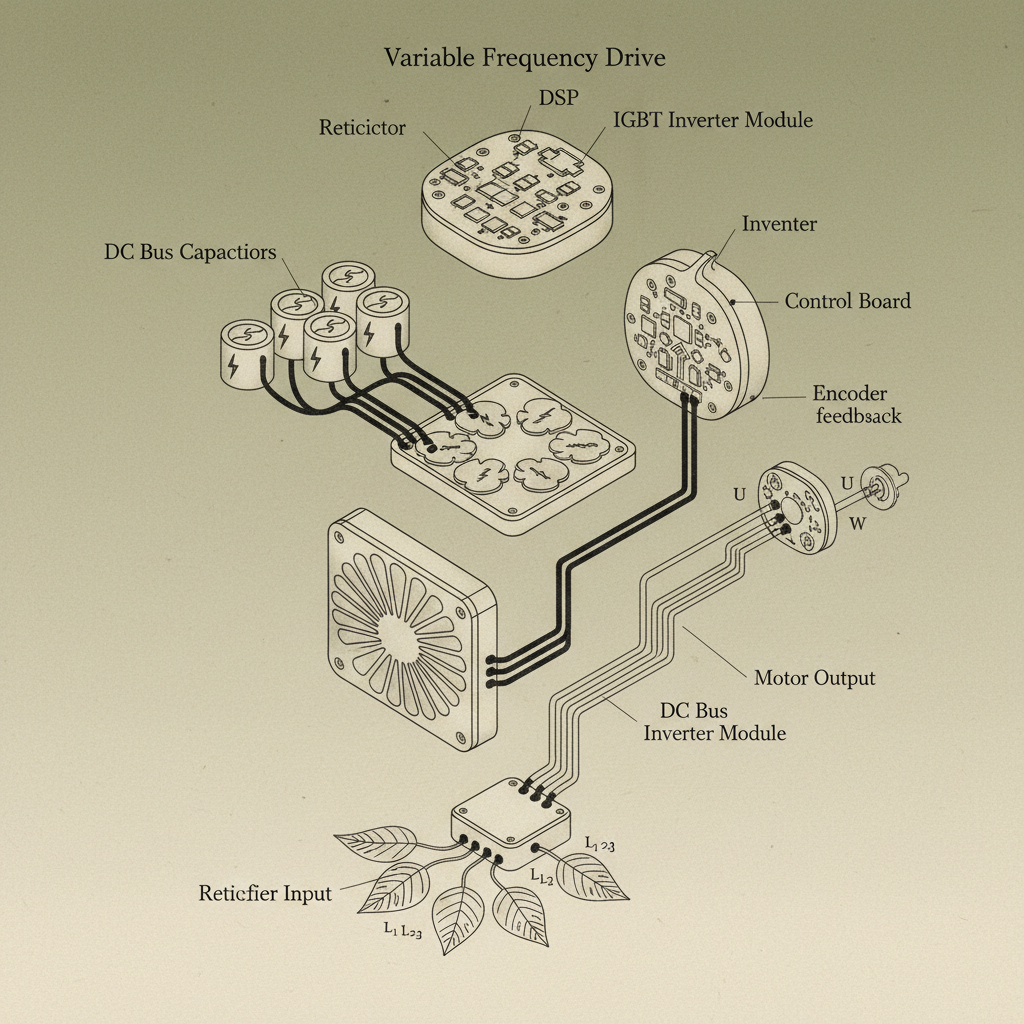
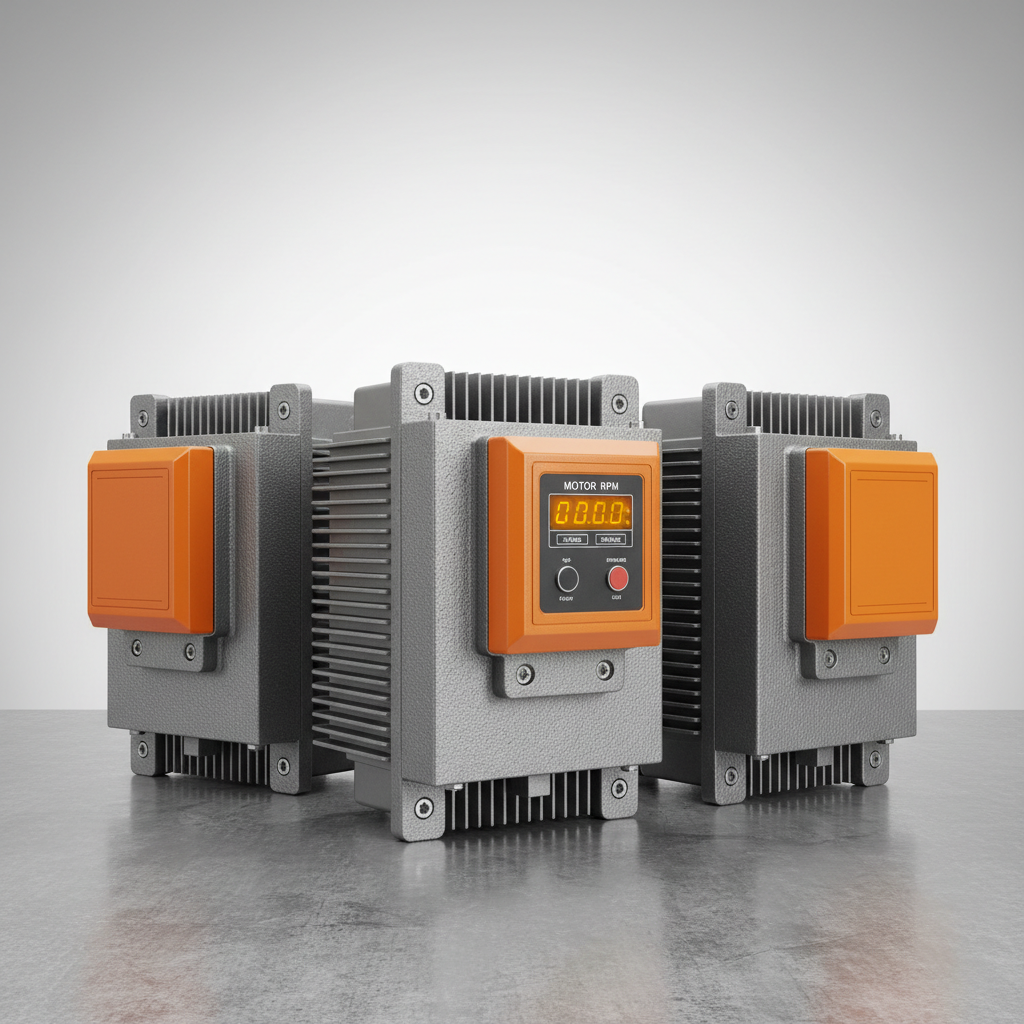
Strangely, one thing I see all the time is undersized heatsinks. These drives generate heat, obviously, and if you don’t give them enough cooling, they’ll throttle back performance or, worse, fail completely. People think they can just throw it in an enclosure and it'll be fine. It's not that simple. You need to calculate the heat dissipation, account for ambient temperature, and make sure there's adequate airflow. Seriously, don’t skimp on the heatsink. It is important to know the current best practices when choosing variable frequency drives manufacturers.
Another one: neglecting harmonic filtering. VFDs can generate a lot of harmonics that can mess with other equipment on the same power system. You need to use line reactors, DC chokes, or harmonic filters to mitigate that. Otherwise, you’re going to get complaints about flickering lights, erratic behavior, and all sorts of weird stuff.
And finally, grounding. Always, always get the grounding right. It's the first thing I check on every installation. A bad ground can cause all sorts of problems, from nuisance trips to equipment damage. It seems simple, but it's surprising how often it's done wrong.
Materials and Their Peculiarities
The main stuff is obviously the silicon – the semiconductors, the insulation, all that. But it’s what around that that matters sometimes. The enclosures… you get everything from flimsy plastic to heavy-duty steel. I prefer steel, especially in harsh environments. It holds up better to abuse. The plastic ones get cracked and faded after a couple of years.
The busbars… those are crucial. They need to be sized correctly to handle the current, and they need to be clean. Dirty busbars create resistance, which generates heat, which reduces efficiency. I’ve seen busbars that were so corroded they were practically falling apart. It's that sort of little detail that can take down an entire operation.
And the capacitors. You can smell a bad capacitor a mile away – that acrid, chemical odor. They’re vital for filtering and power factor correction. Cheap ones fail quickly. Good ones… well, they still fail eventually, but at least they last a while. Anyway, I think getting good quality components in the first place is half the battle.
Real-World Testing and Validation
Lab testing is great, don't get me wrong, but nothing beats real-world testing. I mean, you can simulate a motor load in a lab, but you can’t simulate the grime, the vibration, the temperature swings, and the sheer randomness of a construction site. I've seen drives that passed all the lab tests fail spectacularly in the field.
We usually do a long-term run test, where we let the drive run at full load for several days, monitoring the temperature, the current, and the voltage. We also do a surge test, to see how it handles voltage spikes. And, crucially, we get the installers involved in the testing. They're the ones who are going to be dealing with it day in and day out, so their feedback is invaluable.
variable frequency drives manufacturers Performance Metrics
How Users Actually Employ variable frequency drives manufacturers
You’d think people would use all the fancy features these drives offer – the PID control, the network communication, the energy monitoring. But most of the time, they just want to control the speed of a motor. Simple as that. They don't want to mess with parameters, they don't want to learn complex programming languages. They just want it to work.
That's why user-friendliness is so important. A drive with a clunky interface and a confusing manual is going to end up collecting dust in a corner. I mean, these are often being used by guys who are more comfortable with a wrench than a computer.
Advantages, Disadvantages, and the Honest Truth
Look, the advantages are obvious: energy savings, improved process control, reduced mechanical stress. But there are downsides too. They're more complex than mechanical starters, so they require more training. They can generate harmonics, which can cause problems on the power system. And they're not cheap.
Honestly, the biggest disadvantage is the learning curve. It’s easy to get lost in the parameters and settings. And if you mess something up, it can take hours to troubleshoot. You need dedicated personnel who understand the technology and know how to configure it properly. It's not a plug-and-play solution, despite what the marketing materials might say.
Last month, that small boss in Shenzhen who makes smart home devices insisted on changing the interface to on a new batch of drives for his products. He thought it would look "modern." Result? His production line was down for a week because nobody could find compatible cables and the technicians hadn't been trained on the new port. A simple, reliable connector would have saved him a fortune.
Customization and Specific Implementations
You can customize pretty much anything these days, if you have the money and the time. You can get drives with custom enclosures, special coatings, different communication protocols, and even custom software. But it's usually more cost-effective to find a standard drive that meets your needs.
One example: we had a customer who needed a drive for a high-altitude application. The standard drives weren’t designed to operate at that altitude, so they derated the performance. We worked with the manufacturer to modify the drive’s cooling system and adjust the software parameters to compensate for the thinner air. It wasn’t cheap, but it got the job done.
Honestly, most customization is just tweaking the parameters to match the specific application. Things like acceleration and deceleration times, current limits, and motor characteristics. That's where the real expertise comes in.
Summary of Key Factors in variable frequency drives manufacturers Selection
| Application Environment |
Performance Requirements |
Budget Constraints |
Maintenance & Support |
| Harsh Industrial (Dust, Moisture) |
High Precision Speed Control |
Low Initial Cost (5/10) |
Local Service Availability (8/10) |
| Clean Room (Controlled Temp) |
Energy Efficiency Focused |
Medium Investment (7/10) |
Remote Diagnostics (6/10) |
| Outdoor Exposure |
Torque Control & Dynamic Response |
High Performance Budget (9/10) |
Comprehensive Training (7/10) |
| Food & Beverage Processing |
Hygienic Design & Washdown Capability |
Specialized Materials (8/10) |
Certified Compliance (9/10) |
| Water/Wastewater Treatment |
Variable Flow & Pump Control |
Long-Term Reliability (7/10) |
Preventative Maintenance Programs (8/10) |
| HVAC Systems |
Precise Temperature Regulation |
Energy Star Compliance (6/10) |
Integration with Building Management Systems (9/10) |
FAQS
That really depends on the environment and how well it's maintained, but generally, you're looking at around 5-10 years. Dust, heat, vibration, and voltage spikes all shorten the lifespan. Regular cleaning, proper cooling, and surge protection are key. Capacitors are usually the first thing to go. We've seen some last 15 years with really good preventative maintenance, but that's rare.
Very important. VFDs generate harmonic currents that can distort the power supply, causing problems with other equipment. You'll want to use line reactors, DC chokes, or harmonic filters to mitigate those harmonics. Ignoring this can lead to flickering lights, overheating transformers, and even equipment failure. It's not always required, but it's definitely something to consider, especially in sensitive environments.
V/Hz control is simpler and cheaper, but it's less accurate, especially at low speeds. Vector control uses feedback to provide more precise speed and torque control. It's more complex to set up, but it's worth it for applications that require high performance. Think of it like this: V/Hz is like driving a car with your foot on the gas, while vector control is like having cruise control.
Not exactly. You can use them with most AC induction motors, but you need to make sure the motor is properly sized for the drive and the application. Some older motors may not be compatible with the switching frequencies used by modern VFDs, which can cause overheating. You might need to use an inverter-duty motor for optimal performance.
First, check the power supply. Is it getting the correct voltage? Then, check the input and output fuses. Next, look for any error codes on the drive's display. Finally, check the motor connections and make sure everything is wired correctly. It sounds basic, but you’d be surprised how often the problem is something simple like a loose wire or a blown fuse.
You need to consider the motor's horsepower, voltage, and current requirements. It’s best to oversize the drive slightly – maybe 125% of the motor’s full-load amps – to account for peak loads and voltage fluctuations. Using a drive that’s too small will cause it to overheat and trip, while using one that’s too large is just a waste of money. variable frequency drives manufacturers sizing can be tricky, so don't hesitate to consult with a professional.
Conclusion
So, that’s the state of variable frequency drives manufacturers as I see it from the trenches. It’s a complex field, full of trade-offs and hidden pitfalls. But when done right, it can save energy, improve process control, and extend the life of your equipment. It’s not a magic bullet, but it's a powerful tool.
Ultimately, whether this thing works or not, the worker will know the moment he tightens the screw. That’s why listening to the guys on the ground is so important. They're the ones who see what works and what doesn't, day in and day out. If you want to build reliable systems, you need to talk to the people who are actually installing and maintaining them. Visit our website at www.tianjinyongkai.com for more information.