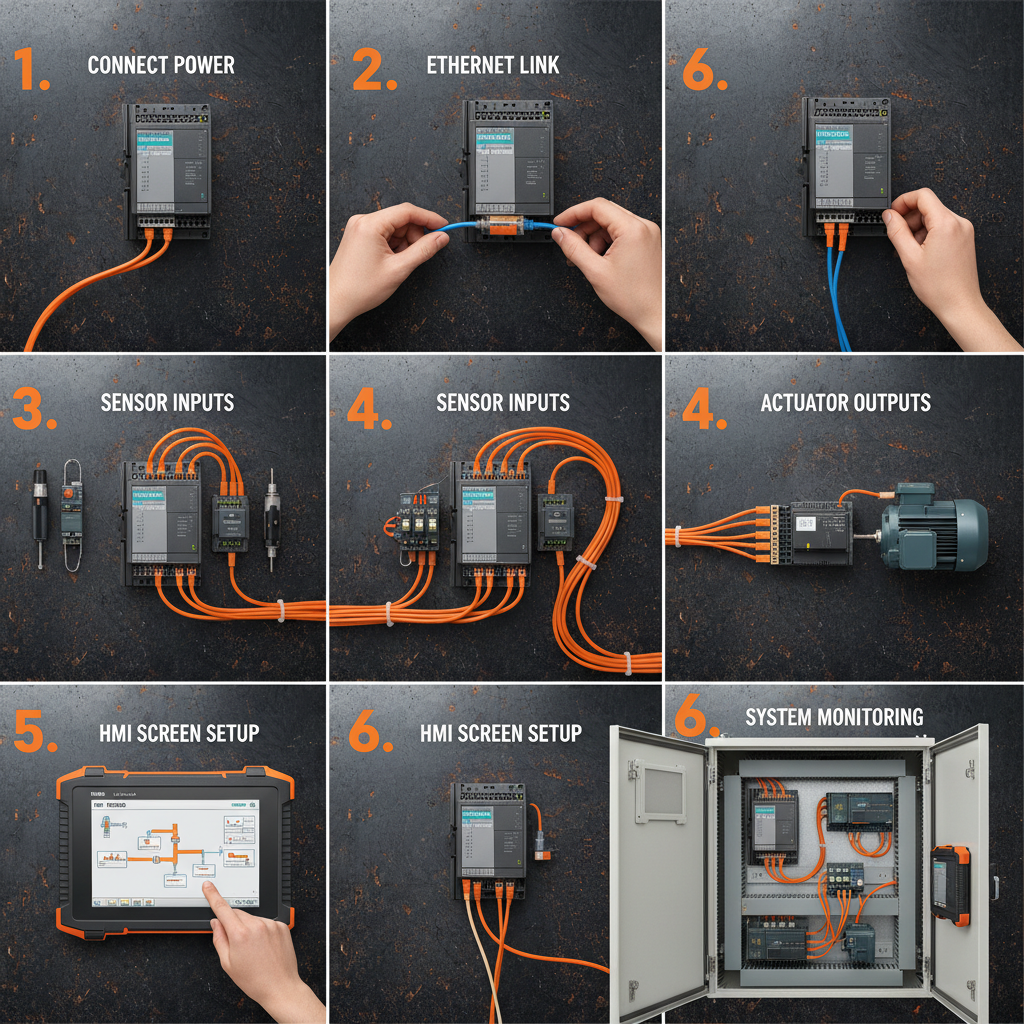
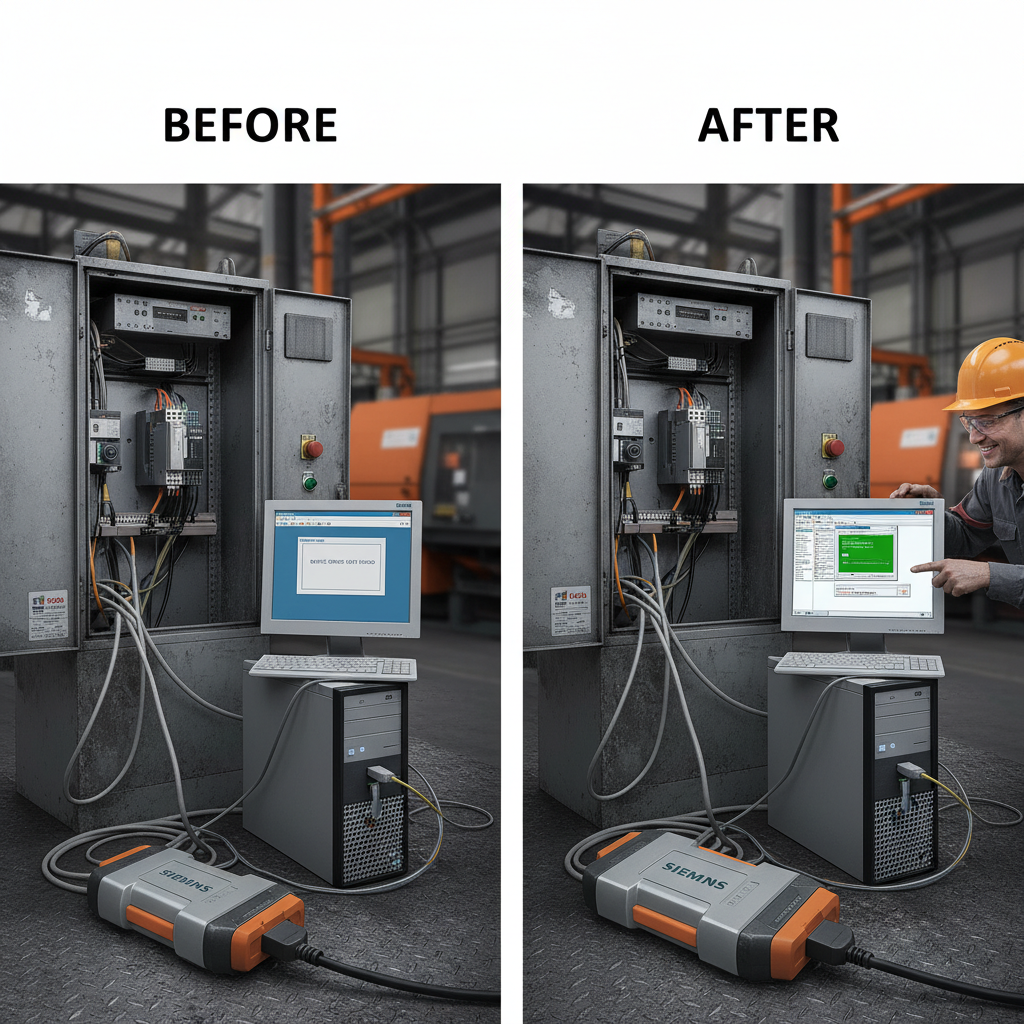
Comprehensive Guide to BF Siemens PLC for Industrial Automation
Understanding BF Siemens PLC: A Comprehensive Guide
Programmable Logic Controllers (PLCs) are the backbone of modern industrial automation, and Siemens is a leading global provider. The 'BF' designation within Siemens PLCs often indicates a specific product family or feature set tailored for particular applications. This article provides an in-depth exploration of BF Siemens PLCs, covering their applications, advantages, specifications, and how they compare to other models. Understanding these controllers is crucial for engineers, automation professionals, and anyone involved in industrial control systems. Choosing the right PLC can significantly improve efficiency, reduce downtime, and enhance overall productivity.
What are BF Siemens PLCs?
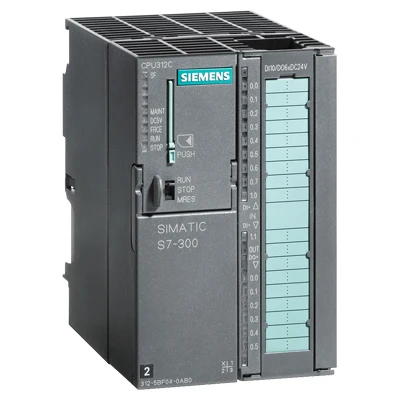
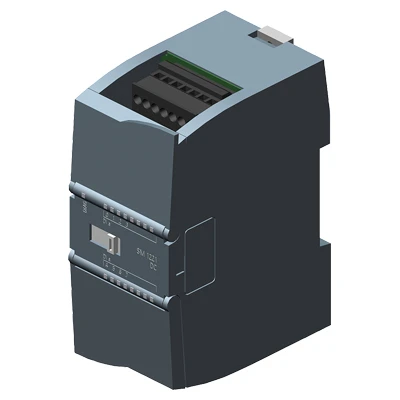
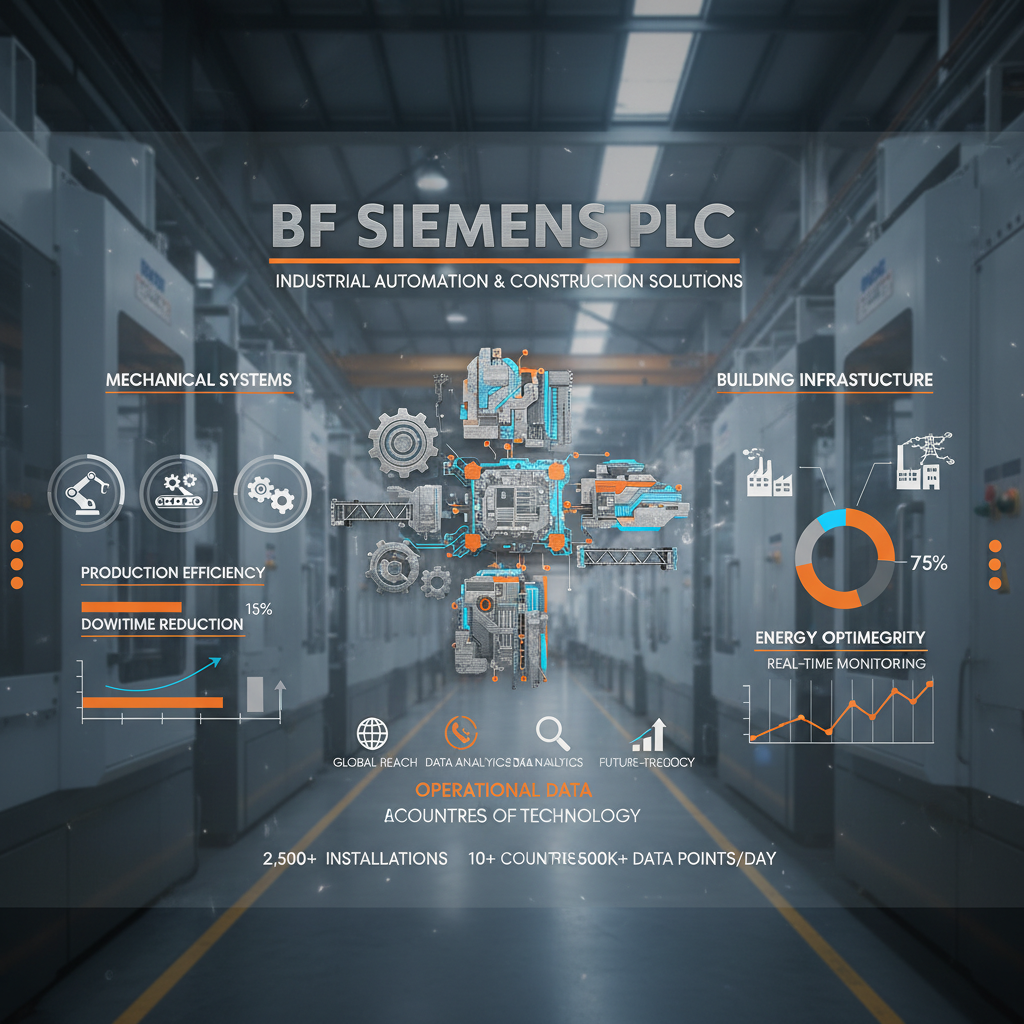
BF Siemens PLCs represent a range within the broader Siemens PLC portfolio. They are typically characterized by their compact size, cost-effectiveness, and suitability for smaller to medium-sized automation tasks. The 'BF' series often features integrated functionalities like communication ports (PROFINET, PROFIBUS), analog and digital I/O, and robust programming capabilities. These PLCs are frequently used in applications such as packaging machines, material handling systems, and small-scale process control. They bridge the gap between simpler micro PLCs and the more complex, high-performance models, offering a versatile solution for a wide array of industrial needs.
Key Highlights: Compact design, cost-effectiveness, integrated communication options, and suitability for smaller automation projects.
Applications of BF Siemens PLCs
BF Siemens PLCs find applications across numerous industries. In the automotive sector, they're often employed in assembly line control and robotic arm sequencing. The food and beverage industry uses them for precise control of filling, packaging, and labeling processes. Within the building automation sphere, they manage HVAC systems, lighting control, and security systems. Furthermore, BF PLCs are valuable in water treatment plants, managing pump control, valve operation, and chemical dosing. Their adaptability and reliability make them a popular choice for a diverse range of applications.
Application Examples:
• Automotive Assembly Lines
• Food & Beverage Packaging
• Building Automation Systems
• Water Treatment Plants
BF Siemens PLC vs. Other Siemens PLC Series
Siemens offers a diverse PLC range, including the S7-1200, S7-1500, and S7-300/400 series. The BF series generally positions itself between the S7-1200 and S7-300 in terms of performance and features. Compared to the S7-1200, BF PLCs often offer a slightly more robust set of communication options and potentially higher I/O density. Relative to the S7-300, they're typically more compact and cost-effective, though they might lack some of the advanced functionalities of the S7-300/400. Selecting the appropriate PLC depends heavily on the specific application requirements and budget constraints. Tianjin Yongkai can help you determine the best fit for your needs.
Programming and Integration of BF Siemens PLCs
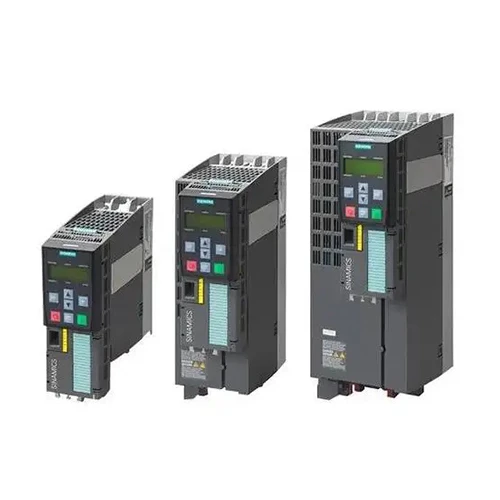
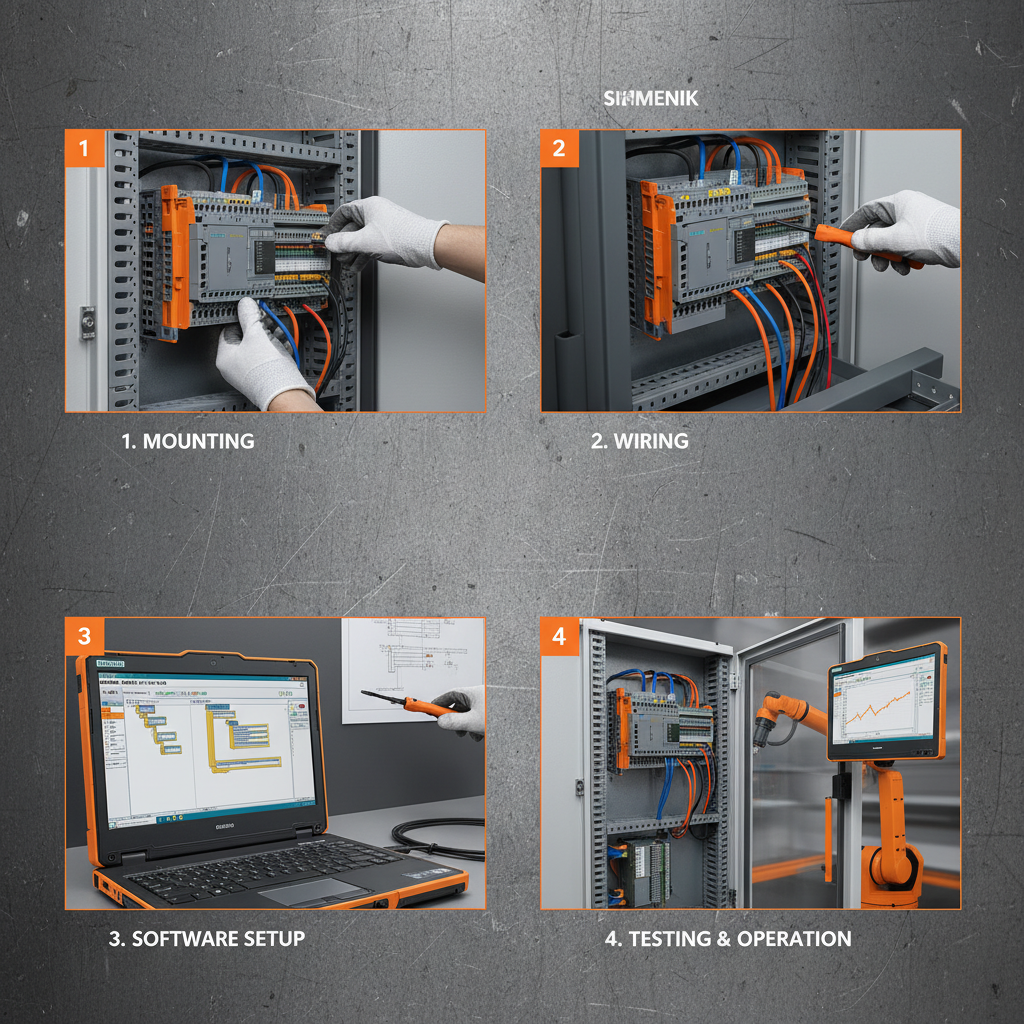
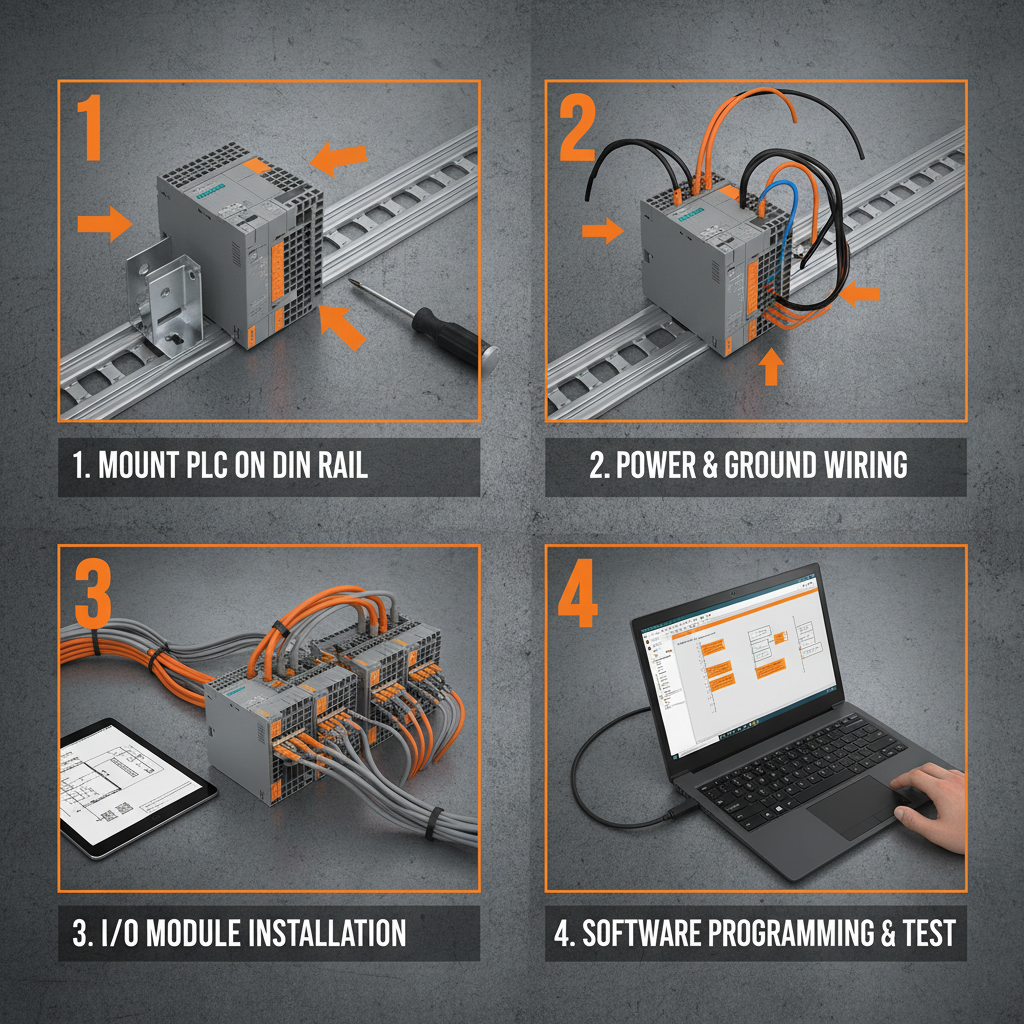
BF Siemens PLCs are typically programmed using the Siemens TIA Portal software, a powerful and user-friendly integrated engineering environment. TIA Portal supports various programming languages, including Ladder Logic (LAD), Function Block Diagram (FBD), and Structured Text (S7-ST). Integration with other Siemens components, such as HMIs (Human Machine Interfaces) and drives, is seamless through the TIA Portal platform. This simplifies the development and deployment of complete automation solutions.
Key Considerations When Selecting a BF Siemens PLC
Before investing in a BF Siemens PLC, carefully consider your application’s specific requirements. Assess the number of I/O points needed, the required communication protocols, and the complexity of the control logic. Also, evaluate the environmental conditions (temperature, humidity, vibration) where the PLC will operate. Finally, factor in future scalability and potential integration with other systems. Contacting Tianjin Yongkai can provide valuable insights and ensure you select the optimal PLC for your needs.
Conclusion: Empowering Automation with BF Siemens PLCs
The BF Siemens PLC series offers a robust and versatile solution for a wide range of industrial automation challenges. Its combination of performance, cost-effectiveness, and ease of integration makes it a valuable asset for businesses looking to optimize their operations. By carefully evaluating your requirements and choosing the right model, you can unlock significant improvements in efficiency, reliability, and productivity.
Frequently Asked Questions (FAQs)
What programming software is compatible with BF Siemens PLCs?
BF Siemens PLCs are primarily programmed using Siemens TIA Portal (Totally Integrated Automation Portal). TIA Portal provides a comprehensive and integrated engineering environment for configuring, programming, and commissioning Siemens automation systems. It supports multiple programming languages, including Ladder Logic (LAD), Function Block Diagram (FBD), and Structured Text (S7-ST). Older BF PLCs may be compatible with STEP 7, but TIA Portal is the recommended platform for new projects.
What are the typical I/O capabilities of a BF Siemens PLC?
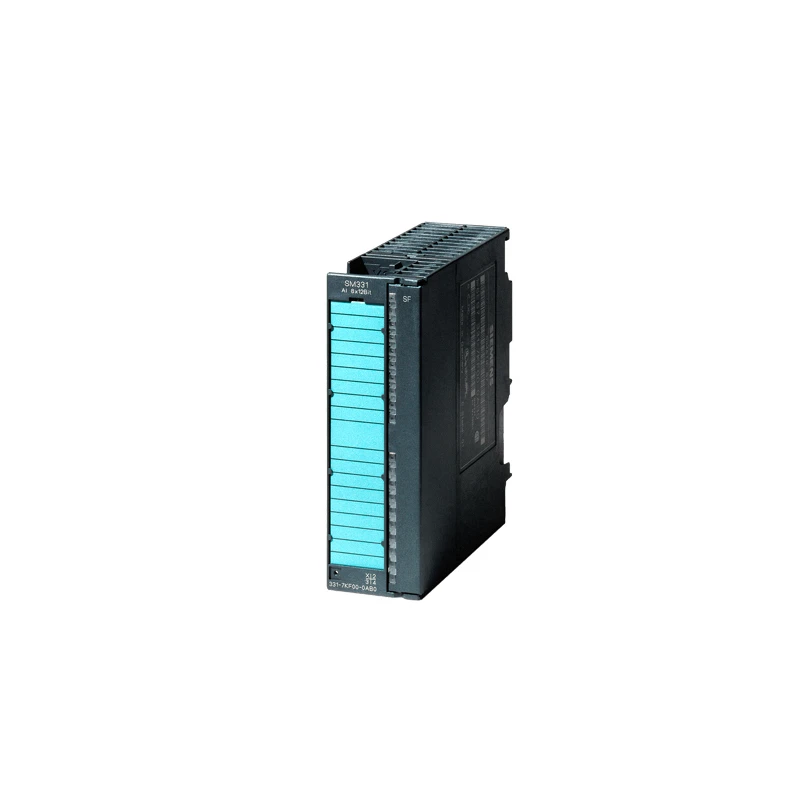
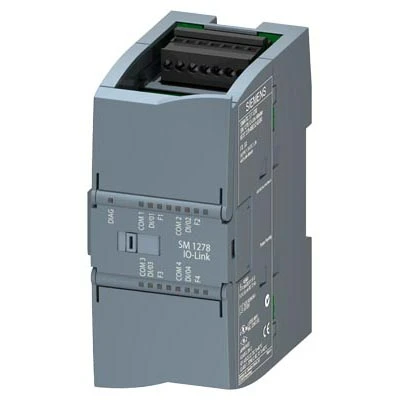
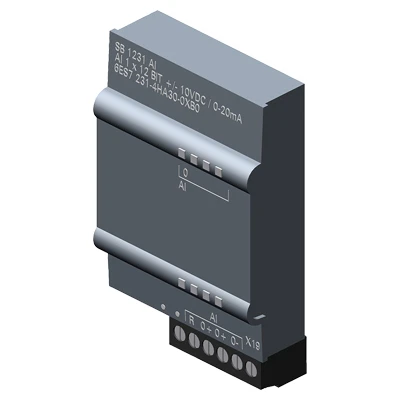
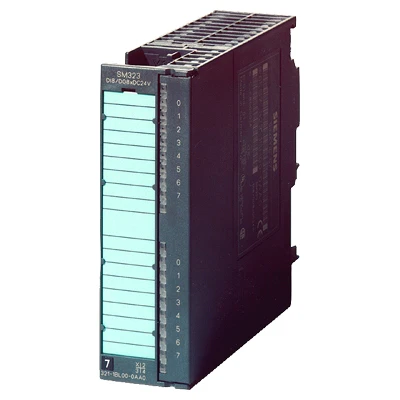
The I/O capabilities of a BF Siemens PLC vary depending on the specific model. However, they typically offer a range of digital inputs (DI), digital outputs (DO), analog inputs (AI), and analog outputs (AO). Common configurations include 24 DC inputs, 16 DC outputs, and several analog channels. Expansion modules can be added to increase the I/O capacity as needed. Always refer to the datasheet of the specific BF PLC model for detailed I/O specifications.
Are BF Siemens PLCs suitable for safety-critical applications?
While BF Siemens PLCs can be used in some safety-related applications, it’s crucial to select models specifically designed and certified for safety functions (e.g., SIL compliance). These safety PLCs incorporate redundant hardware and software features to ensure reliable operation in critical scenarios. For applications requiring high levels of safety integrity, it's recommended to consult with Siemens or a qualified automation safety expert to ensure proper system design and implementation.
Where can I find more information and support for BF Siemens PLCs?
Comprehensive information about BF Siemens PLCs, including datasheets, manuals, and application examples, is available on the Siemens website. You can also find support through Siemens' online forums, technical support channels, and authorized distributors like Tianjin Yongkai. They offer expert guidance and assistance with selecting, configuring, and implementing BF Siemens PLC solutions.