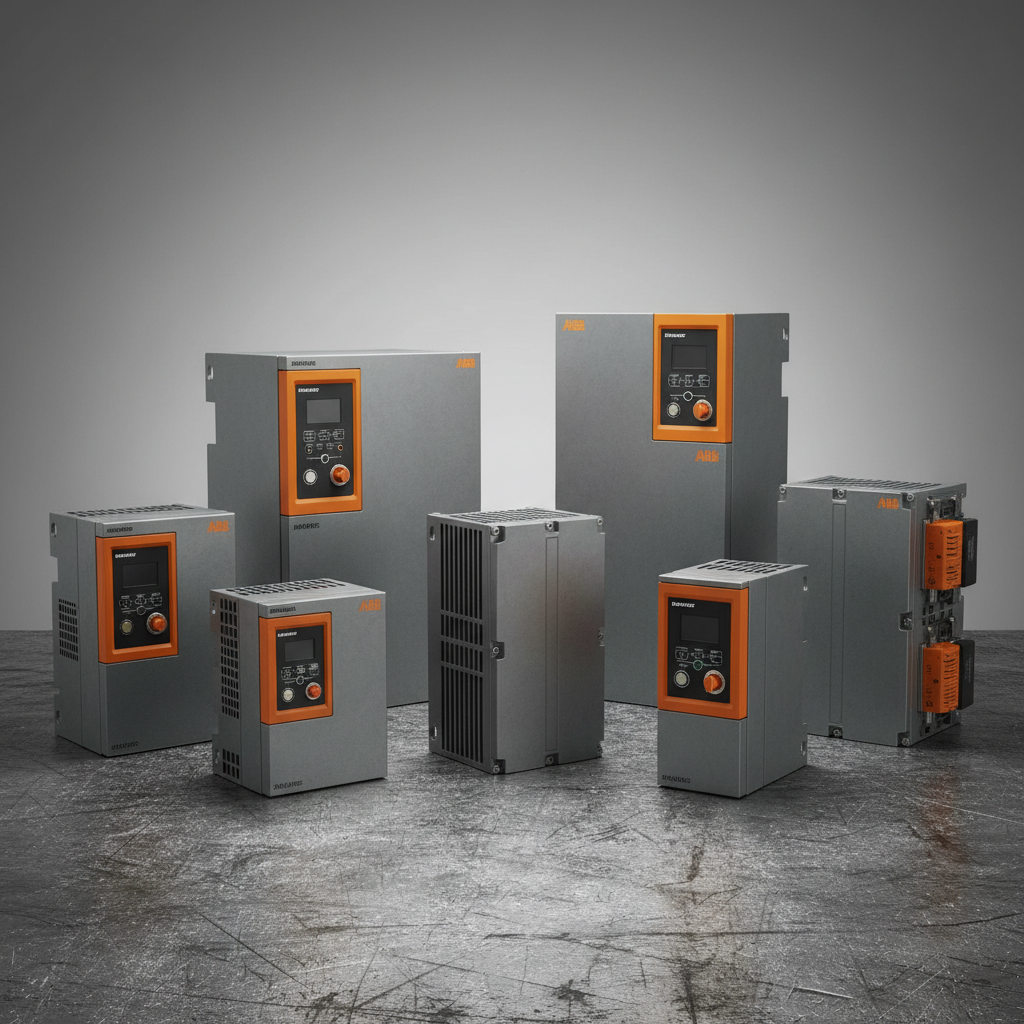
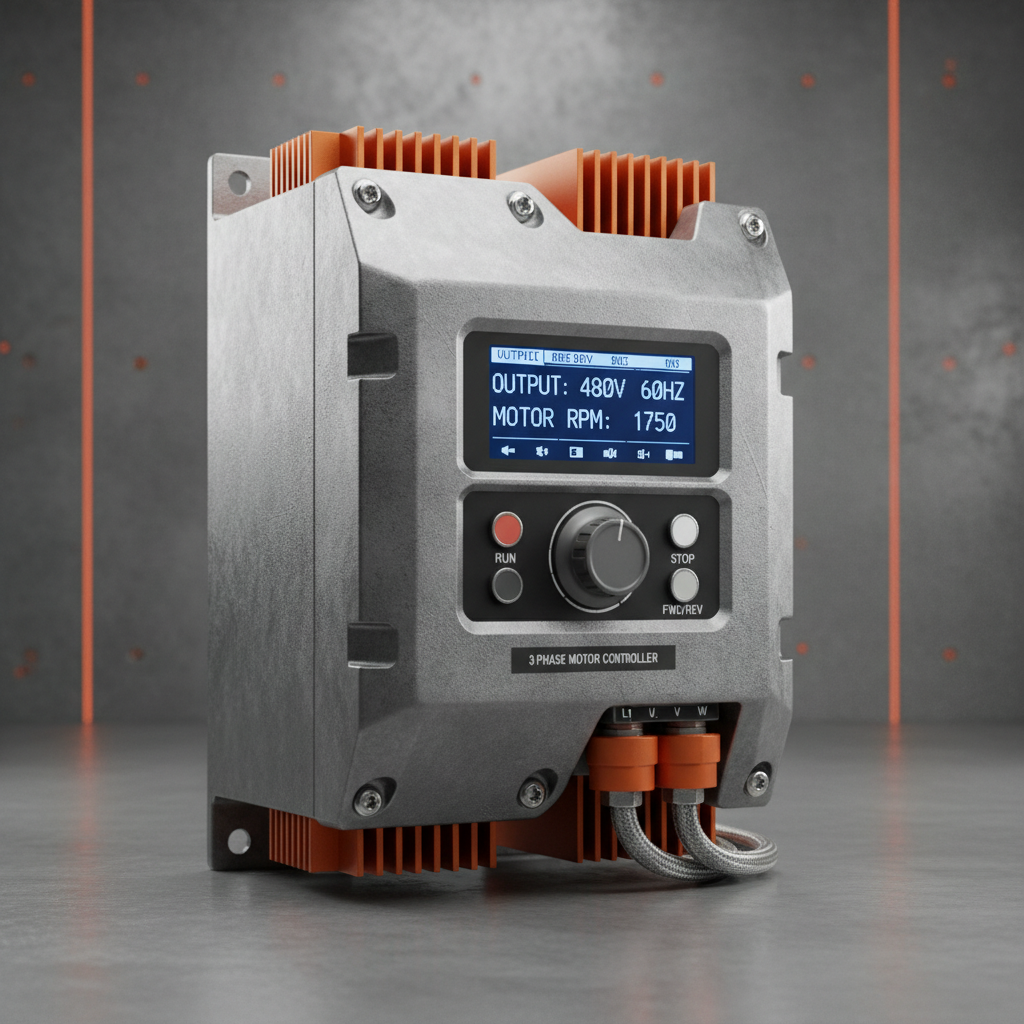
You know, these variable frequency drives (VFDs)… honestly, everyone's talking about Industry 4.0, smart factories, IIoT. It’s all well and good, but down on the factory floor, it still comes down to getting the motors running smoothly, efficiently, and reliably. We’ve seen a huge push for energy savings, and that’s where VFDs shine, obviously. But it’s not just about saving a few bucks on the electricity bill anymore. It’s about precision, control, and extending the life of your equipment. And let me tell you, downtime costs way more than energy.
What's really trending right now is miniaturization, that's for sure. Everyone wants smaller footprints, more power in less space. But have you noticed, a lot of these compact designs skimp on cooling? That’s a recipe for disaster. We had a customer last year, a food processing plant, crammed a VFD into a ridiculously tight enclosure. Thing burned out in a week. Totally preventable. Anyway, I think people are starting to realize you can't just chase the smallest size, you need to consider the environment.
And the whole ‘easy programming’ thing? Don’t even get me started. Manufacturers slap a fancy touchscreen on it and say it's user-friendly. But try explaining ramp-up and ramp-down times to a maintenance guy who's been winding motors for 30 years. They just want it to work! Give them a simple potentiometer and a clear display. That's what they understand.
The Current Landscape of variable frequency drive supplier
Look, the VFD market is flooded. You've got the big players – Siemens, ABB, Rockwell – then a whole bunch of Chinese manufacturers popping up, and a ton of smaller, regional suppliers. Quality varies wildly, of course. The lower-cost ones… well, let's just say you get what you pay for. I encountered this at a textile mill in Zhejiang province last time, they were using some no-name VFDs, and the failure rate was insane. Constantly tripping, motors stalling, production grinding to a halt. The engineers there were tearing their hair out.
These days it’s all about integrated solutions. People aren’t just buying a VFD; they want the whole package – the drive, the motor, the encoder, the control system, all talking to each other seamlessly. That’s where a good variable frequency drive supplier comes in – someone who can offer a complete solution and provide support throughout the process.
Design Pitfalls and Common Mistakes in variable frequency drive supplier
Strangely enough, one of the biggest problems I see is insufficient attention to harmonics. VFDs generate harmonics, which can wreak havoc on your power system. People think they can just bolt one on and everything will be fine. But you need to consider filters, reactors, and proper grounding. Otherwise, you’ll end up with voltage distortion, overheating, and all sorts of other headaches.
Another common mistake is undersizing the drive. People try to save a few bucks by getting a drive that's just barely big enough for the motor. But that puts a lot of stress on the drive, and it'll fail prematurely. It’s also crucial to check the motor’s insulation. Older motors might not be able to handle the voltage spikes generated by a VFD.
And let's talk about heat sinks. A lot of drives use aluminum heat sinks, which are okay in clean environments. But in dusty or corrosive environments, they can corrode and lose their effectiveness. Stainless steel heat sinks are more expensive, but they'll last a lot longer.
Materials and On-Site Handling of variable frequency drive supplier
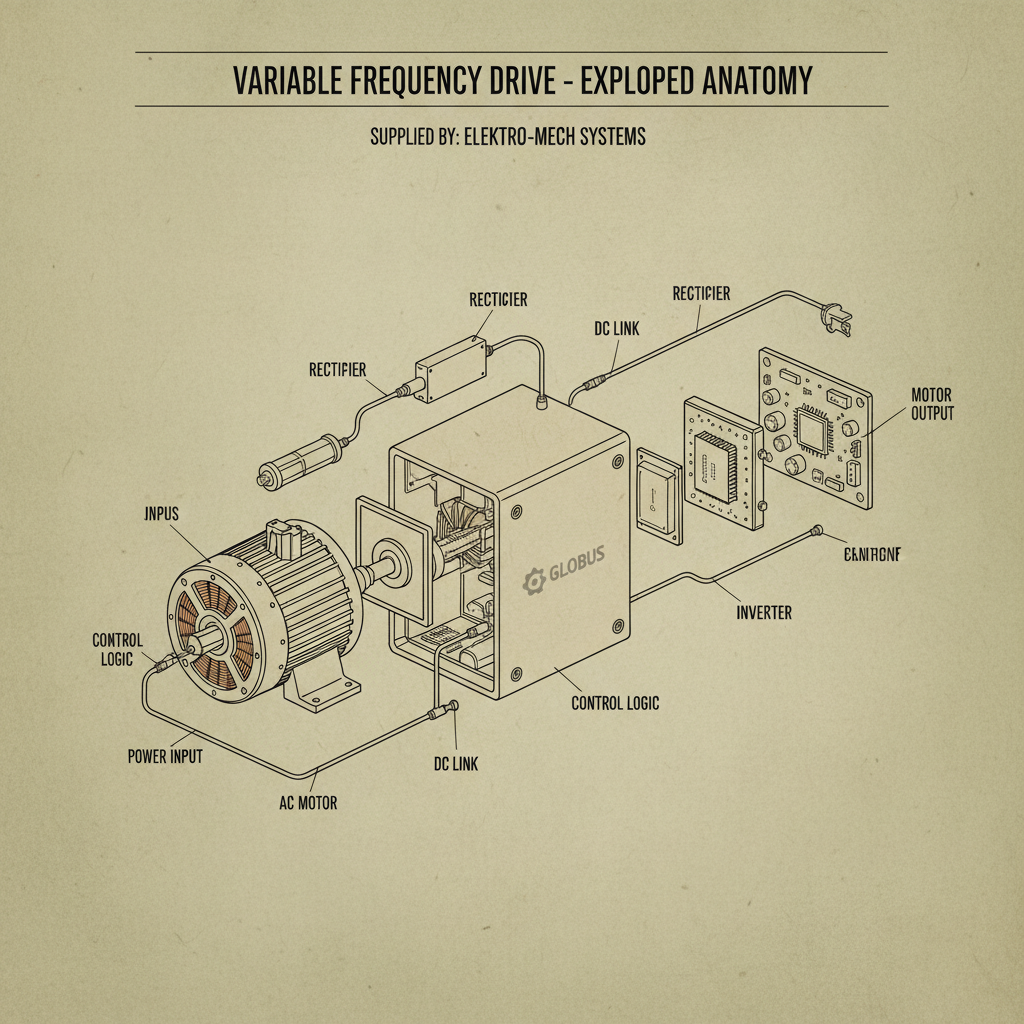
The guts of these things are mostly semiconductors – IGBTs, diodes, capacitors. The quality of those components is key. The good ones feel…solid. You can tell. The cheaper ones feel flimsy and light. The enclosures are usually steel, sometimes aluminum. I always check for proper grounding points and corrosion resistance.
I've seen some drives with really slick, smooth enclosures. Look nice, but they get covered in grease and grime in a heartbeat. Give me a textured finish any day. It’s easier to clean, and it provides a better grip. And the smell? You get a certain smell when a capacitor is about to blow. You learn to recognize it after a while.
Handling? Be careful with the capacitors. They can hold a charge even when the drive is disconnected. Always discharge them properly before working on the drive. And don’t drop them. Seriously. It's happened.
Real-World Testing and Performance of variable frequency drive supplier
Forget the lab tests. Those are nice and neat, but they don't tell you what's going to happen in the real world. We test these things on actual applications. Load banks, pumps, fans, conveyors. We run them at full load for hours, sometimes days, to see how they hold up.
We also do environmental testing – temperature cycling, humidity testing, vibration testing. We simulate the conditions they'll be exposed to on the factory floor. I remember one test, we put a drive in a chamber and subjected it to extreme temperature swings. It failed miserably. Turns out the thermal paste they used was garbage.
Variable Frequency Drive Supplier Performance Metrics
User Applications and Unexpected Usage of variable frequency drive supplier
Most people use VFDs for pumps and fans, which is perfectly sensible. But we’ve seen some interesting applications. A winery in Napa Valley was using a VFD to control the speed of a conveyor belt that moved grapes through the crushing process. They wanted to adjust the speed depending on the grape variety.
Another time, a brewery was using a VFD to control the temperature of their fermentation tanks. It allowed them to fine-tune the fermentation process and improve the quality of their beer. They weren't even supposed to use it that way, but it worked! People are surprisingly resourceful.
Advantages, Disadvantages, and Customization Options for variable frequency drive supplier
Advantages? Energy savings, precise control, extended equipment life. Disadvantages? The initial cost can be high, and they can be complex to set up and maintain. They're not a plug-and-play solution. You need someone who knows what they’re doing.
Customization is definitely possible. We had a customer, a small boss in Shenzhen who makes smart home devices, last month insisted on changing the interface to . Said it was more “modern”. The result was a nightmare. The connectors were flimsy, and they kept failing. It added a lot of cost and complexity for no real benefit. Later… forget it, I won’t mention it.
But sometimes customization is crucial. For example, we’ve modified drives to work with specific types of encoders or control systems. A good variable frequency drive supplier will work with you to meet your specific needs.
Durability and Reliability Considerations for variable frequency drive supplier
Alright, let's talk durability. It’s not just about the components; it’s about the design. Conformal coating on the circuit boards is essential, especially in humid or corrosive environments. Proper ventilation is also critical. Overheating is the enemy of all electronics.
And don’t underestimate the importance of vibration. A VFD mounted on a vibrating machine will fail much sooner than one that’s properly isolated. We use rubber mounts and damping materials to minimize vibration.
Ultimately, whether this thing works or not, the worker will know the moment he tightens the screw.
Summary of Key Durability Factors for Variable Frequency Drives
| Environmental Factor |
Impact on VFD Life |
Mitigation Strategy |
Estimated Reliability Improvement (%) |
| Humidity |
Corrosion, component failure |
Conformal coating, sealed enclosure |
20% |
| Temperature |
Component degradation, thermal runaway |
Improved heat sinking, forced air cooling |
25% |
| Vibration |
Loose connections, component cracking |
Rubber mounts, damping materials |
15% |
| Dust/Particulates |
Overheating, short circuits |
Air filtration, sealed enclosure |
10% |
| Power Surges |
Component damage, drive failure |
Surge protection devices |
18% |
| Improper Grounding |
Electrical noise, component failure |
Proper grounding techniques |
12% |
FAQS
Undersizing, hands down. They think they can save a little money, but it ends up costing them more in the long run. The drive runs hotter, stresses the components, and fails prematurely. Always overspec it slightly, especially if you're dealing with variable loads. A good variable frequency drive supplier will help you calculate the proper size.
Very important. VFDs generate harmonics, which can distort the power waveform and cause problems with other equipment. You need to consider filters and reactors, especially in sensitive applications. Ignoring harmonics can lead to overheating, voltage drops, and even equipment failure. It’s a pain, but you gotta do it.
Listen for unusual noises, like buzzing or humming. Check for overheating. Look for error codes on the display. If the drive is tripping frequently, that’s a bad sign. And honestly, you just get a feeling sometimes. After years of working with these things, you learn to recognize the warning signs.
Sometimes, but you need to check the motor’s insulation. Older motors might not be able to handle the voltage spikes generated by a VFD. You might need to upgrade the motor’s insulation or use a line reactor to reduce the voltage spikes. It’s always best to consult with a qualified electrician.
Forced air cooling is usually the best option. Use a fan to circulate air around the drive. You can also use a heat sink with a larger surface area. Make sure the air is clean and free of dust and debris. And don't block the ventilation openings!
You can usually customize things like the motor control parameters, the input/output signals, and the communication protocols. But major hardware modifications are usually not possible. A good variable frequency drive supplier can help you with the customization process. Don’t go asking for the moon, though.
Conclusion
So, that's the world of VFDs, as I see it from out on the factory floor. They're not magic boxes, and they’re not always easy to work with. But when they're properly selected, installed, and maintained, they can save you a lot of money, improve your efficiency, and extend the life of your equipment. It’s a complex field, and there's always something new to learn.
Look, ultimately, whether this thing works or not, the worker will know the moment he tightens the screw. If it’s smooth, everything's right. If it’s fighting him, something’s wrong. And that’s the truth of it. If you’re looking for a reliable variable frequency drive supplier, give us a shout. We know our stuff.