Regenerative VFD – Energy-Efficient Variable Frequency Drives for Industry | Tianjin Yongkai
The Rising Importance of Regenerative VFDs in Modern Industry
If you’ve ever worked with variable frequency drives (VFDs) in industrial setups, you know energy efficiency and reliability matter a ton. Now, add regeneration to the mix—and the game changes quite a bit. Regenerative VFDs don’t just control motor speed; they feed energy back into the system. It sounds futuristic, but it’s a growing must-have worldwide.
This tech isn’t just about cutting costs or improving performance; it’s a global response to energy scarcity and sustainability goals. According to the International Energy Agency, electric motor systems consume over 40% of global electricity (yes, that big!). So improving VFD technology impacts carbon footprints, operational expenses, and even social equity in energy-limited regions.
In short: regenerative VFDs promise smarter, cleaner, and more resilient industrial motor control—a path the future depends on.
Understanding Regenerative VFD: What Does It Really Mean?
To keep it simple, a regenerative variable frequency drive is a special kind of VFD that can not only power and control AC motors with varying speeds, but also recover energy generated during motor deceleration and feed it back to the power source—usually the grid or a shared energy bus.
This contrasts with traditional drives that dissipate braking energy as heat through resistors, basically wasting power. So from an engineering standpoint, regenerative VFDs act like small power plants in reverse, helping industries use energy twice rather than once.
Given the growing emphasis on renewable energy and energy-efficient manufacturing (ISO 50001 and all that), these drives fit neatly into industrial modernization and environmental strategies.
Key Components That Define the Regenerative VFD Experience
1. Energy Recovery Circuitry
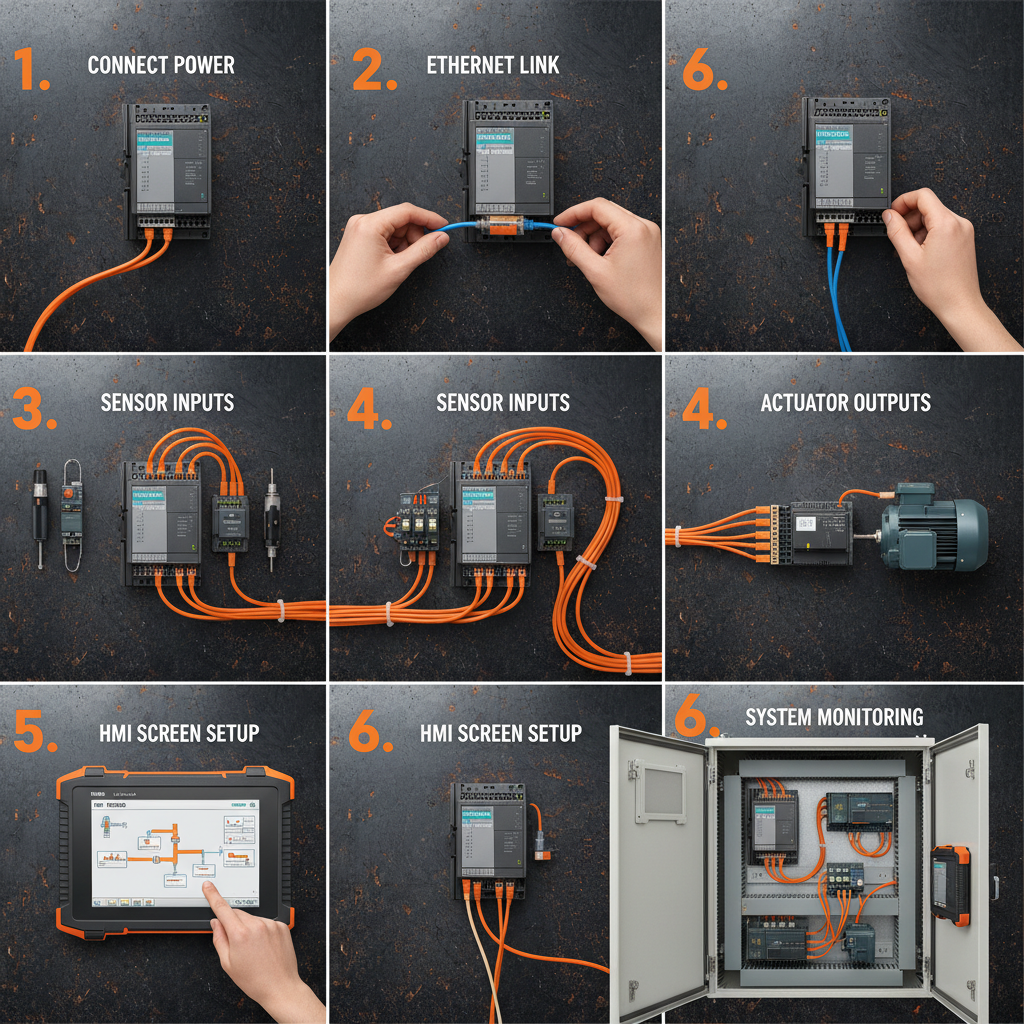
The heart of any regenerative VFD is the ability to capture braking energy. This requires advanced power electronics—usually a combination of inverter, rectifier, and regenerative unit circuitry—allowing current to flow back into the grid rather than being lost.
2. Robust Control Algorithms
Precise motor control isn't optional. The regenerative VFD uses digital control to balance energy recuperation with motor operation, preventing issues like voltage spikes or harmonic distortion which could otherwise destabilize the system.
3. Durability and Thermal Management
These devices often run under heavy shifts in industrial settings. Effective cooling and hardware durability matter because the drive is handling energy in both directions—this bidirectional load can stress components.
4. Scalability and Integration Capability
Whether you’re upgrading a medium-sized factory or a multi-site industrial campus, the regenerative VFD should scale without headaches. Modern units come with modular designs and communication protocols (like Modbus or EtherCAT) to integrate smoothly with existing infrastructure.
5. Energy Efficiency and Compliance
The best drives hit well above average on efficiency metrics. Many come certified with ISO 9001 and conform to the latest harmonics standards (IEEE 519), ensuring not just performance but regulatory compliance.
Where in the World Are Regenerative VFDs Making a Real Difference?
Their industrial impact is broad but particularly pronounced in sectors like mining, manufacturing, elevators, and HVAC systems. For instance, mining companies in Australia and Canada have reported up to 30% energy savings when retrofitting their conveyor belt systems with regenerative VFDs.
Oddly enough, developing regions with unreliable energy supplies also stand to gain a lot. In Southeast Asia, manufacturers use regenerative VFDs to reduce energy costs and provide steadier grid load profiles, supporting local communities' energy reliability.
In post-disaster relief operations, mobile generators paired with regenerative VFD-equipped pumps or compressors conserve fuel and cut emissions. Remote industrial zones—especially oil and gas extraction points—adopt them to optimize power management and sustainability.
Mini takeaway: This technology is not some niche engineering fad; it’s actively reshaping global industrial energy use with direct social and environmental effects.
Breaking Down the Benefits: Why Choose a Regenerative VFD?
- Cost Savings: By feeding energy back to your system, you reduce net electricity consumption, trimming power bills—sometimes dramatically.
- Environmental Impact: Less wasted energy means a smaller carbon footprint, fulfilling corporate sustainability pledges and regulatory demands.
- Enhanced System Reliability: Regenerative drives reduce wear on mechanical braking systems, extending equipment life.
- Operational Flexibility: Smooth acceleration and deceleration with energy recovery enable sensitive applications—think elevators or crane controls—to run safer and smoother.
- Improved Power Quality: With harmonic reduction and reactive power compensation, regenerative VFDs enhance electrical grid stability.
Emotions? Well, trust me, many engineers I've met find these drives empowering—that feeling of turning waste into resource really aligns with the “doing good” mindset so crucial for innovation today.
Specifications at a Glance: Typical Regenerative VFD Features
| Feature | Description | Typical Values |
|---|---|---|
| Input Voltage | Three-phase AC | 380 - 480 V |
| Output Power Range | Motor power compatibility | 5 kW - 2000 kW |
| Energy Recovery Efficiency | Percentage of braking power recovered | 85% - 95% |
| Communication Protocols | Network interface for automation | Modbus, Ethernet/IP, Profibus |
| Ambient Operating Temperature | Environmental conditions tolerance | -10°C to 50°C |
Global Vendor Comparison: Who’s Leading the Regenerative VFD Market?
| Vendor | Product Model | Max Power (kW) | Energy Recovery Efficiency | Communication Support | Typical Applications |
|---|---|---|---|---|---|
| ABB | ACH580 | 2000 | 92% | Modbus, Ethernet/IP | Mining, Elevators, Cranes |
| Siemens | SINAMICS G120X | 800 | 90% | Profibus, Profinet | Water Treatment, HVAC |
| Schneider Electric | Altivar Process | 1500 | 88% | Modbus, Ethernet/IP | Process Industries |
| Yaskawa | GA700 | 1100 | 89% | EtherCAT, Modbus | Material Handling, Elevators |
Looking Ahead: Trends and Innovations in Regenerative VFD Technology
With Industry 4.0 taking center stage, regenerative VFDs are evolving beyond just hardware. Expect more AI-driven optimization, smart diagnostics, and integration with renewable energy microgrids. Many manufacturers are exploring silicon carbide (SiC) semiconductors to boost efficiency and reduce size.
Policy-wise, stricter energy efficiency standards globally (think EU’s Ecodesign Directive) push wider adoption. Plus, more localized energy management systems paired with these drives empower distributed power networks, making factories energy hubs, not just consumers.
Facing the Hurdles: Challenges and Innovative Workarounds
Regenerative VFD adoption isn’t without issues. Higher upfront cost scares some, compatibility with older infrastructure can be tricky, and power quality concerns occasionally pop up. But many engineers say the key is proper system design and ongoing maintenance.
Innovations in modular hardware and firmware updates ease integration pain. Plus, more vendors offer rental or leasing models, reducing capital barriers.
FAQ: Your Quick Guide to Regenerative VFD FAQs
- Q: How does a regenerative VFD differ from a standard VFD?
A: Unlike standard VFDs that dissipate braking energy as heat, regenerative VFDs capture and feed this energy back to the power source, improving overall system efficiency. - Q: Are regenerative VFDs suitable for retrofit projects?
A: Absolutely, but compatibility checks are vital. Proper assessment ensures integration with existing motor drives and power systems without costly disruptions. - Q: What environmental benefits do regenerative VFDs offer?
A: They reduce energy waste and emissions, supporting sustainability goals often mandated by ISO 50001 energy management standards. - Q: Can regenerative VFDs help in unstable power grid regions?
A: Yes, by stabilizing voltage and feeding energy back, they can improve power quality and reduce grid stress, which is valuable in developing or remote areas.
Final Thoughts: Why Your Industry Needs Regenerative VFDs Now
If you take away one thing, it’s that regenerative variable frequency drives are quietly shifting how factories and industrial facilities consume energy. They pack a punch on efficiency, sustainability, and operational safety. Frankly, it’s not just smart engineering, it’s a keystone for future-ready industries.
Curious to explore how regenerative VFD technology can transform your operations? Visit our website: regenerative vfd for expert advice and solutions tailored to your needs.
Here's to powering smarter, greener—and frankly cooler—industrial future.
References: