Siemens PLC Ethernet Connectivity A Comprehensive Guide for Industrial Automation
PLC Siemens Ethernet: A Comprehensive Guide
In the world of industrial automation, Programmable Logic Controllers (PLCs) are the backbone of numerous processes. Siemens PLCs are renowned for their reliability and performance, and utilizing Ethernet connectivity with these PLCs has become standard practice for modern automation systems. This article delves into the benefits, considerations, and implementation of Siemens PLCs with Ethernet communication, providing valuable insights for engineers and technicians. Understanding how to effectively integrate your Siemens PLC using Ethernet is critical for optimizing performance and ensuring seamless data exchange.

The Advantages of PLC Siemens Ethernet Communication
Ethernet connectivity offers a significant upgrade over traditional PLC communication methods. The primary advantage is speed: Ethernet allows for much faster data transfer rates than serial communication, enabling quicker response times and more efficient system operation. Furthermore, Ethernet utilizes readily available and cost-effective networking infrastructure, reducing the need for specialized cabling and hardware. Integration with existing IT networks is simplified, allowing for easier remote monitoring, control, and data logging. The ability to integrate seamlessly with SCADA systems and other enterprise applications is also a key benefit, creating a more holistic view of the industrial process. Finally, the standardized nature of Ethernet facilitates interoperability between different devices and systems.
Key Highlights: Faster data transfer, reduced cabling costs, seamless IT integration, improved system interoperability, and enhanced remote monitoring capabilities.
Understanding Siemens Ethernet Protocols
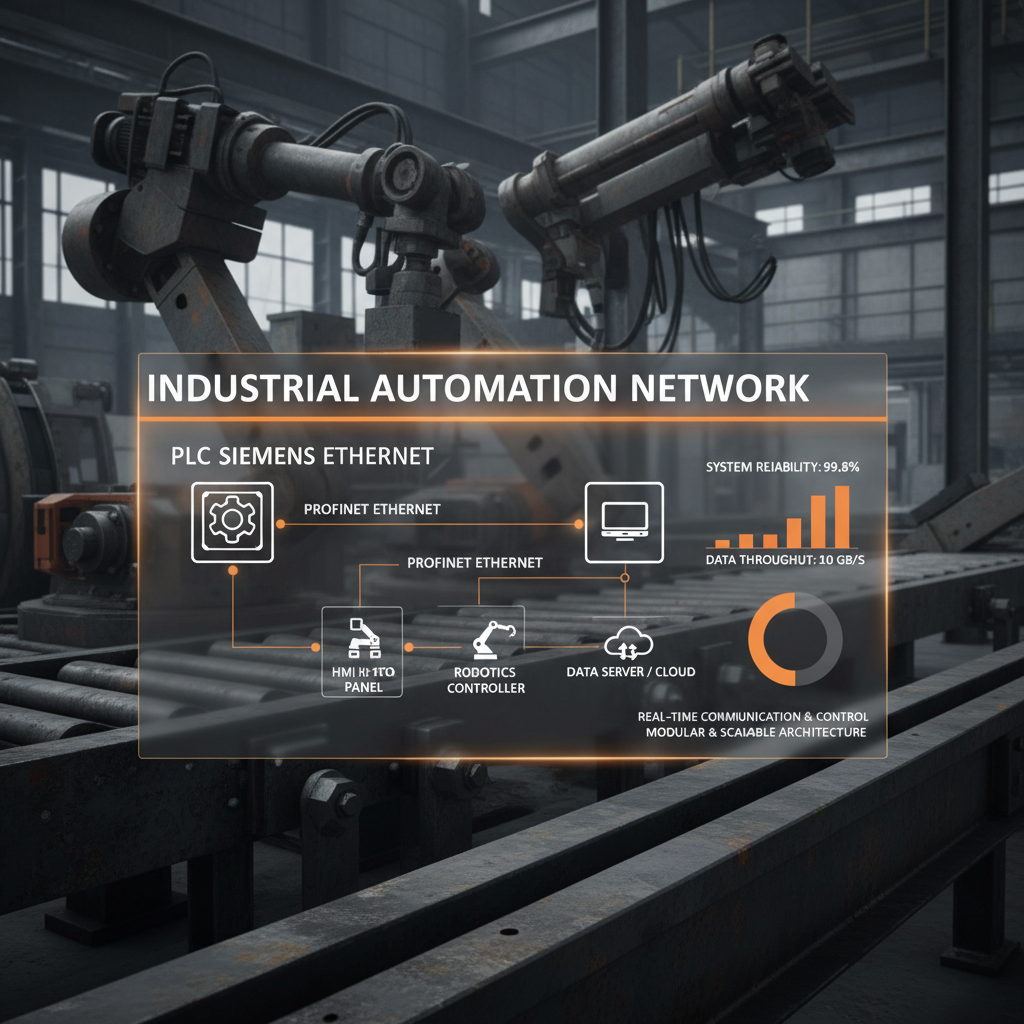
Siemens utilizes several Ethernet-based protocols for PLC communication, each with its own strengths and applications. PROFINET is a leading industrial Ethernet standard developed specifically for automation, offering real-time communication and deterministic behavior. PROFIsafe, built on PROFINET, provides a safety-integrated layer for critical applications requiring high reliability. Another option is EtherNet/IP, a popular industrial Ethernet protocol widely used in North America. Finally, standard TCP/IP can be used for non-real-time communication and data exchange. Selecting the correct protocol depends on the specific requirements of your application, considering factors like speed, determinism, safety, and interoperability with other devices. Explore the Tianjin Yongkai catalog for compatible Siemens PLCs and network components.
Key Ethernet Protocols for Siemens PLCs:
• PROFINET: Real-time communication, deterministic behavior
• PROFIsafe: Safety-integrated layer
• EtherNet/IP: Widely used in North America
• TCP/IP: Non-real-time communication
PLC Siemens Ethernet: Comparing Protocols
Choosing the right Ethernet protocol for your Siemens PLC application requires a careful consideration of their respective strengths and weaknesses. PROFINET excels in applications demanding real-time performance and deterministic behavior, making it ideal for motion control and high-speed sequencing. EtherNet/IP, while offering good performance, may be preferred in environments where compatibility with existing EtherNet/IP infrastructure is paramount. TCP/IP, being the most widely used protocol, is suitable for less time-critical applications like data logging and remote diagnostics. PROFIsafe adds a critical layer of safety, essential for applications where failure could result in hazardous conditions.
Implementing Ethernet Communication with Siemens PLCs
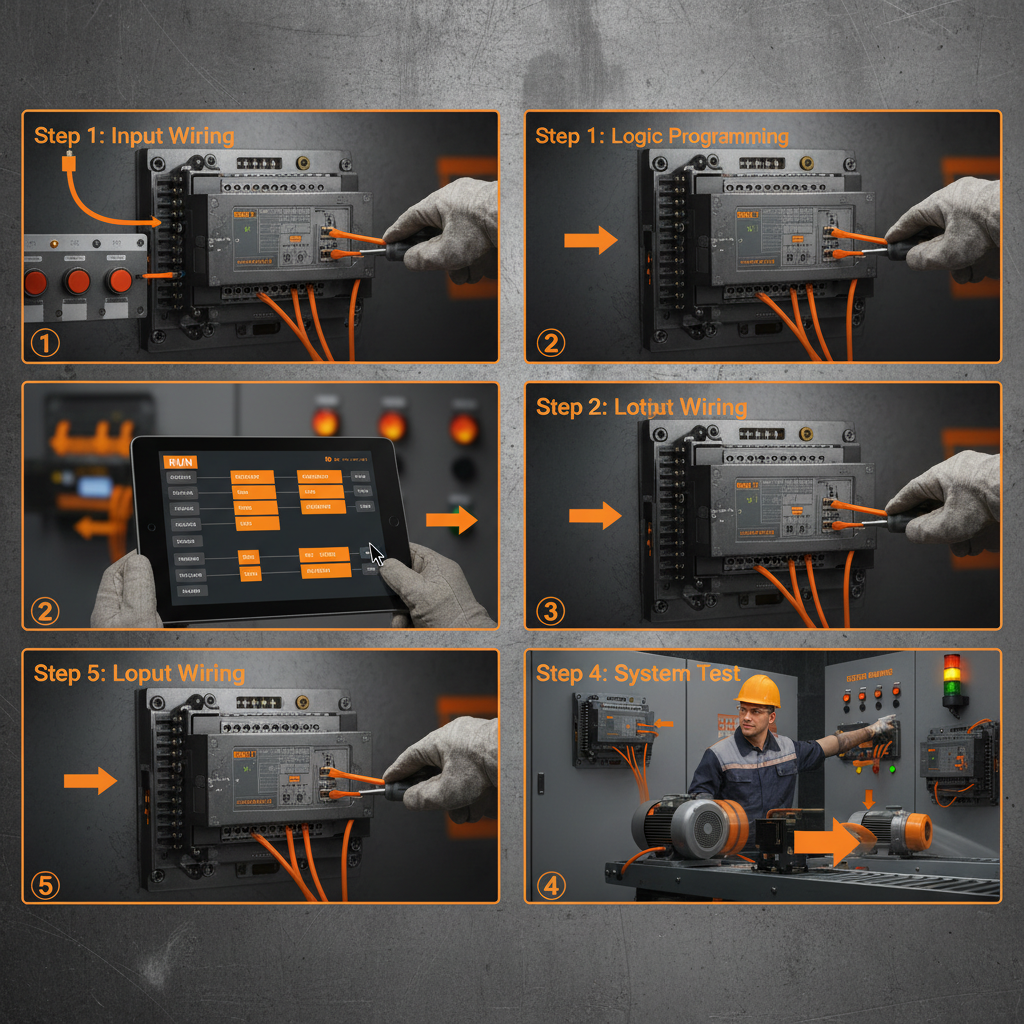
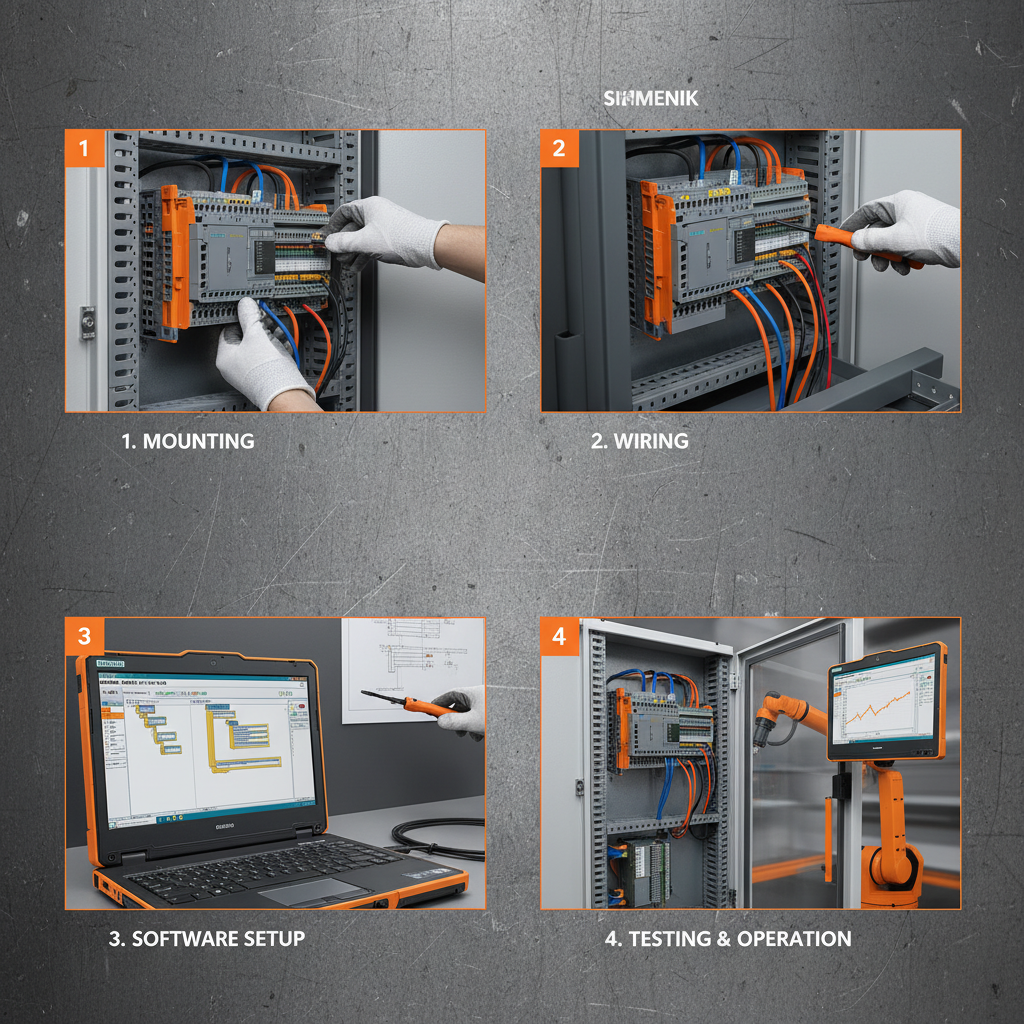
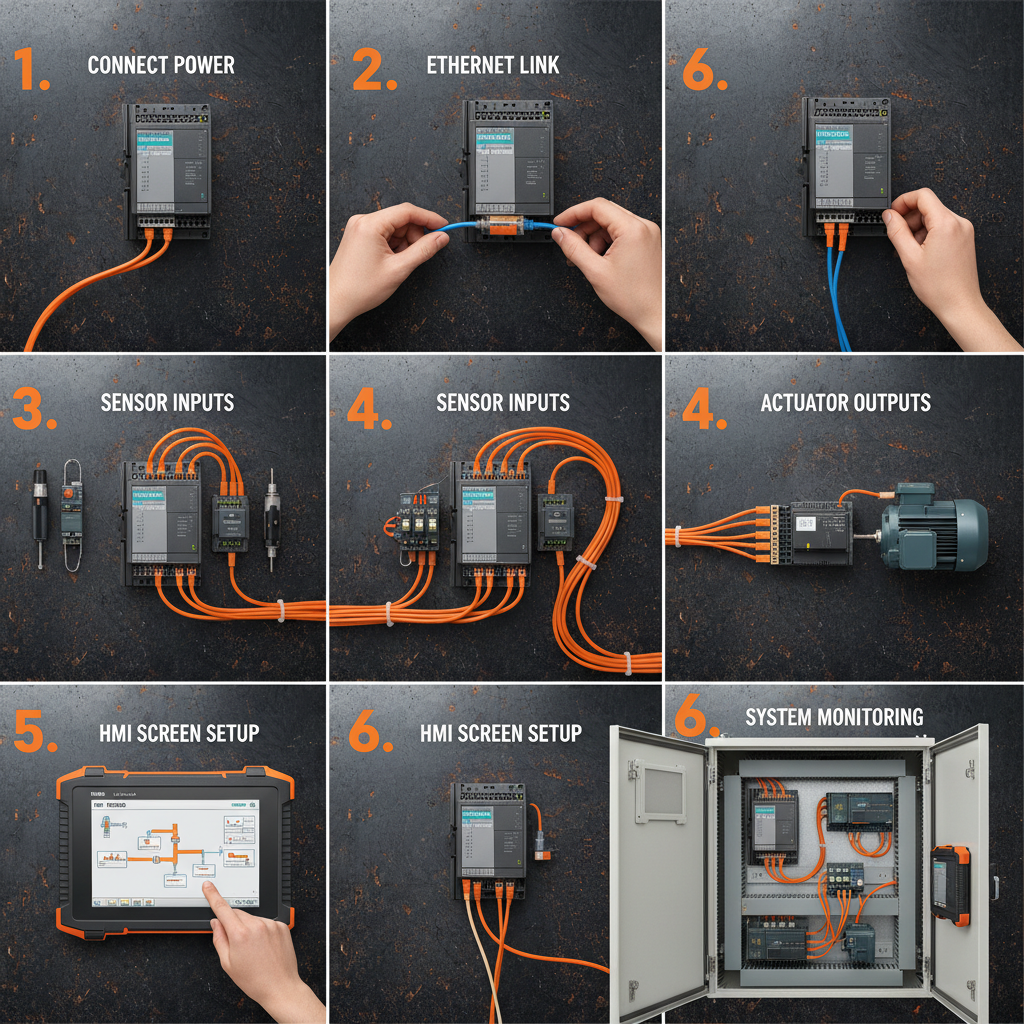
Implementing Ethernet communication involves several key steps. First, ensure your PLC and network infrastructure support the chosen protocol. Configure the PLC's Ethernet interface with a valid IP address, subnet mask, and gateway. Establish communication between the PLC and your HMI or SCADA system using the appropriate drivers and settings. Thoroughly test the connection to verify data transfer and functionality. Pay attention to network security considerations, implementing firewalls and access controls to protect your system from unauthorized access. Consult the Siemens documentation and consider professional assistance for complex implementations. Tianjin Yongkai provides expert support and a wide range of Siemens PLC solutions to facilitate your automation projects.
Choosing the Right Siemens PLC for Ethernet Integration
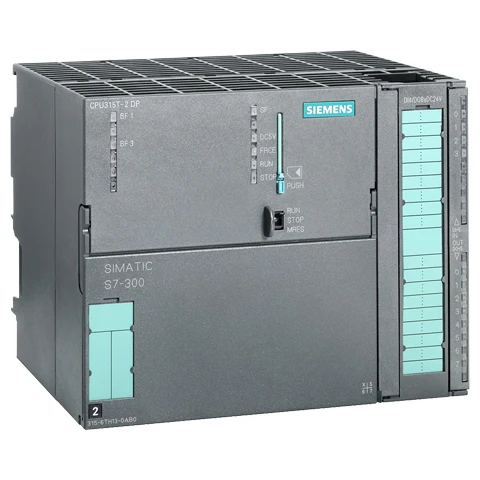
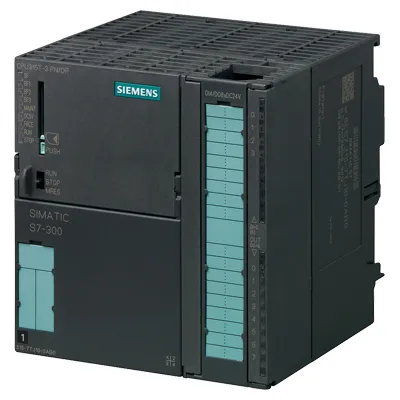
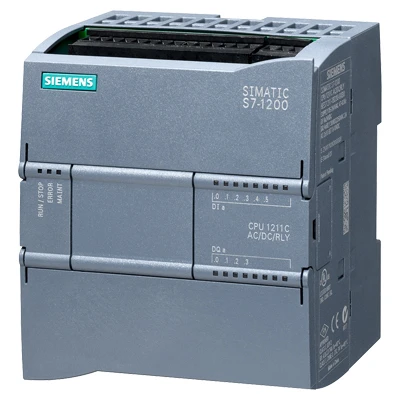
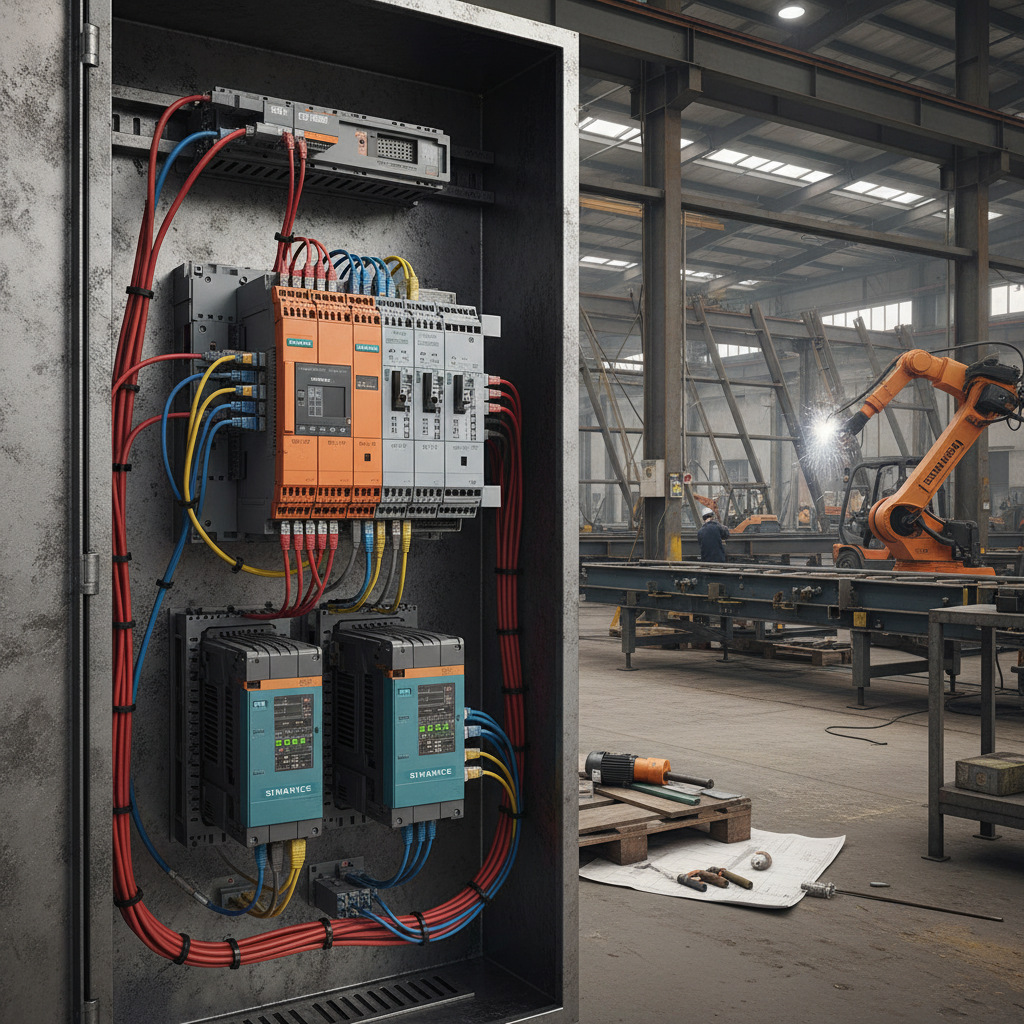
Siemens offers a broad range of PLCs suitable for Ethernet integration, from compact models like the S7-1200 to powerful, modular systems like the S7-1500. The S7-1200 is ideal for small to medium-sized applications, offering built-in PROFINET interfaces and cost-effective performance. The S7-1500 provides advanced features, scalability, and high-speed communication capabilities for complex industrial processes. Consider your application’s specific requirements, including the number of I/O points, processing power, and communication needs, when selecting the appropriate PLC. Tianjin Yongkai can assist you in selecting the optimal Siemens PLC for your automation needs.
Conclusion: Embracing the Power of Siemens PLC Ethernet
Leveraging Siemens PLC Ethernet connectivity is crucial for modern industrial automation. The benefits of speed, integration, and scalability are undeniable. By carefully selecting the appropriate protocol and PLC model, and by following best practices for implementation and security, you can unlock the full potential of your automation system. Invest in reliable components and seek expert support to ensure a successful and efficient implementation.
Frequently Asked Questions (FAQs)
What is the maximum Ethernet communication distance for Siemens PLCs?
The maximum Ethernet communication distance for Siemens PLCs generally depends on the cable type and protocol used. With standard CAT5e or CAT6 cabling, the recommended maximum distance is 100 meters. For longer distances, fiber optic cabling and media converters can be used to extend the range significantly, potentially to several kilometers. However, using fiber optic cables introduces additional complexity and cost. It's crucial to adhere to the cable specifications and limitations to ensure reliable communication.
How do I troubleshoot Ethernet communication issues with my Siemens PLC?
Troubleshooting Ethernet communication issues typically involves a systematic approach. First, verify physical connectivity: check cables, connectors, and network switches. Next, confirm IP address configuration on both the PLC and your network. Use diagnostic tools like ping and traceroute to identify network connectivity problems. Check the PLC's Ethernet interface status in the programming software. Review network logs for error messages. If the problem persists, consider using a network analyzer to capture and analyze network traffic.
Is network security a concern when using Ethernet with Siemens PLCs?
Yes, network security is a critical concern. Industrial control systems connected to Ethernet networks are vulnerable to cyberattacks. Implementing robust security measures is essential, including firewalls, intrusion detection systems, and access controls. Regularly update PLC firmware to patch security vulnerabilities. Use strong passwords and restrict access to authorized personnel only. Consider using a VPN for remote access. Follow industry best practices for industrial cybersecurity.
What is the difference between managed and unmanaged Ethernet switches for use with Siemens PLCs?
Managed Ethernet switches offer advanced features like VLANs, QoS, and port mirroring, allowing for greater network control and security. They are ideal for complex industrial networks where segmentation and prioritization of traffic are essential. Unmanaged switches are simpler and more cost-effective but lack advanced features. They are suitable for small networks with basic connectivity requirements. For most industrial applications involving Siemens PLCs, a managed switch is recommended to ensure reliable and secure communication.