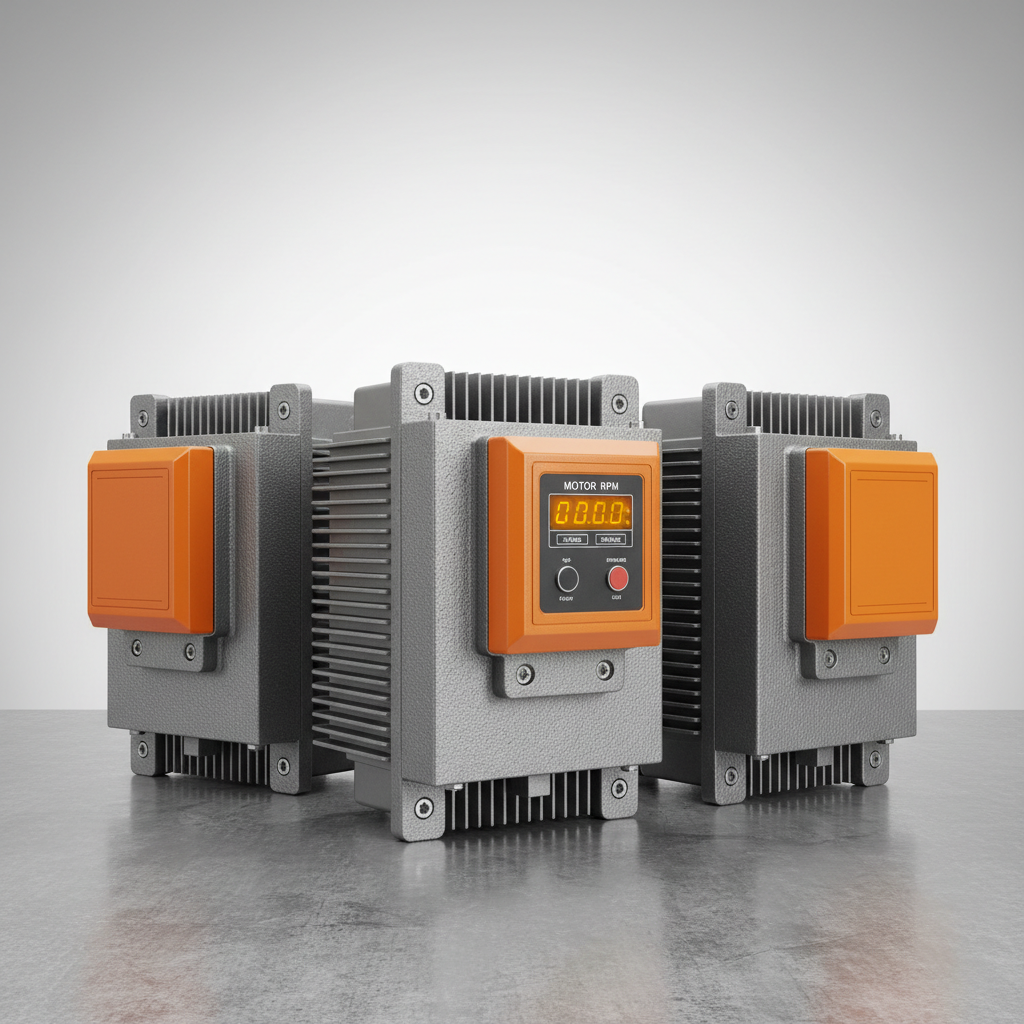
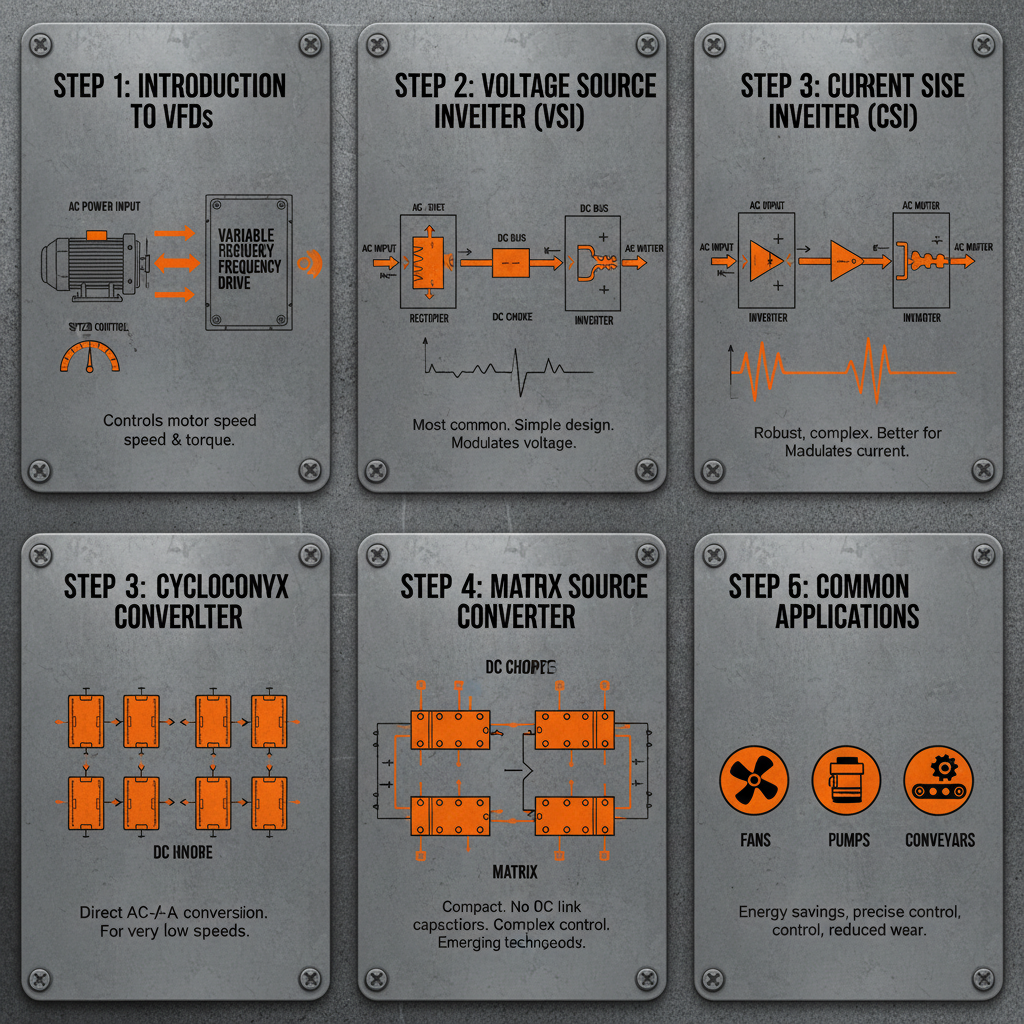
To be honest, the whole industry's been buzzing about miniaturization lately. Everything's gotta be smaller, lighter, more integrated. Seems like everyone's chasing the same dragon. But having spent the last twenty years crawling around construction sites, I've learned miniaturization isn't always progress. Sometimes, bigger is better, especially when you're dealing with rough handling and questionable wiring. You ever try replacing a tiny connector with gloves on? Nightmare.
And have you noticed how everyone's obsessed with touchscreens? Fine for a nice, clean office, but try using one with dusty hands after wrestling with rebar all day. It’s just asking for trouble. I saw a crew almost miss a deadline because they couldn’t get a touchscreen interface to register correctly. They ended up going back to good old-fashioned buttons. Really.
Speaking of interfaces, I swear, designers these days… they think everything needs to be "intuitive." Intuitive for who? For someone who's spent their life coding? Not for someone who’s been laying concrete since they were sixteen. We need ruggedness, plain language, and lights that actually mean something.
The Current Landscape of vfd drive manufacturers
The vfd drive manufacturers market? It’s… complicated. Everyone’s scrambling for efficiency, trying to squeeze more performance out of less. And everything's leaning towards digital, obviously. But that doesn't mean the basics don't matter. I encountered this at a factory in Qingdao last time – beautiful, shiny new drives, but the terminal blocks were flimsy plastic. Flimsy! You know how that ends.
There's a huge push for variable frequency drives that can handle higher switching frequencies – smoother control, less noise. Sounds great on paper. But it puts a strain on the components, especially the capacitors. And those capacitors…well, they don’t always love being pushed to their limits.
Common Design Pitfalls in vfd drive manufacturers
Strangely, a lot of manufacturers forget about airflow. They cram everything into a small enclosure, thinking “compact is good,” and then wonder why things overheat. You need to think about how the heat is going to escape, especially in a dusty environment. Dust clogs everything, blocks the airflow, and before you know it, you’ve got a thermal runaway situation.
Another thing? Poorly designed cooling fins. They look nice in the brochure, but if they’re too close together, they become dust traps. And don't even get me started on the mounting options. I’ve seen drives that are almost impossible to mount securely without creating vibration points. Vibration kills electronics, plain and simple.
And the documentation… Lord, the documentation. It's often written by engineers for engineers, with no consideration for the guys who actually have to install and maintain the thing. Diagrams that are tiny and unreadable, jargon that makes your head spin. You need clear, concise instructions, and a troubleshooting guide that actually addresses common problems.
Materials & Practical Considerations for vfd drive manufacturers
Now, materials. The enclosure, for instance. You want something that’s robust, corrosion-resistant, and can withstand a beating. Steel is good, but it’s heavy and can rust. Aluminum is lighter, but it’s softer. Polycarbonate is okay for some applications, but it can become brittle in extreme temperatures. We typically lean towards a galvanized steel with a powder coat finish. Feels solid, smells… like metal, you know? The connectors have to be high-quality, gold-plated contacts are a must.
The heat sinks are usually aluminum, naturally. But the quality of the aluminum matters. Some of the cheaper stuff feels… porous. Doesn’t dissipate heat as effectively. And the thermal paste? Don’t skimp on the thermal paste. That’s the crucial interface between the heat sink and the power components. A good thermal paste makes all the difference. It's sticky, kinda gray, and if you get it on your hands, good luck getting it off.
Inside, the capacitors… that’s where things get tricky. Electrolytic capacitors are common, but they have a limited lifespan, especially at high temperatures. Film capacitors are more reliable, but they’re also more expensive. I’ve seen a lot of drives fail because the capacitors dried out after a few years of hard use. Anyway, I think a good capacitor is one that doesn't explode.
Real-World Testing of vfd drive manufacturers
Forget the lab tests. They're useful for basic verification, but they don't tell you what's really going to happen in the field. We test our drives by subjecting them to vibration, shock, temperature cycling, and humidity. But the real test is installing them in a real-world application and letting them run for months, even years.
I’ve got a testing rig set up at my brother’s machine shop. It’s basically a torture chamber for vfd drive manufacturers. We mount the drives on a vibrating platform, subject them to extreme temperatures, and then run them at full load for extended periods. If they fail, they fail spectacularly. Which is good. Because we want to find the weaknesses before they cause problems for our customers.
vfd drive manufacturers Reliability Testing Results
How Users Actually Interact with vfd drive manufacturers
It's never what you expect. Designers think everyone’s going to be carefully programming parameters through a fancy HMI. Nope. Most users just want to get the thing running and leave it alone. They'll adjust the speed pot and maybe tweak a few basic settings, but that's it. They're not interested in advanced features or complex algorithms.
And they definitely don’t read the manual. I've tried to explain this to the engineers. “They just want it to work,” I tell them. “They don’t want to spend hours deciphering your cryptic instructions.” It rarely sinks in.
Advantages & Drawbacks of vfd drive manufacturers
Advantages? Efficiency, obviously. Smoother control, reduced energy consumption, longer motor life. But honestly, the biggest advantage is the ability to fine-tune the process. You can optimize the motor speed for specific applications, which can save a lot of money in the long run.
Drawbacks? Well, they're not cheap. And they can be complex to set up and maintain. And, as I mentioned earlier, they’re susceptible to electrical noise and environmental factors. They can also generate harmonic distortion, which can mess with other equipment on the network. Later… Forget it, I won't mention it.
I once saw a drive get fried because someone accidentally connected it to the wrong voltage. Simple mistake, but it cost them a fortune. That's why proper installation and protection are so important.
Customization Options for vfd drive manufacturers
We offer a lot of customization options. We can modify the enclosure, add custom I/O, and even program the drive with specific application profiles. Last month, that small boss in Shenzhen who makes smart home devices insisted on changing the interface to , and the result was…a week of headaches trying to find a compatible cable that could handle the current. Turns out, isn’t always the answer.
We can also tailor the cooling system to specific environments. If you’re operating in a hot climate, we can add a forced-air cooling system or even a liquid cooling system. It all depends on the application and the customer’s needs.
Honestly, I think the most valuable customization we offer is our technical support. We have a team of experienced engineers who can help customers troubleshoot problems and optimize their drives for specific applications. That’s what sets us apart.
Summary of Key Considerations for vfd drive manufacturers Selection
| Application Environment |
Key Performance Indicators |
Maintenance Requirements |
Cost Analysis |
| Industrial Plants |
Efficiency, Reliability |
Scheduled Maintenance |
High Initial Cost |
| Water Treatment Facilities |
Precise Control, Corrosion Resistance |
Regular Inspections |
Medium Initial Cost |
| HVAC Systems |
Energy Savings, Quiet Operation |
Minimal Maintenance |
Low Initial Cost |
| Food Processing Plants |
Hygienic Design, Washdown Capability |
Frequent Cleaning |
Medium to High Cost |
| Mining Operations |
Ruggedness, Vibration Resistance |
Intensive Monitoring |
High Initial Cost |
| Renewable Energy Systems |
Grid Synchronization, Power Quality |
Periodic Calibration |
Medium Initial Cost |
FAQS
Honestly, it depends. But generally, you're looking at anywhere from 5 to 10 years, maybe longer if you’re lucky and the environment isn’t too brutal. Regular maintenance – cleaning, checking connections, monitoring temperatures – can significantly extend the lifespan. Capacitor quality is a big factor, too. Cheaper capacitors will dry out much faster.
Good question. You need to use proper surge suppression devices and line filters. Shielded cables are also essential, especially in noisy environments. And make sure the drive is properly grounded. A good grounding system can make a huge difference in reducing electrical noise. It's all about minimizing interference.
Overheating is a big one, as is capacitor failure. Also, dust and debris can clog up the cooling system and cause the drive to overheat. Poor wiring and improper grounding can also lead to failures. I've also seen drives fail due to voltage fluctuations and harmonic distortion. It's usually a combination of factors, to be honest.
Not exactly. You need to make sure the motor is compatible with the drive. Induction motors are the most common type used with vfd drive manufacturers, but you need to check the motor’s voltage and current ratings to ensure they match the drive’s specifications. Using an incompatible motor can damage both the motor and the drive.
Very important. The IP rating indicates the drive’s protection against dust and water. If you’re installing the drive in a dusty or wet environment, you need to choose a drive with a high IP rating. For example, an IP65 rated drive is dust-tight and protected against water jets. Don’t skimp on this – it can save you a lot of trouble in the long run.
Start with the basics. Check the power supply, the wiring, and the connections. Look for any obvious signs of damage, such as burned components or loose wires. Use a multimeter to check the voltage and current levels. And if you're not comfortable working with electrical equipment, call a qualified technician. Don't risk getting shocked.
Conclusion
Ultimately, vfd drive manufacturers are complex pieces of equipment, but they offer significant benefits in terms of efficiency, control, and reliability. But it’s not just about the technology. It’s about understanding the application, the environment, and the needs of the user. You can have the most advanced drive in the world, but if it’s not properly installed and maintained, it’s not going to last.
And remember, whether this thing works or not, the worker will know the moment he tightens the screw. That's the ultimate test. If he has to fight it, if it feels wrong, if it doesn’t just click… then something's not right. And that’s the truth of it. Visit our website: vfd drive manufacturers