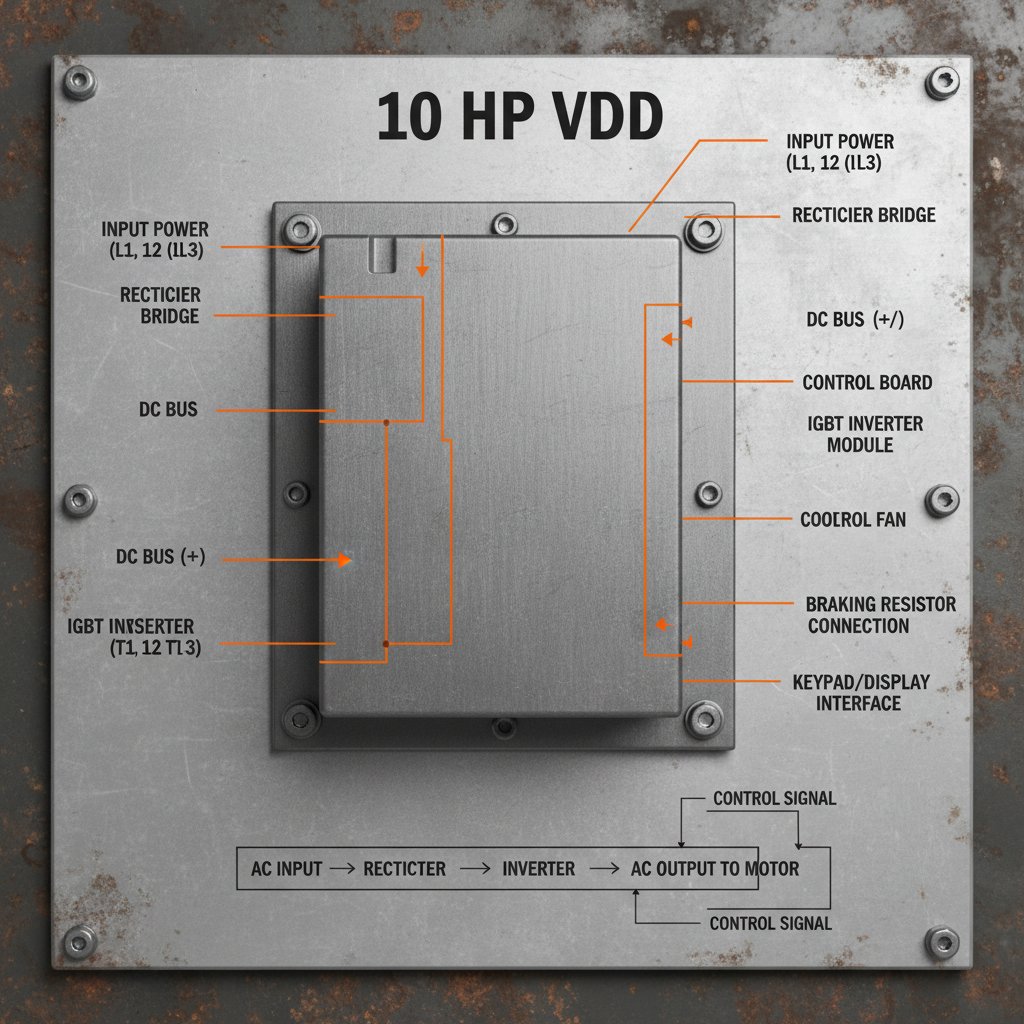
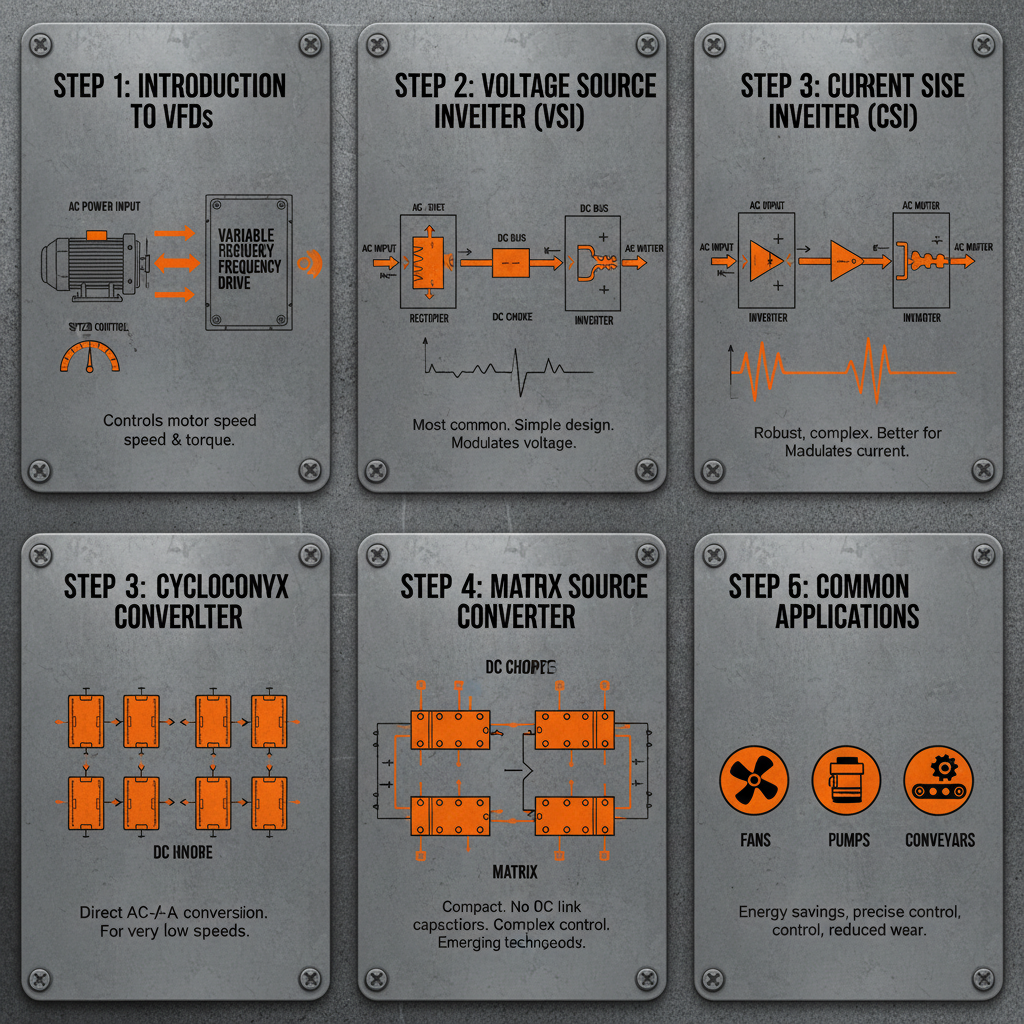
Look, I've been running around construction sites for fifteen years, and let me tell you, things are moving. Everyone's talking about prefabrication, modular builds… honestly, it's a bit of a scramble. Everyone's trying to speed things up, cut costs. And that means a lot more reliance on variable frequency drives - VFDs. Used to be, you’d just slap a motor on, flip a switch, and hope for the best. Now? It's all about precision control, energy efficiency, that sort of thing. vfd suppliers are seeing a lot of demand.
And the thing is, it's not just about picking the cheapest VFD. I've seen too many projects get bogged down because someone skimped on quality. To be honest, the spec sheets can be misleading. It all looks great on paper, but then you get it on-site, and it's a nightmare. Especially with the smaller vfd suppliers – sometimes the documentation is… lacking, shall we say?
What’s really bugging me lately is this trend of over-engineering. These young engineers, fresh out of school, designing these incredibly complex systems. It’s like they're trying to solve problems that don’t exist. Simple is often better, you know? I mean, you don’t need a VFD that can control a motor down to 0.01 Hz for a basic ventilation fan. Seriously.
The Current Landscape of VFD Supply
Right now, the vfd suppliers market is… fragmented. You've got the big players, like ABB and Siemens, naturally. They're solid, reliable, but expensive. Then you’ve got a ton of Chinese manufacturers popping up, offering competitive prices. Some are good, some… not so much. I encountered a batch from one factory last time – the heatsinks were basically tin foil. Tin foil! Seriously. It lasted about a week before it overheated.
There's also a lot of consolidation happening. Smaller vfd suppliers are being bought up by bigger companies, trying to get a foothold in the market. That can be good, sometimes, if the acquiring company doesn't gut the quality control. It's a risk, though.
Common Design Pitfalls in VFD Selection
Have you noticed how often people oversize VFDs? They think they need more power than they actually do. It’s a waste of money, and it can actually reduce efficiency. The VFD is running at a lower load point, which isn't ideal. Strangely, undersizing is just as bad. You blow fuses, trip breakers, and then you've got downtime. Downtime is the enemy, let me tell you.
Another big mistake is not considering harmonics. VFDs generate harmonics, which can mess with other equipment on the network. You need to factor in harmonic filters, or you're going to have problems. I’ve seen entire control systems go haywire because of harmonics. It's a headache, a real headache.
And the wiring! Oh, the wiring… people don’t bother to use shielded cables, proper grounding techniques… it's just sloppy work. And then they wonder why they're getting interference.
Materials and Handling: A Hands-On Perspective
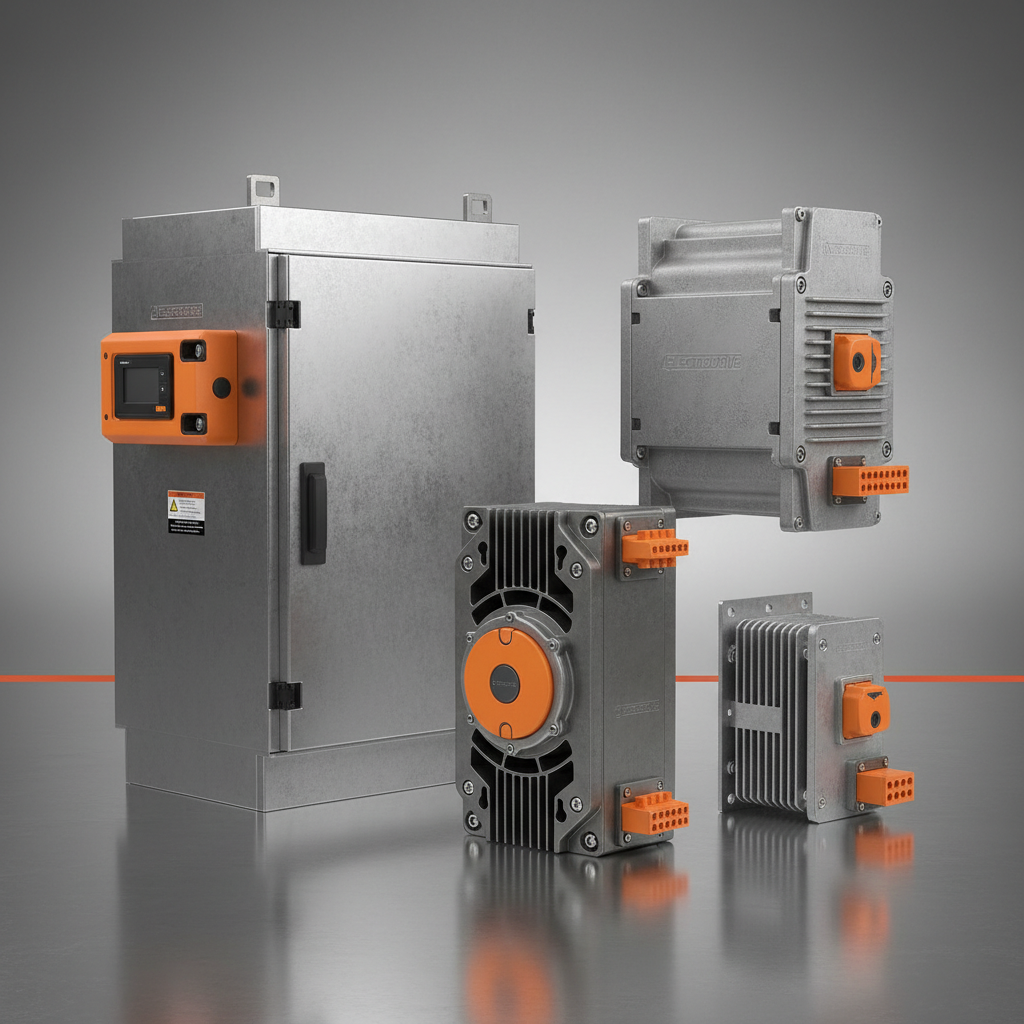
The enclosure material is important. You want something durable, something that can withstand the environment. Aluminum is good, but it's expensive. Steel is cheaper, but it can rust. I've seen some VFDs come in these flimsy plastic housings… you can practically breathe through them. They're not going to last in a dusty, humid environment, that’s for sure.
The components themselves… the capacitors, the IGBTs… you can sometimes tell the quality just by looking at them. The good ones smell… clean. Like new electronics. The cheap ones? They smell… burnt. And the build quality. You can shake a good VFD and it feels solid. A cheap one rattles like a maraca.
Handling them on-site is another story. People just toss these things around like they're bricks. They don’t realize how sensitive the electronics are. I always tell the guys, treat them like they’re made of glass. Later… Forget it, I won’t mention the time old man Henderson dropped one into a bucket of concrete.
Real-World VFD Testing and Performance
Look, lab testing is fine, but it doesn’t tell you much about how a VFD is going to perform in the real world. I prefer to see them tested under actual load conditions. We'll hook it up to a pump or a fan, run it for a few days, and see how it holds up.
We also do thermal testing. We stick temperature probes on all the critical components to make sure they're not overheating. And vibration testing. Construction sites are vibrating all the time. You need a VFD that can handle it.
Actual User Applications of VFDs
It's not always what the engineers think people are using these for. I was on a site last year, installing VFDs for a water treatment plant, and the operator told me he was using it to adjust the pump speed to match the water level in the reservoir. Makes sense, right? But then he confessed he also used it to control the flow rate for irrigating his garden!
We're seeing a lot of VFDs used in HVAC systems these days, for controlling fan speeds and optimizing energy efficiency. And in manufacturing, for controlling conveyor belts, mixers, and other equipment. It’s pretty ubiquitous now, honestly.
The Pros and Cons: An Honest Assessment
The pros are pretty obvious: energy savings, improved process control, reduced mechanical stress on equipment. But there are downsides. They’re complex. They require skilled technicians to install and maintain them. And they can be expensive, especially the high-end models.
The noise is another issue. Some VFDs generate a high-pitched whine that can be annoying. And they can sometimes cause electrical interference. I mean, they're great, but they're not perfect. Anyway, I think the biggest challenge is finding qualified people to work on them. There's a shortage of skilled technicians, that's for sure.
And don't even get me started on the firmware updates. They always seem to break something.
Customization and Specific Client Needs
You gotta be flexible. Last month, that small boss in Shenzhen who makes smart home devices insisted on changing the interface to , and the result was a three-week delay and a whole lot of cursing. He said it was “more modern.” Honestly, it was ridiculous. But you have to appease the customers, right?
We’ve had requests for custom enclosures, different control algorithms, special communication protocols. You name it, we've seen it. The key is to understand what the client really needs, not just what they think they need.
One guy wanted a VFD that could communicate with his PLC using a proprietary protocol. It was a nightmare to implement, but we got it done. He was happy, and that's what matters.
A Summary of VFD Customization Considerations
| Customization Type |
Complexity |
Cost Impact |
Typical Lead Time |
| Enclosure Modification |
Low |
Minor |
1-2 Weeks |
| Communication Protocol |
Medium |
Moderate |
4-6 Weeks |
| Control Algorithm |
High |
Significant |
8+ Weeks |
| Specialized Filtering |
Medium |
Moderate |
3-5 Weeks |
| Custom User Interface |
High |
Significant |
6+ Weeks |
| Temperature Derating |
Low |
Minor |
2-3 Weeks |
FAQS
Honestly? Oversizing. They think bigger is better, but it's a waste of money and can actually reduce efficiency. You need to calculate the load requirements carefully and choose a VFD that's appropriately sized. Don't just go for the biggest one you can find.
Crucially important. Seriously. A bad ground can cause all sorts of problems – electrical noise, interference, even damage to the VFD and other equipment. Make sure you follow the manufacturer’s instructions carefully and use proper grounding techniques. It's not something you want to skimp on.
It depends on the environment and how well it’s maintained, but generally, you can expect a VFD to last 5-10 years. The capacitors are usually the first thing to go. Regular maintenance – checking the cooling fans, cleaning the heatsinks – can extend its lifespan. Ignoring it? Well, you'll be replacing it sooner rather than later.
Absolutely not! There’s a huge difference in quality between different manufacturers. The cheap ones might save you money upfront, but they’ll likely cost you more in the long run – through breakdowns, repairs, and downtime. You get what you pay for, usually.
You need to install harmonic filters. There are different types of filters available, so you’ll need to consult with an electrical engineer to determine the best solution for your application. Ignoring harmonics can lead to problems with other equipment on the network.
Regenerative braking can save energy, but it’s not always necessary. It's most beneficial in applications with frequent starts and stops, like cranes or elevators. It feeds the energy back into the power grid, reducing overall energy consumption. But it adds complexity and cost to the system, so you need to weigh the benefits against the costs.
Conclusion
So, there you have it. VFDs are complex beasts, but they’re essential for modern industrial operations. It’s not just about the technology, though. It's about understanding the application, choosing the right VFD for the job, and making sure it’s properly installed and maintained. And don’t forget, simple is often better.
Ultimately, whether this thing works or not, the worker will know the moment he tightens the screw. You can have all the fancy engineering in the world, but if it doesn’t hold up on the job site, it’s worthless. That's why I’m always out here, getting my hands dirty, talking to the guys on the ground. It’s the only way to know what really works.